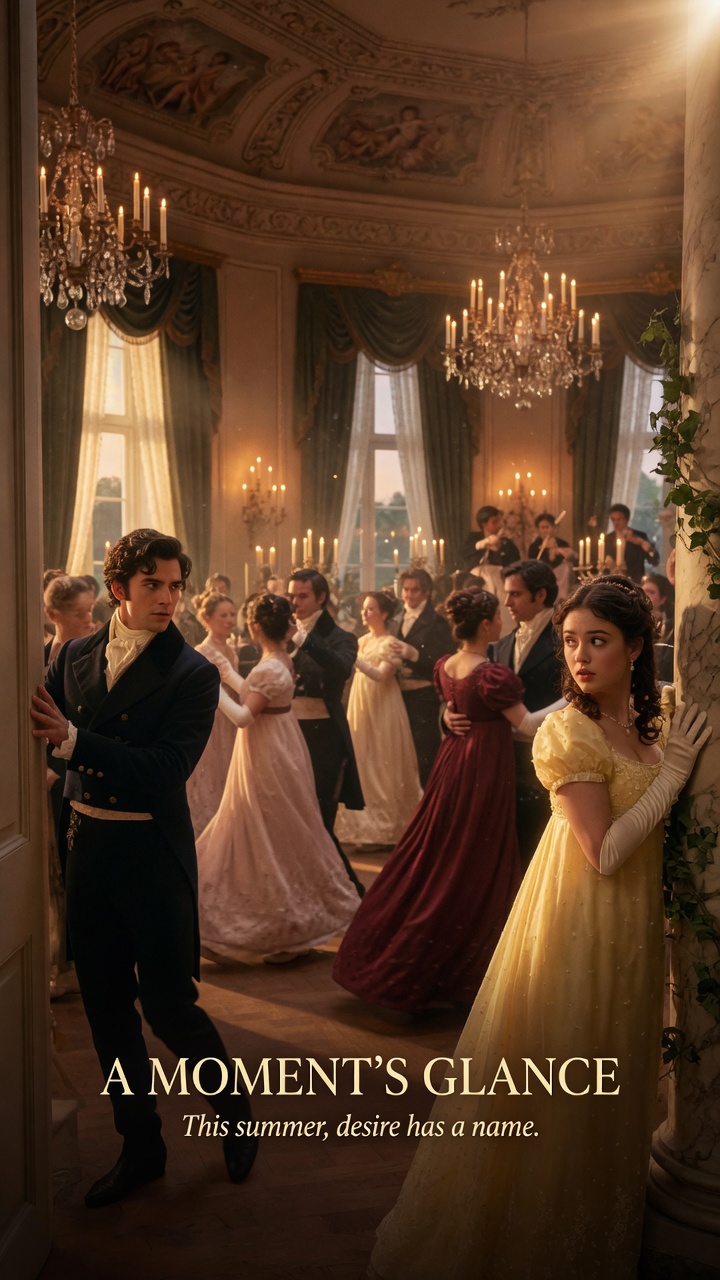
Pride and Prejudice
Jane Austen · 1813
Two stubborn hearts. One very long misunderstanding.
The enemies-to-lovers blueprint. Sharp, funny, and the slowest of slow burns — Elizabeth and Darcy can't stand each other, which is exactly how you know.
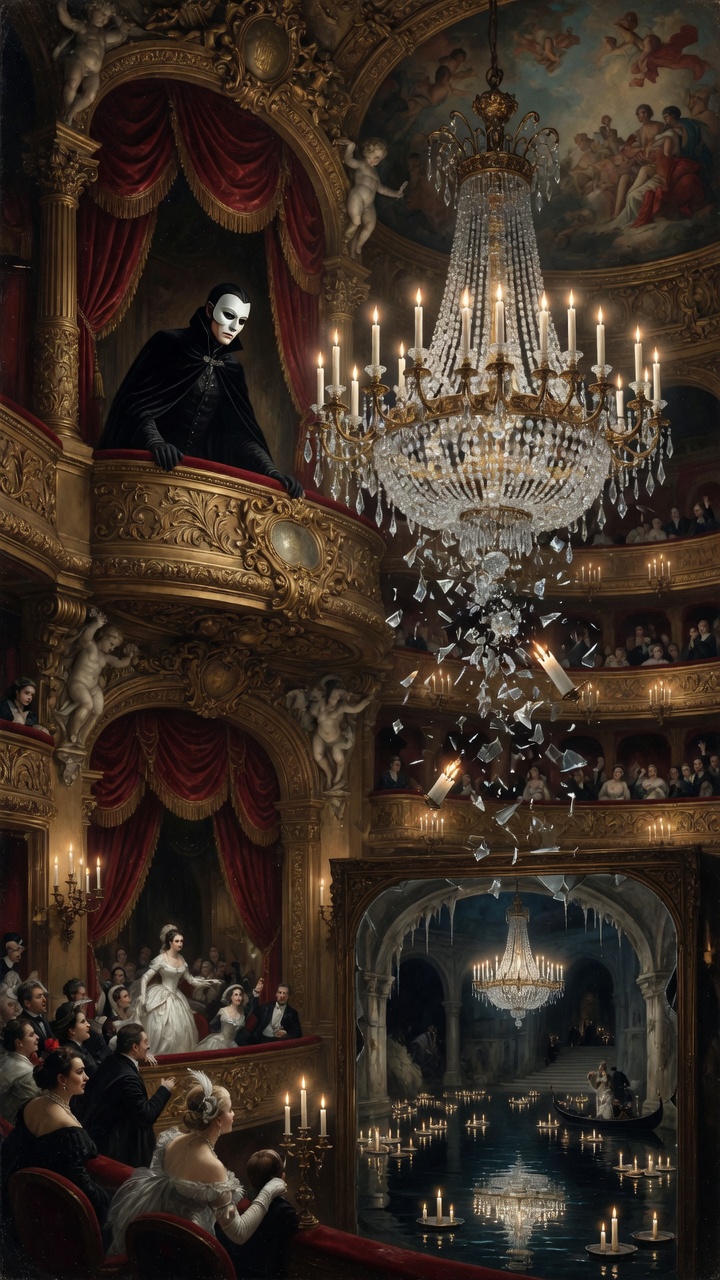
The Phantom of the Opera
Gaston Leroux · 1910
He lives beneath the opera. He'll make her a star — or bring the house down.
A disfigured genius haunts the Paris Opera, obsessed with a young soprano. Equal parts love story and horror — and that chandelier never stood a chance.
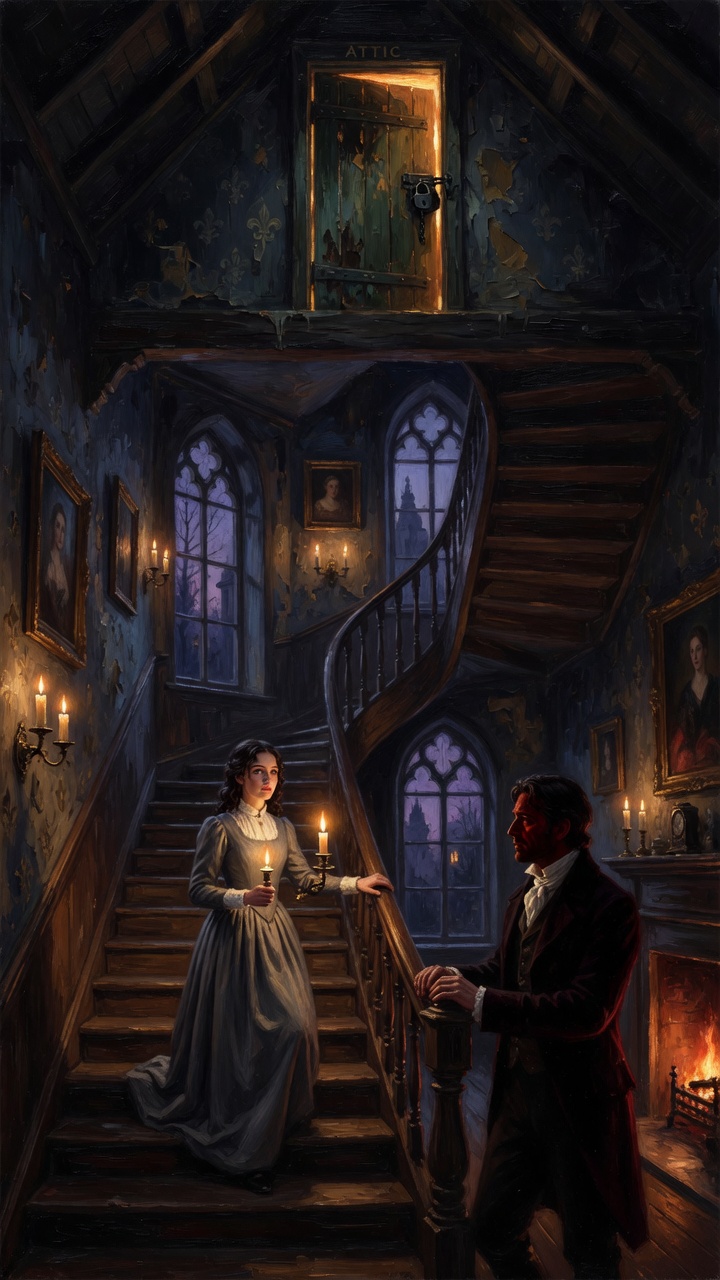
Jane Eyre
Charlotte Brontë · 1847
A penniless governess. A brooding master. A secret locked upstairs.
The original slow-burn romance with a spine of steel. Plain, poor, and refusing to be anyone's fool — Jane is the heroine every modern love story is still copying.
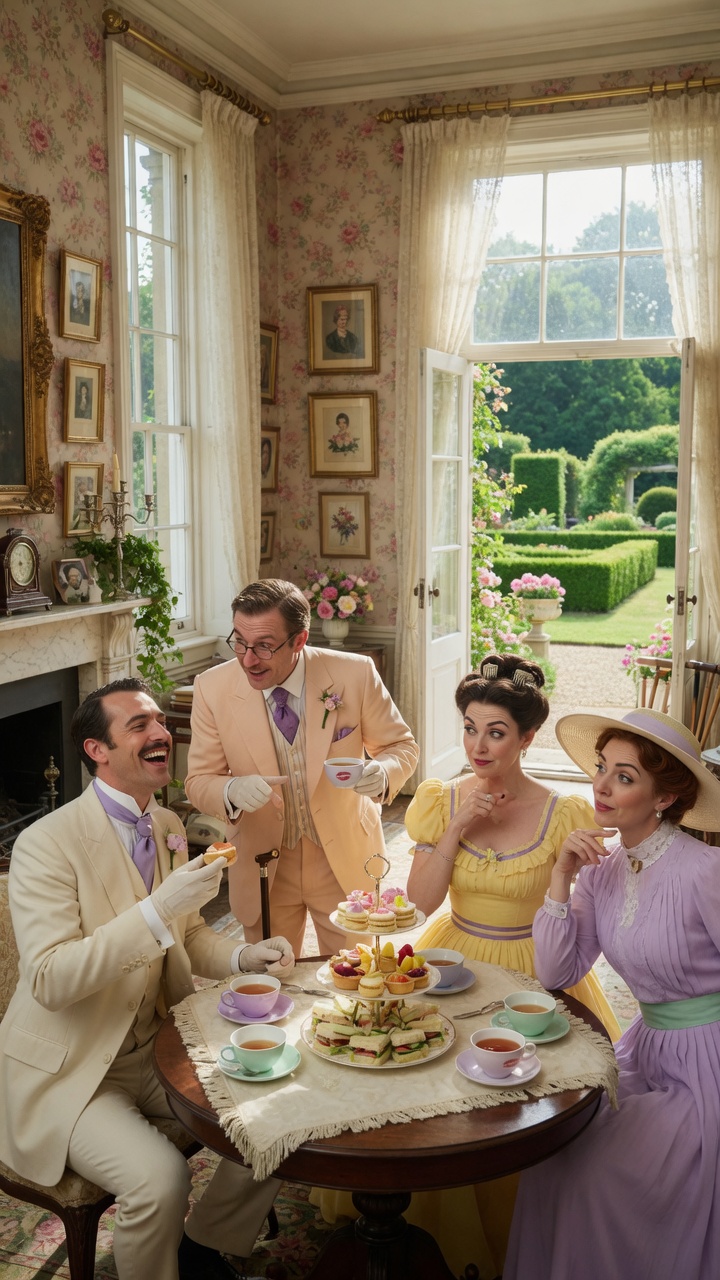
The Importance of Being Earnest
Oscar Wilde · 1895
Two men, two fake identities, one very inconvenient handbag.
The funniest play in the English language — a champagne-fizzy farce of double lives, cucumber sandwiches, and Wilde's most quotable zingers. Pure delight.
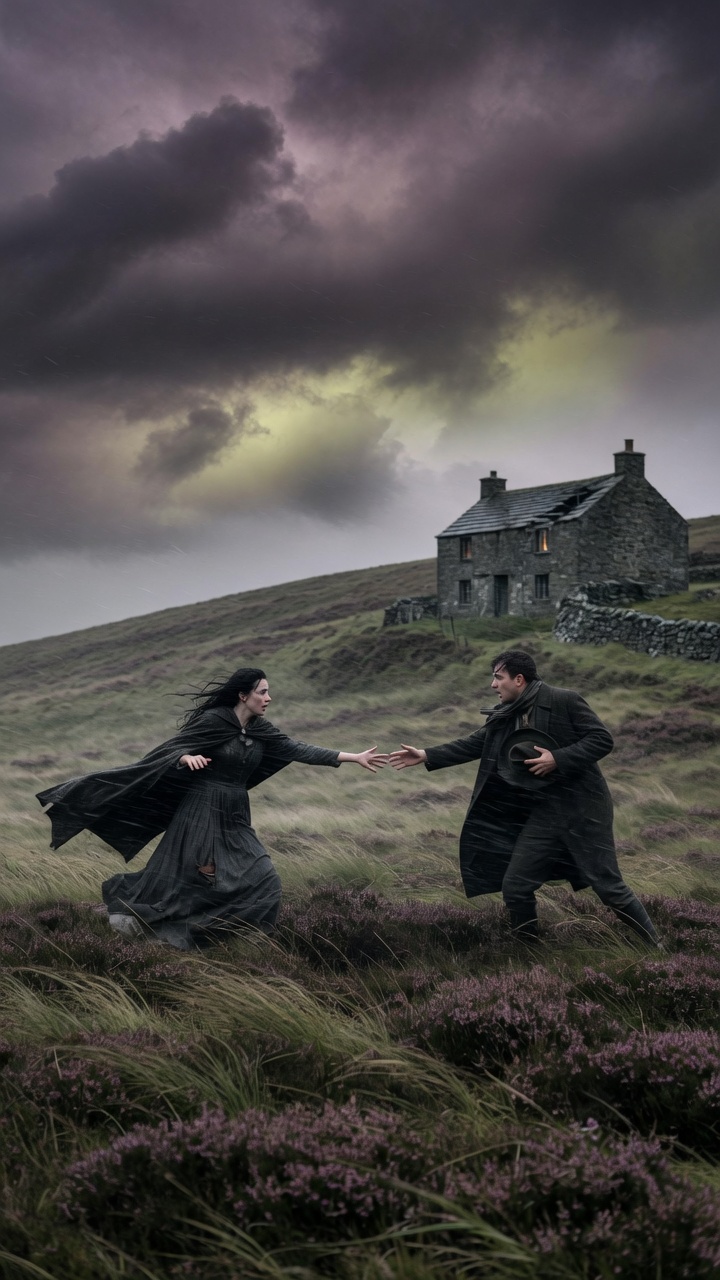
Wuthering Heights
Emily Brontë · 1847
A love so fierce it outlives them both — and ruins everyone.
Not a cozy romance — a storm. Obsessive, doomed, and savage, Heathcliff and Cathy's bond is the wildest love story in the language.
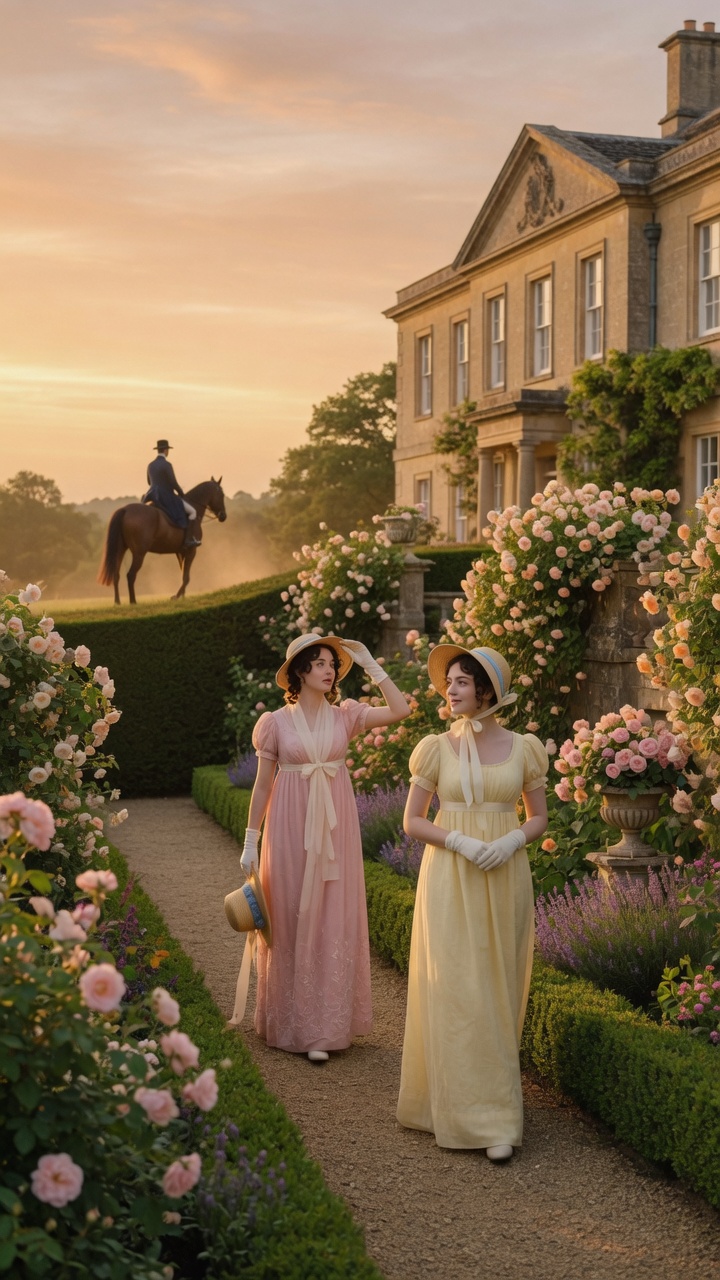
Sense and Sensibility
Jane Austen · 1811
Two sisters. Two ways to fall in love. Both get their hearts broken.
Austen's wit at full sparkle: head-versus-heart sisters navigating cads, heartbreak, and the marriage market. Swoony, funny, and quietly devastating.
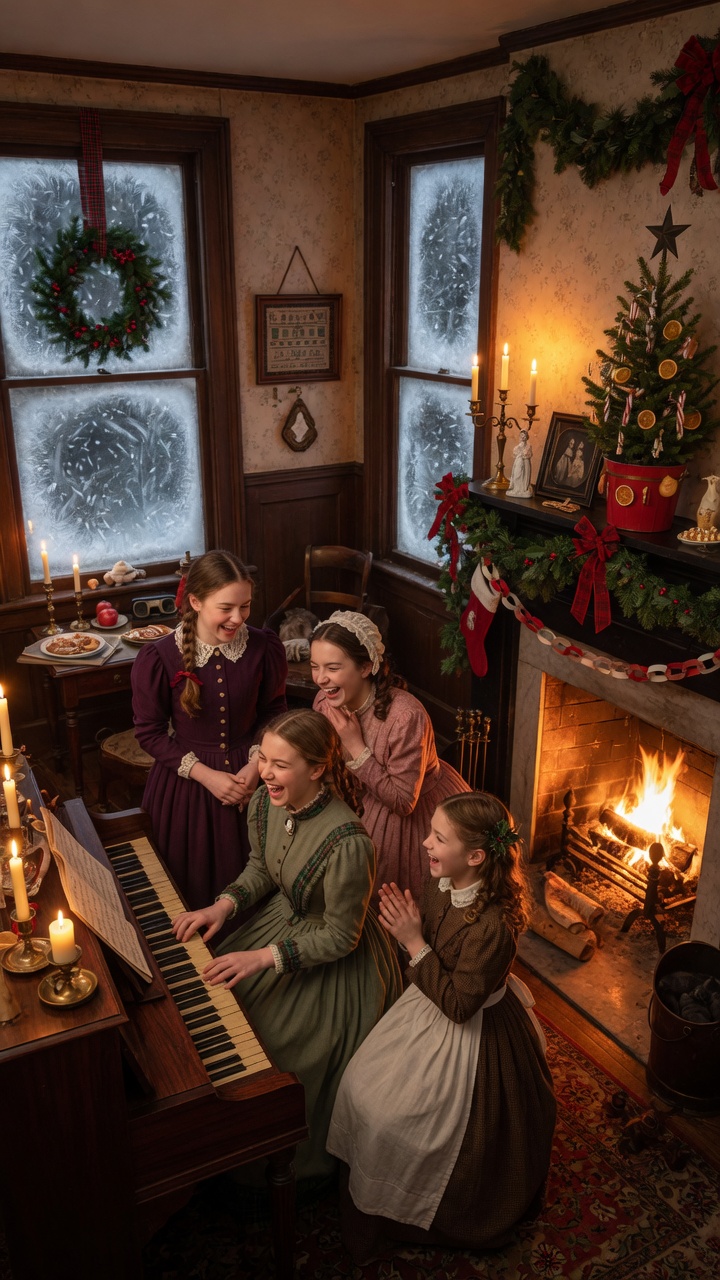
Little Women
Louisa May Alcott · 1868
Four sisters, one hard winter, and a whole life of growing up.
Warm, funny, and quietly profound — the March sisters' loves, losses, and dreams have made readers cry for over 150 years. Comfort reading at its finest.
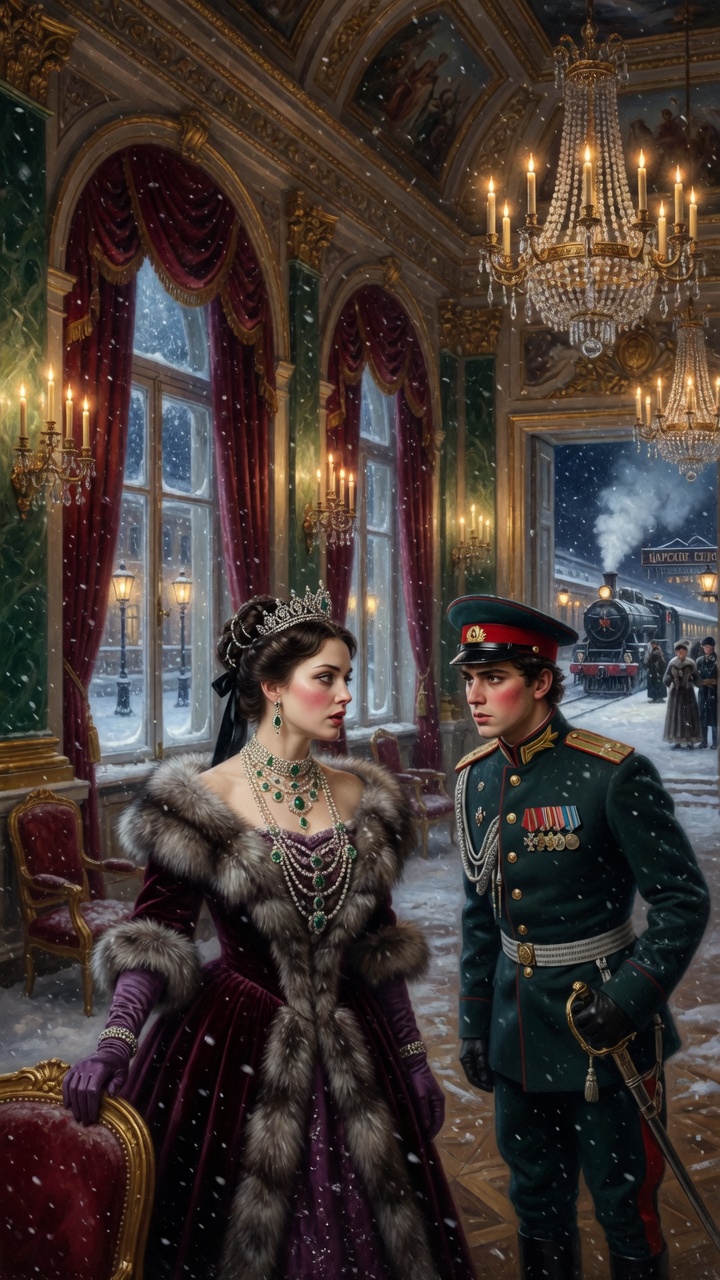
Anna Karenina
Leo Tolstoy · 1878
She risked everything for love. Society made her pay.
Tolstoy's sweeping tragedy of a passionate affair that defies a glittering, hypocritical society. Devastating, gorgeous, and impossibly human.
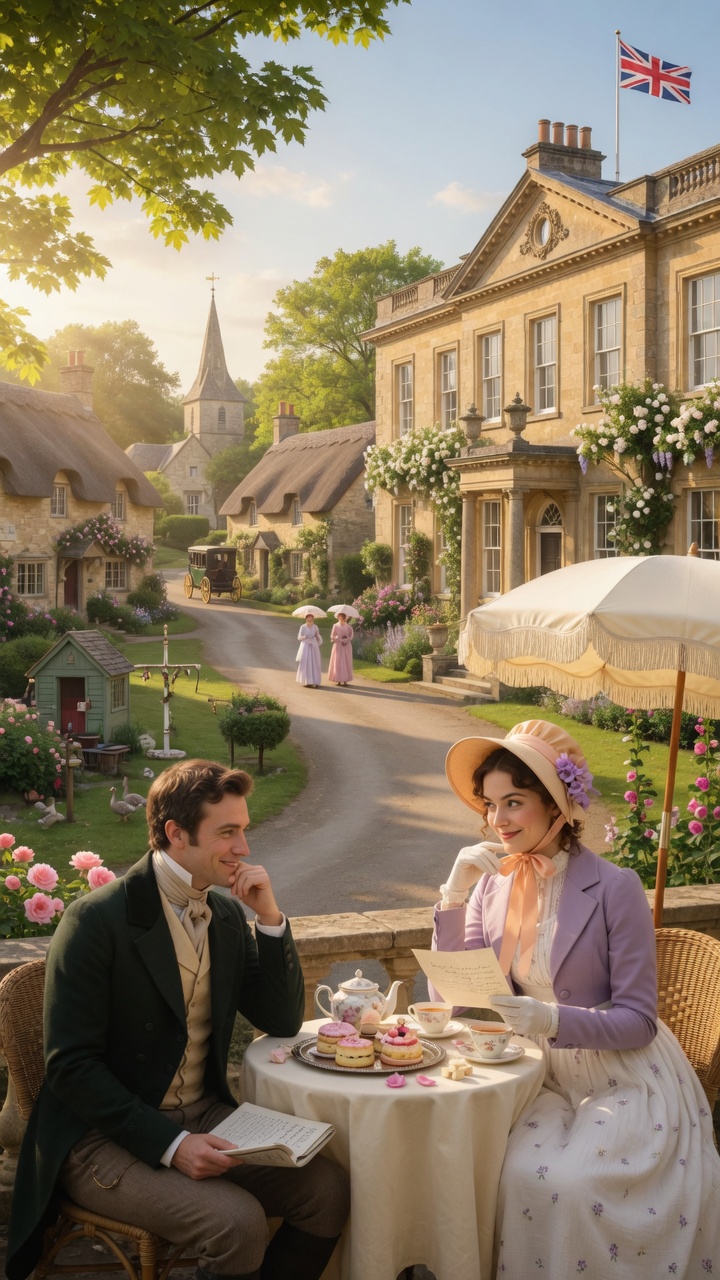
Emma
Jane Austen · 1815
A matchmaker who can't read her own heart.
Austen's most delightful meddler fixes everyone's love life while completely missing her own.
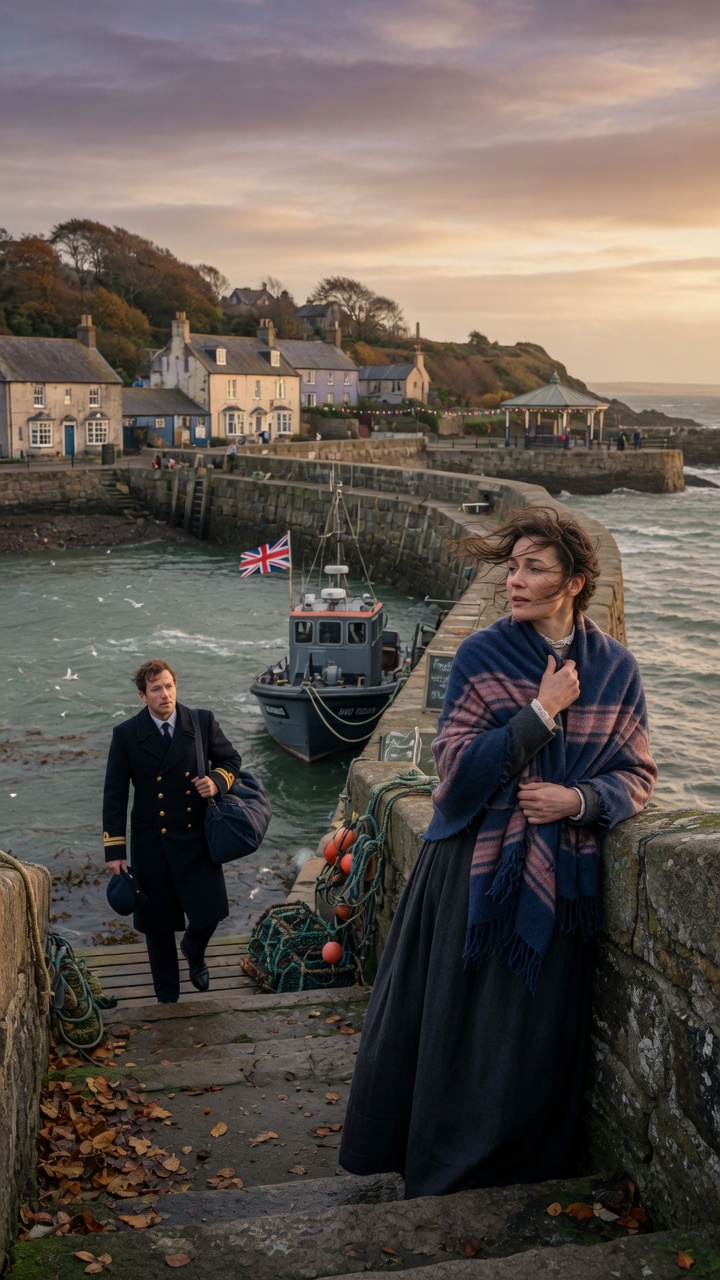
Persuasion
Jane Austen · 1817
Second chances, and the love she let slip away.
Austen's most aching, grown-up romance — a quiet woman and the man she was talked out of marrying.
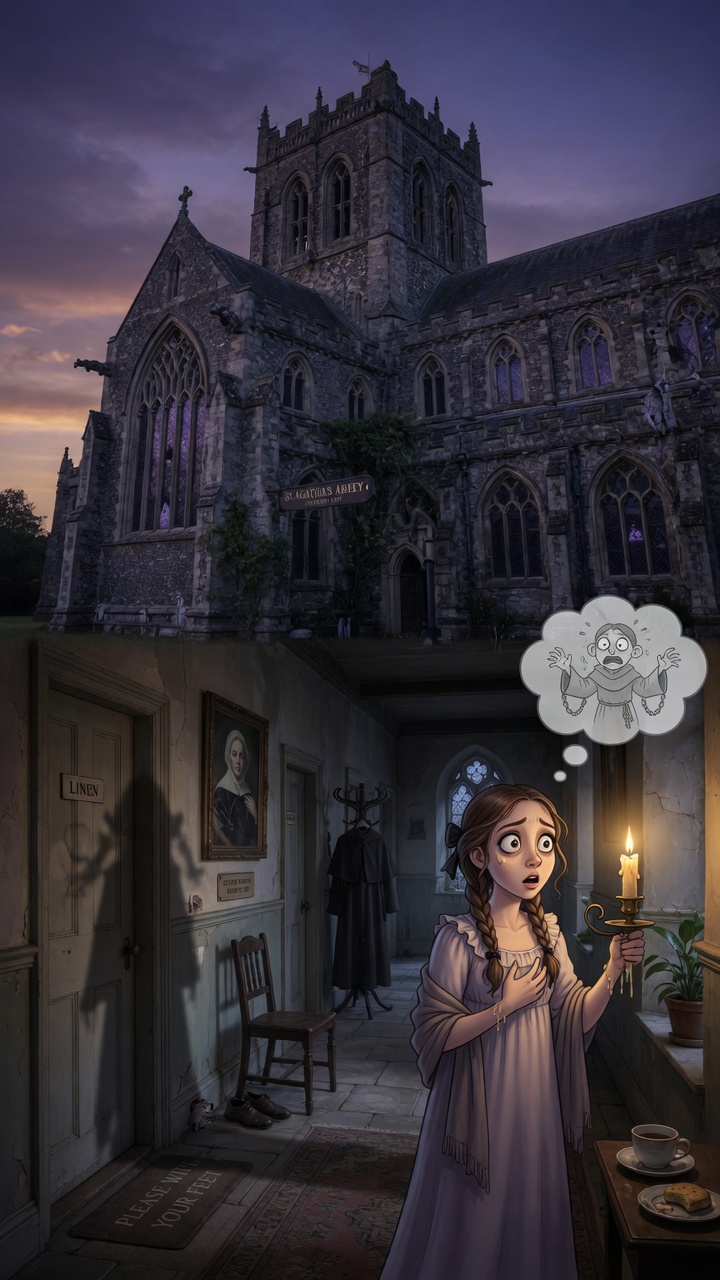
Northanger Abbey
Jane Austen · 1817
A girl who reads too many spooky novels mistakes real life for one.
Austen spoofs gothic horror through a heroine convinced her host's abbey hides a murder.
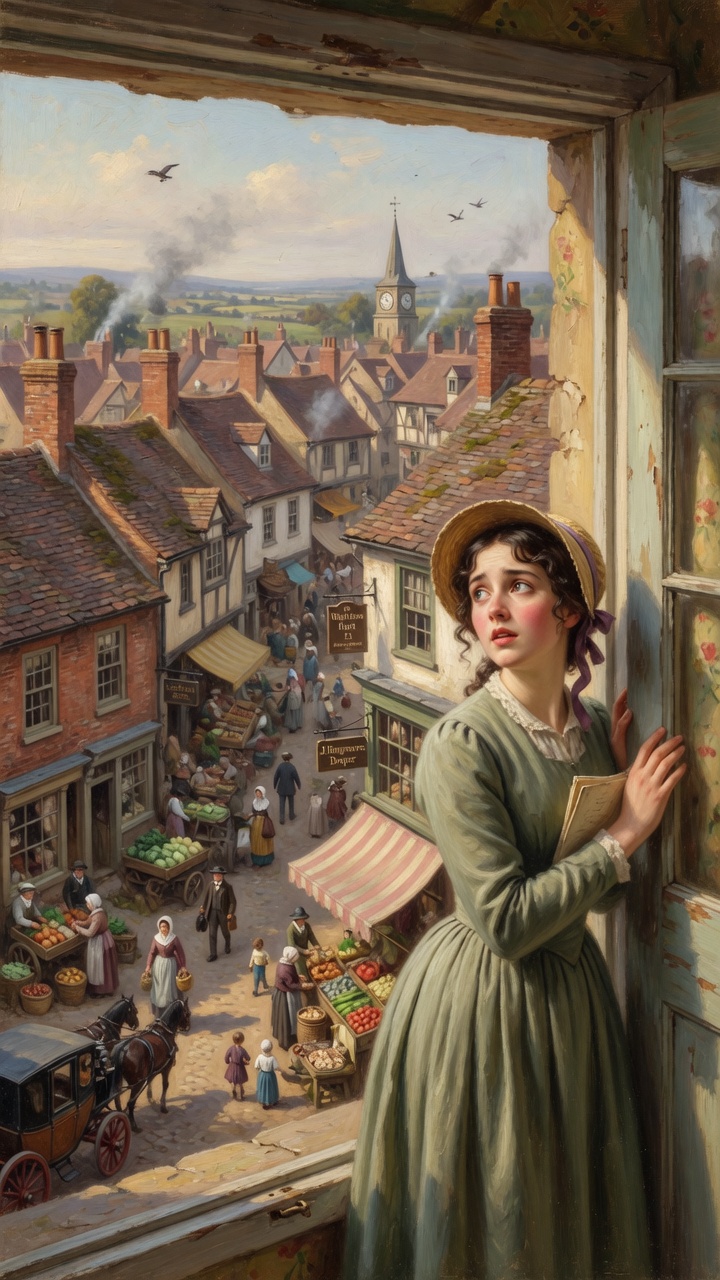
Middlemarch
George Eliot · 1871
A whole town, a few bad marriages, and one woman who wanted more.
Often called the greatest English novel — an entire community rendered with stunning humanity.
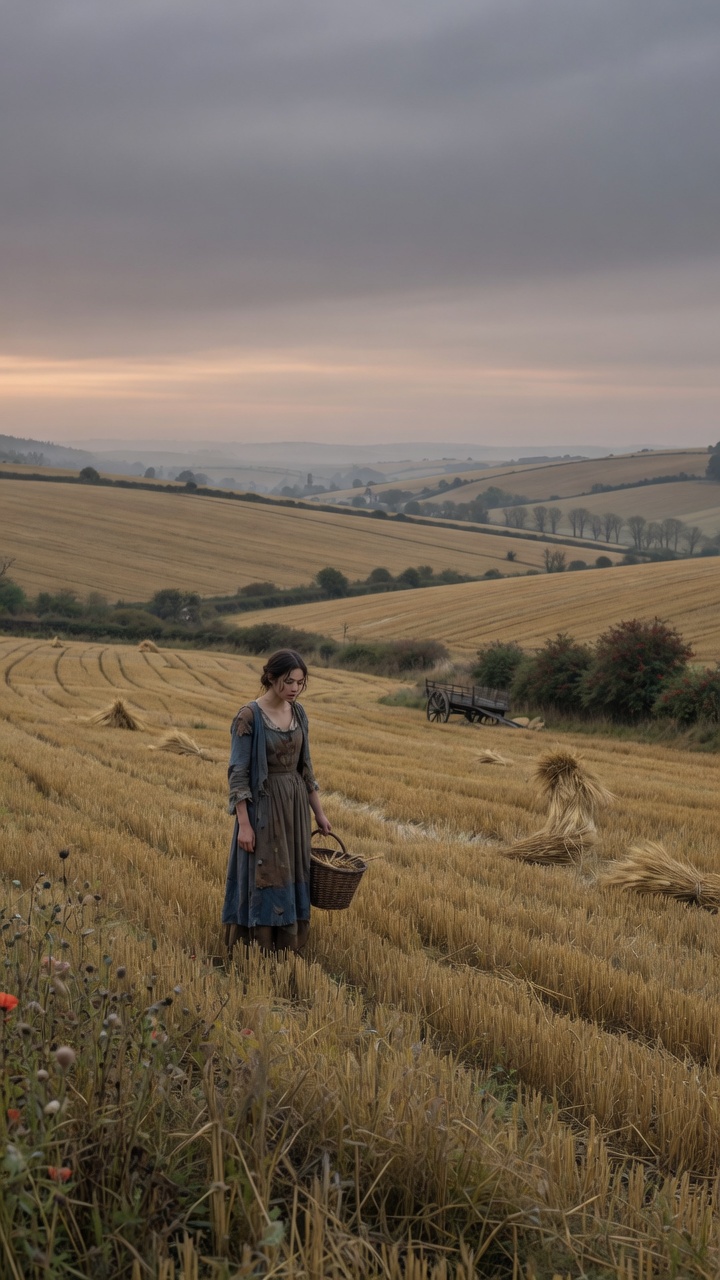
Tess of the d'Urbervilles
Thomas Hardy · 1891
A good woman, a cruel world, and a fate that will not let go.
Hardy's heartbreaking tragedy of a country girl punished for things that were never her fault.
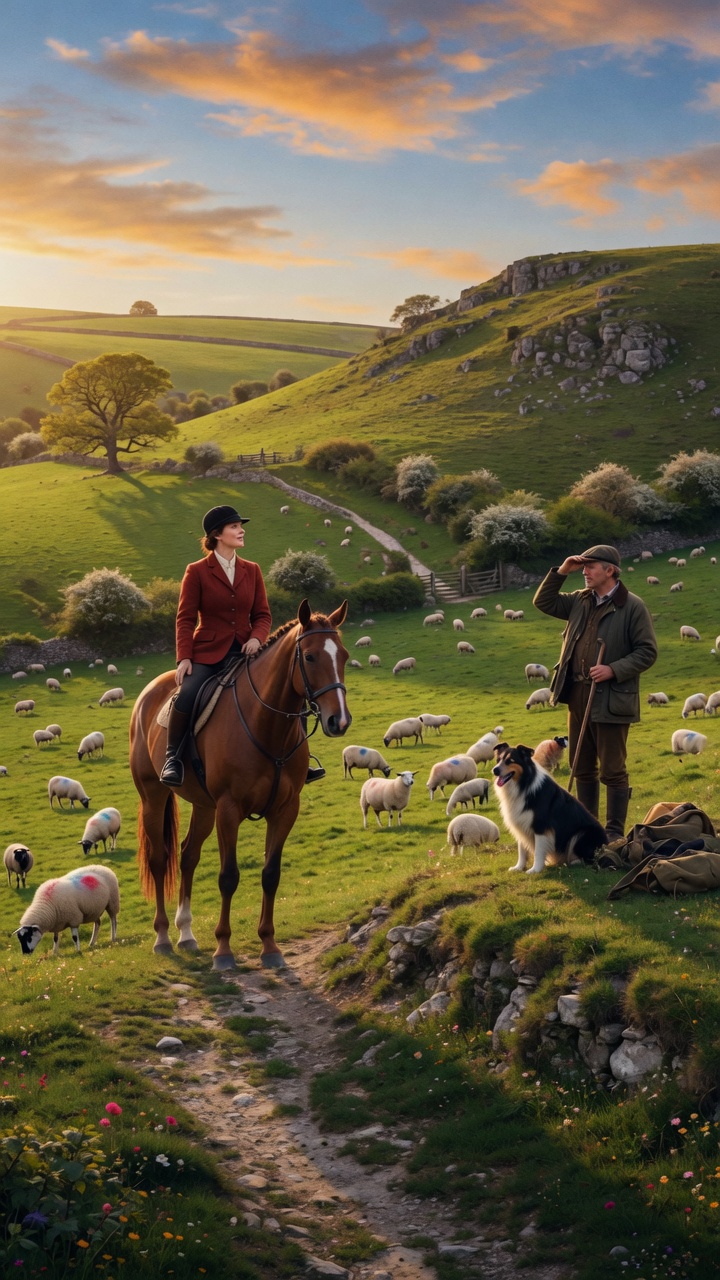
Far from the Madding Crowd
Thomas Hardy · 1874
One independent woman. Three very different suitors.
A spirited farm owner is courted by a shepherd, a soldier, and a gentleman — only one truly sees her.
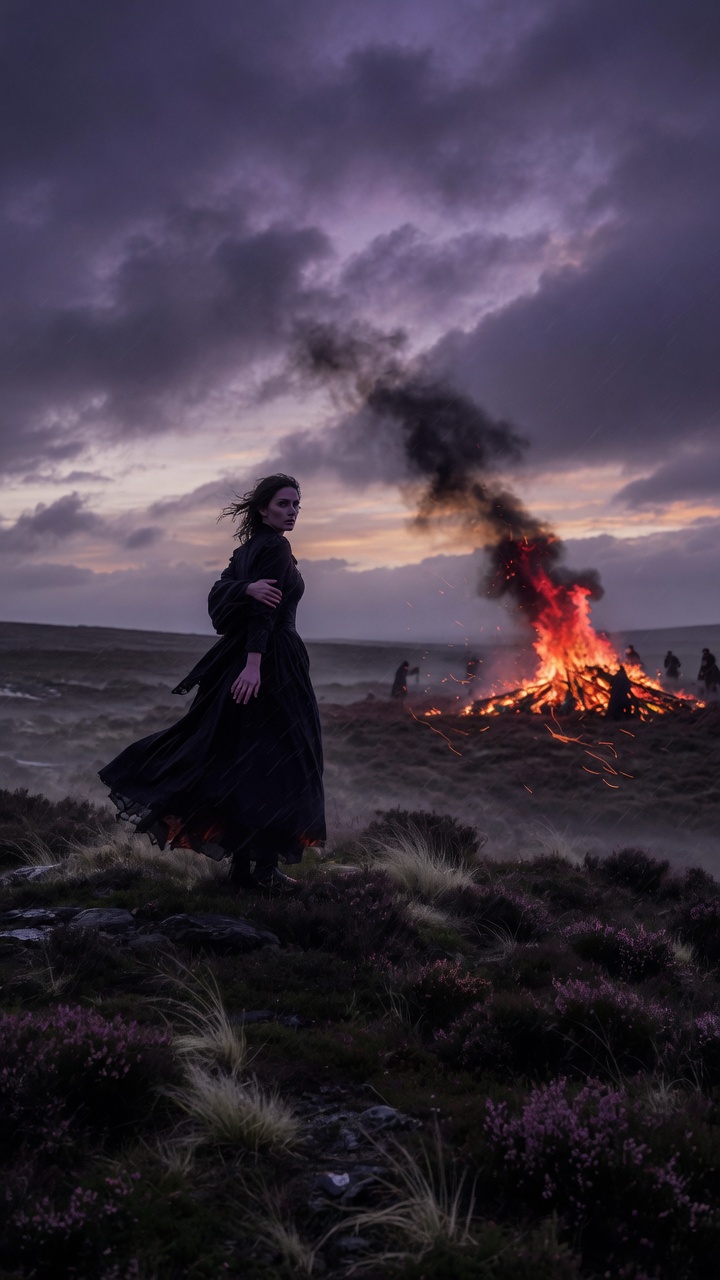
The Return of the Native
Thomas Hardy · 1878
On the wild heath, every passion ends in ruin.
Hardy makes a brooding moorland the real character in a doomed tangle of love and ambition.
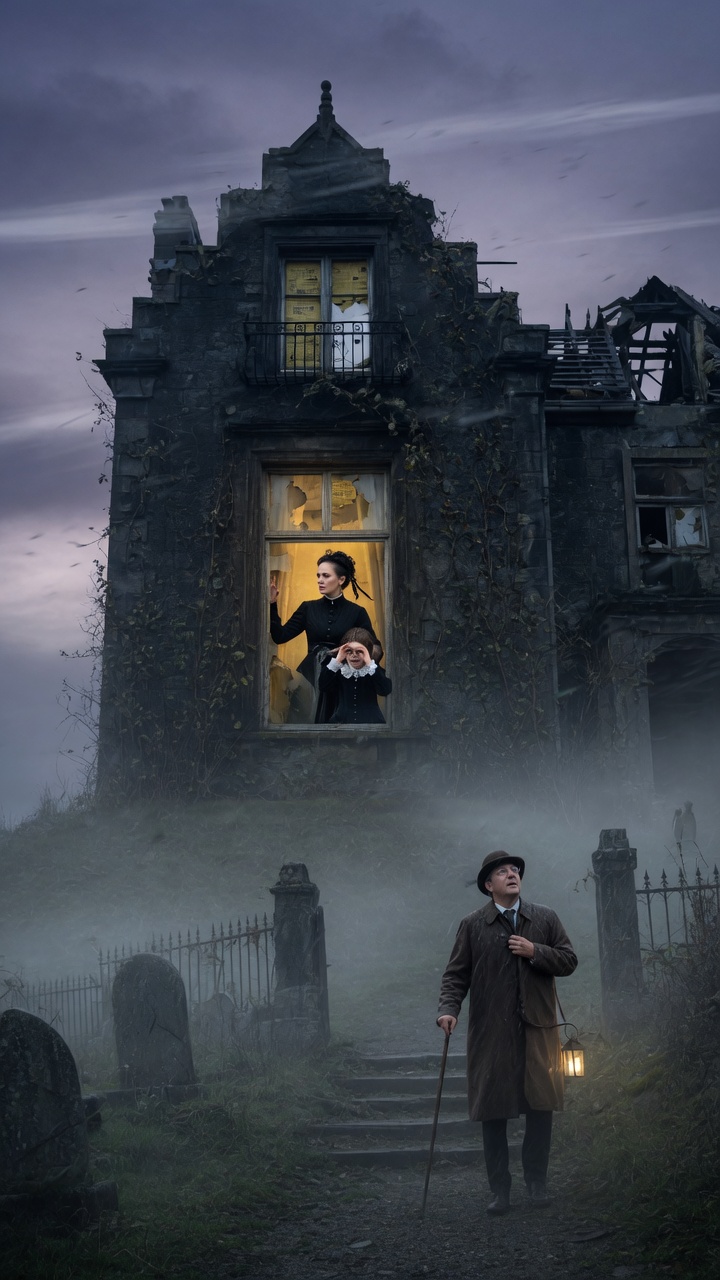
The Tenant of Wildfell Hall
Anne Brontë · 1848
A mysterious widow with a secret worth fleeing for.
A fierce, far-ahead-of-its-time novel about a woman escaping a ruinous marriage.
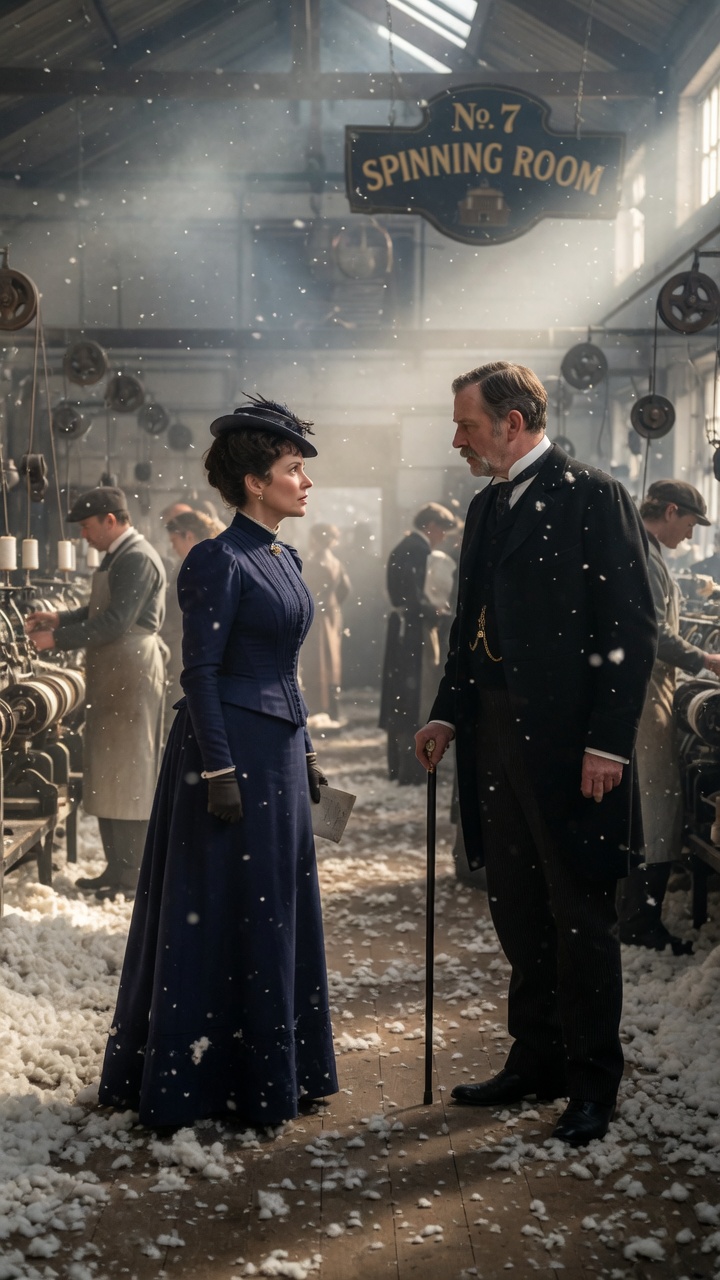
North and South
Elizabeth Gaskell · 1855
A southern gentlewoman, a northern mill master, and a slow-burn clash.
Enemies-to-lovers against the smoke and strikes of the industrial north. Pure Victorian tension.
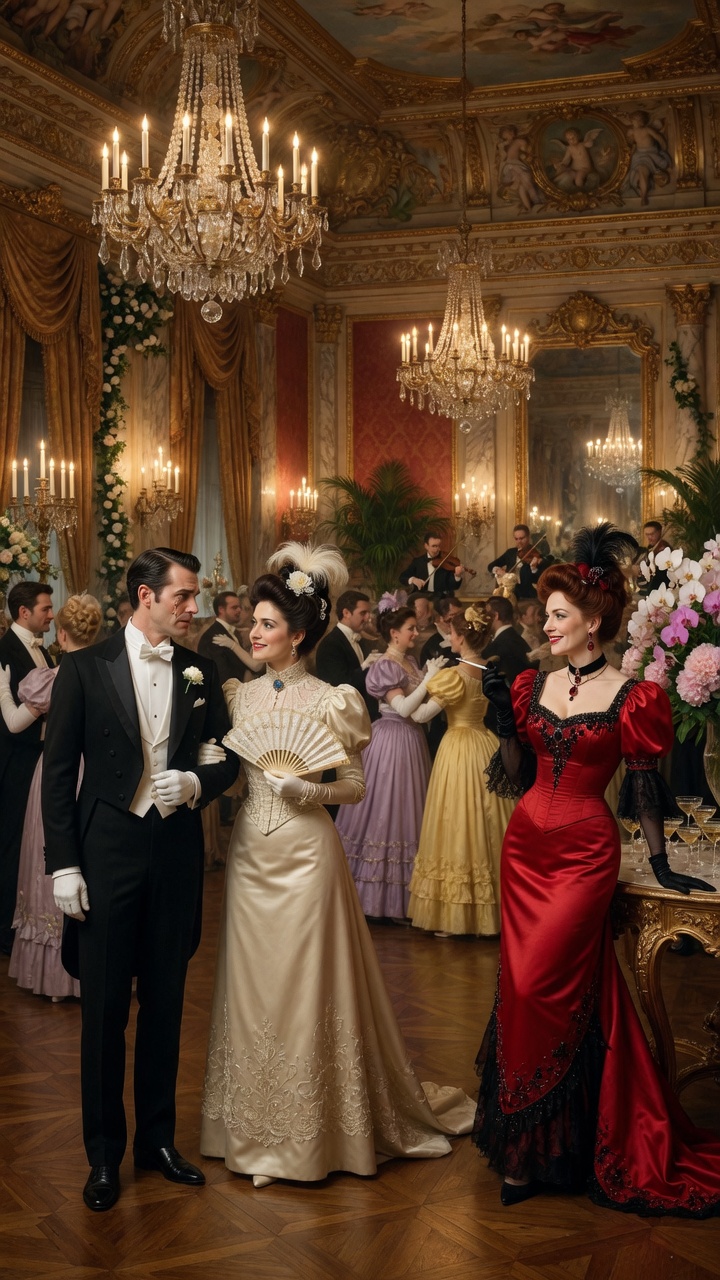
The Age of Innocence
Edith Wharton · 1920
He had the perfect match. Then he met her cousin.
Wharton's Pulitzer-winning portrait of desire strangled by the rules of high society.
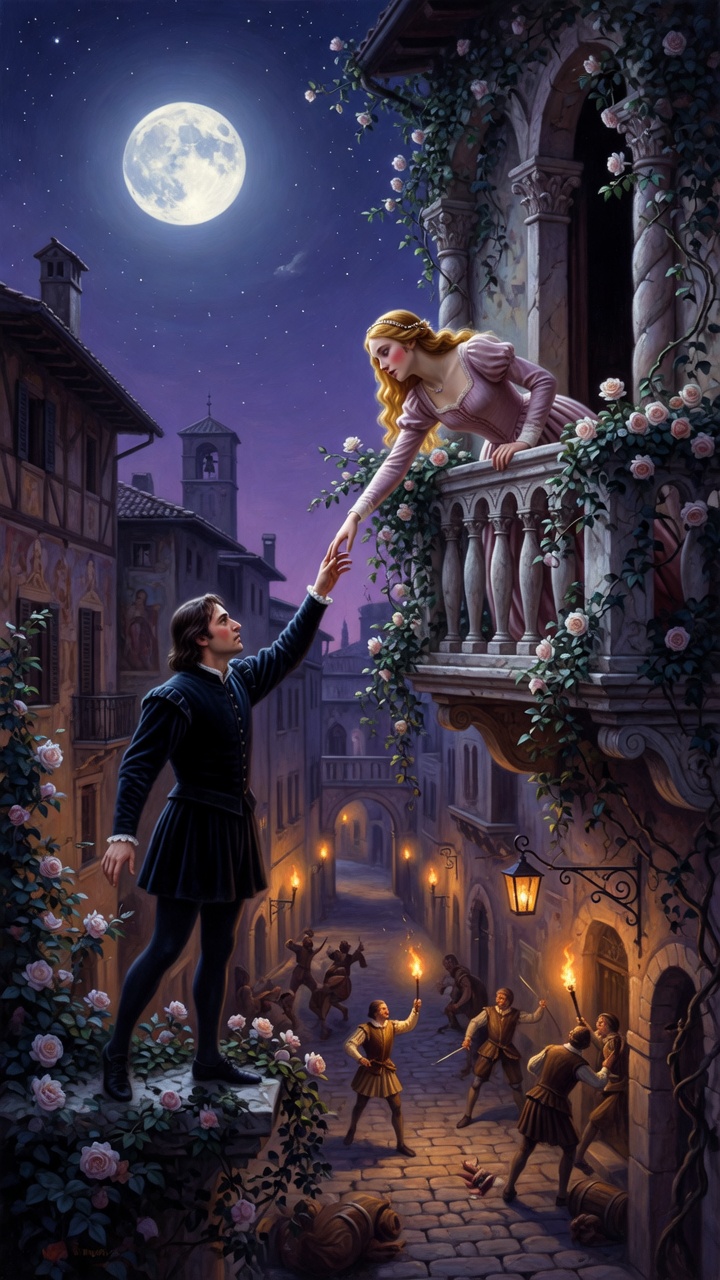
Romeo and Juliet
William Shakespeare · 1597
Two families at war. Two kids in love. Five days.
The most famous love story ever written, and the blueprint for every doomed romance since.
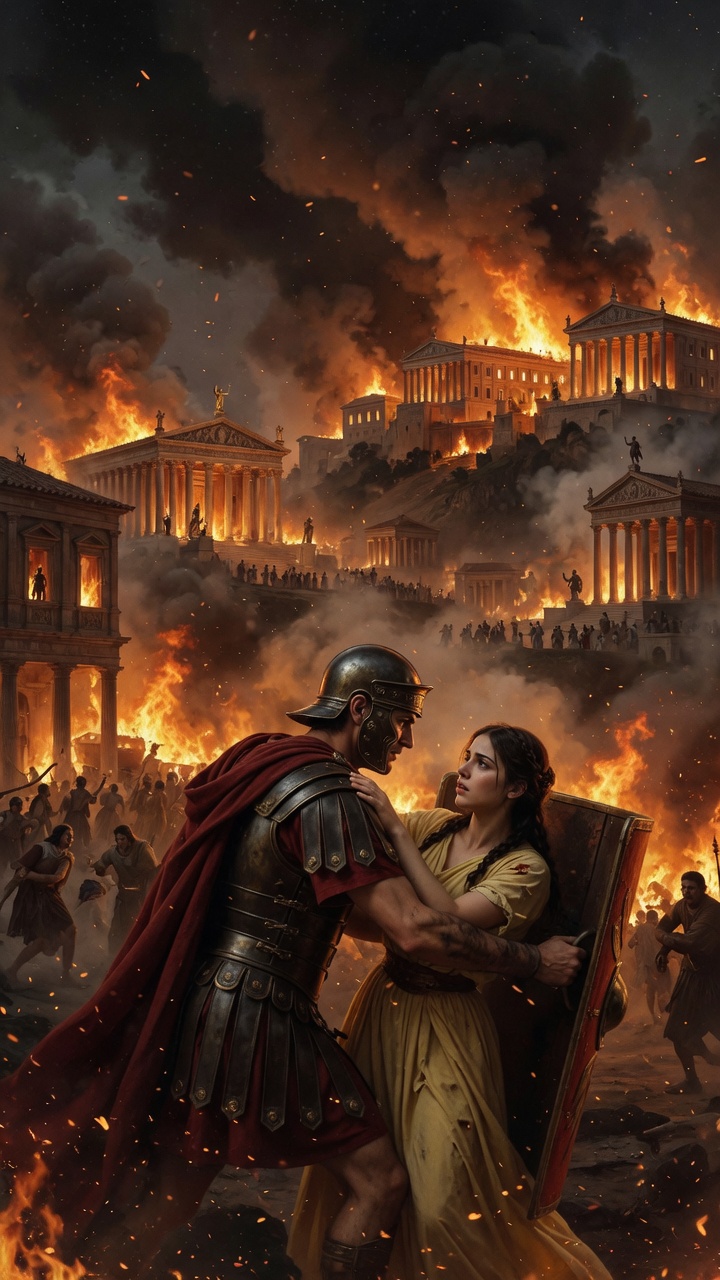
Quo Vadis
Henryk Sienkiewicz · 1896
A Roman officer, a Christian girl, and a burning empire.
Forbidden love against the decadence and fire of Nero’s Rome. Sweeping and operatic.

The Hunchback of Notre-Dame
Victor Hugo · 1831
A deformed bell-ringer, a dancing girl, a city of stone.
Hugo's sweeping gothic tragedy of obsession and mercy in the shadow of a great cathedral.
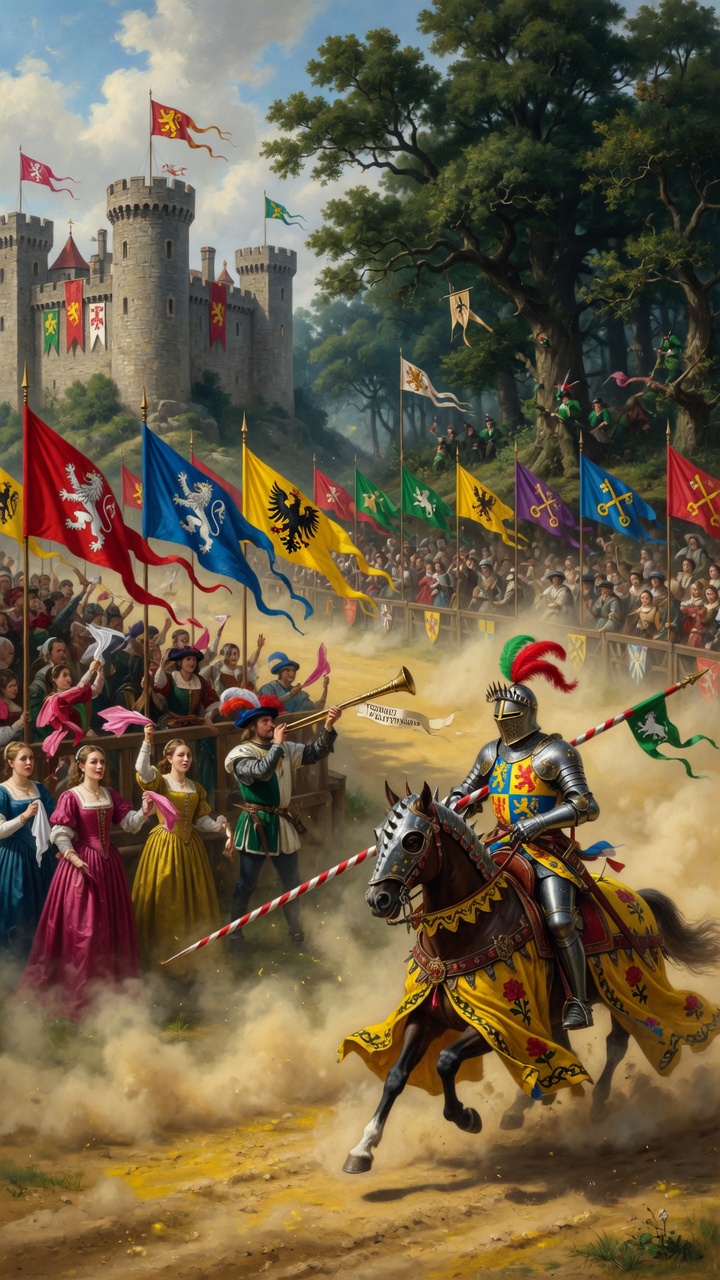
Ivanhoe
Walter Scott · 1820
A knight returns to a England of tournaments and outlaws.
Jousts, Robin Hood, Saxon-vs-Norman intrigue — the book that invented medieval romance as we know it.
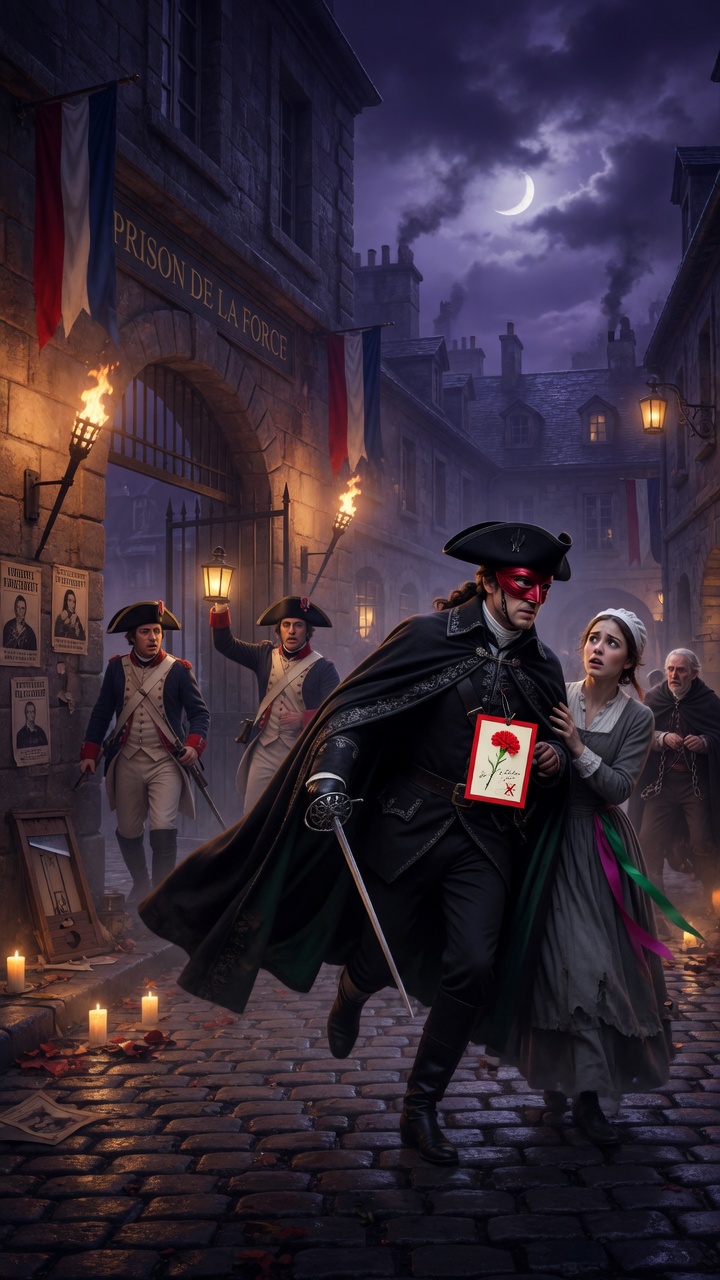
The Scarlet Pimpernel
Baroness Orczy · 1905
A foppish fool by day, a daring rescuer by night.
The original masked hero — smuggling aristocrats out of revolutionary France under the guillotine.
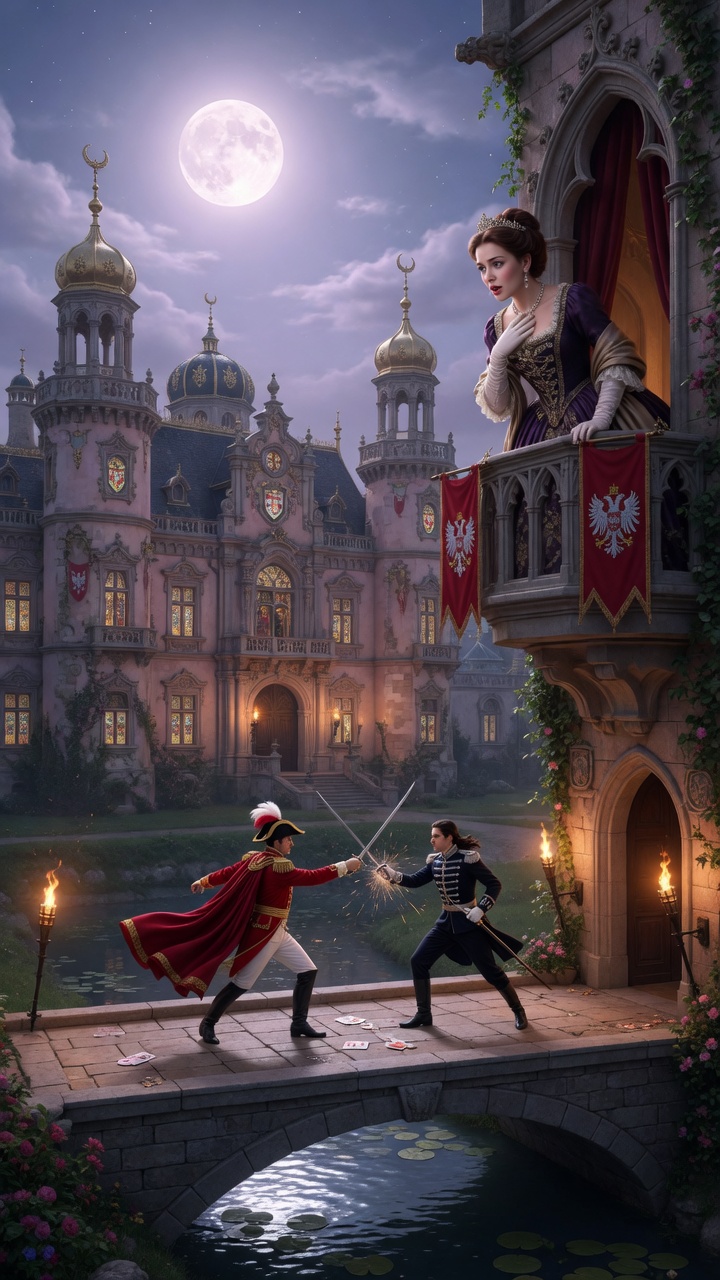
The Prisoner of Zenda
Anthony Hope · 1894
An ordinary man must impersonate a kidnapped king.
Swordplay, palace intrigue, and impossible romance in a tiny invented kingdom. Endlessly imitated.

She
H. Rider Haggard · 1887
Deep in Africa rules an immortal queen who waits for a dead man reborn.
The blueprint for every lost-civilization fantasy — a deathless sorceress and a 2,000-year-old love.
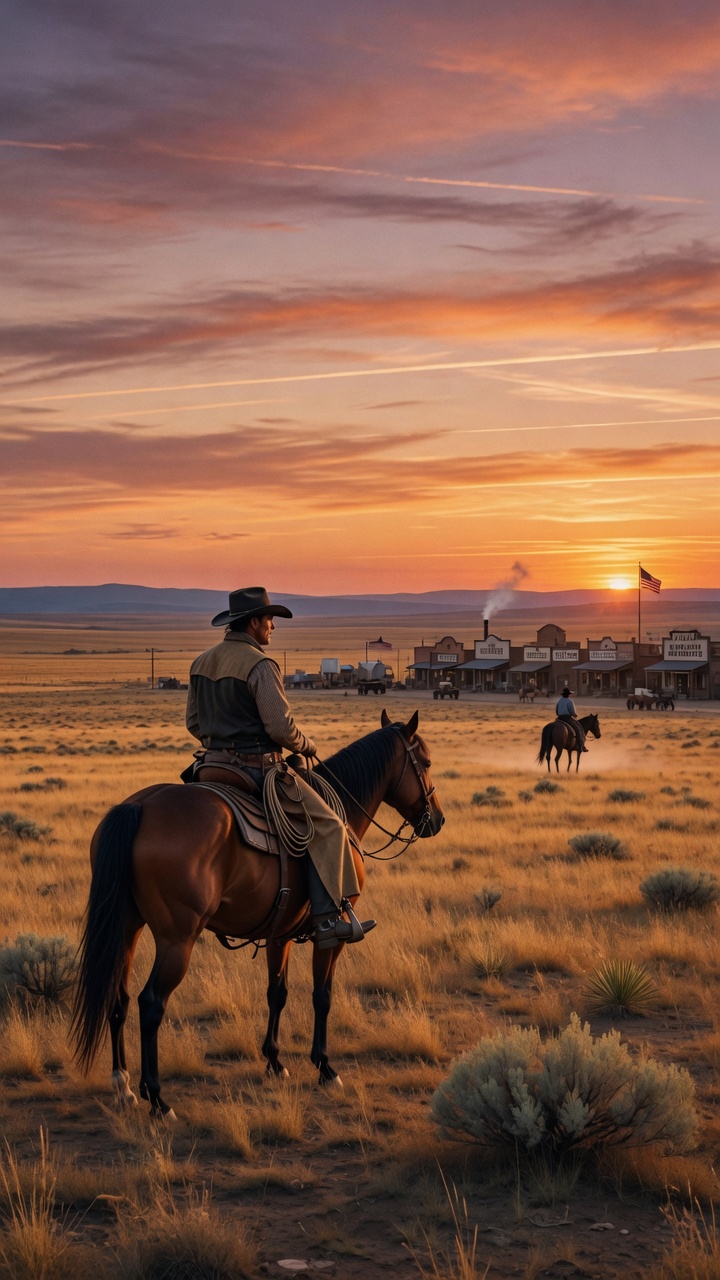
The Virginian
Owen Wister · 1902
A quiet cowboy, a schoolteacher, and a showdown at high noon.
The first true Western — and the source of every laconic gunslinger who came after.

Riders of the Purple Sage
Zane Grey · 1912
A masked gunman rides in to save a woman from zealots.
The Western that defined the genre — purple canyons, fast guns, and a hidden valley paradise.
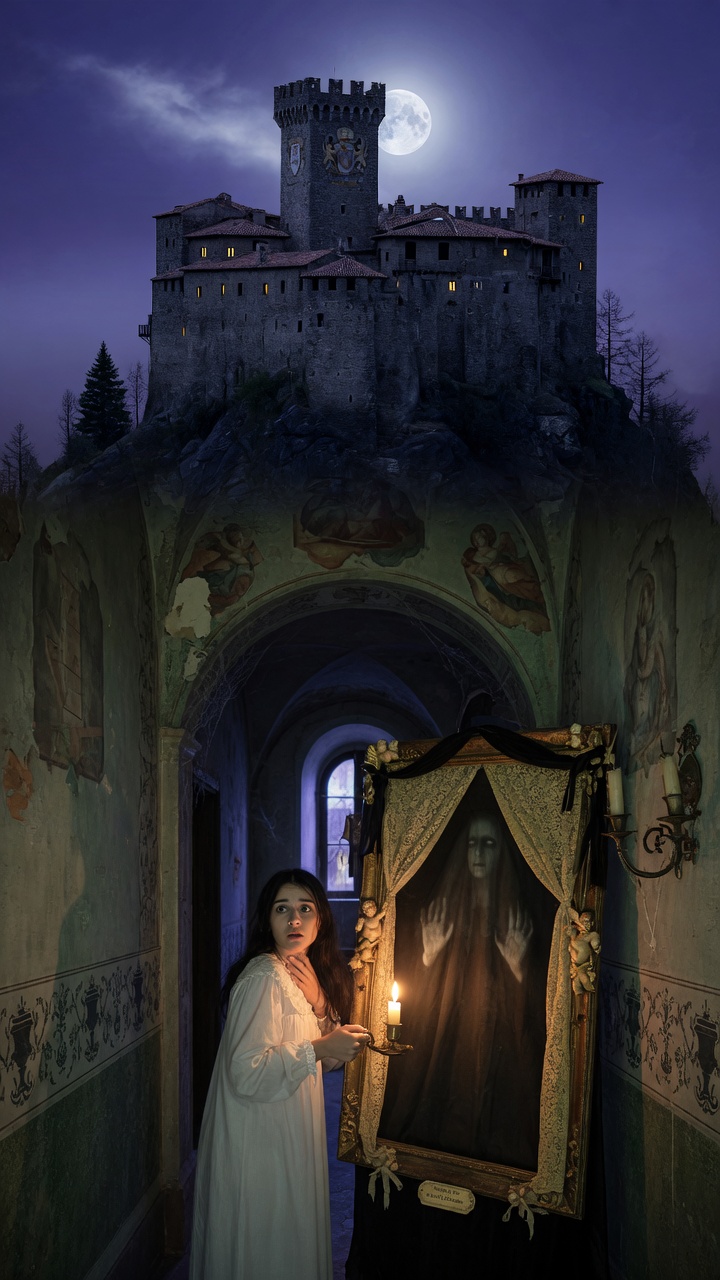
The Mysteries of Udolpho
Ann Radcliffe · 1794
An orphan, a brooding castle, and terrors behind every veil.
The gothic blockbuster that obsessed a whole era — dread, romance, and a sinister Italian fortress.
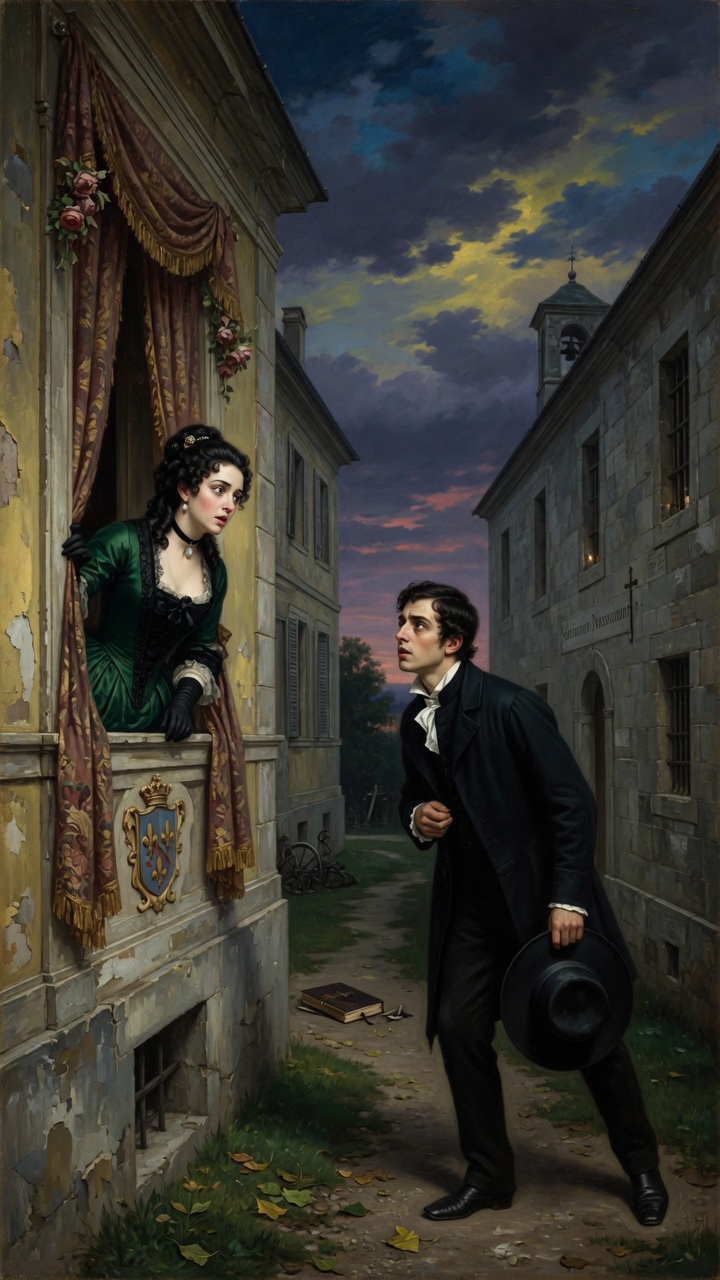
The Red and the Black
Stendhal · 1830
An ambitious carpenter’s son schemes and seduces his way up.
A sharp, sensual psychological climb through Restoration France toward a shocking fall.