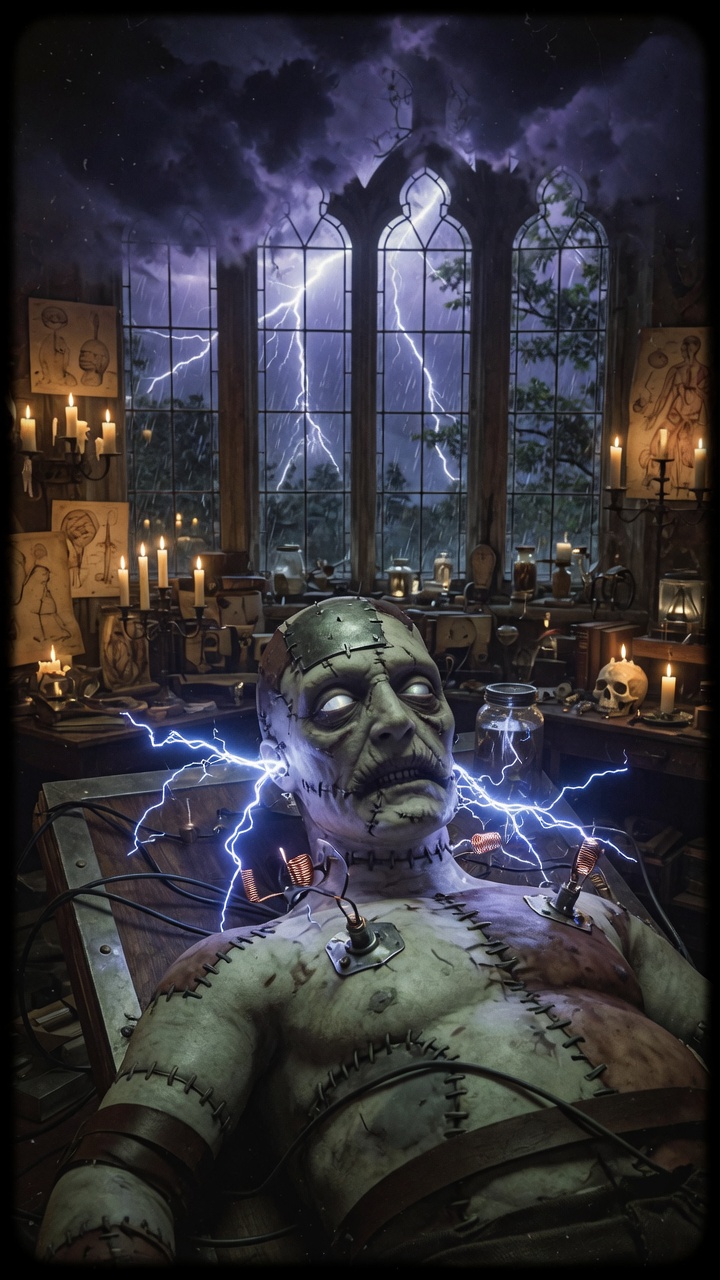
Frankenstein
Mary Shelley · 1818
He created life. Then he had to answer to it.
Eighteen-year-old Mary Shelley basically invented science fiction on a dare. A creator, his abandoned creation, and the question of who's the real monster.
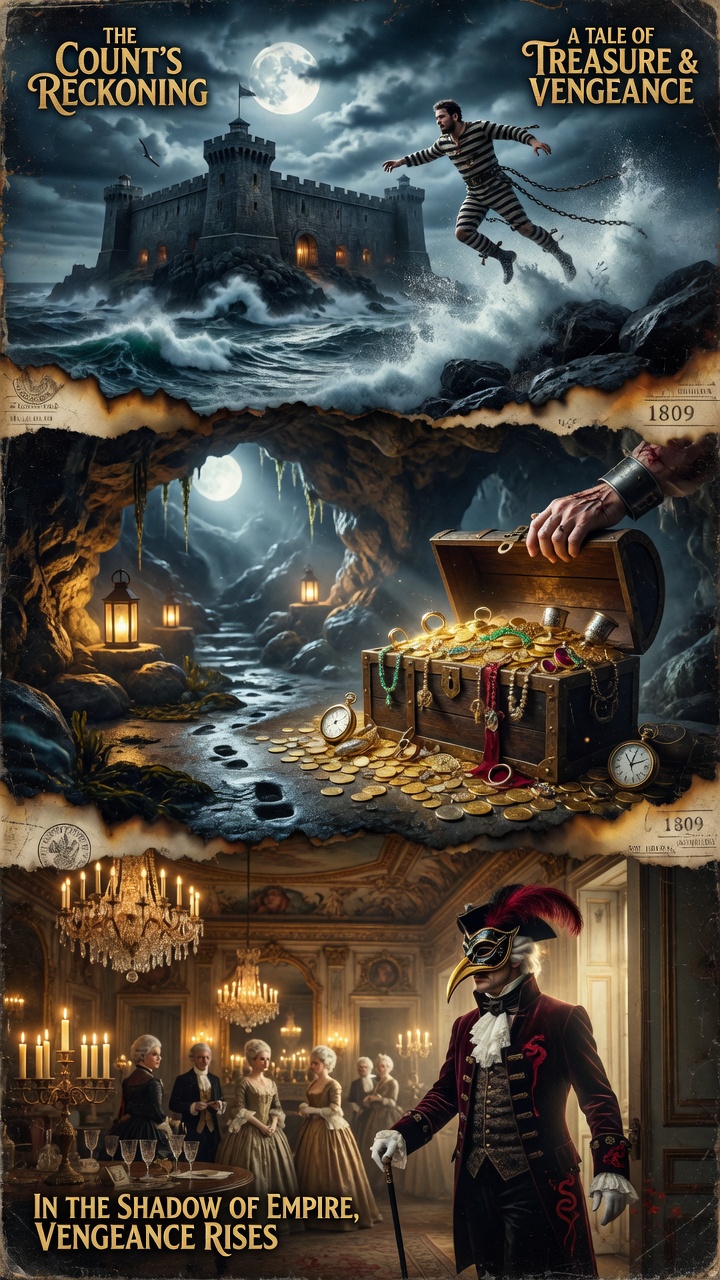
The Count of Monte Cristo
Alexandre Dumas · 1844
Betrayed. Buried alive. Reborn rich. Time to collect.
The greatest revenge story ever told. A wronged man escapes an island prison, claims a hidden fortune, and spends years dismantling his enemies one by one.
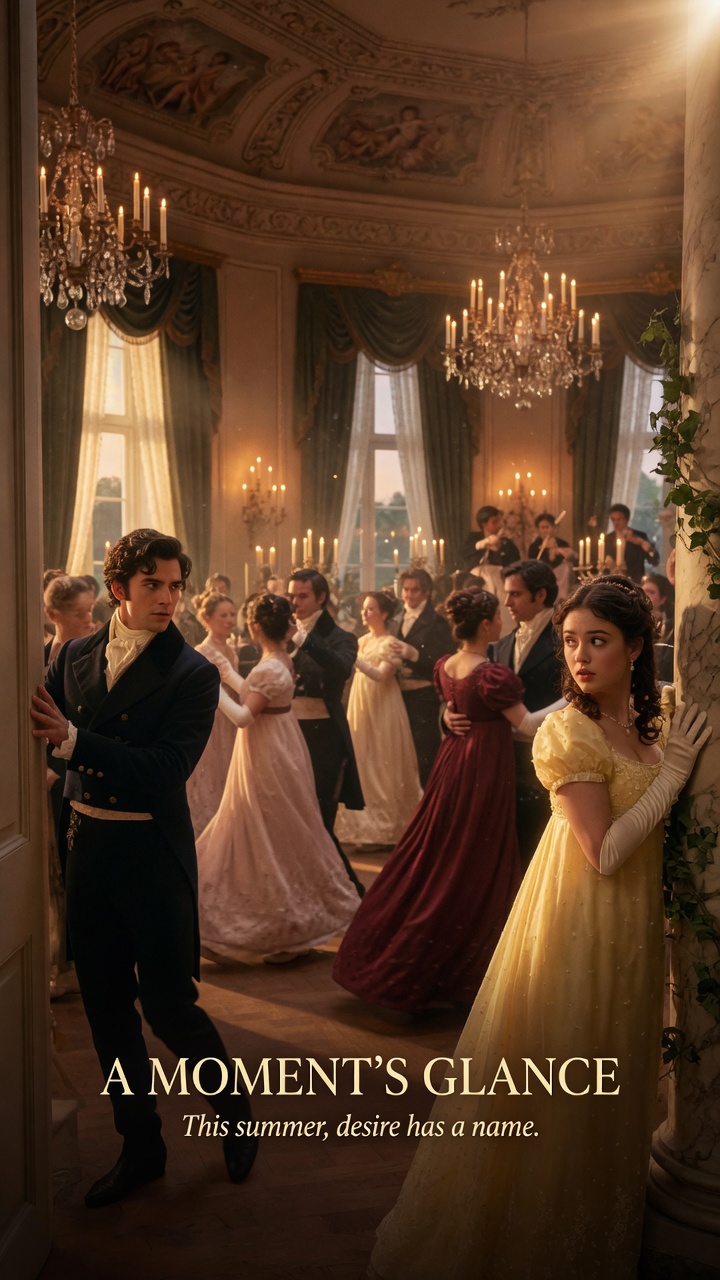
Pride and Prejudice
Jane Austen · 1813
Two stubborn hearts. One very long misunderstanding.
The enemies-to-lovers blueprint. Sharp, funny, and the slowest of slow burns — Elizabeth and Darcy can't stand each other, which is exactly how you know.
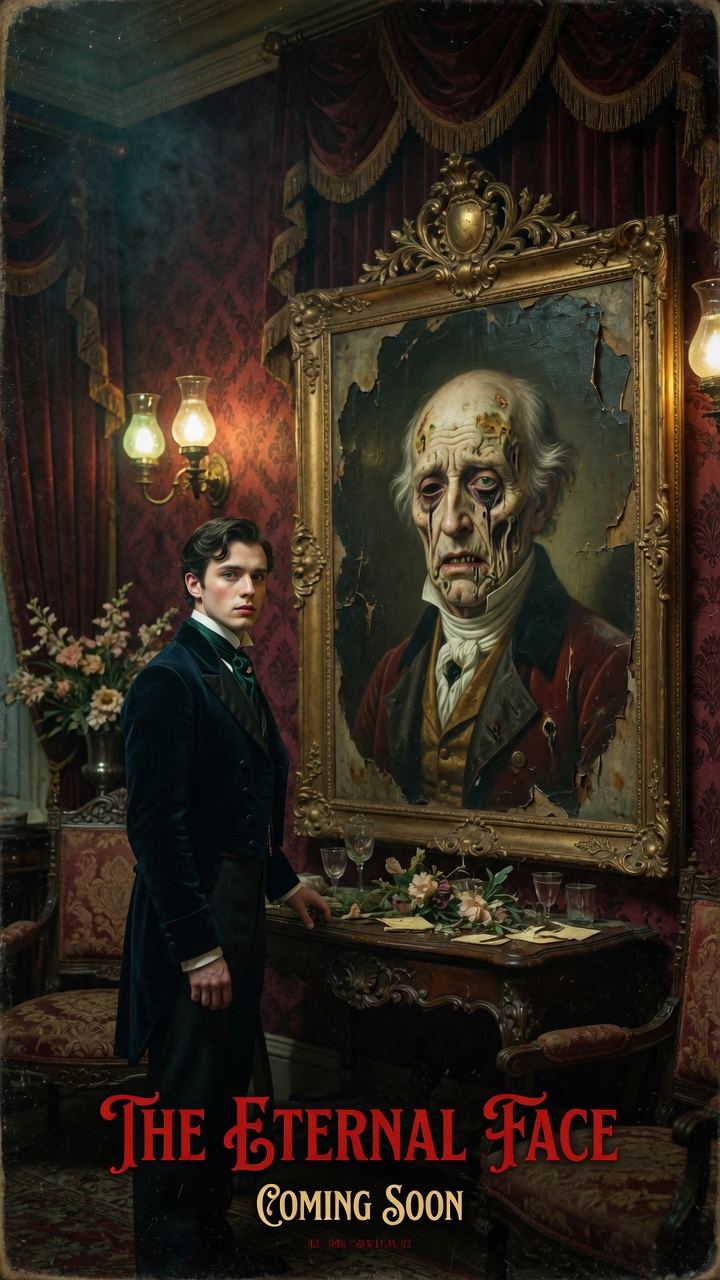
The Picture of Dorian Gray
Oscar Wilde · 1890
He stays young forever. His portrait pays the price.
A beautiful man, a cursed painting, and a slow slide into pure decadence. Oscar Wilde at his most wicked — and his most quotable.
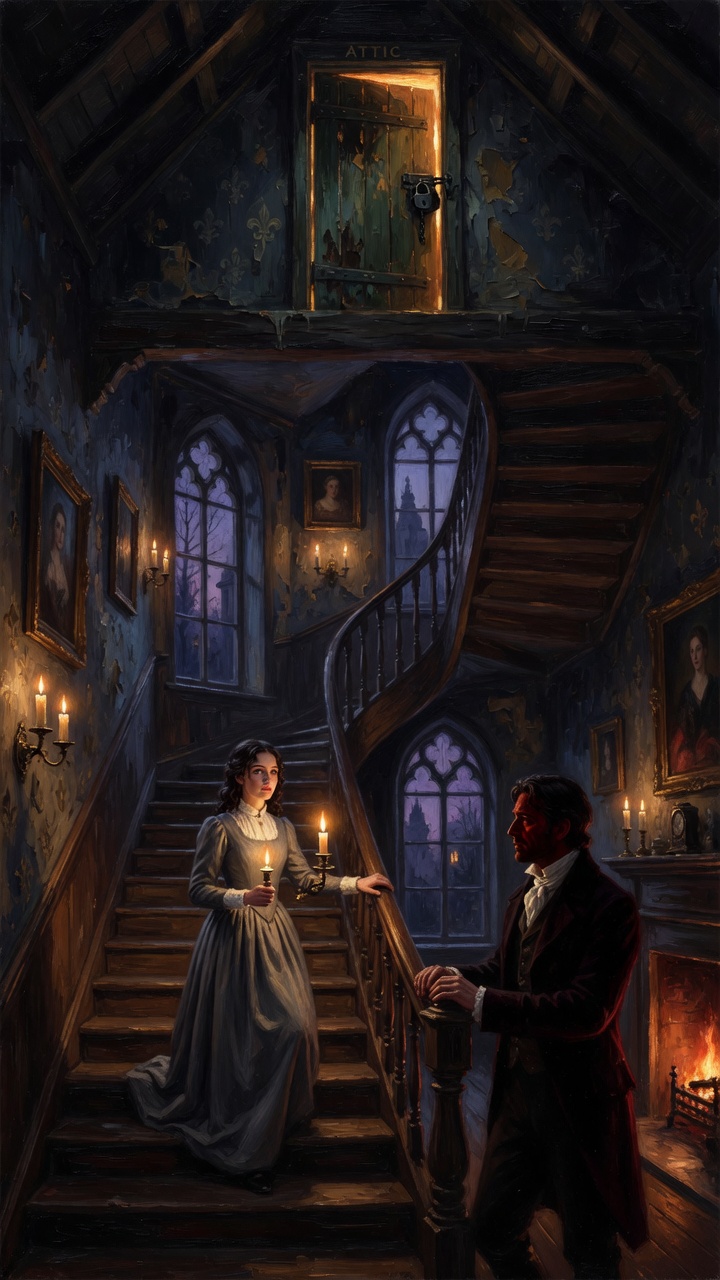
Jane Eyre
Charlotte Brontë · 1847
A penniless governess. A brooding master. A secret locked upstairs.
The original slow-burn romance with a spine of steel. Plain, poor, and refusing to be anyone's fool — Jane is the heroine every modern love story is still copying.
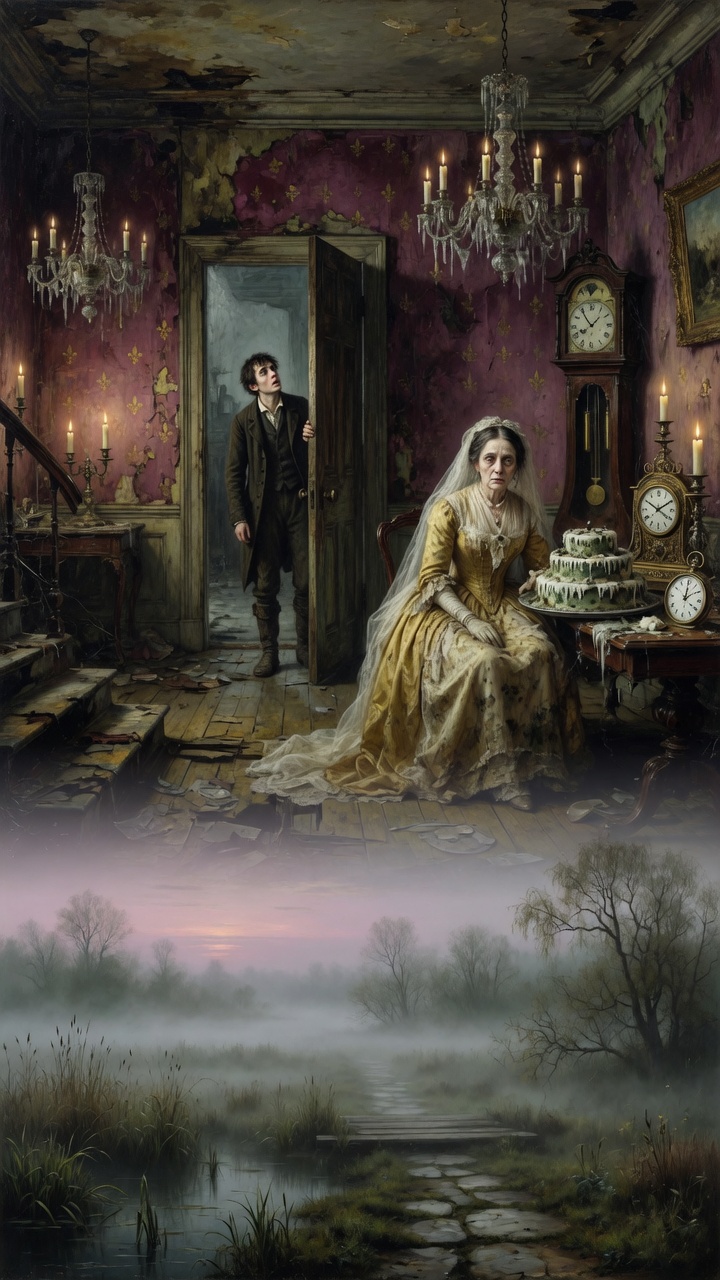
Great Expectations
Charles Dickens · 1861
A poor boy. A secret fortune. A benefactor he never expected.
Dickens at his richest: a blacksmith's boy yanked into wealth and heartbreak, a jilted bride frozen in time, and the mystery of who's really behind it all.
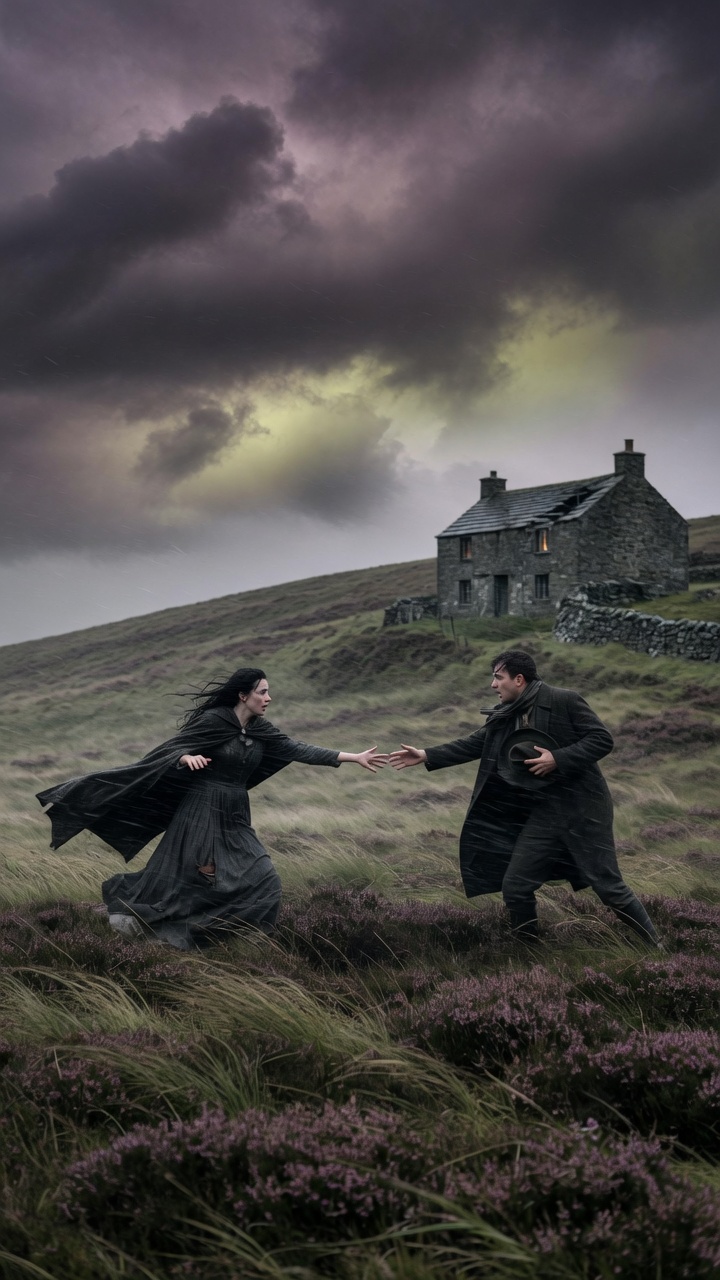
Wuthering Heights
Emily Brontë · 1847
A love so fierce it outlives them both — and ruins everyone.
Not a cozy romance — a storm. Obsessive, doomed, and savage, Heathcliff and Cathy's bond is the wildest love story in the language.
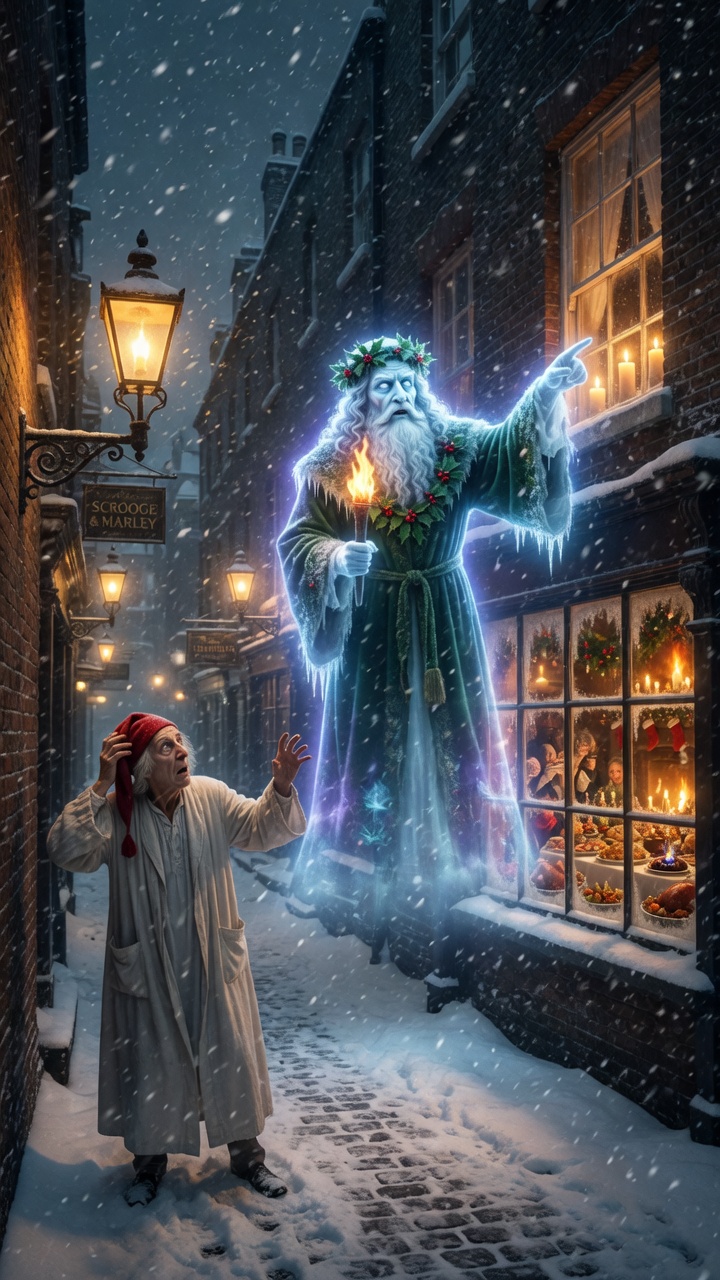
A Christmas Carol
Charles Dickens · 1843
One cold night. Three ghosts. One last chance to change.
The redemption story that invented modern Christmas. A miser, three spirits, and a single night that thaws a frozen heart. Gets you every single time.
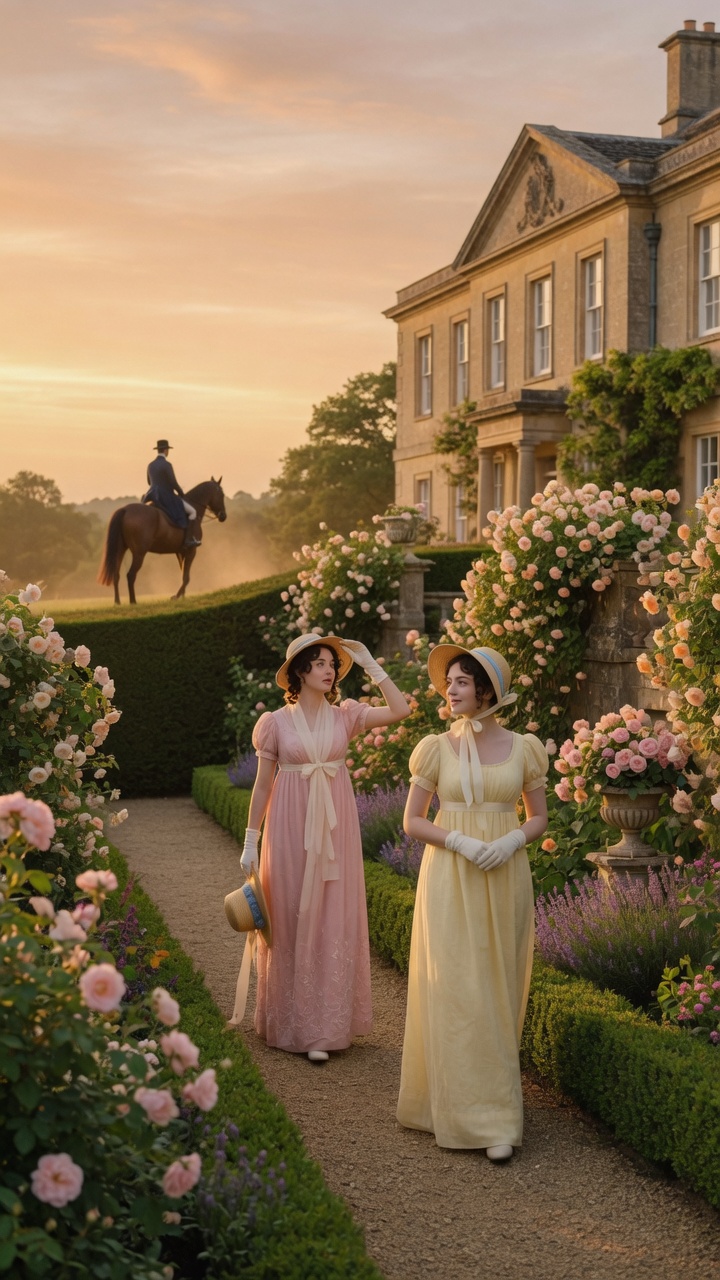
Sense and Sensibility
Jane Austen · 1811
Two sisters. Two ways to fall in love. Both get their hearts broken.
Austen's wit at full sparkle: head-versus-heart sisters navigating cads, heartbreak, and the marriage market. Swoony, funny, and quietly devastating.
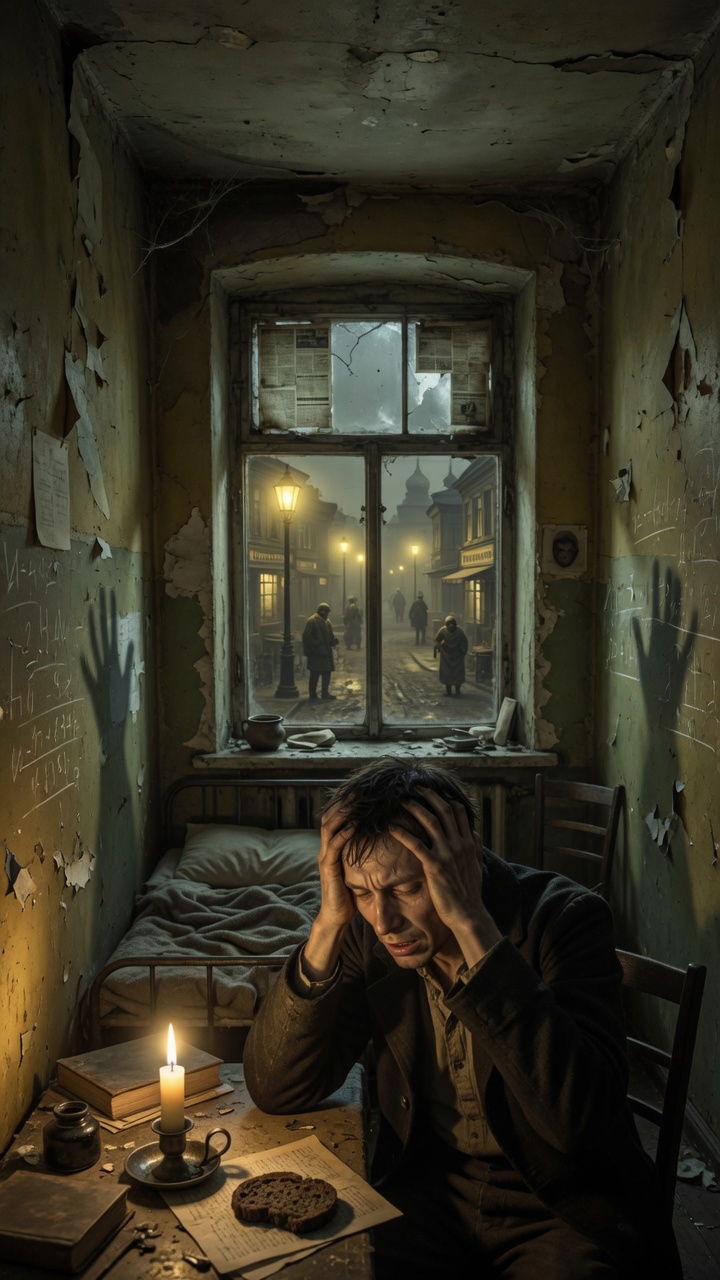
Crime and Punishment
Fyodor Dostoevsky · 1866
He thought he was above the law. His conscience disagreed.
A feverish descent into a killer's mind — guilt, dread, and the long road to redemption in the slums of St. Petersburg. Tense as any thriller, deep as it gets.
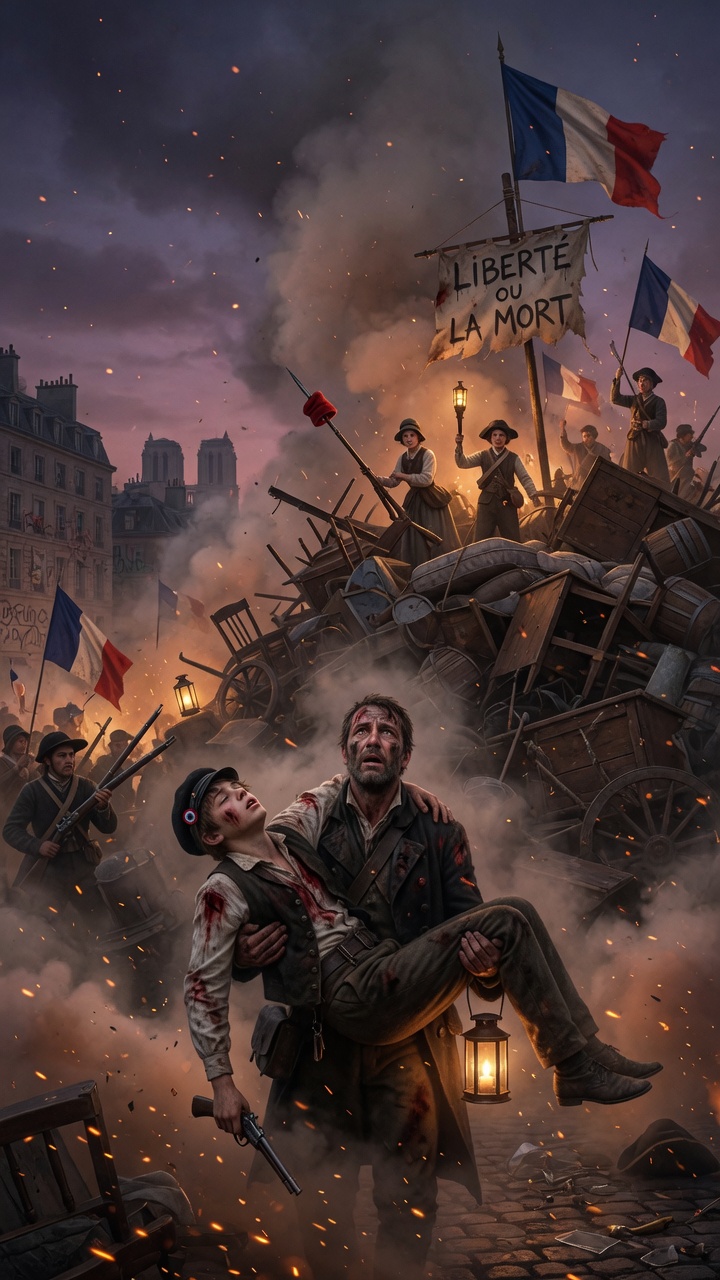
Les Misérables
Victor Hugo · 1862
One stolen loaf. Twenty years hunted. A revolution to die for.
Hugo's towering epic of mercy and obsession — an ex-convict chasing redemption, a relentless cop, and a barricade in revolutionary Paris. Sweeping and unforgettable.
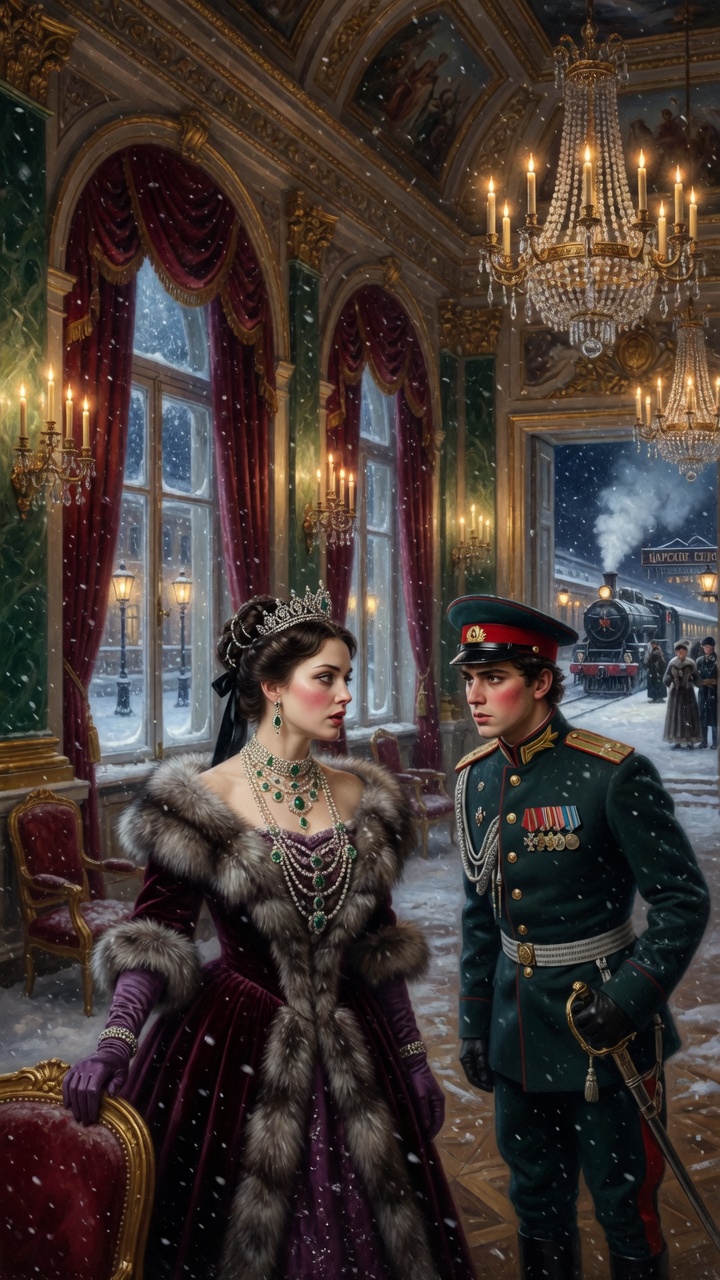
Anna Karenina
Leo Tolstoy · 1878
She risked everything for love. Society made her pay.
Tolstoy's sweeping tragedy of a passionate affair that defies a glittering, hypocritical society. Devastating, gorgeous, and impossibly human.
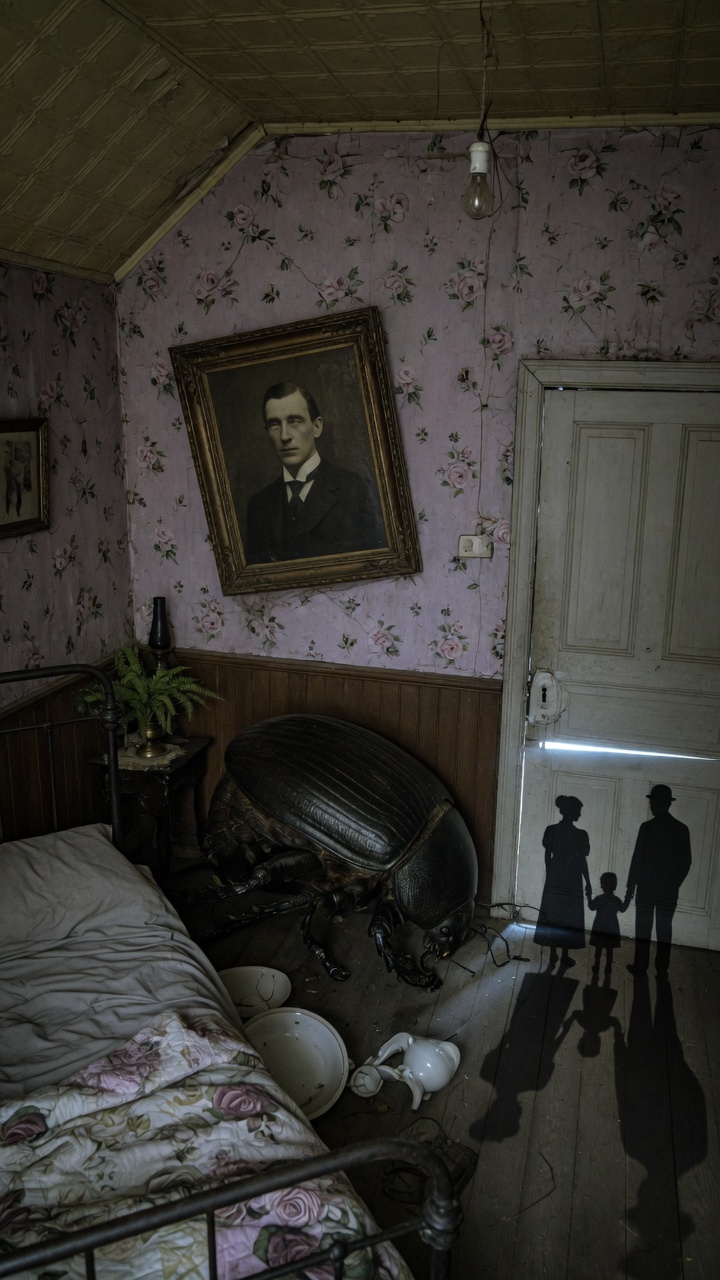
The Metamorphosis
Franz Kafka · 1915
He woke up as a giant insect. His family's reaction is the real horror.
Kafka's nightmare fable: a man transformed into a bug overnight, and the slow, devastating way his family stops seeing him as human. Strange and unforgettable.
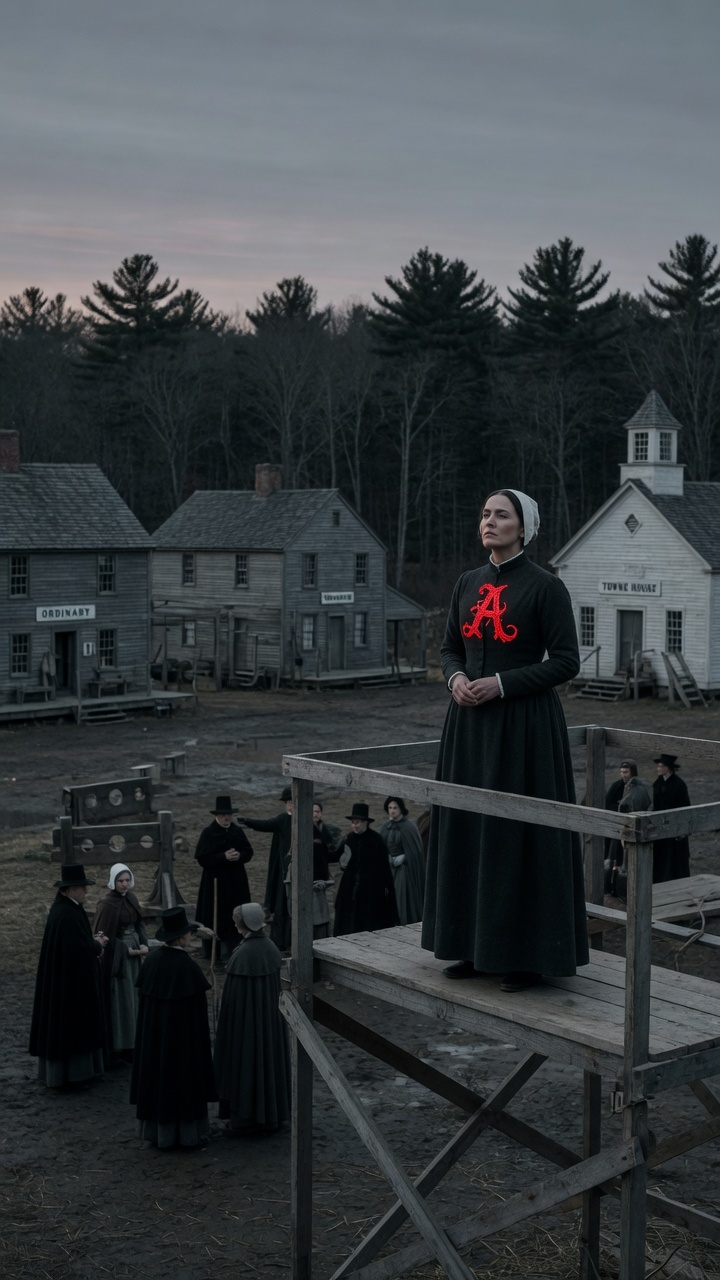
The Scarlet Letter
Nathaniel Hawthorne · 1850
One scarlet letter. A whole town's judgment. A secret she'll die to keep.
A blazing story of sin, shame, and defiance in Puritan New England — a woman who refuses to name her child's father and wears her scandal like armor.
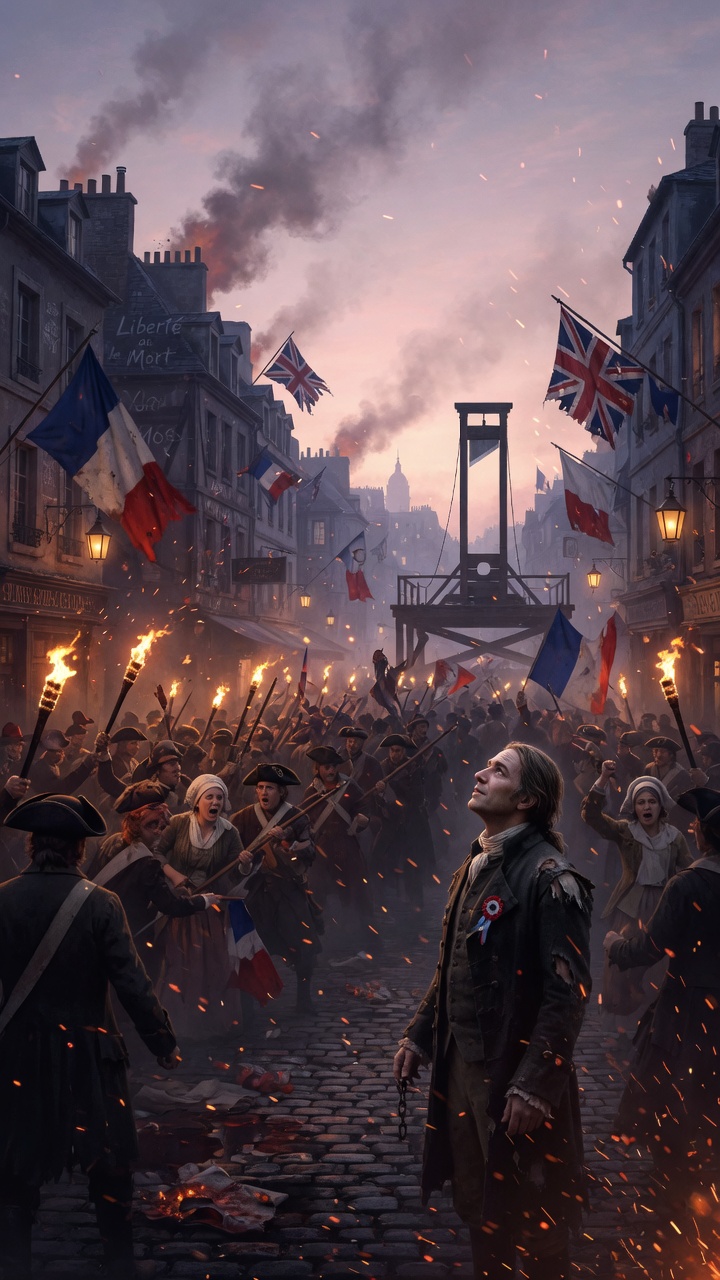
A Tale of Two Cities
Charles Dickens · 1859
It was the best of times. It was the worst of times.
Love and sacrifice against the guillotine of the French Revolution. Dickens at his most thrilling and heartbreaking — with one of the greatest endings ever written.

Heart of Darkness
Joseph Conrad · 1899
Up the river, into the dark, after a man who became a god.
A hypnotic voyage up the Congo toward the mysterious Mr. Kurtz — and into the shadows of the human soul. Short, haunting, and endlessly debated.
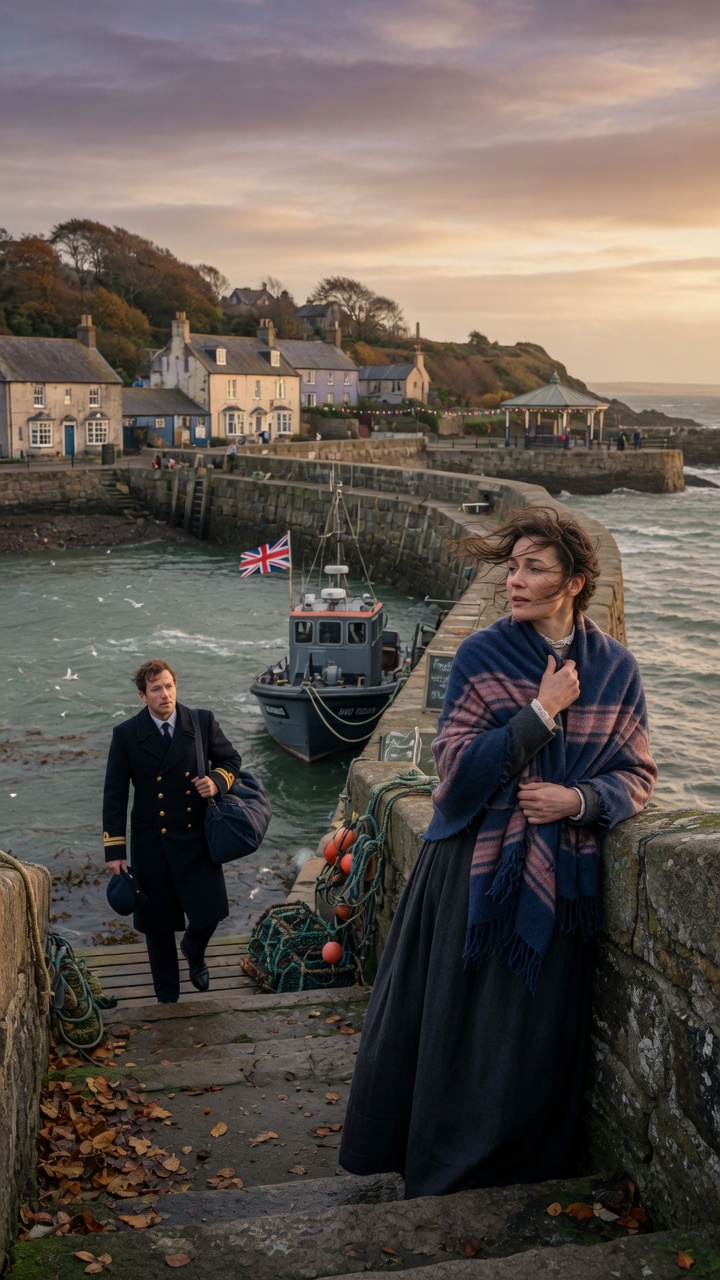
Persuasion
Jane Austen · 1817
Second chances, and the love she let slip away.
Austen's most aching, grown-up romance — a quiet woman and the man she was talked out of marrying.
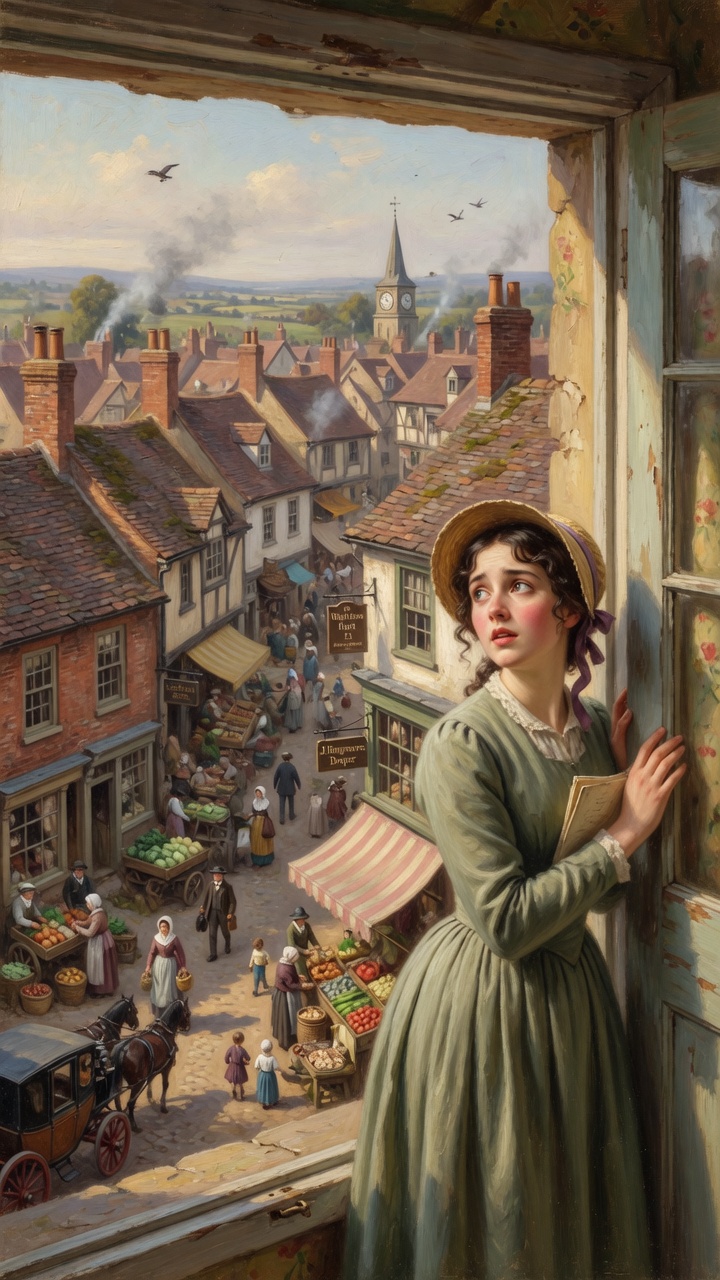
Middlemarch
George Eliot · 1871
A whole town, a few bad marriages, and one woman who wanted more.
Often called the greatest English novel — an entire community rendered with stunning humanity.
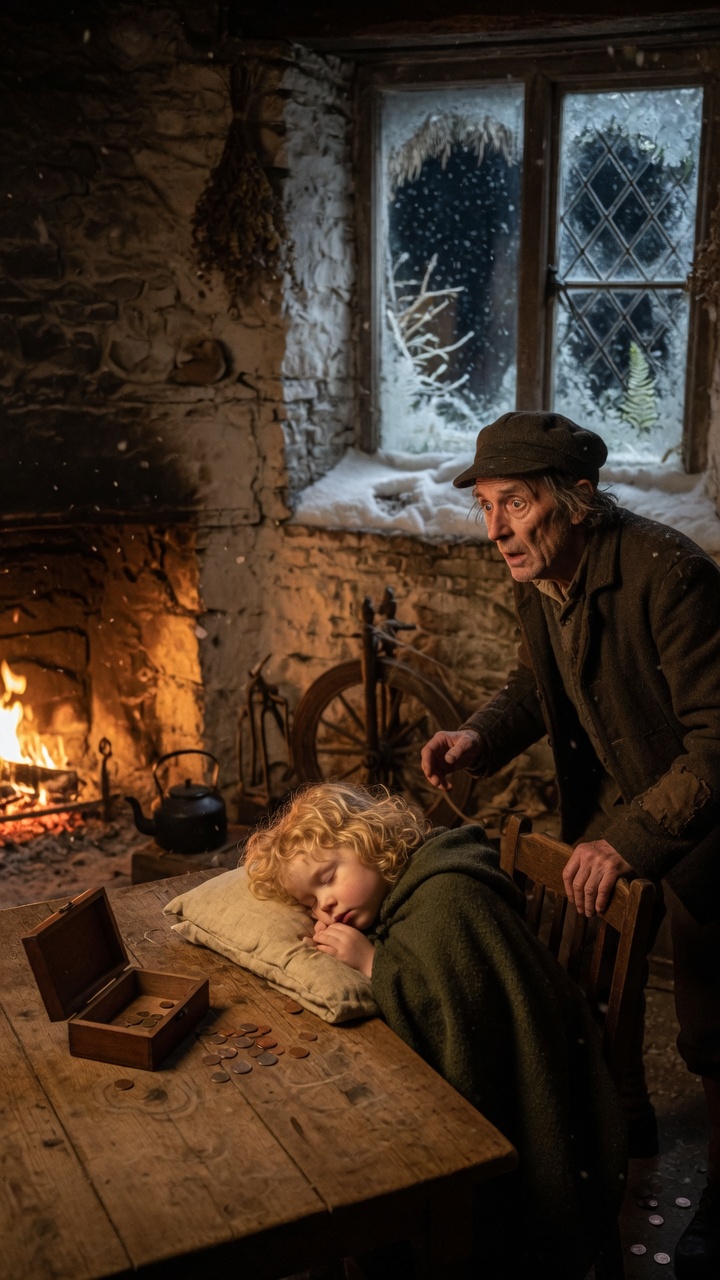
Silas Marner
George Eliot · 1861
A bitter miser loses his gold and finds a golden-haired child.
A lonely weaver hoarding coins is redeemed when an orphan toddles into his life.
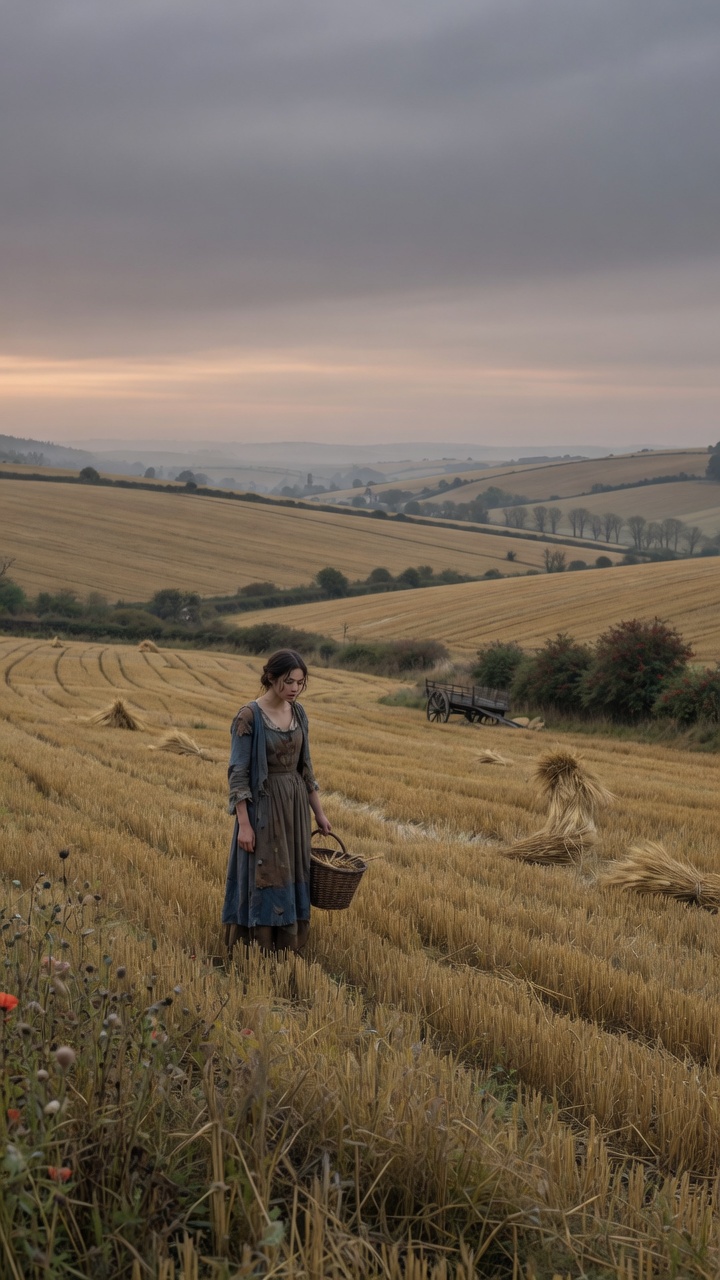
Tess of the d'Urbervilles
Thomas Hardy · 1891
A good woman, a cruel world, and a fate that will not let go.
Hardy's heartbreaking tragedy of a country girl punished for things that were never her fault.
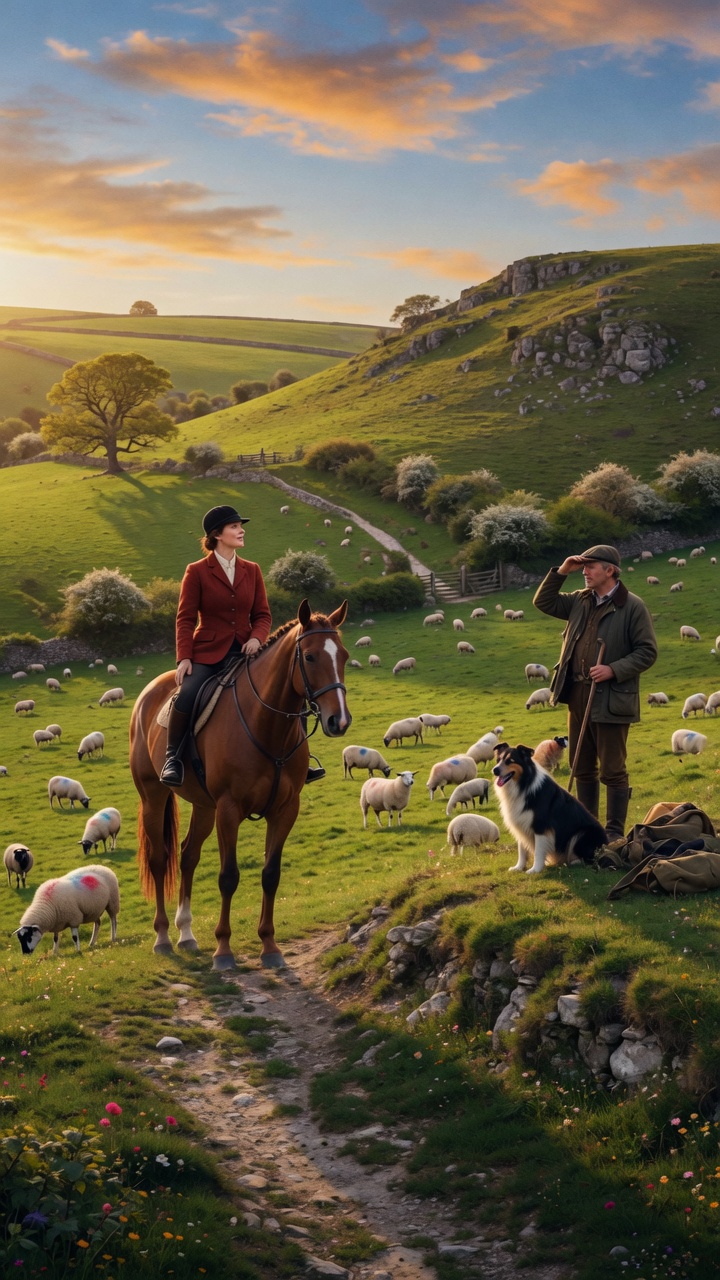
Far from the Madding Crowd
Thomas Hardy · 1874
One independent woman. Three very different suitors.
A spirited farm owner is courted by a shepherd, a soldier, and a gentleman — only one truly sees her.
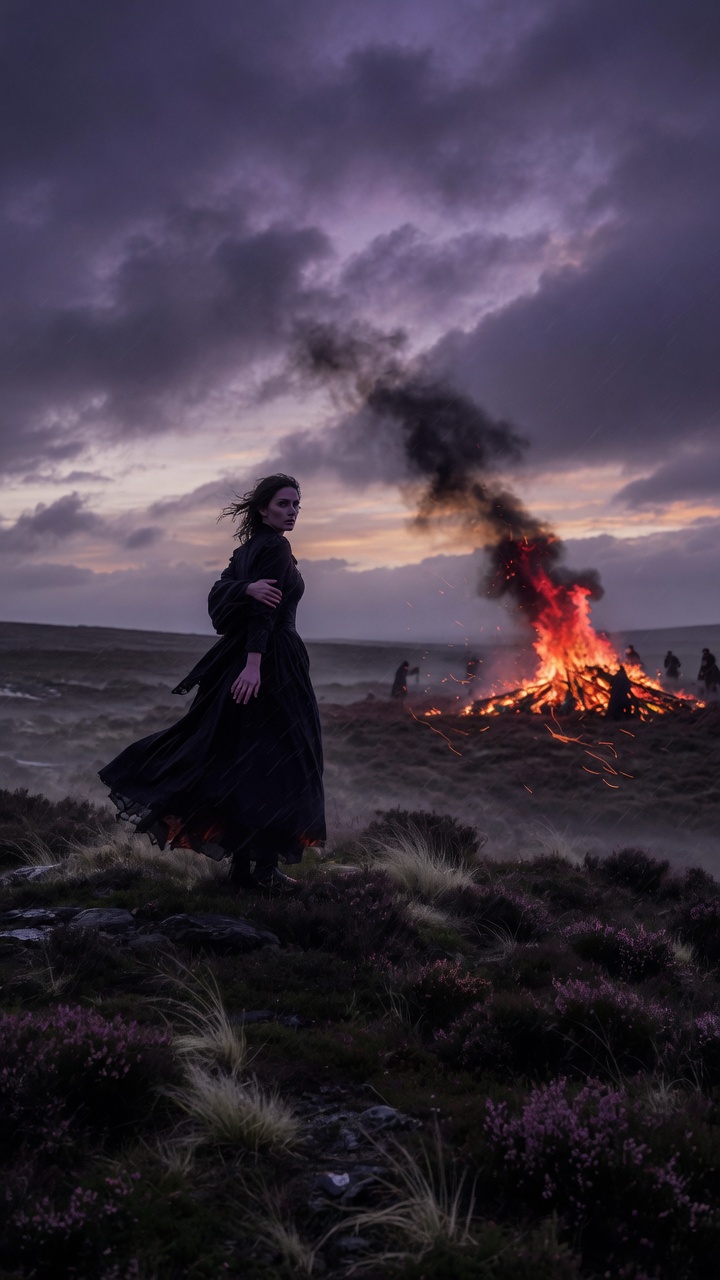
The Return of the Native
Thomas Hardy · 1878
On the wild heath, every passion ends in ruin.
Hardy makes a brooding moorland the real character in a doomed tangle of love and ambition.
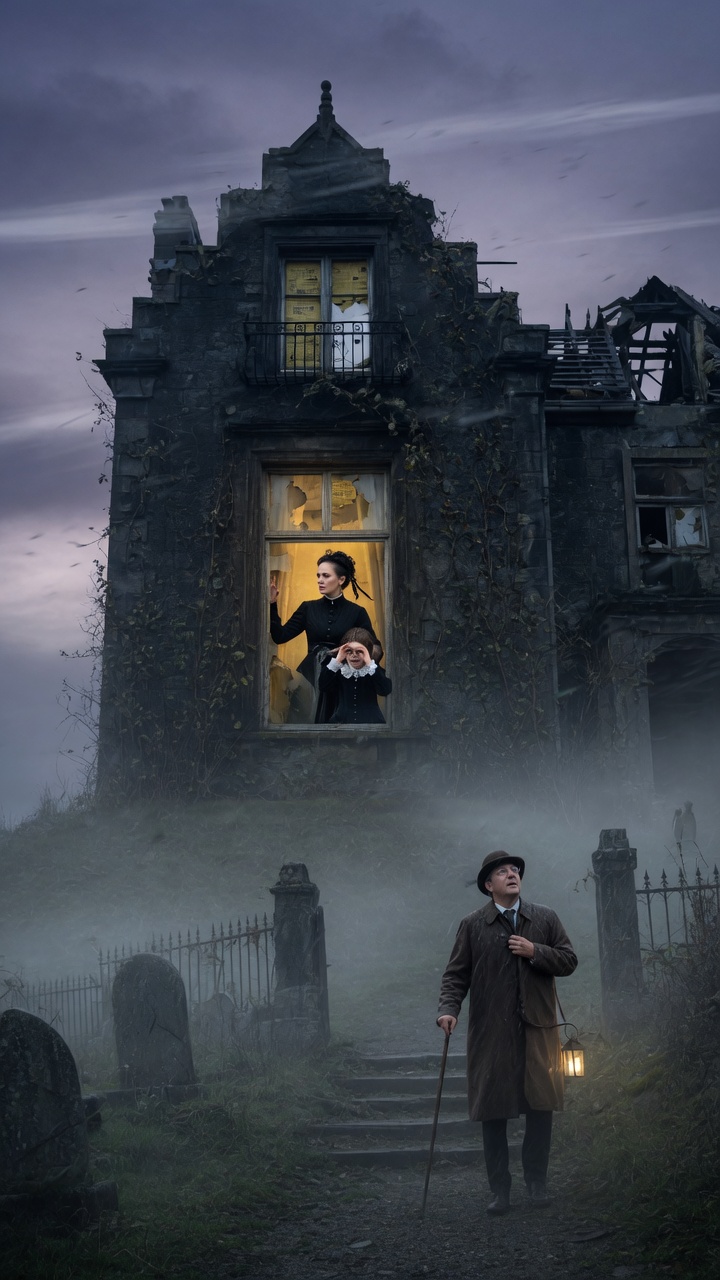
The Tenant of Wildfell Hall
Anne Brontë · 1848
A mysterious widow with a secret worth fleeing for.
A fierce, far-ahead-of-its-time novel about a woman escaping a ruinous marriage.
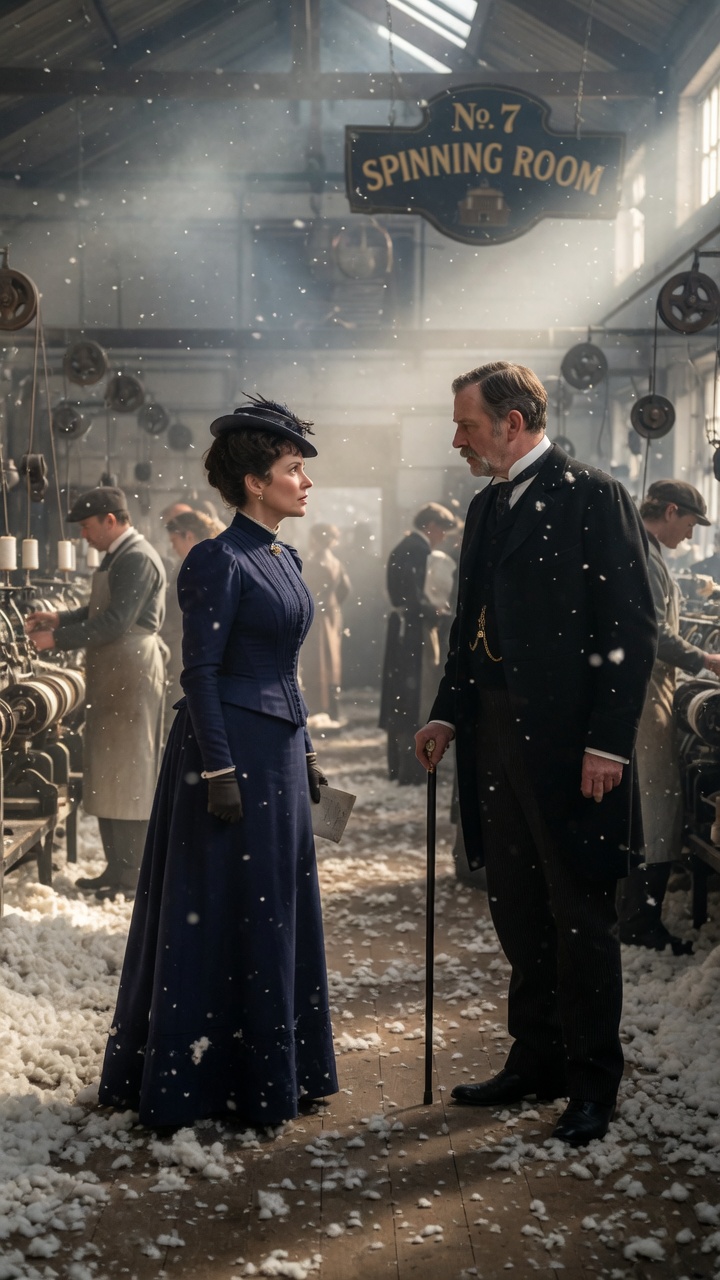
North and South
Elizabeth Gaskell · 1855
A southern gentlewoman, a northern mill master, and a slow-burn clash.
Enemies-to-lovers against the smoke and strikes of the industrial north. Pure Victorian tension.
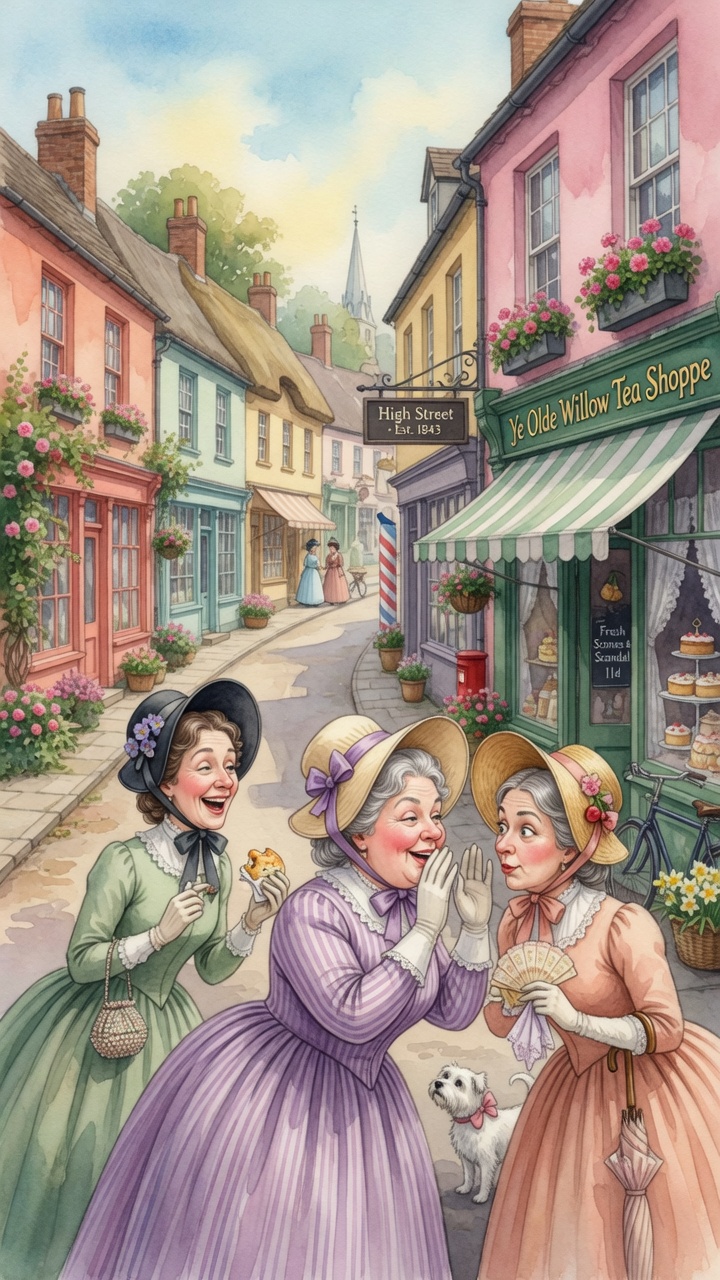
Cranford
Elizabeth Gaskell · 1853
A village run entirely by wonderfully fussy old ladies.
Gentle, funny, and warm — small-town life among genteel spinsters who guard their dignity fiercely.
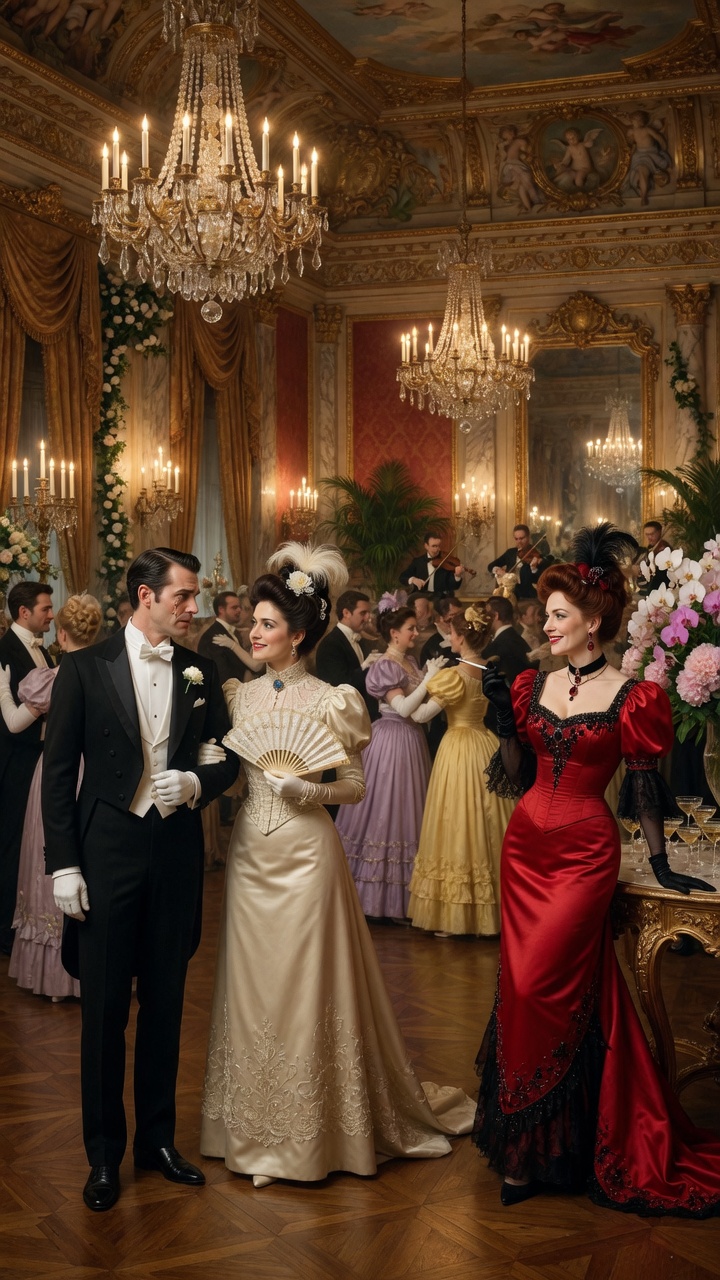
The Age of Innocence
Edith Wharton · 1920
He had the perfect match. Then he met her cousin.
Wharton's Pulitzer-winning portrait of desire strangled by the rules of high society.
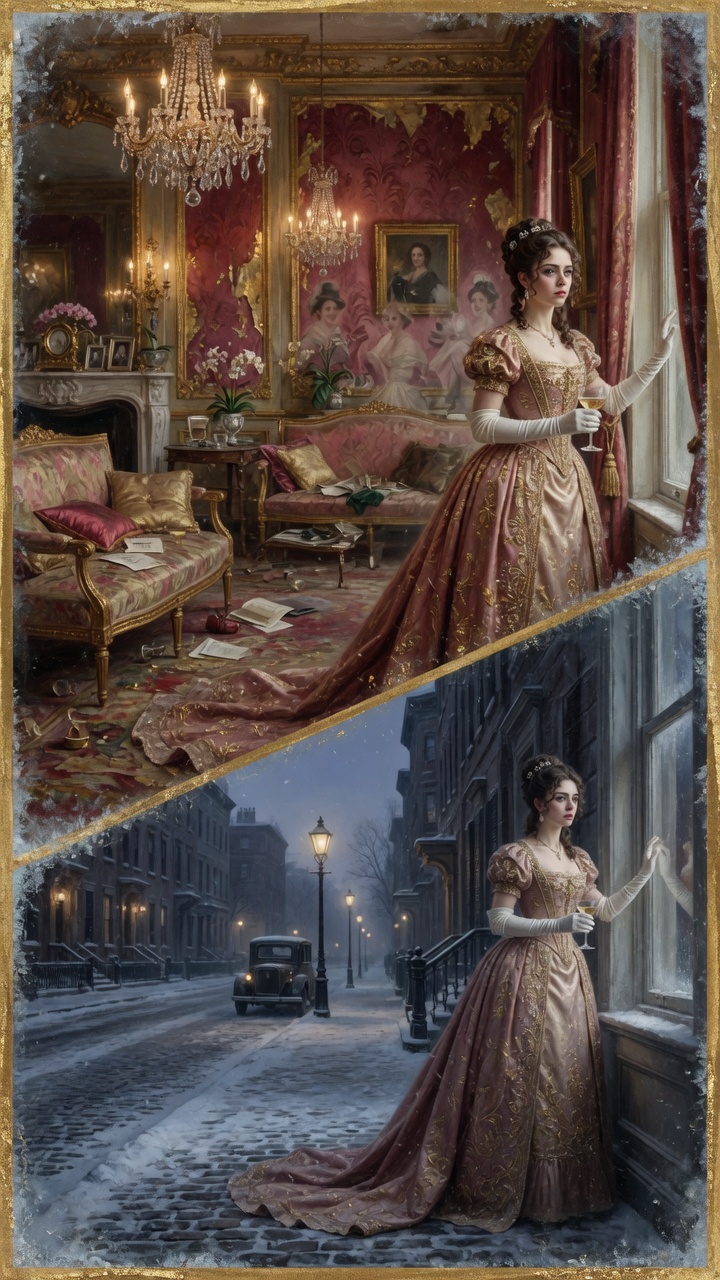
The House of Mirth
Edith Wharton · 1905
A beautiful woman, one social misstep from ruin.
A dazzling socialite gambles on marriage and watches New York society close ranks against her.
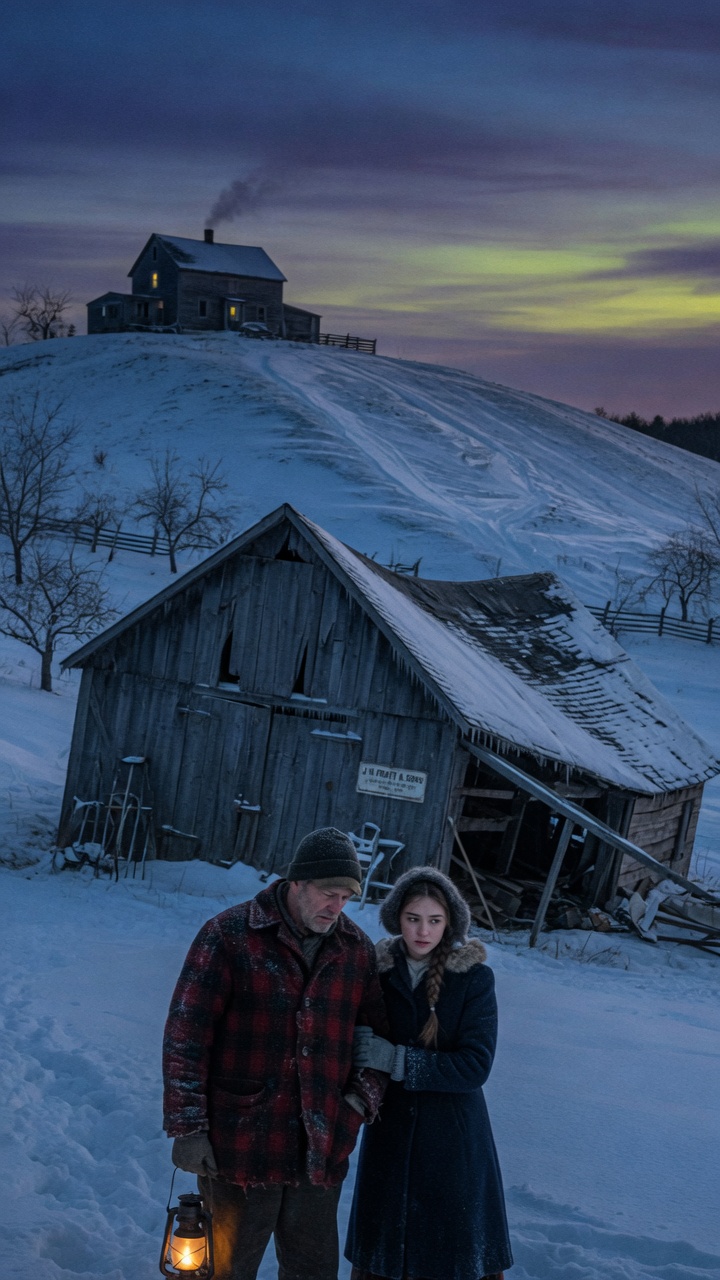
Ethan Frome
Edith Wharton · 1911
A frozen marriage, a forbidden love, one reckless sled.
A bleak, unforgettable New England tragedy of a man trapped between duty and longing.

The Awakening
Kate Chopin · 1899
A wife discovers she wants a life of her own.
A scandalous, beautiful novel about a woman awakening to desire and selfhood by the sea.
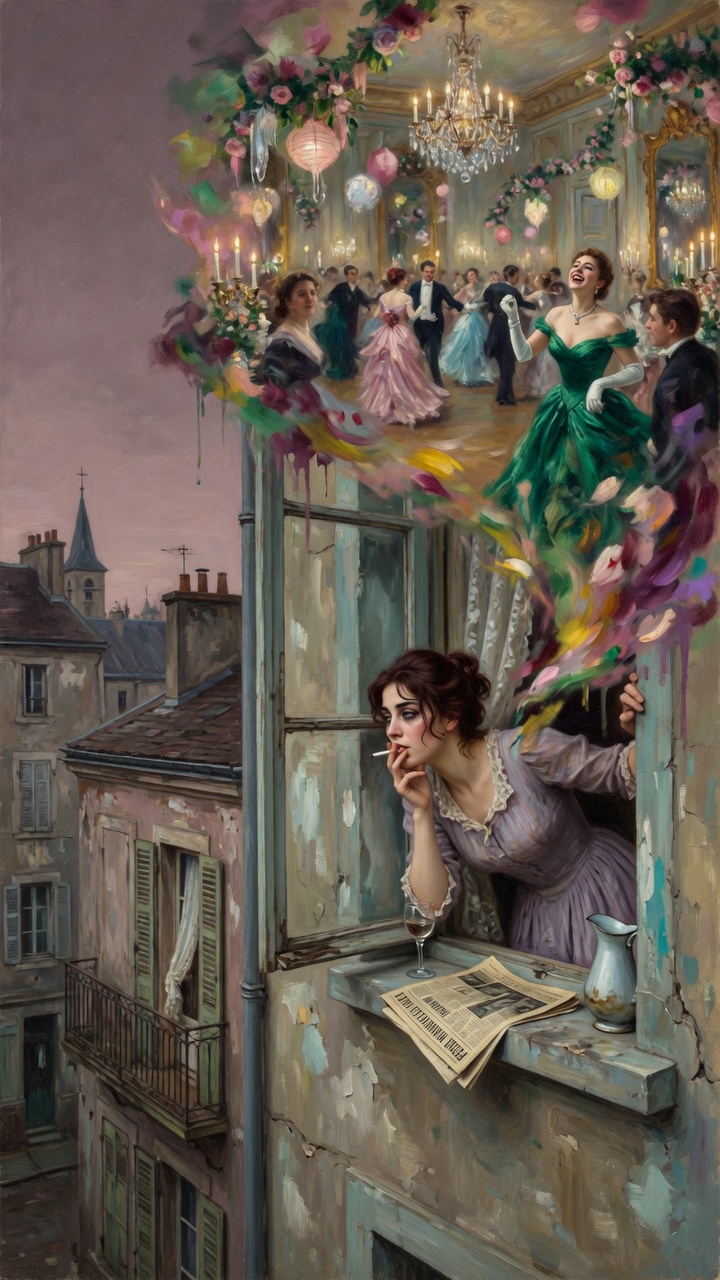
Madame Bovary
Gustave Flaubert · 1857
A dreamer who wanted passion and bought debt instead.
A bored provincial wife chases romance-novel fantasies straight toward ruin. The original.
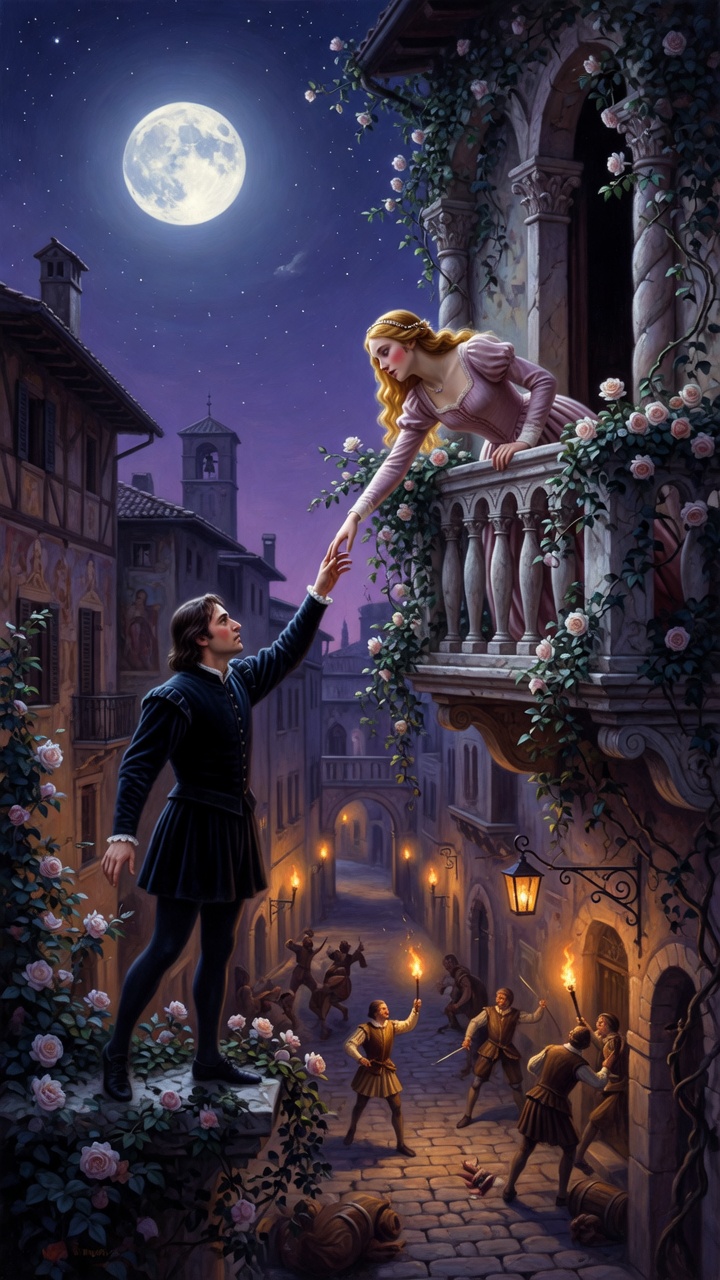
Romeo and Juliet
William Shakespeare · 1597
Two families at war. Two kids in love. Five days.
The most famous love story ever written, and the blueprint for every doomed romance since.
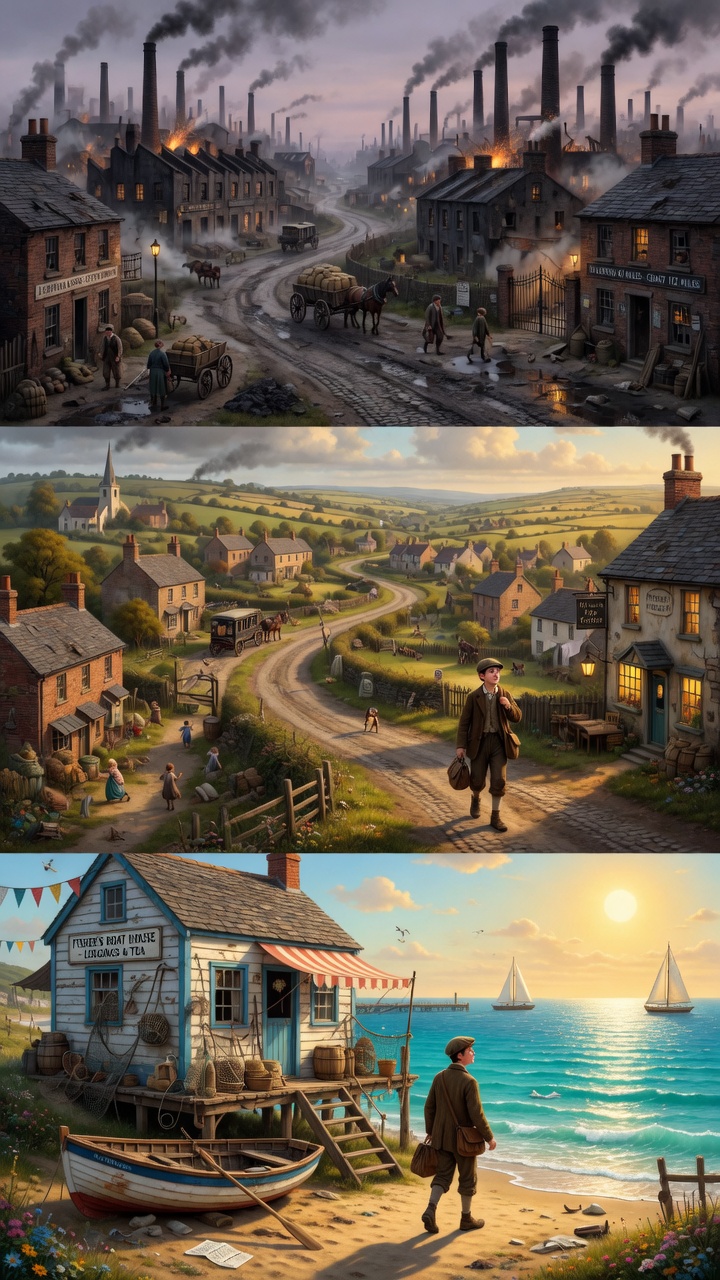
David Copperfield
Charles Dickens · 1850
One boy, a cruel start, and a long road to himself.
Dickens' most personal novel — a sweeping, warm coming-of-age packed with unforgettable characters.
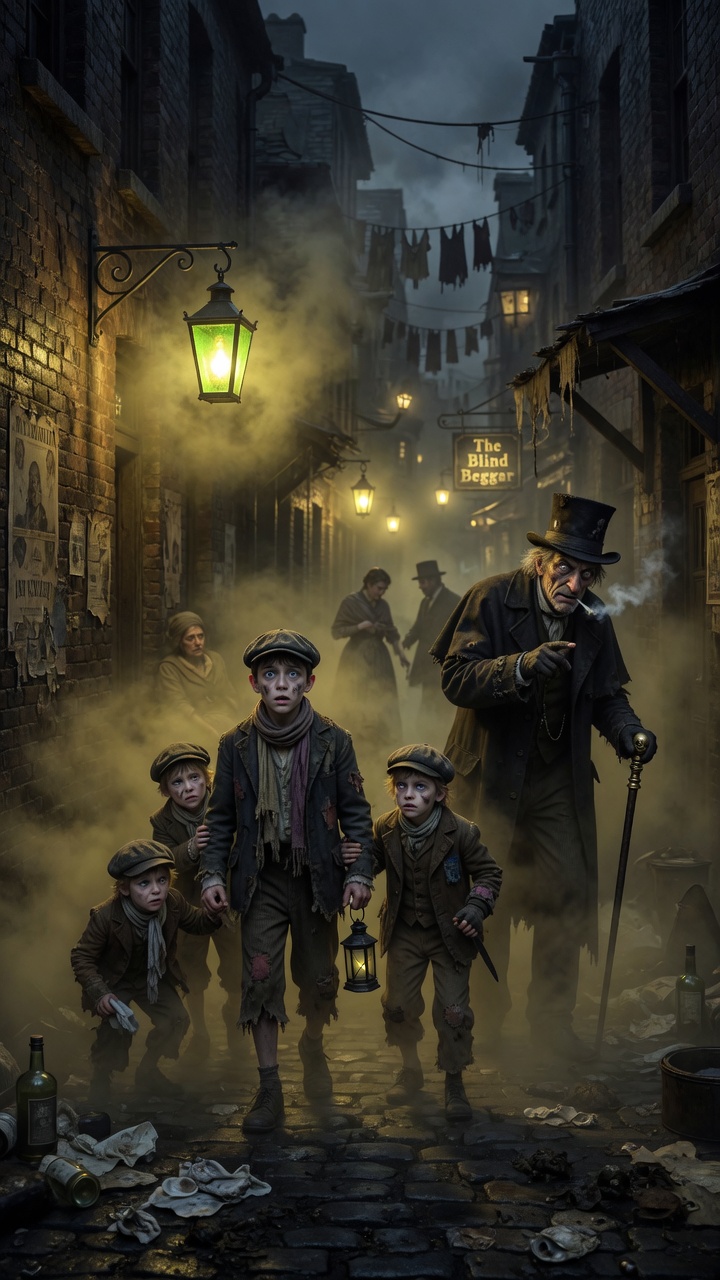
Oliver Twist
Charles Dickens · 1838
Please, sir — a boy, a gang of thieves, and a way out.
An orphan falls in with a pickpocket gang in the dark underbelly of Victorian London.
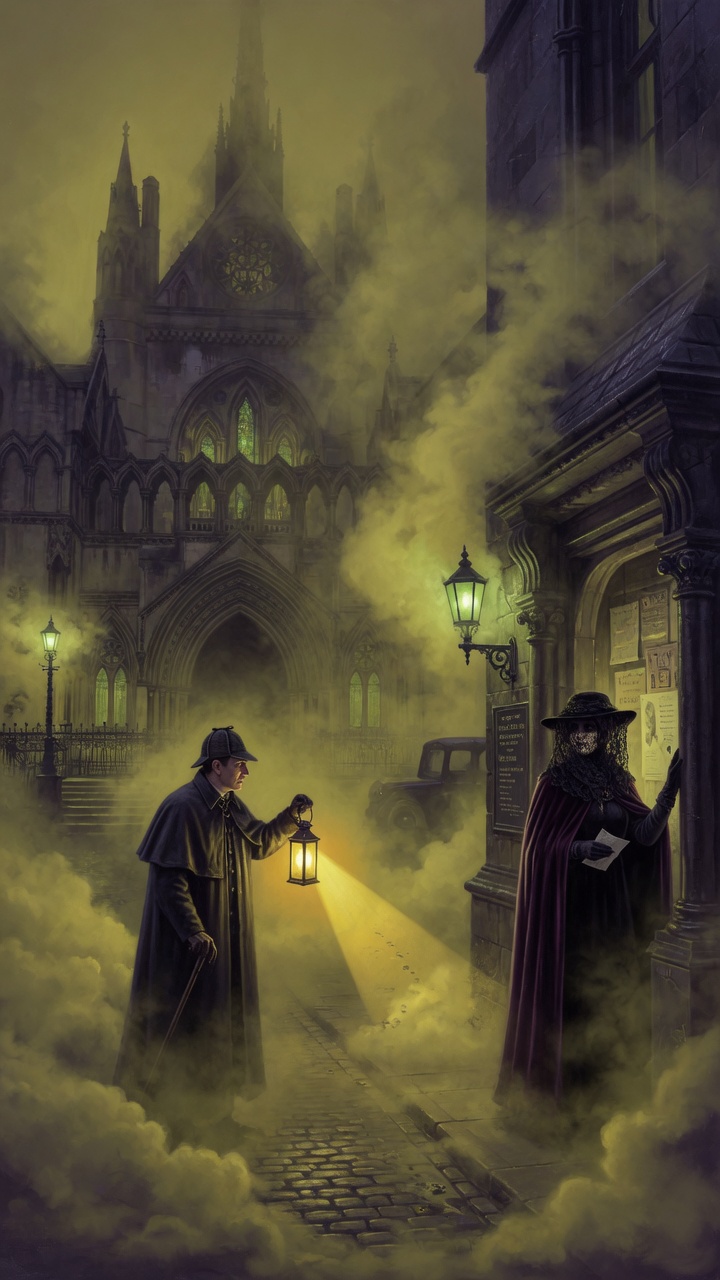
Bleak House
Charles Dickens · 1853
A cursed lawsuit, a hidden mother, a detective on the case.
Dickens invents the detective novel inside a sprawling fog of secrets and a ruinous court case.
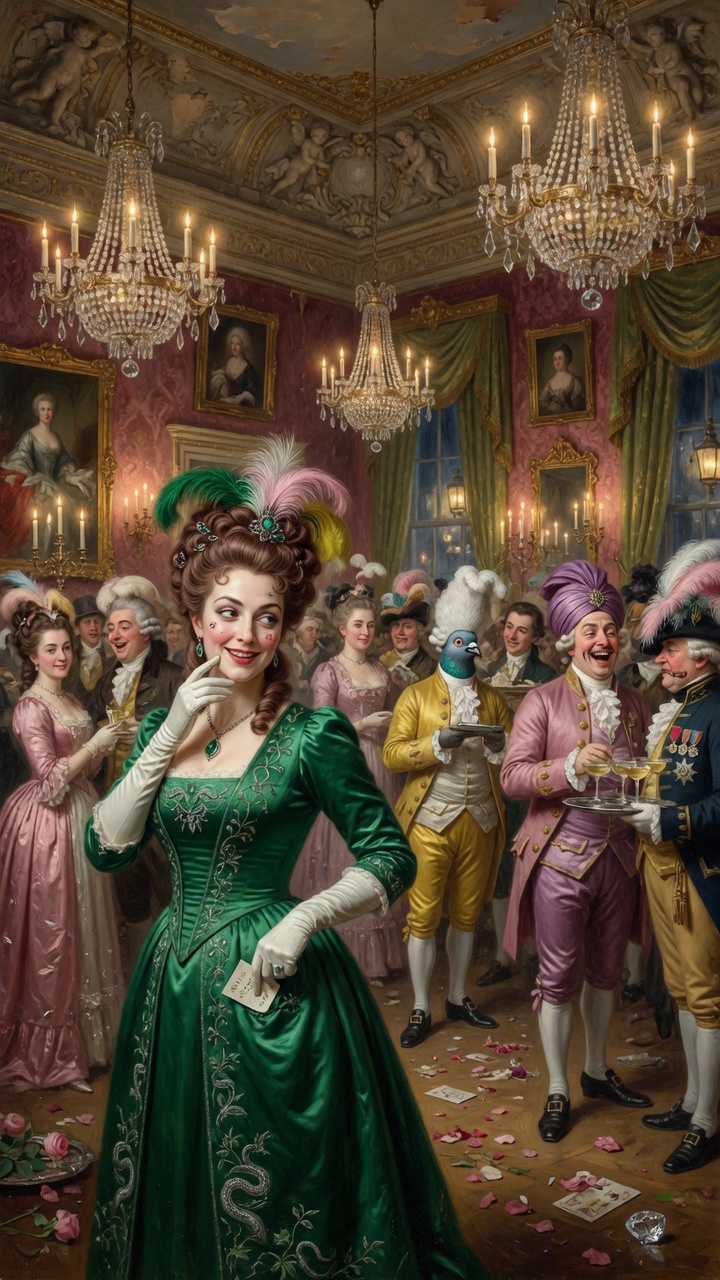
Vanity Fair
William Makepeace Thackeray · 1848
A scheming social climber with no scruples and infinite charm.
A 'novel without a hero' starring Becky Sharp, fiction's most deliciously ruthless schemer.
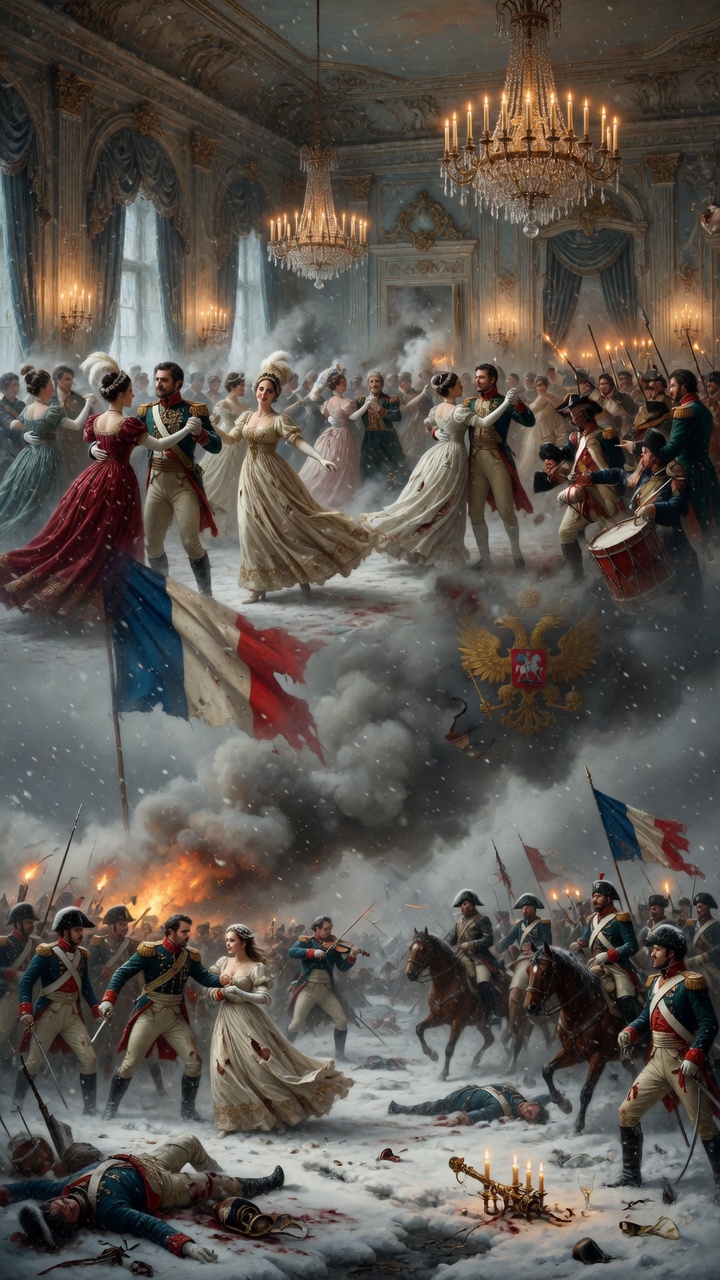
War and Peace
Leo Tolstoy · 1869
Love, war, and an empire under Napoleon.
The mountain of all novels — Russian aristocrats, vast battles, and the sweep of history itself.
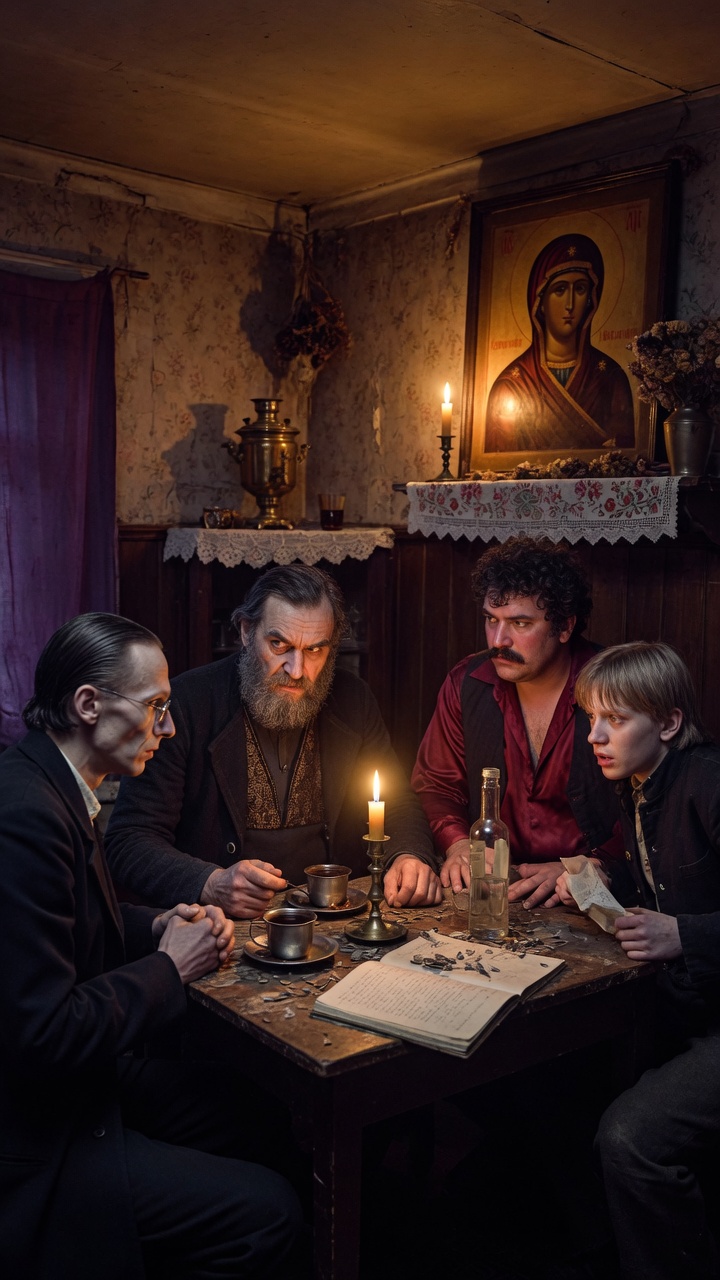
The Brothers Karamazov
Fyodor Dostoevsky · 1880
Three brothers, one murdered father, and the question of God.
Dostoevsky's towering final masterpiece — a murder mystery that's really about faith and free will.
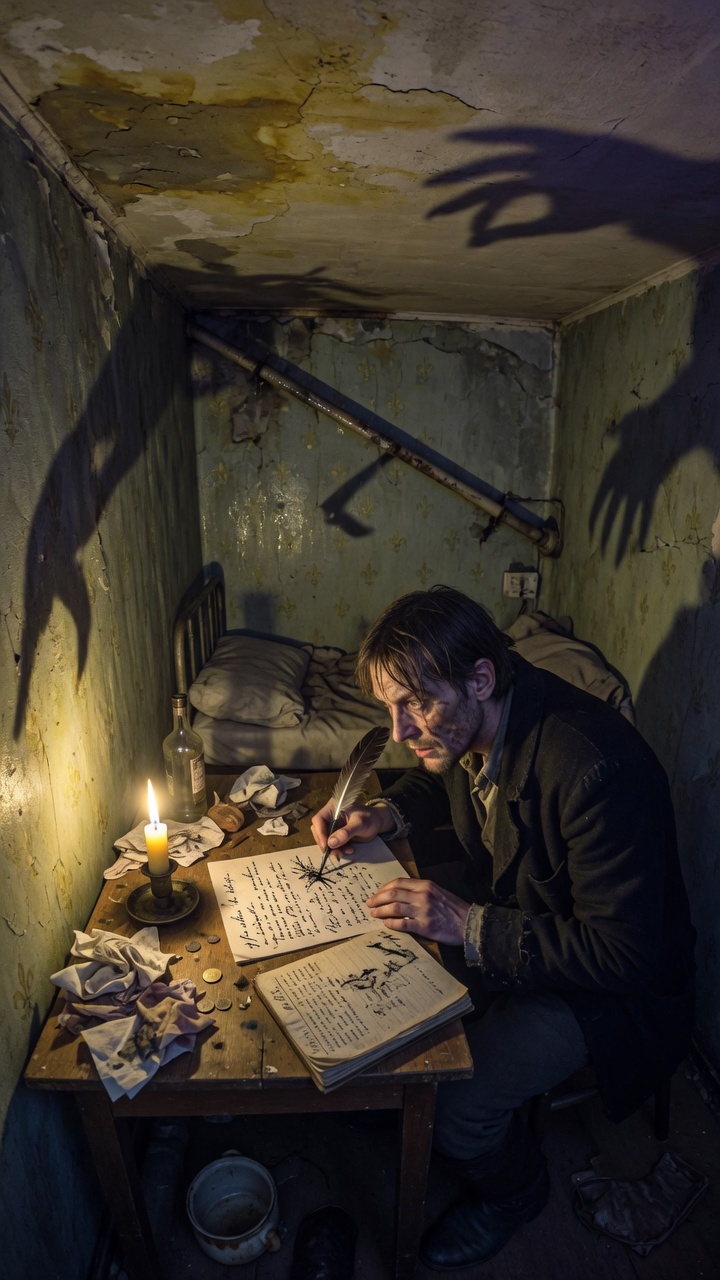
Notes from the Underground
Fyodor Dostoevsky · 1864
A bitter man narrates his own beautiful self-destruction.
The first existential novel — a spiteful, brilliant voice from the basement of the human mind.
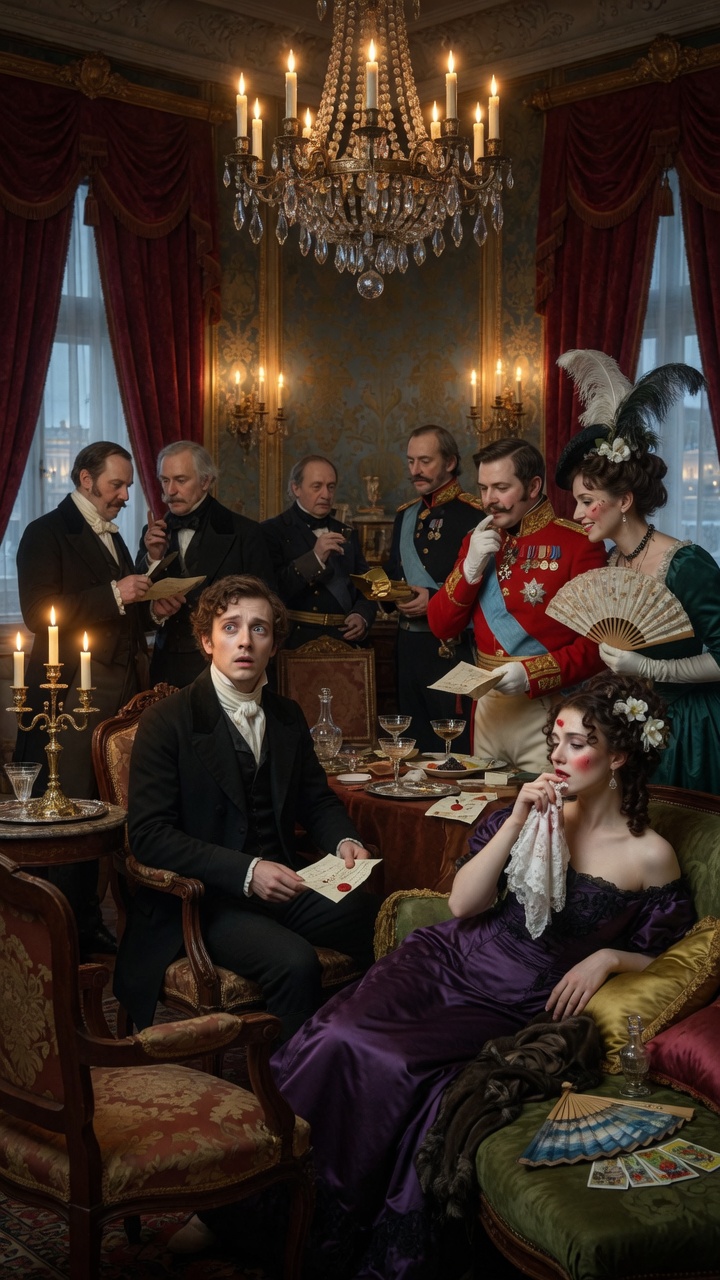
The Idiot
Fyodor Dostoevsky · 1869
A truly good man dropped into a world that devours him.
Dostoevsky asks what happens when pure innocence meets greed, pride, and obsessive love.
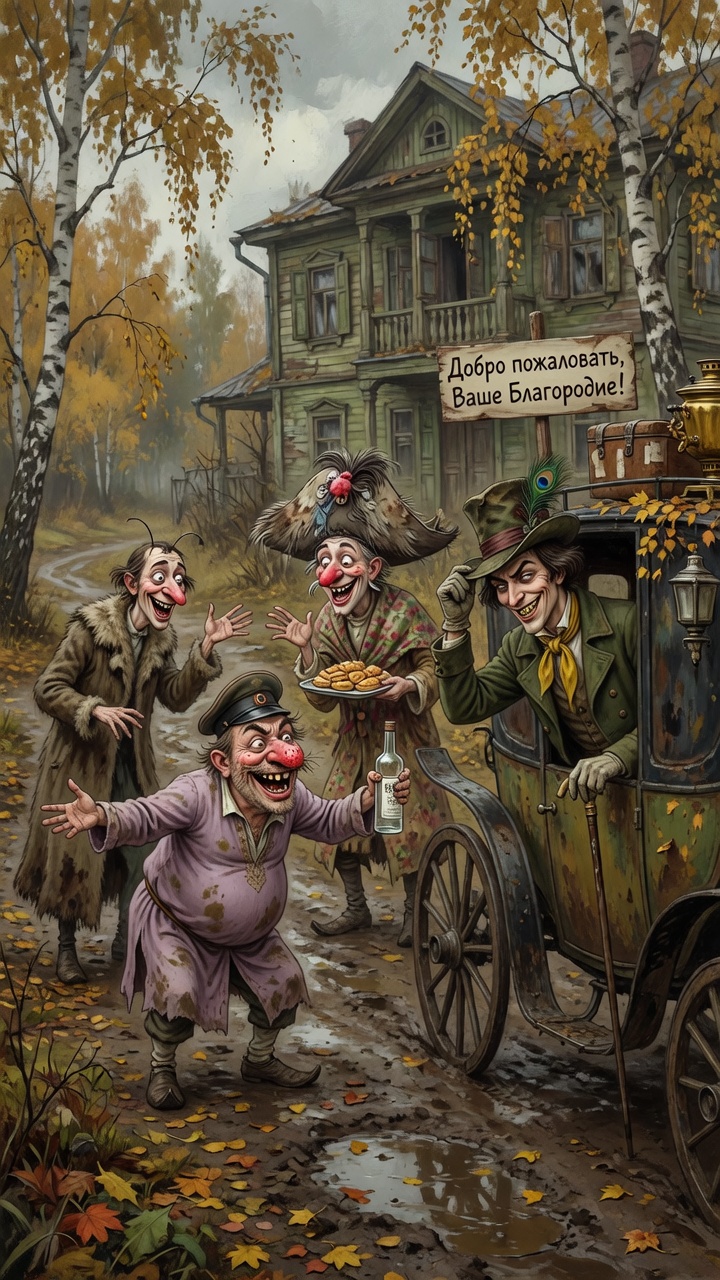
Dead Souls
Nikolai Gogol · 1842
A con man buys dead serfs. Yes, really.
Gogol's wild, hilarious satire of a swindler touring Russia trading in the names of the dead.
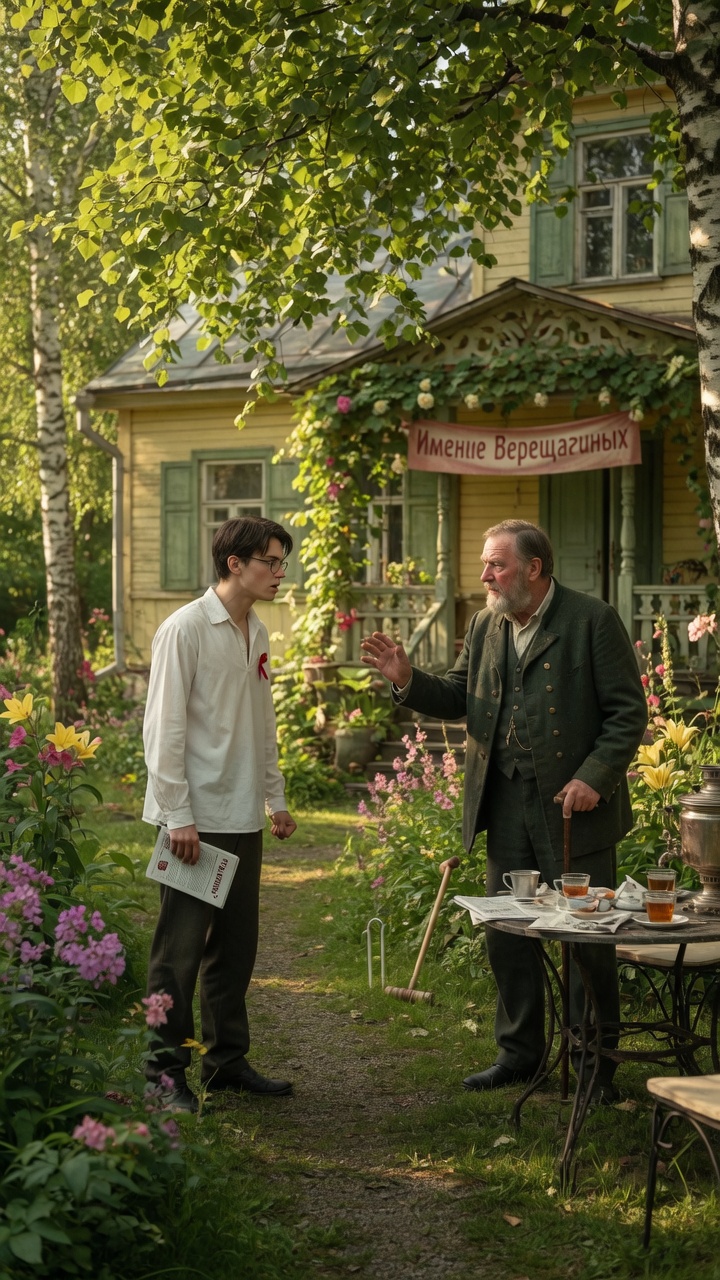
Fathers and Sons
Ivan Turgenev · 1862
A new generation declares it believes in nothing.
The novel that coined "nihilism" — sons and fathers colliding over love, science, and meaning.
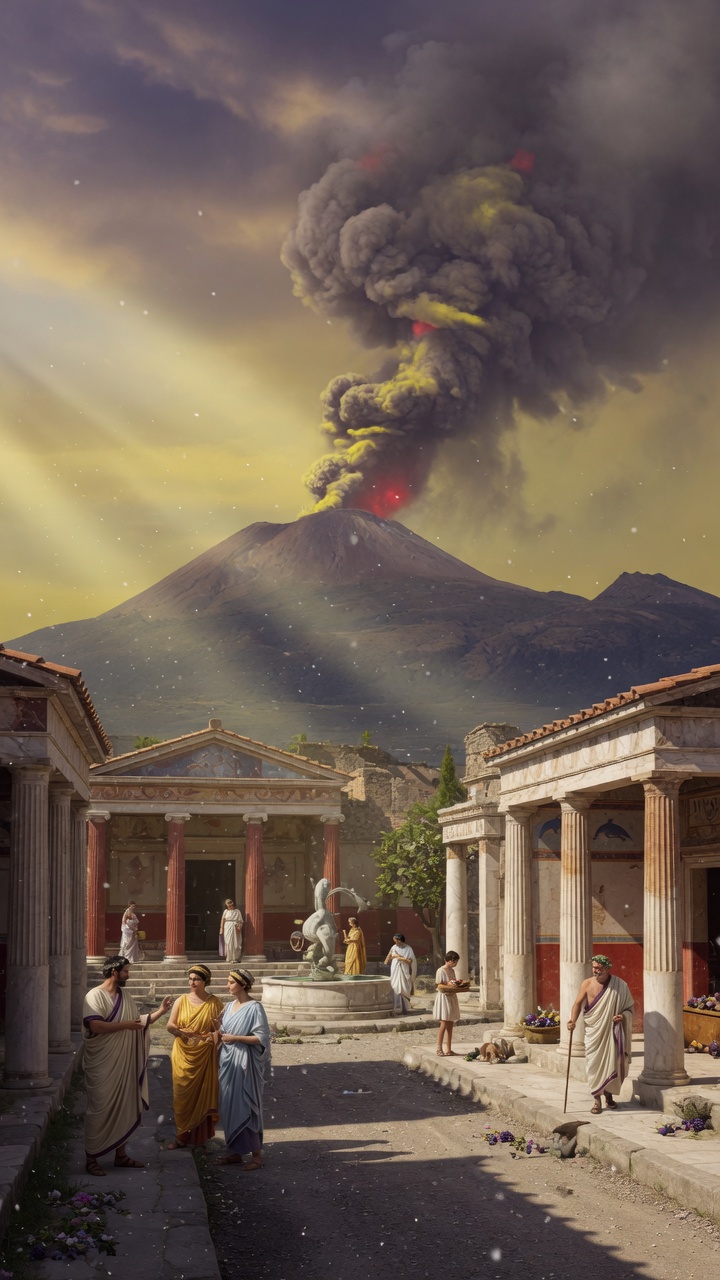
The Last Days of Pompeii
Edward Bulwer-Lytton · 1834
Love and intrigue under a mountain about to blow.
A doomed Roman city, a blind flower-girl, and Vesuvius counting down. Disaster epic, 1834-style.
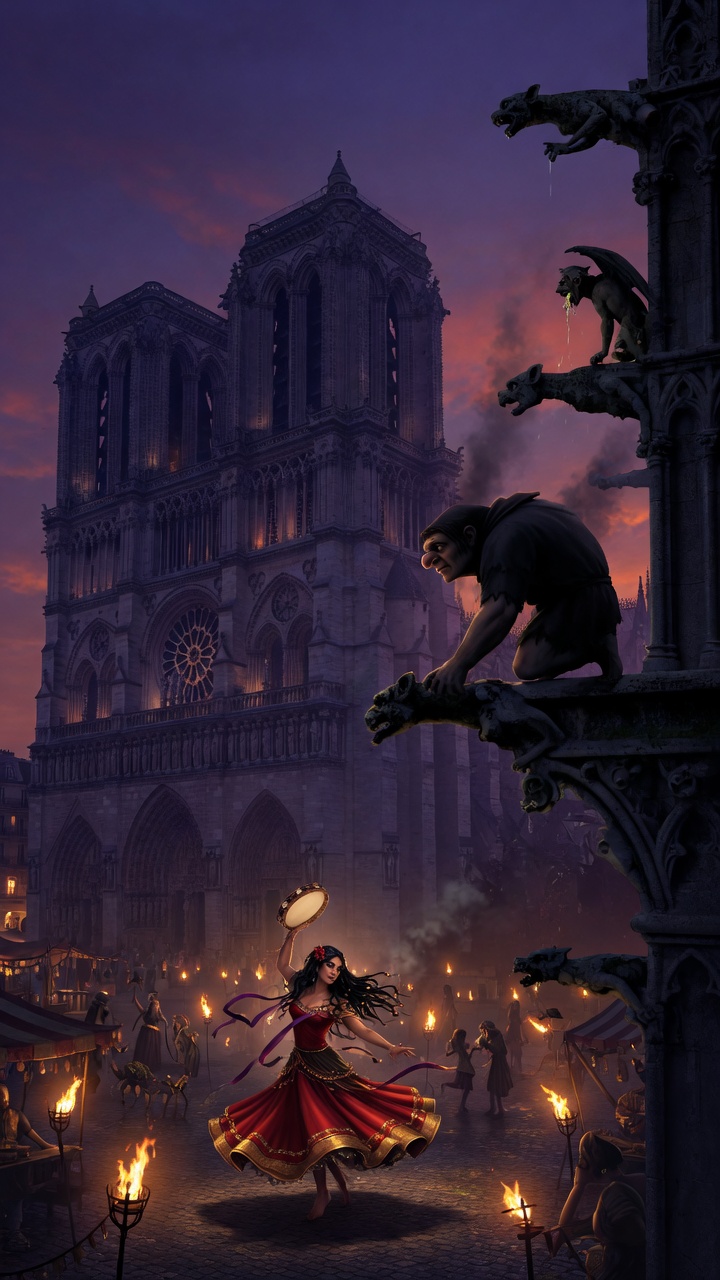
The Hunchback of Notre-Dame
Victor Hugo · 1831
A deformed bell-ringer, a dancing girl, a city of stone.
Hugo's sweeping gothic tragedy of obsession and mercy in the shadow of a great cathedral.
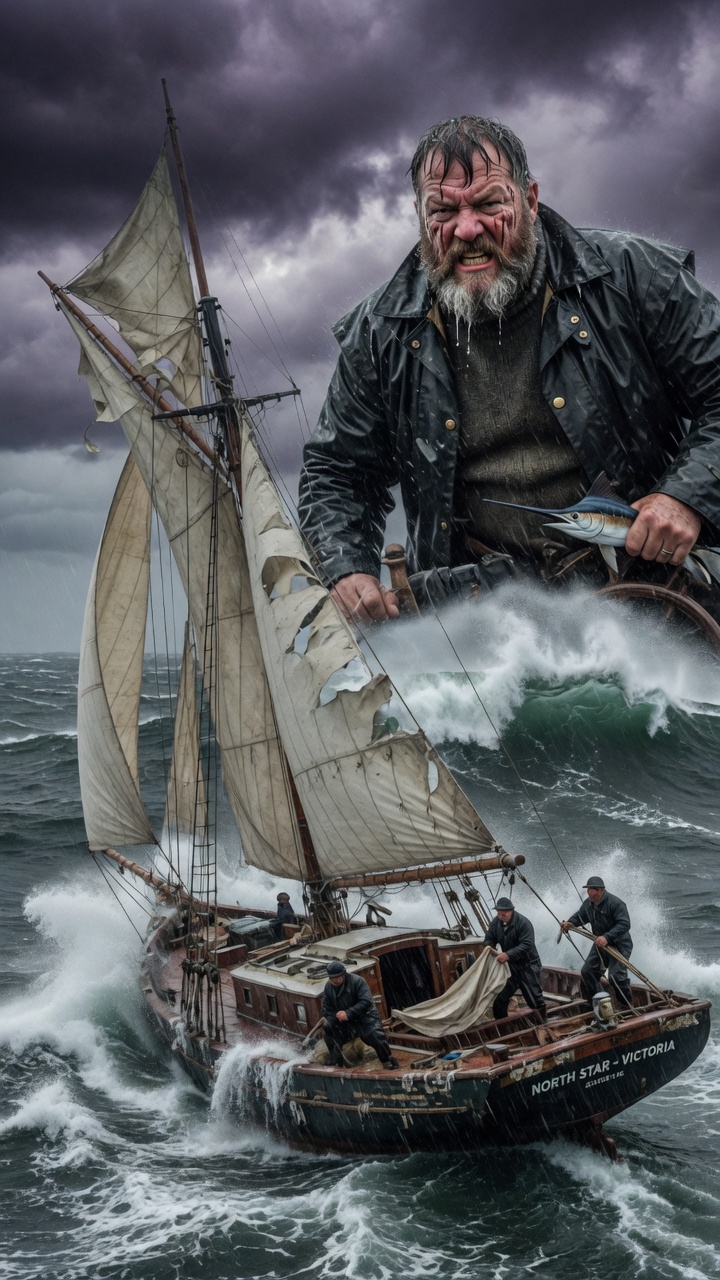
The Sea-Wolf
Jack London · 1904
Trapped at sea under the cruelest captain alive.
A soft gentleman is press-ganged onto a sealing ship ruled by a brilliant, brutal tyrant.
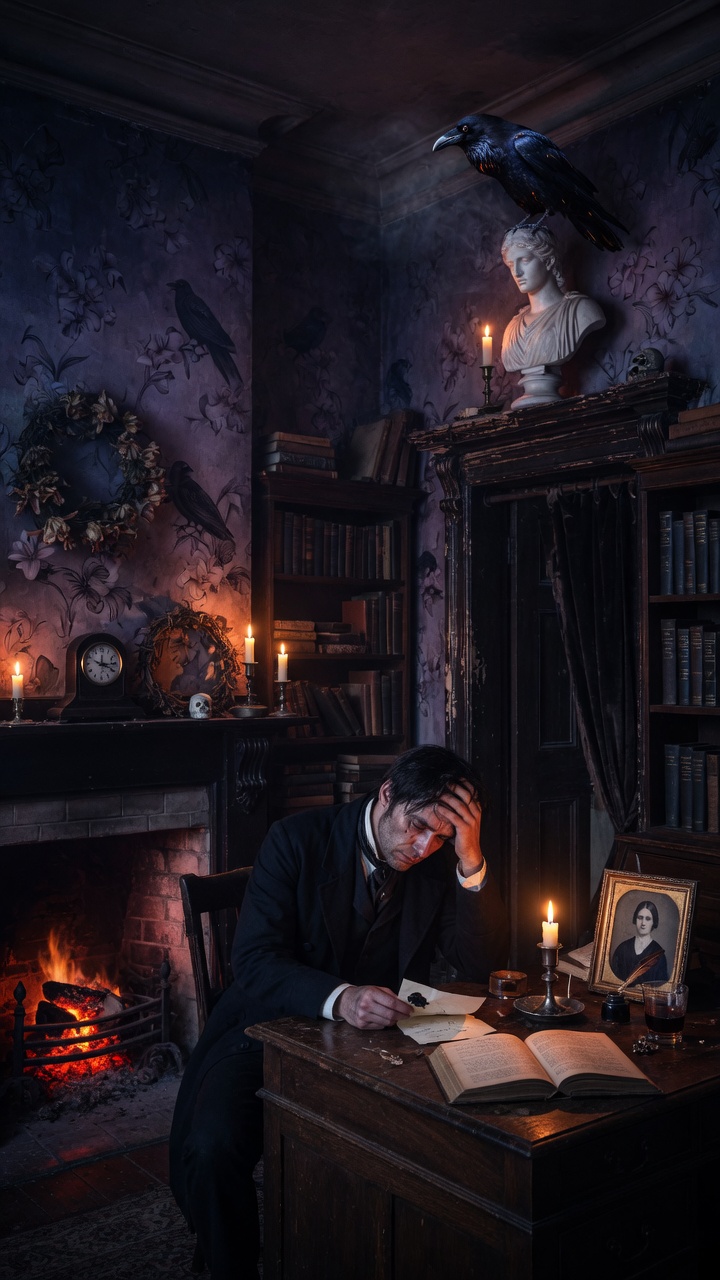
The Raven and Other Poems
Edgar Allan Poe · 1845
Midnight. A tapping. A bird that says one word: nevermore.
Poe's hypnotic masterpiece of grief and dread, plus the darkest verse ever written.
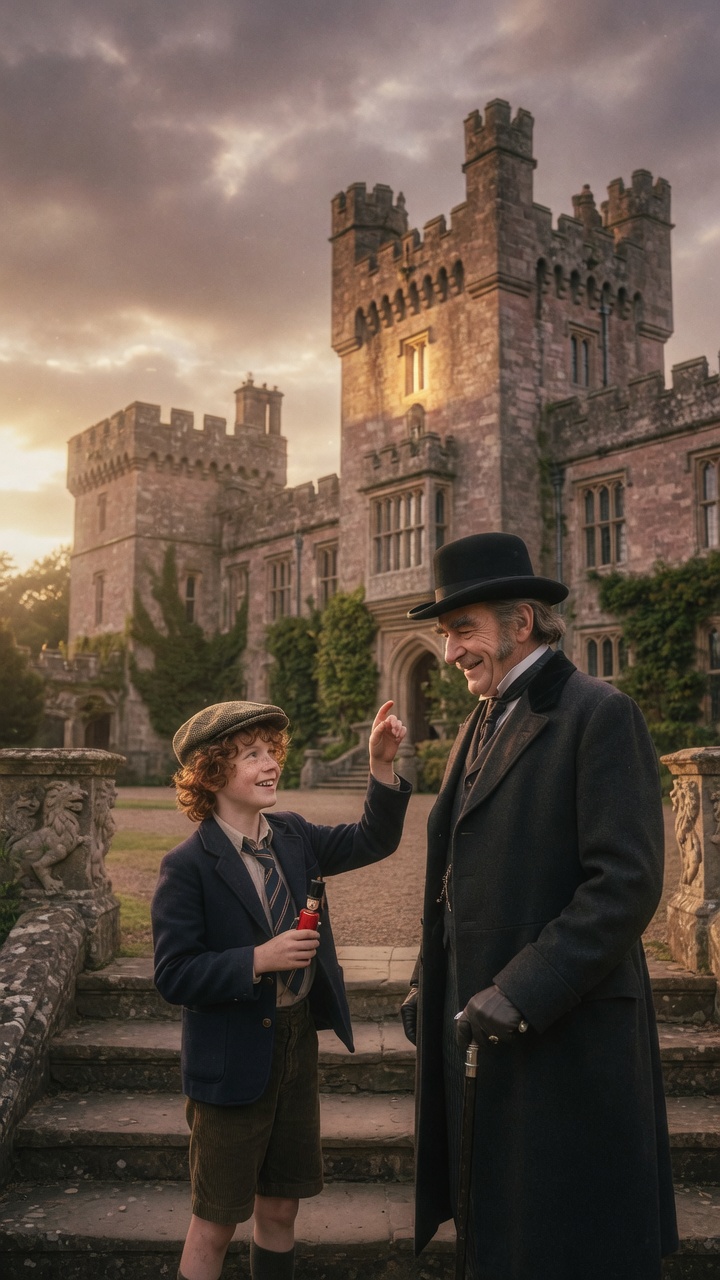
Little Lord Fauntleroy
Frances Hodgson Burnett · 1886
A kind American boy melts the heart of a grumpy old earl.
A sweet, sunny tale of an unspoiled child who thaws his bitter aristocrat grandfather.
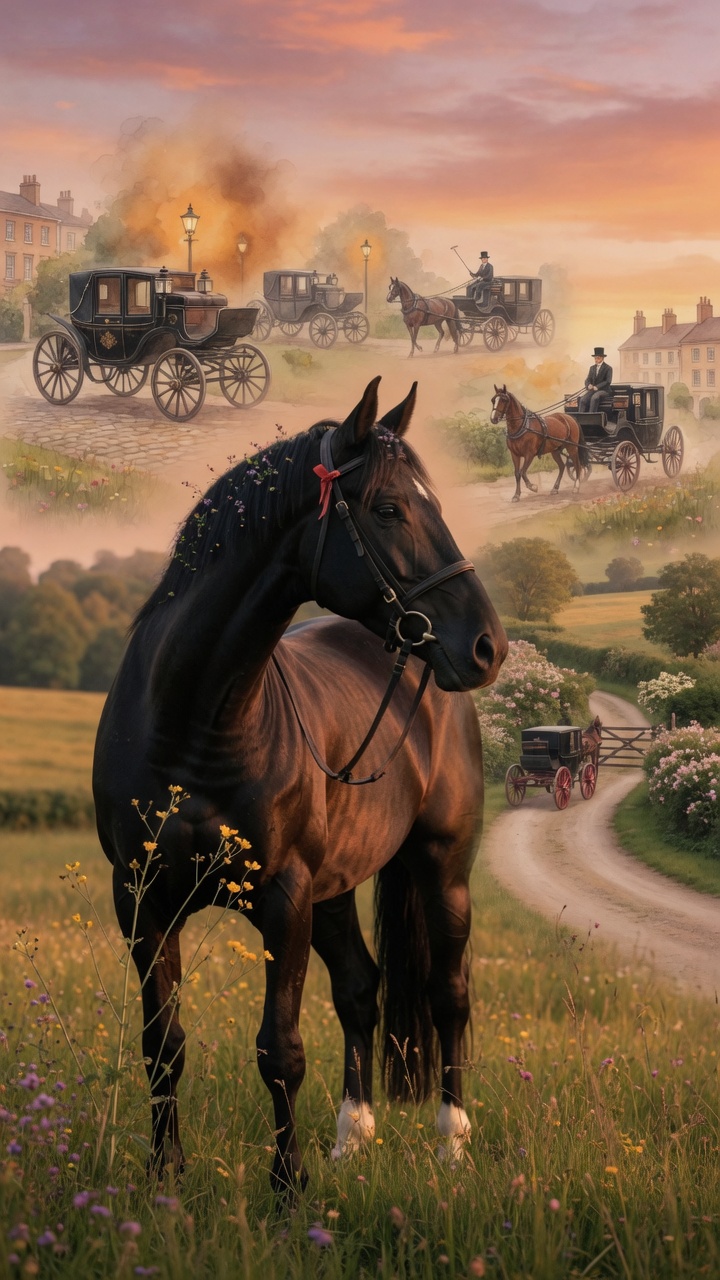
Black Beauty
Anna Sewell · 1877
A horse tells the story of his own hard, hopeful life.
Narrated by the horse himself — gentle, moving, and a quiet plea for kindness to animals.
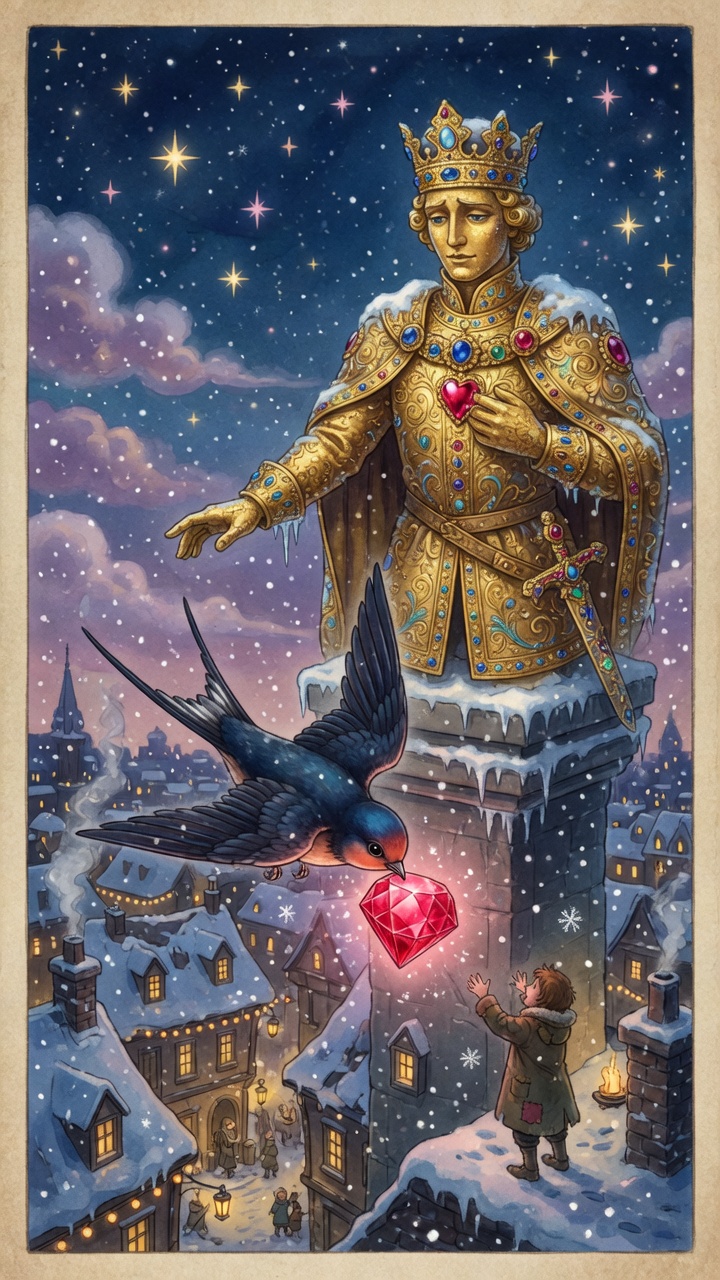
The Happy Prince and Other Tales
Oscar Wilde · 1888
A jeweled statue and a little swallow give everything away.
Wilde's exquisite, heartbreaking fairy tales — beautiful, generous, and quietly devastating.
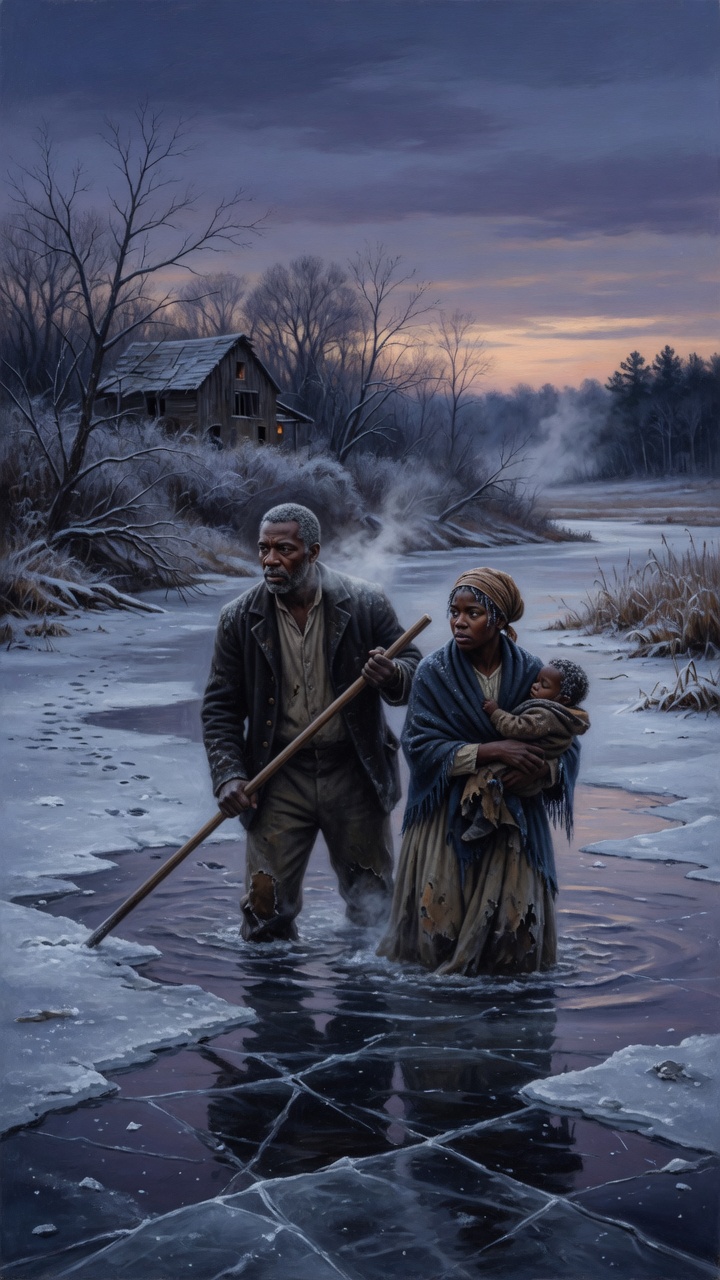
Uncle Tom's Cabin
Harriet Beecher Stowe · 1852
The novel that helped start a war.
A searing, hugely influential anti-slavery story that shook a nation to its conscience.
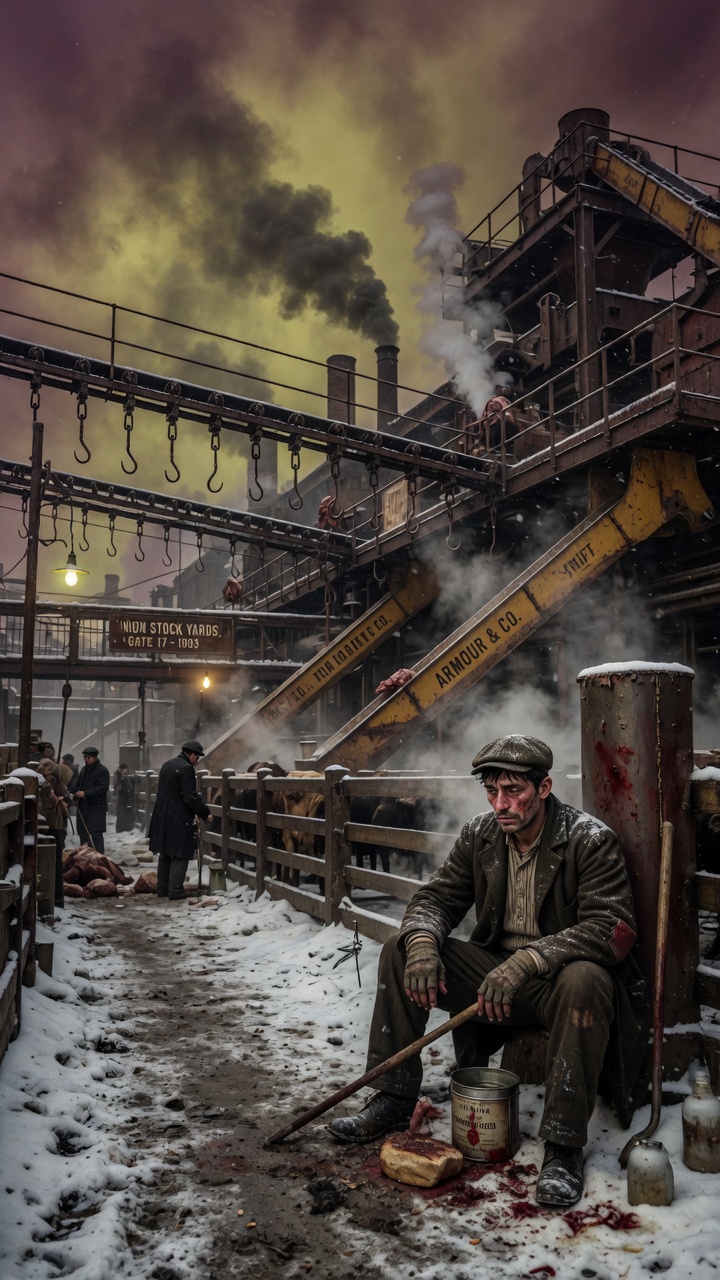
The Jungle
Upton Sinclair · 1906
An immigrant family is ground up by the meatpacking machine.
The exposé so brutal it changed America’s food laws — a furious story of work and survival.
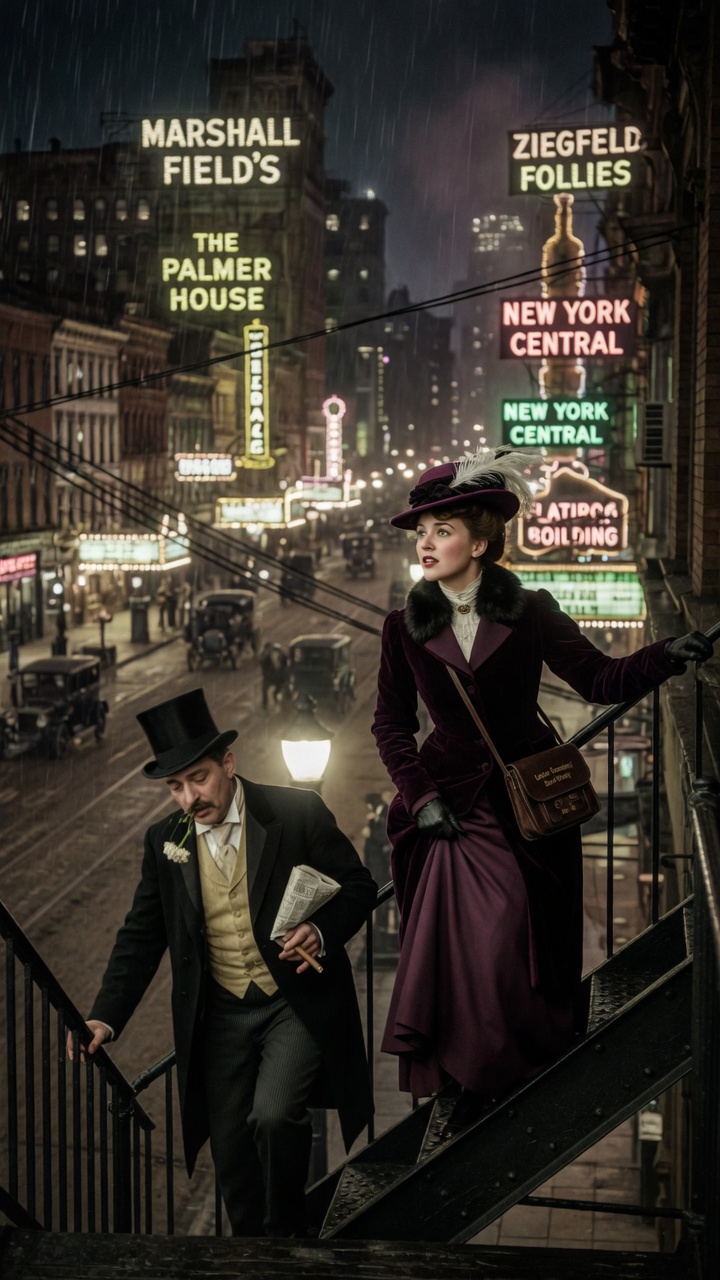
Sister Carrie
Theodore Dreiser · 1900
A small-town girl rises in the city as a man falls.
A frank, modern story of ambition and desire in the glittering, ruthless big city.

My Ántonia
Willa Cather · 1918
A radiant immigrant girl and the prairie that made her.
A luminous elegy for the American frontier and a friendship that defines a life.
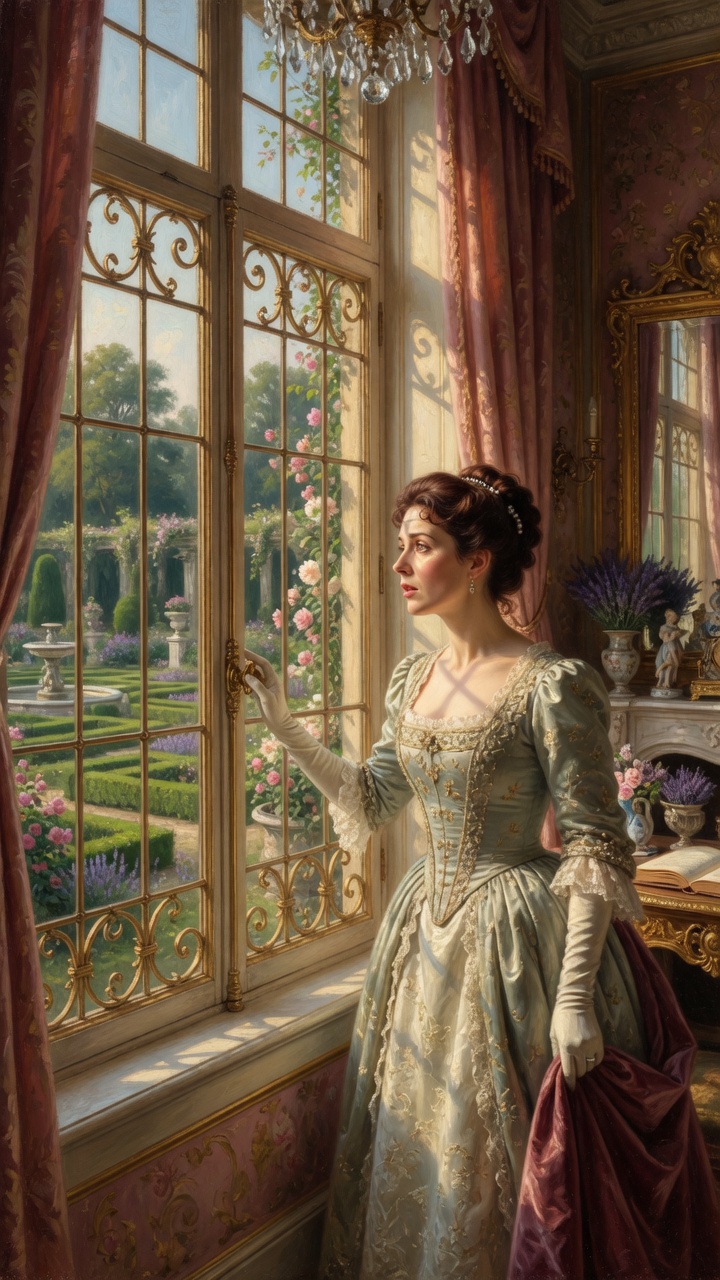
The Portrait of a Lady
Henry James · 1881
A free-spirited American heiress chooses exactly wrong.
James's masterpiece — a brilliant young woman, a fortune, and a marriage that becomes a trap.

Winesburg, Ohio
Sherwood Anderson · 1919
A small town, and the secret ache inside everyone in it.
Interlocking portraits of lonely souls — quiet, tender, and quietly revolutionary.
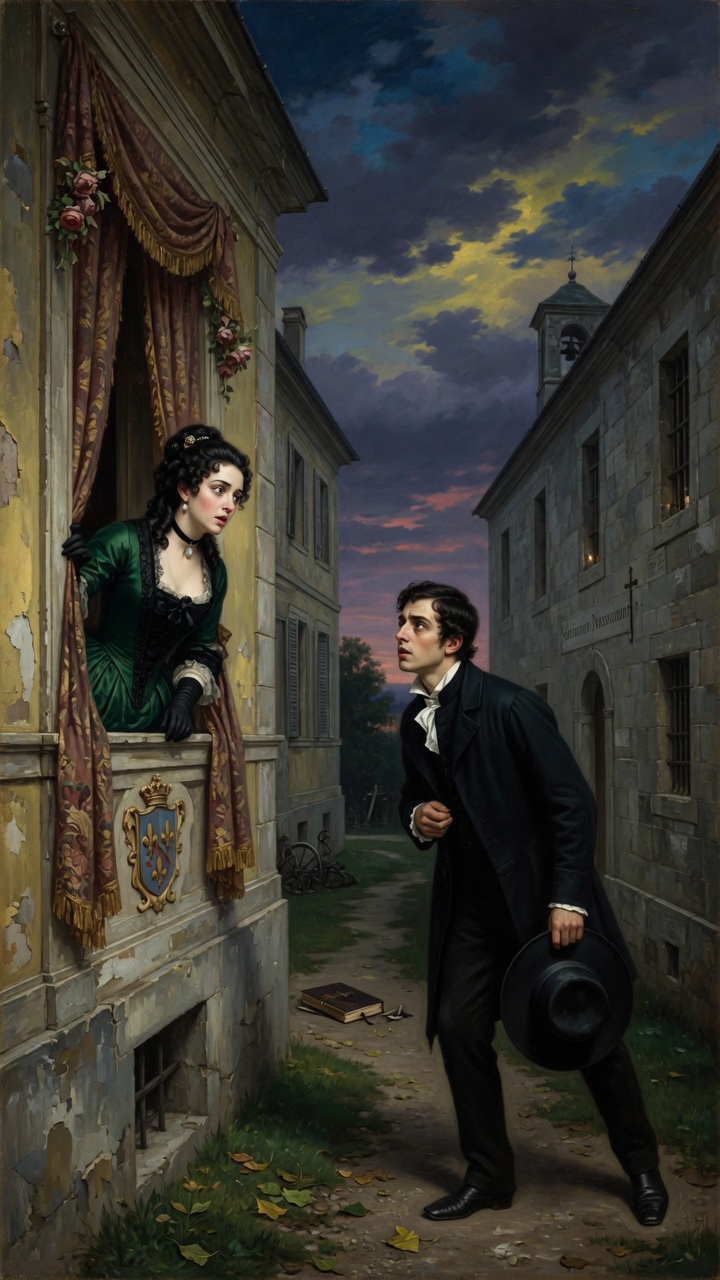
The Red and the Black
Stendhal · 1830
An ambitious carpenter’s son schemes and seduces his way up.
A sharp, sensual psychological climb through Restoration France toward a shocking fall.
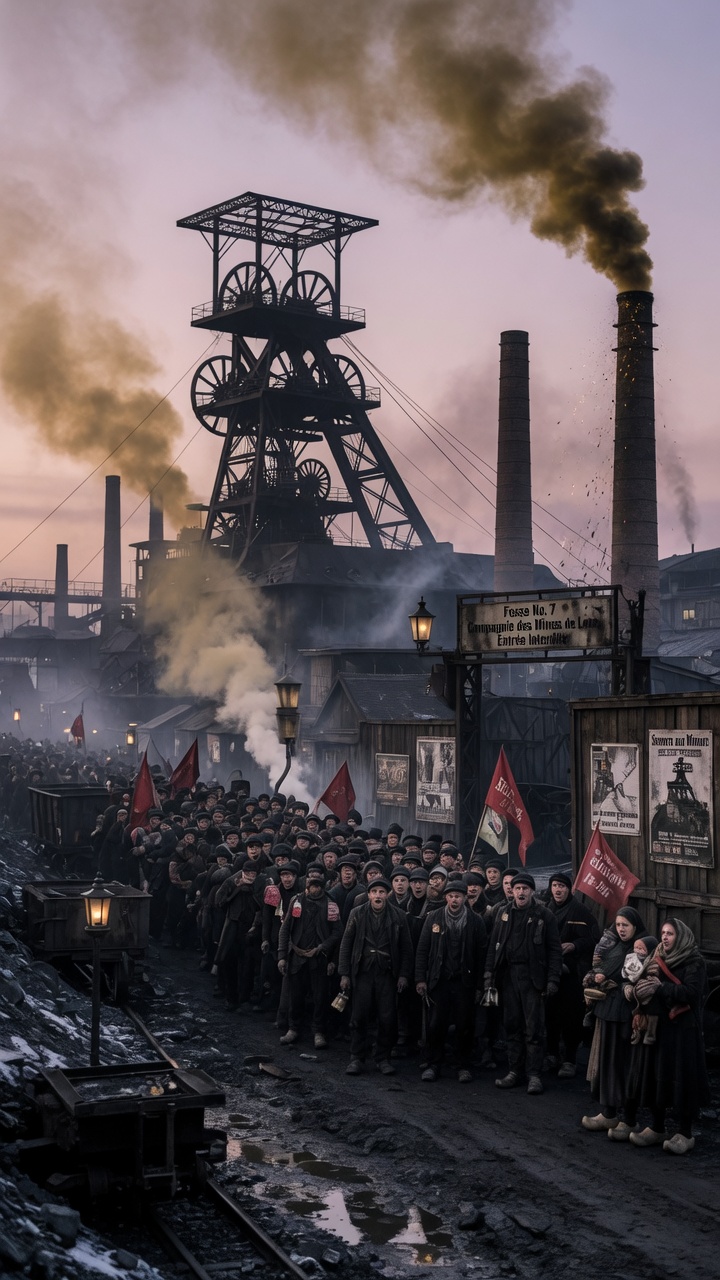
Germinal
Émile Zola · 1885
Starving miners rise against the machine that eats them.
Zola's thunderous epic of a coal-town strike — raw, furious, and unforgettable.
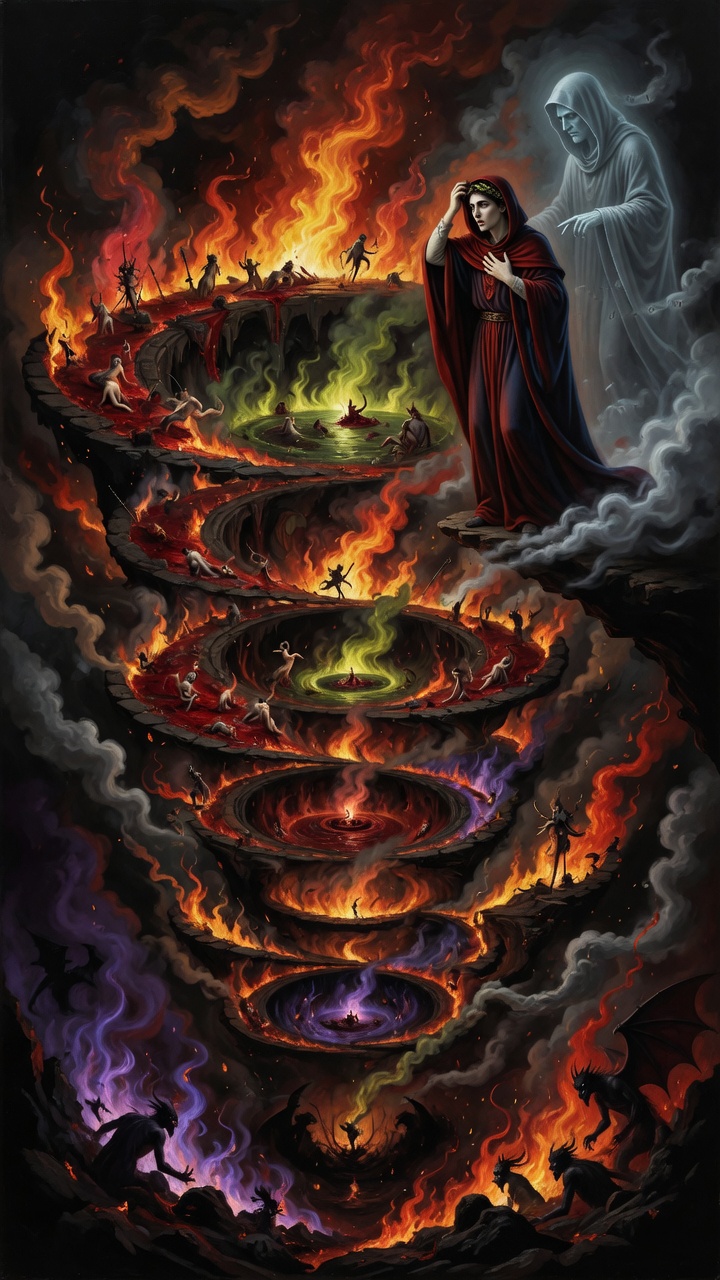
Dante's Inferno
Dante Alighieri · 1320
A guided tour through the nine circles of Hell.
The most vivid vision of the afterlife ever written — descending through ever-worse torments.
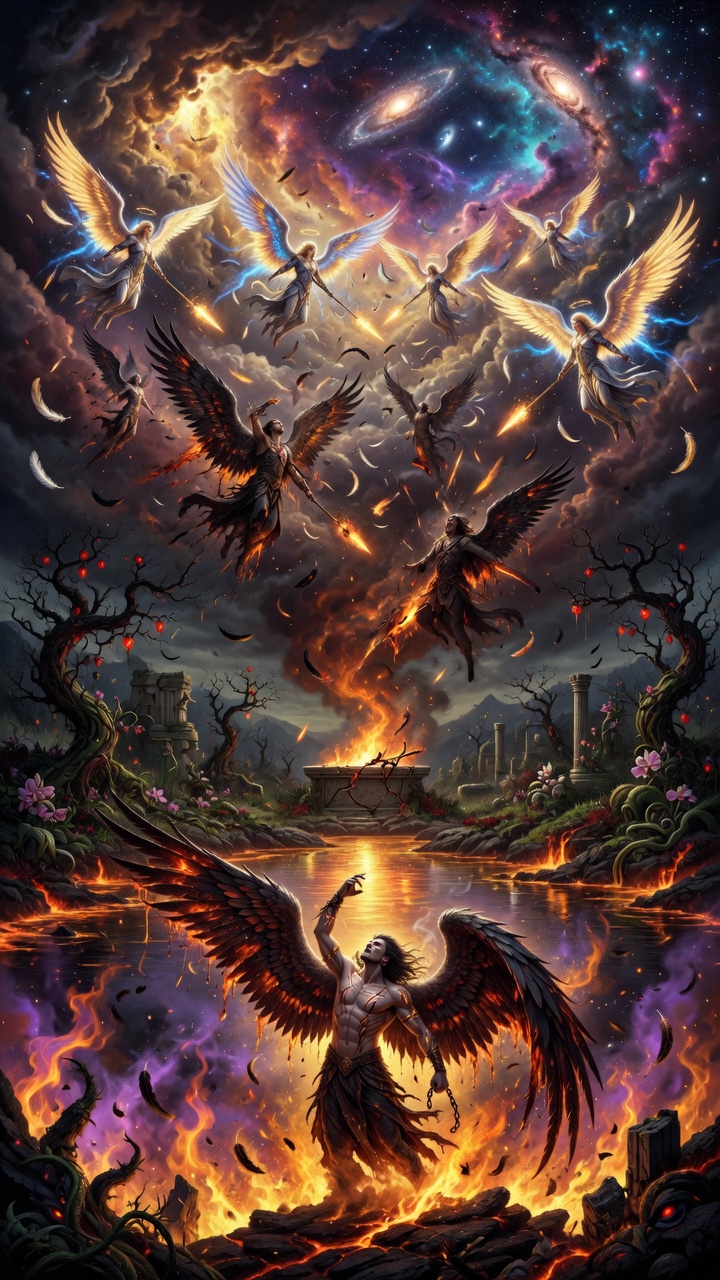
Paradise Lost
John Milton · 1667
The war in Heaven, the fall of man, and the case for the Devil.
Milton’s thunderous epic gives Satan the best lines and grandeur beyond measure.
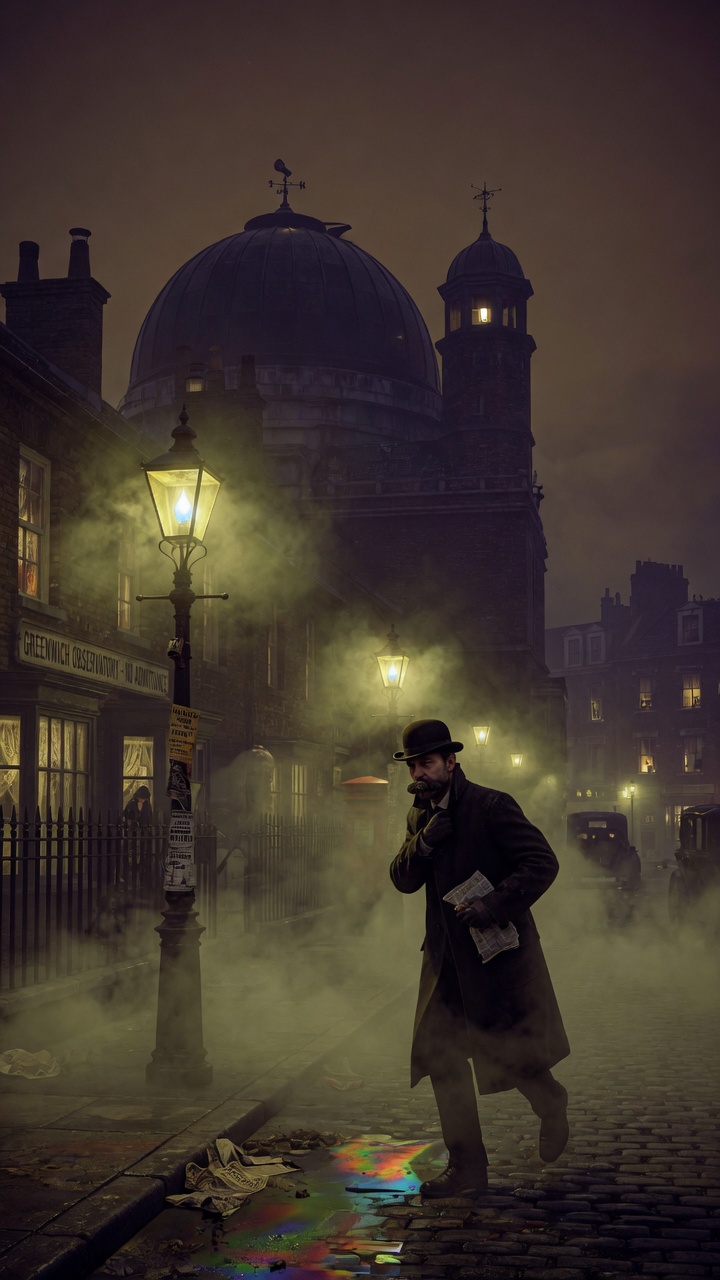
The Secret Agent
Joseph Conrad · 1907
A shabby spy is ordered to bomb the Greenwich Observatory.
A bleak, brilliant thriller of anarchists, double agents, and one catastrophic plot in foggy London.

Lord Jim
Joseph Conrad · 1900
One moment of cowardice he spends a lifetime outrunning.
A young sailor abandons ship and chases redemption to the far edges of the colonial East.

Father Sergius
Leo Tolstoy · 1898
A celebrated prince trades his sword for a monk's cell — and a harder battle.
Tolstoy's piercing late novella about pride, temptation, and the search for a humble, honest life.