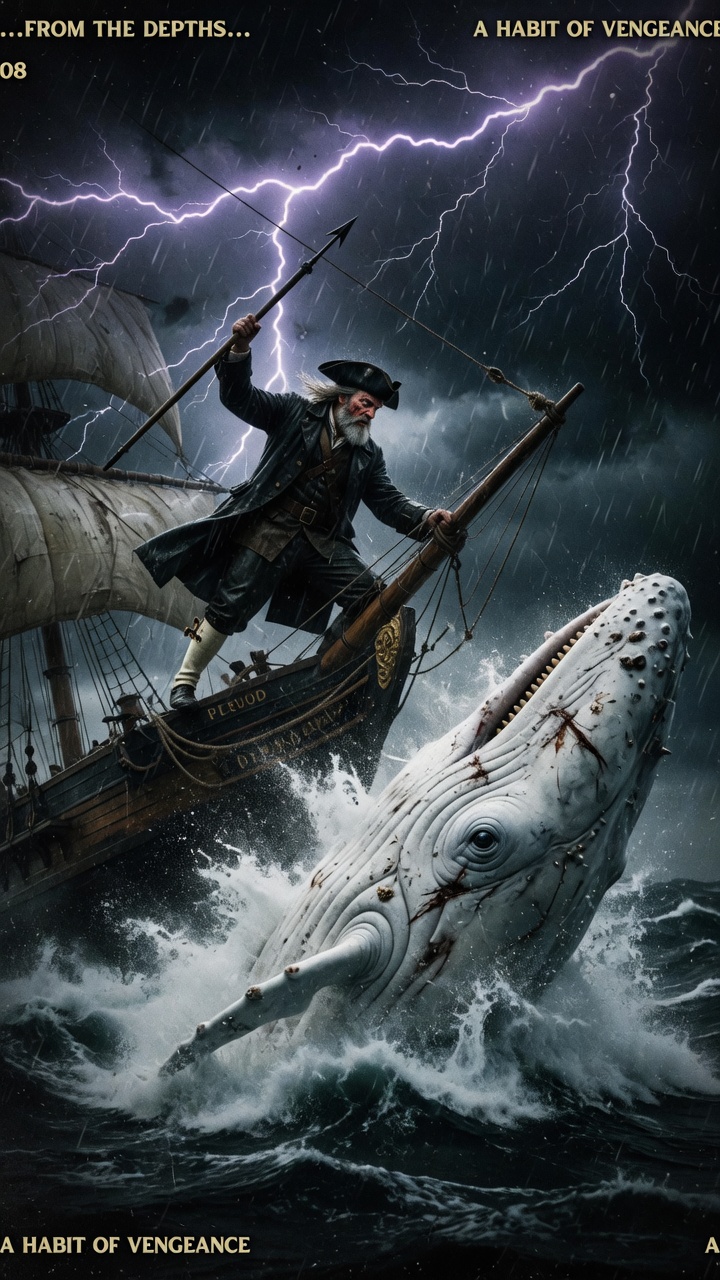
Moby-Dick
Herman Melville · 1851
One man. One whale. An ocean of vengeance.
A peg-legged captain drags his entire crew to the ends of the earth to kill the white whale that maimed him. Obsession as an extreme sport.
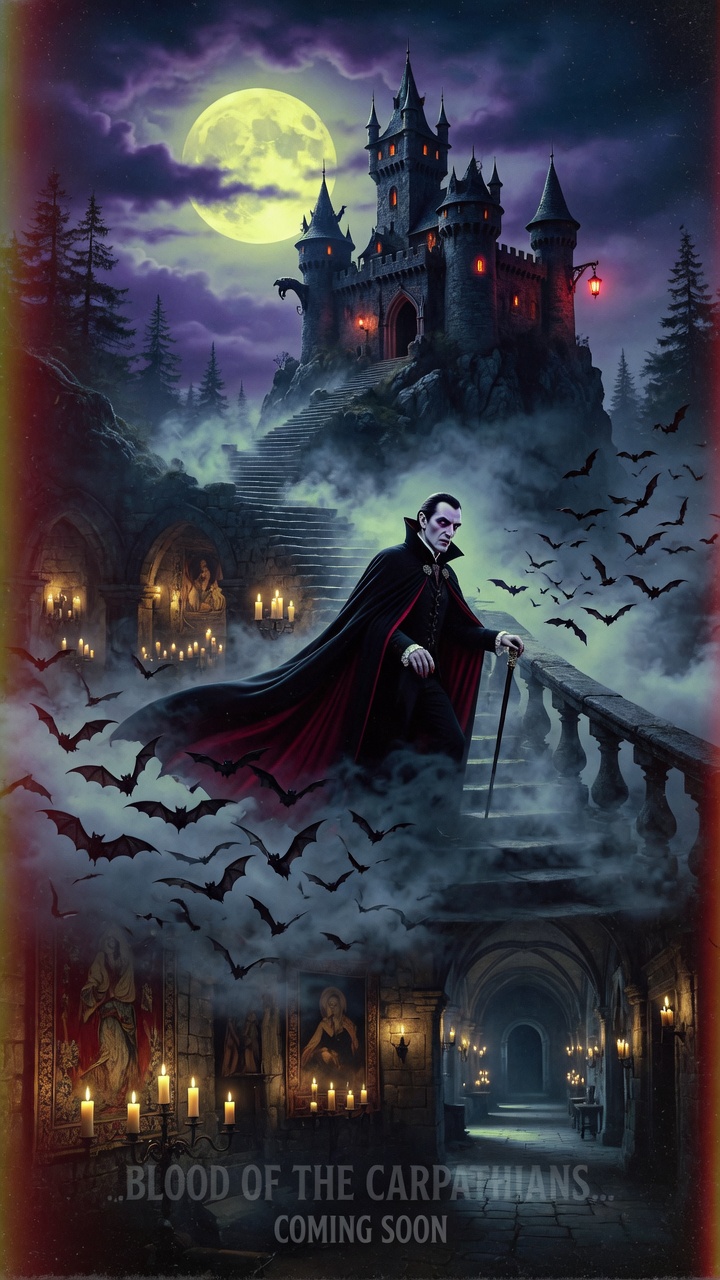
Dracula
Bram Stoker · 1897
He has waited centuries. Tonight, he travels.
The original vampire story — told through letters, diaries and telegrams that read like found footage from 1897. Still scarier than most things streaming.
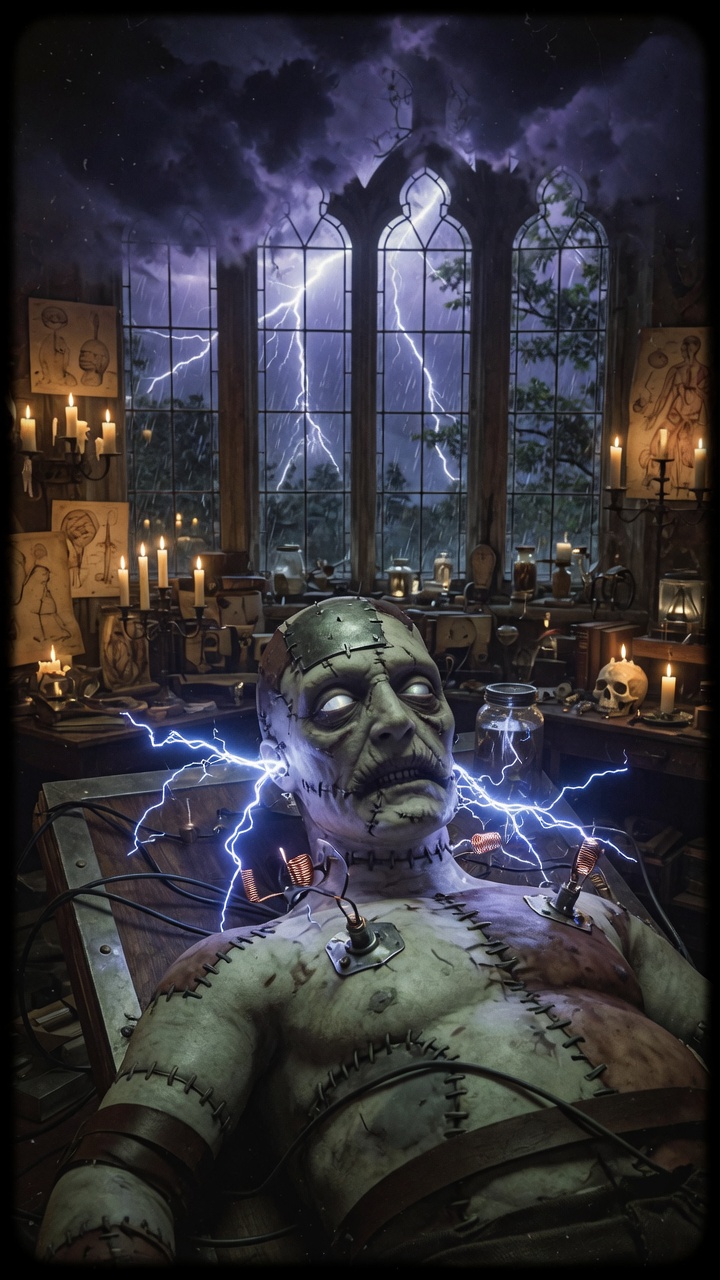
Frankenstein
Mary Shelley · 1818
He created life. Then he had to answer to it.
Eighteen-year-old Mary Shelley basically invented science fiction on a dare. A creator, his abandoned creation, and the question of who's the real monster.
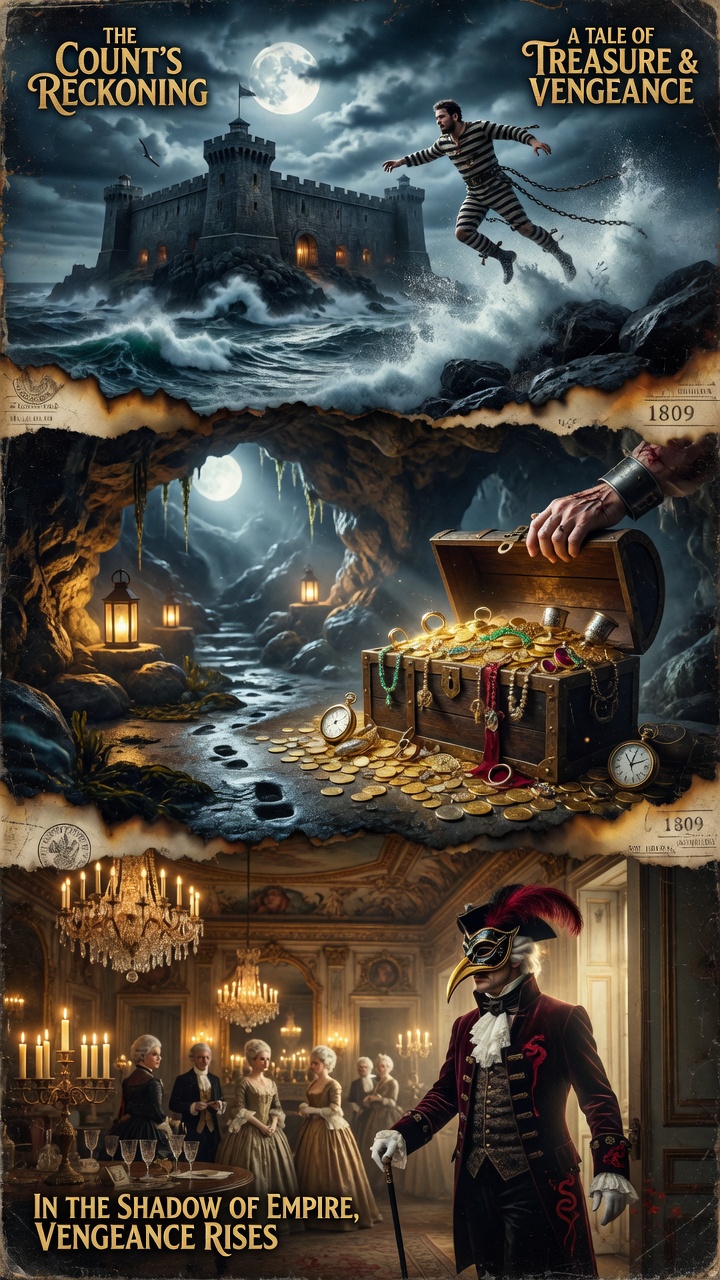
The Count of Monte Cristo
Alexandre Dumas · 1844
Betrayed. Buried alive. Reborn rich. Time to collect.
The greatest revenge story ever told. A wronged man escapes an island prison, claims a hidden fortune, and spends years dismantling his enemies one by one.
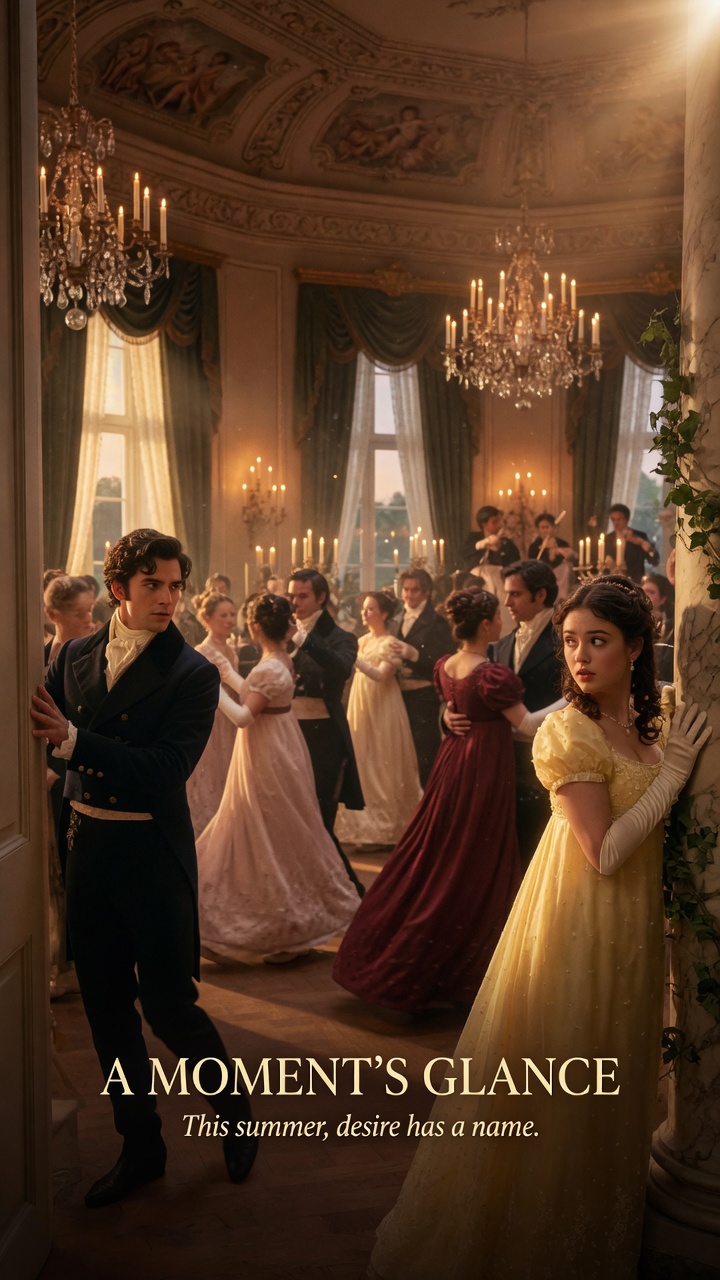
Pride and Prejudice
Jane Austen · 1813
Two stubborn hearts. One very long misunderstanding.
The enemies-to-lovers blueprint. Sharp, funny, and the slowest of slow burns — Elizabeth and Darcy can't stand each other, which is exactly how you know.
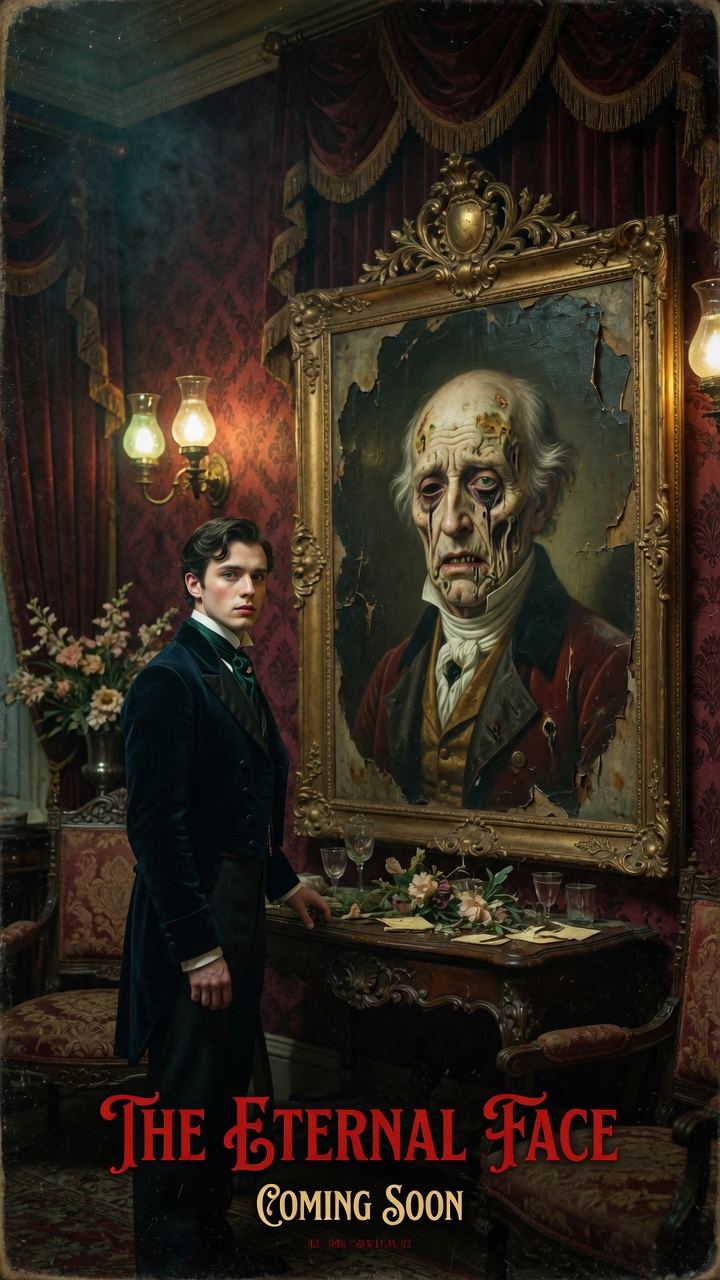
The Picture of Dorian Gray
Oscar Wilde · 1890
He stays young forever. His portrait pays the price.
A beautiful man, a cursed painting, and a slow slide into pure decadence. Oscar Wilde at his most wicked — and his most quotable.
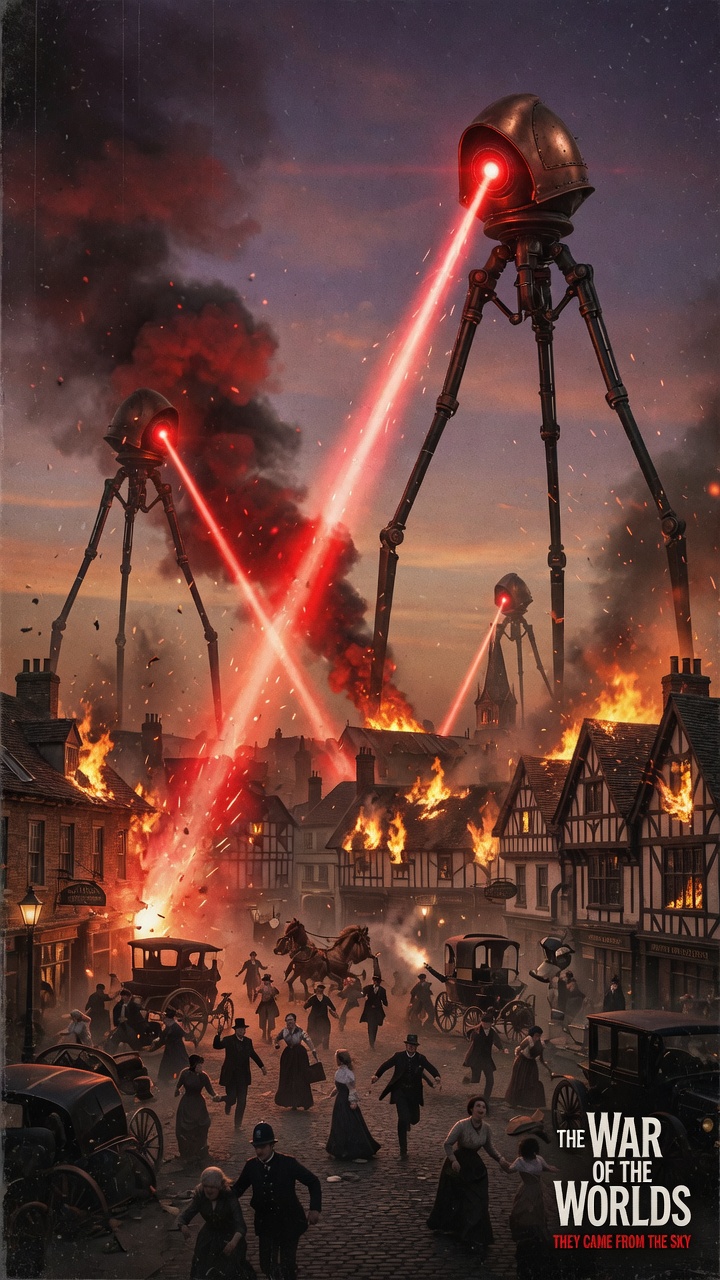
The War of the Worlds
H. G. Wells · 1898
Mankind ruled the Earth. The Martians had other plans.
The original alien invasion. Towering war machines, a panicking countryside, and a humanity completely outgunned — and it was written in 1898.
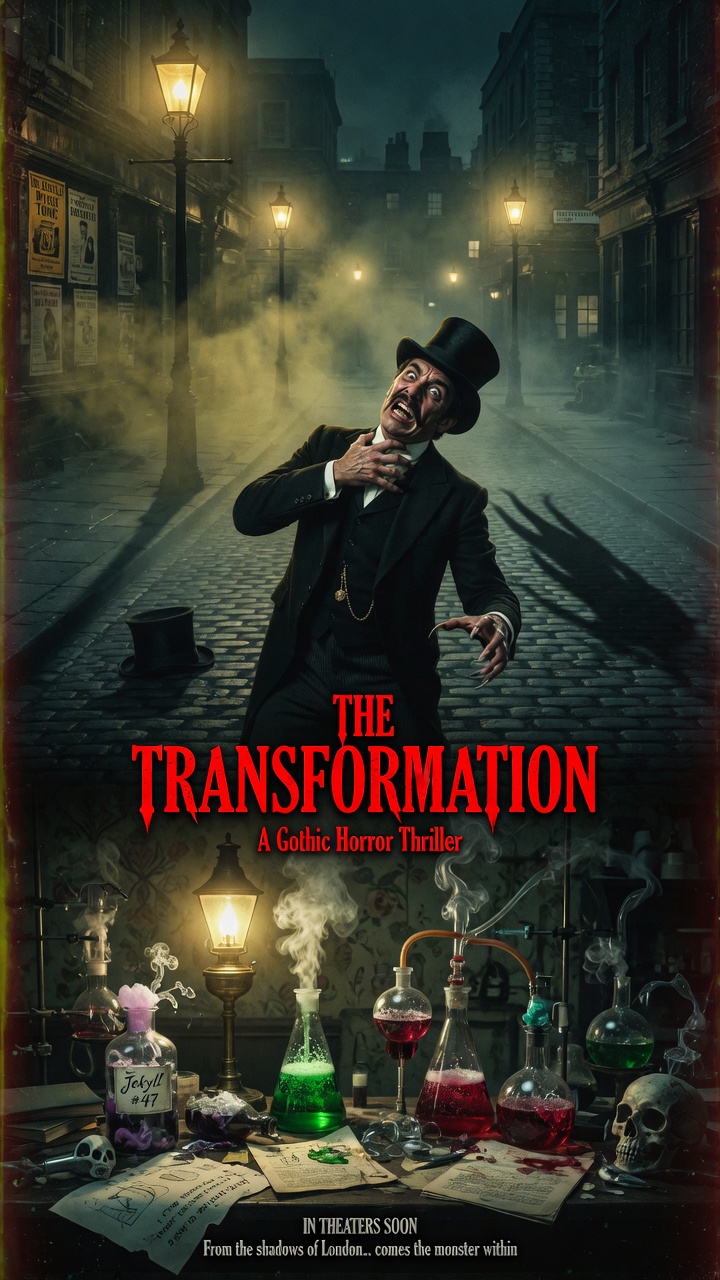
The Strange Case of Dr Jekyll and Mr Hyde
Robert Louis Stevenson · 1886
Every man has a dark side. He bottled his.
A respectable doctor, a monstrous alter ego, and one chemical away from chaos. The original split-personality thriller — and the reason the phrase exists.
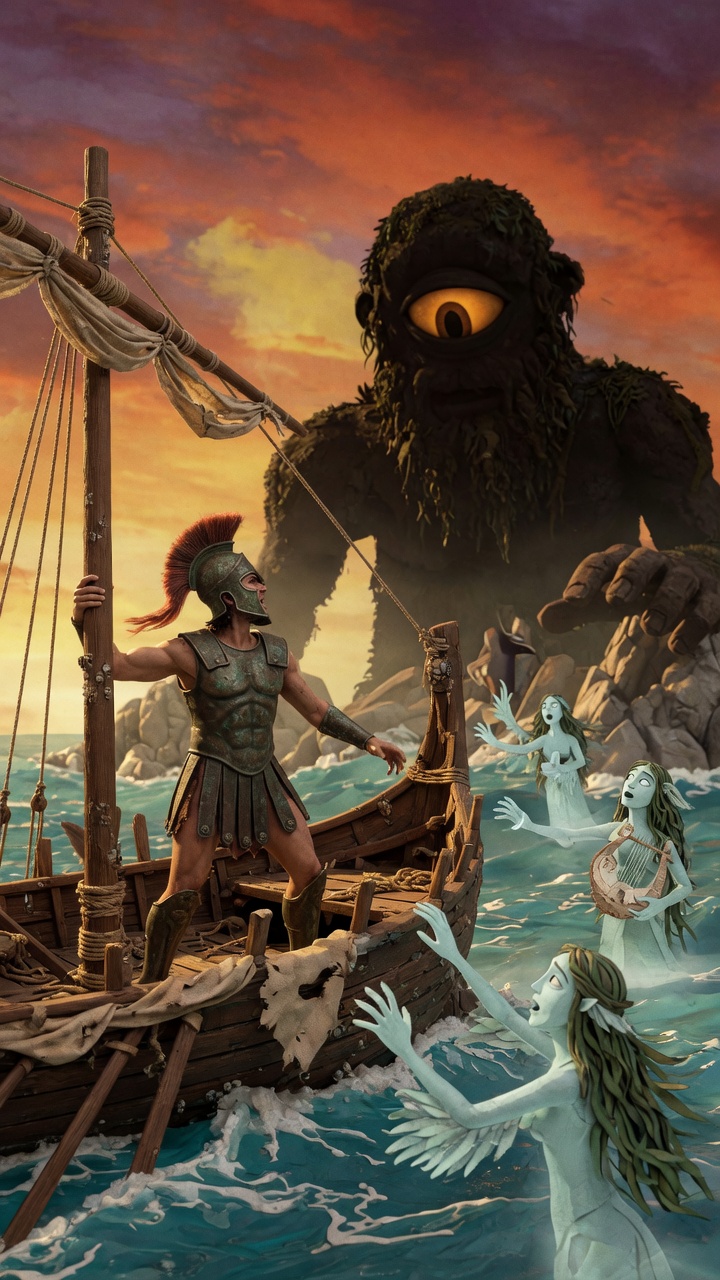
The Odyssey
Homer · 700 BC
A war hero. Ten years lost at sea. Every monster wants him dead.
Cyclopes, sirens, a witch who turns men into pigs, and a sea god holding a grudge — all between one soldier and home. The original epic journey.
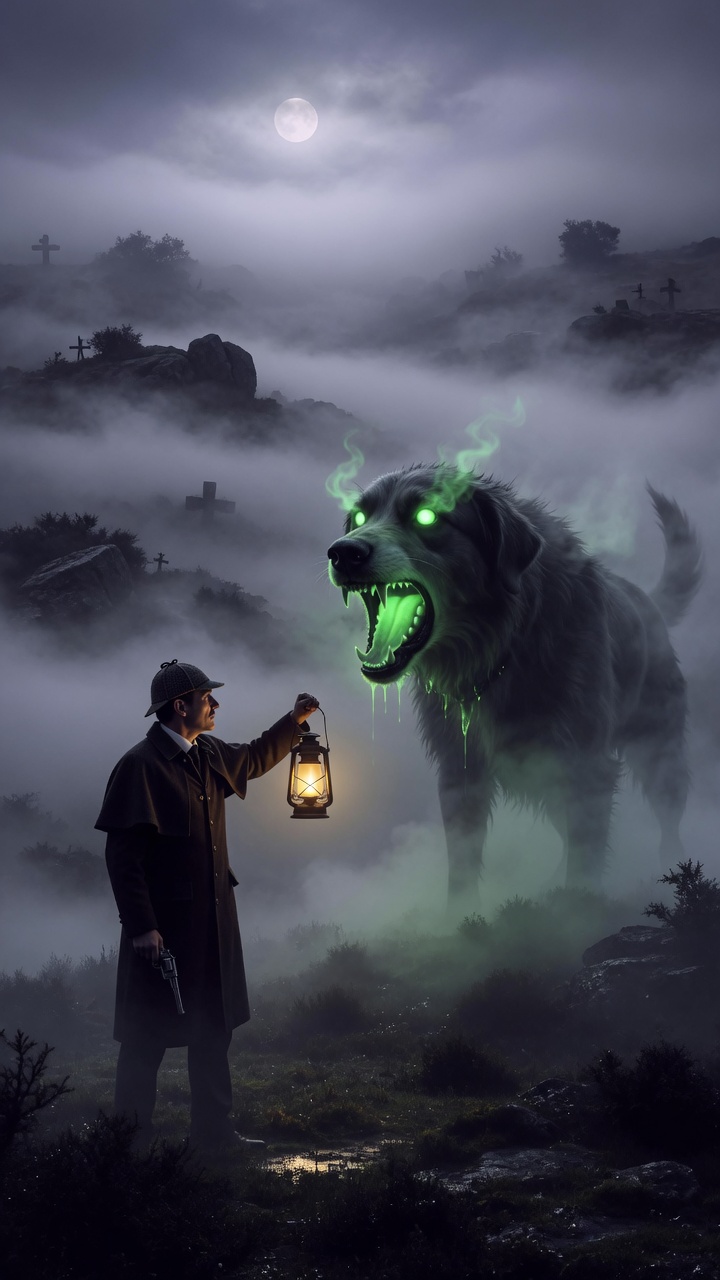
The Hound of the Baskervilles
Arthur Conan Doyle · 1902
A cursed bloodline. A demon dog. One detective who doesn't believe in ghosts.
Sherlock Holmes versus a glowing hound that stalks the foggy moors. The world's greatest detective meets the closest thing to a monster he'll ever face.
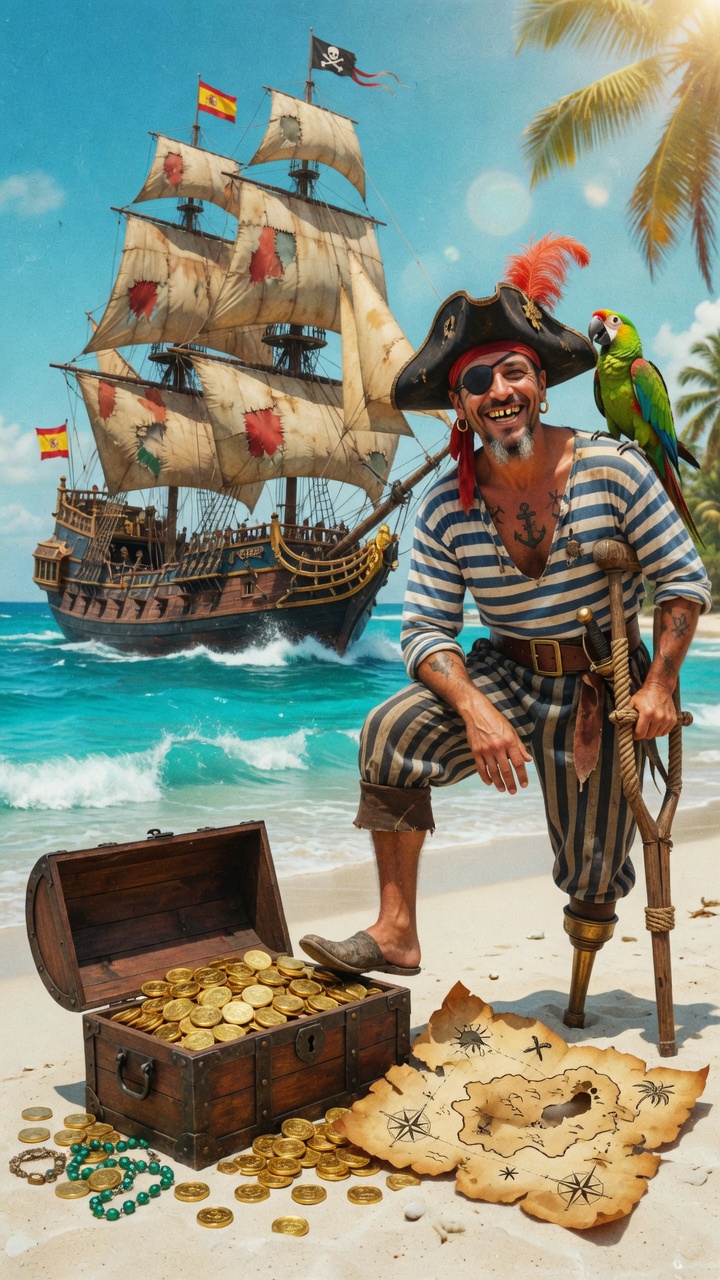
Treasure Island
Robert Louis Stevenson · 1883
X marks the spot. Everyone aboard wants the gold. Most would kill for it.
A treasure map, a one-legged cook with a parrot, and a boy in way over his head. The book that invented every pirate you've ever pictured.
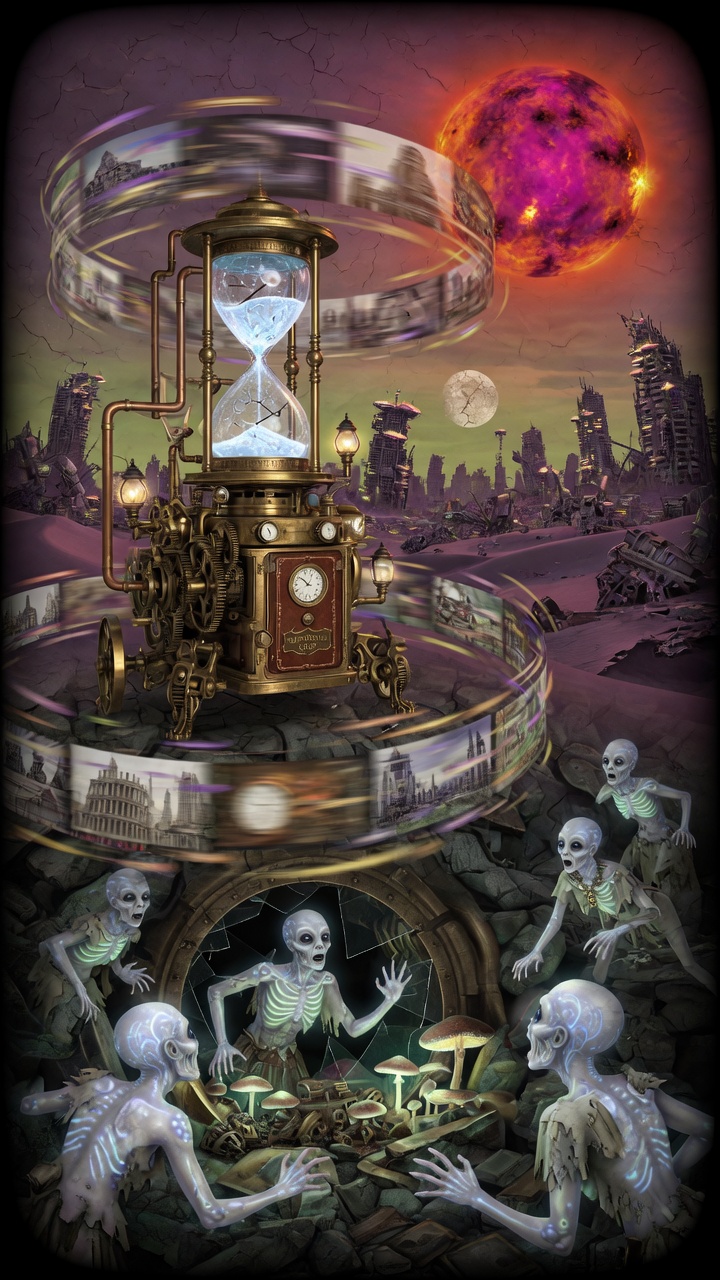
The Time Machine
H. G. Wells · 1895
He traveled to the year 802,701. Humanity was waiting. So was something else.
The book that invented time travel. A Victorian inventor leaps eons into the future and finds a paradise hiding a nightmare just beneath the surface.
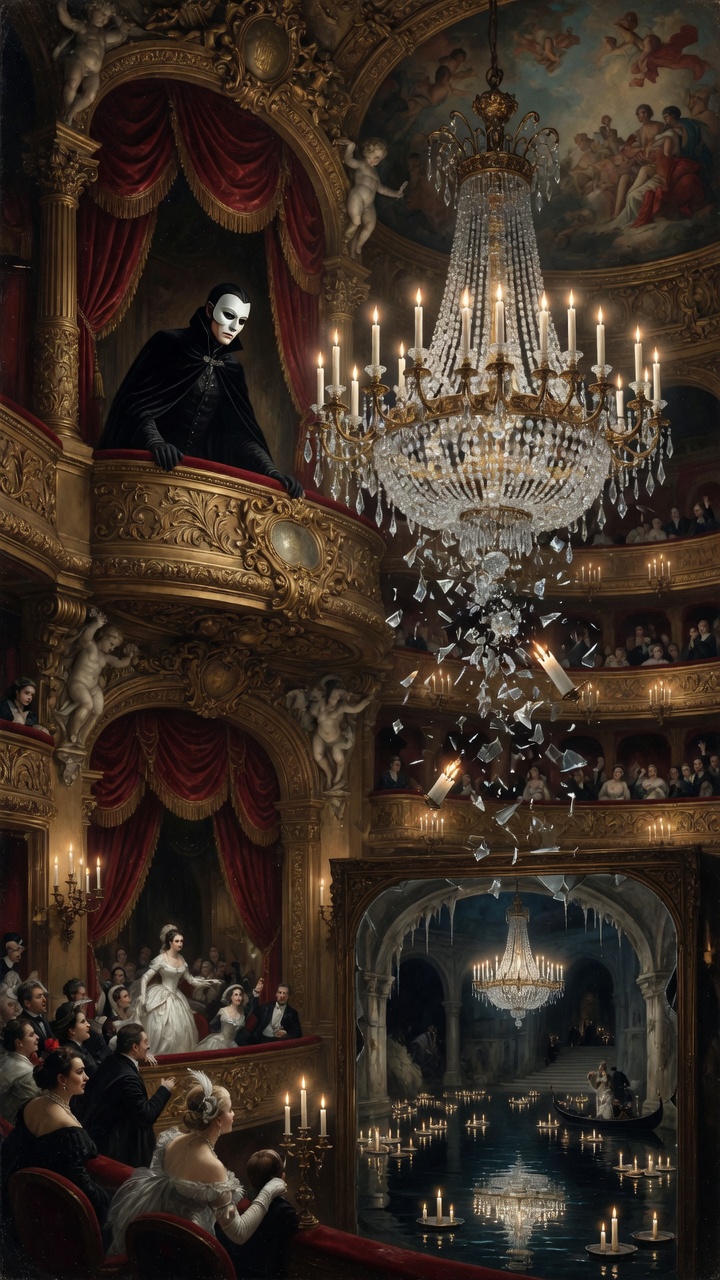
The Phantom of the Opera
Gaston Leroux · 1910
He lives beneath the opera. He'll make her a star — or bring the house down.
A disfigured genius haunts the Paris Opera, obsessed with a young soprano. Equal parts love story and horror — and that chandelier never stood a chance.
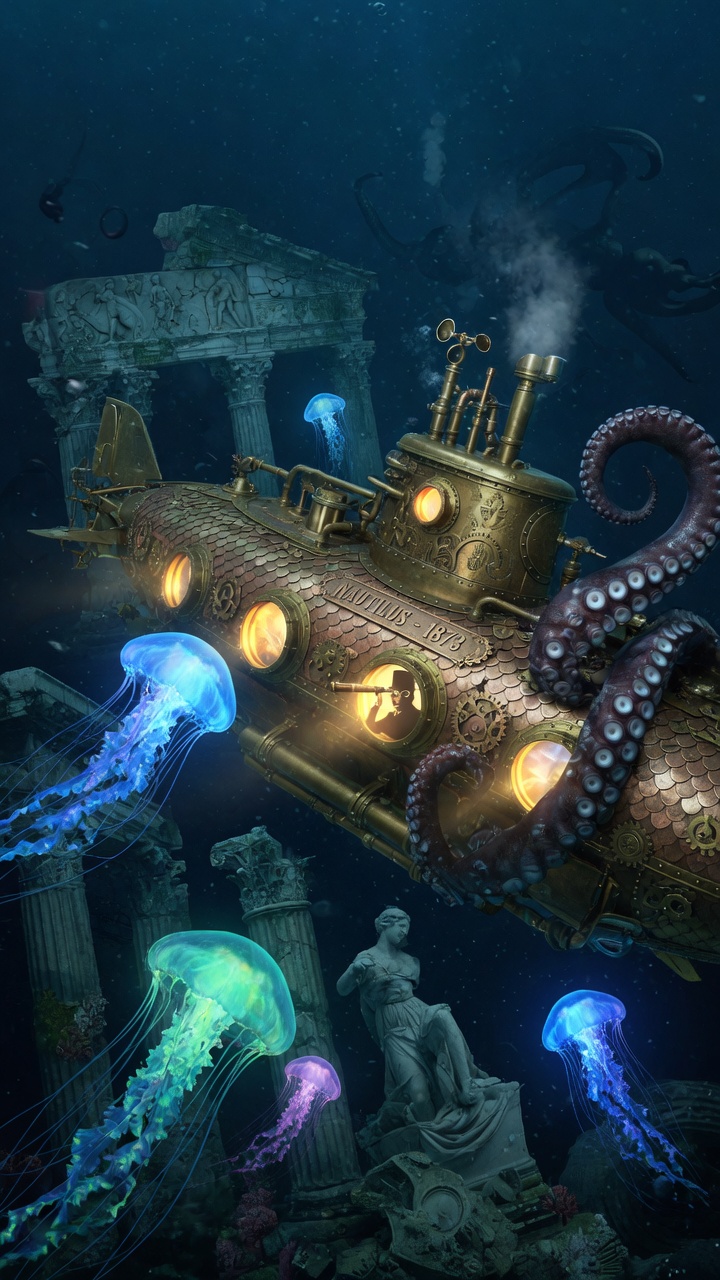
Twenty Thousand Leagues Under the Sea
Jules Verne · 1870
Beneath the waves, one captain rules a world no one knew existed.
A mysterious genius, a submarine generations ahead of its time, and a giant squid in the crushing deep. Verne's blueprint for every undersea adventure since.
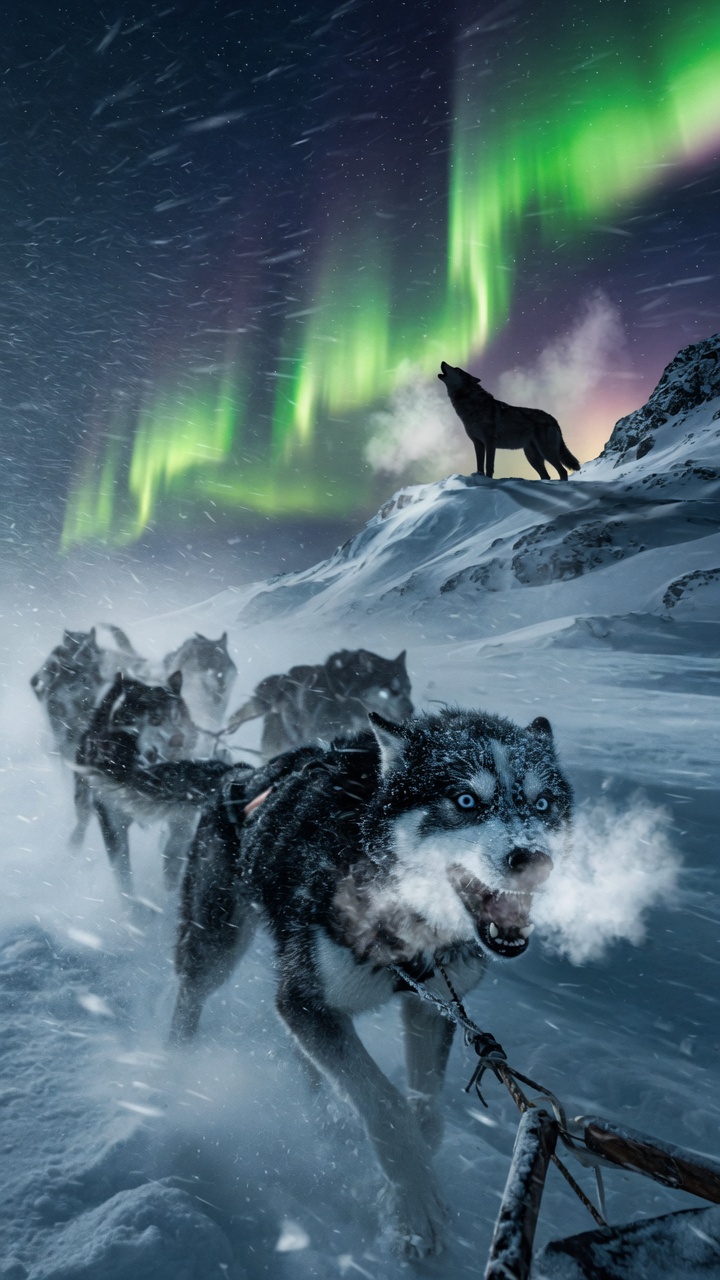
The Call of the Wild
Jack London · 1903
They made him a sled dog. The wild made him a legend.
Ripped from a sunny ranch into the brutal Klondike, a dog rediscovers the wolf inside. A primal survival epic told through the animal's own eyes.
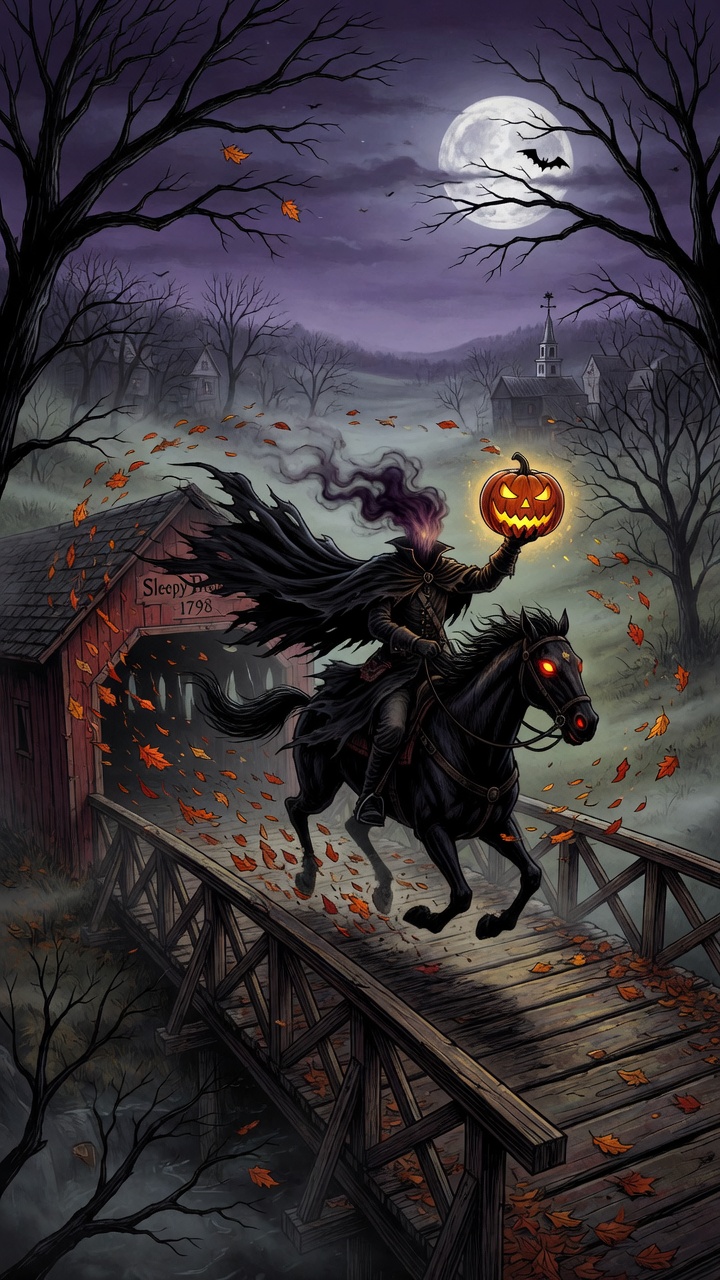
The Legend of Sleepy Hollow
Washington Irving · 1820
Every autumn the Headless Horseman rides. This year, he's hunting.
A superstitious schoolteacher, a moonlit village, and a galloping ghost with a flaming pumpkin for a head. The original American ghost story.
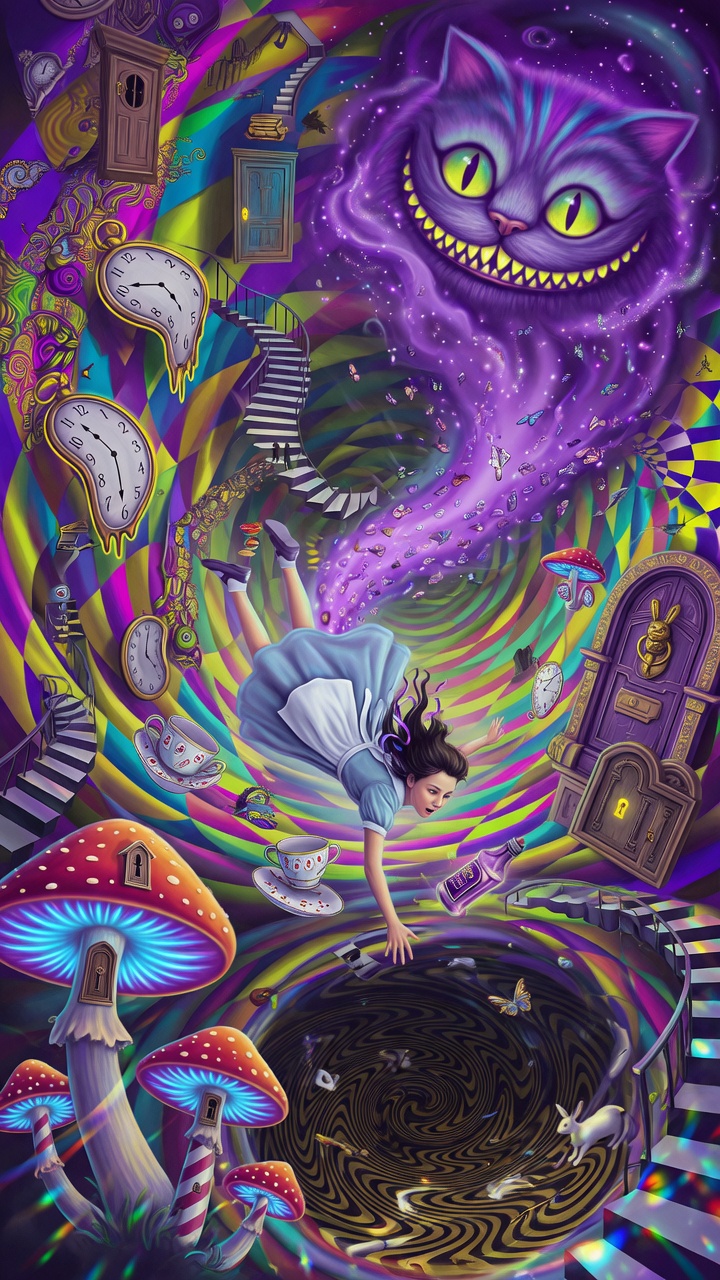
Alice's Adventures in Wonderland
Lewis Carroll · 1865
Down the rabbit hole, nothing makes sense — and everything wants to play.
A girl falls into a world of grinning cats, mad tea parties, and a queen who screams for heads. The trippiest book ever aimed at children.
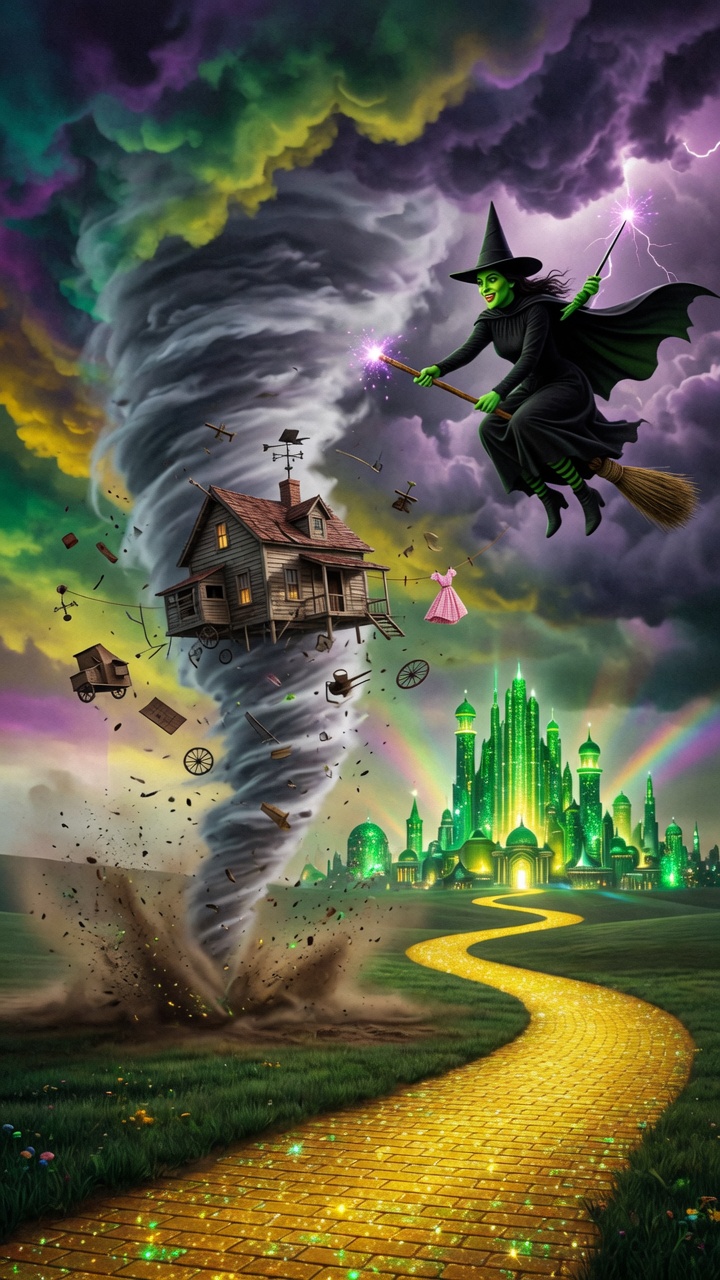
The Wonderful Wizard of Oz
L. Frank Baum · 1900
A tornado dropped her in a strange land. The only way home runs through a wizard who isn't what he seems.
Before the movie, there was the book: a cyclone, a yellow brick road, a wicked witch, and a humbug behind the curtain. Pure American fairy tale.
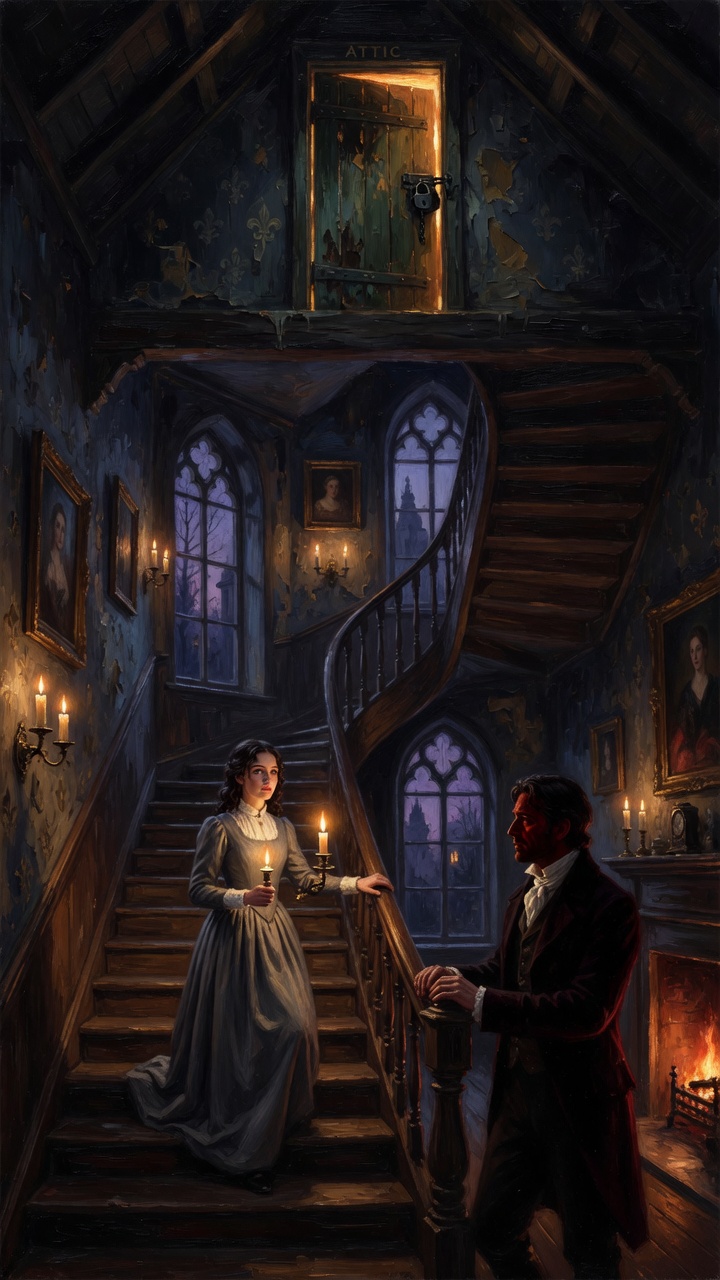
Jane Eyre
Charlotte Brontë · 1847
A penniless governess. A brooding master. A secret locked upstairs.
The original slow-burn romance with a spine of steel. Plain, poor, and refusing to be anyone's fool — Jane is the heroine every modern love story is still copying.
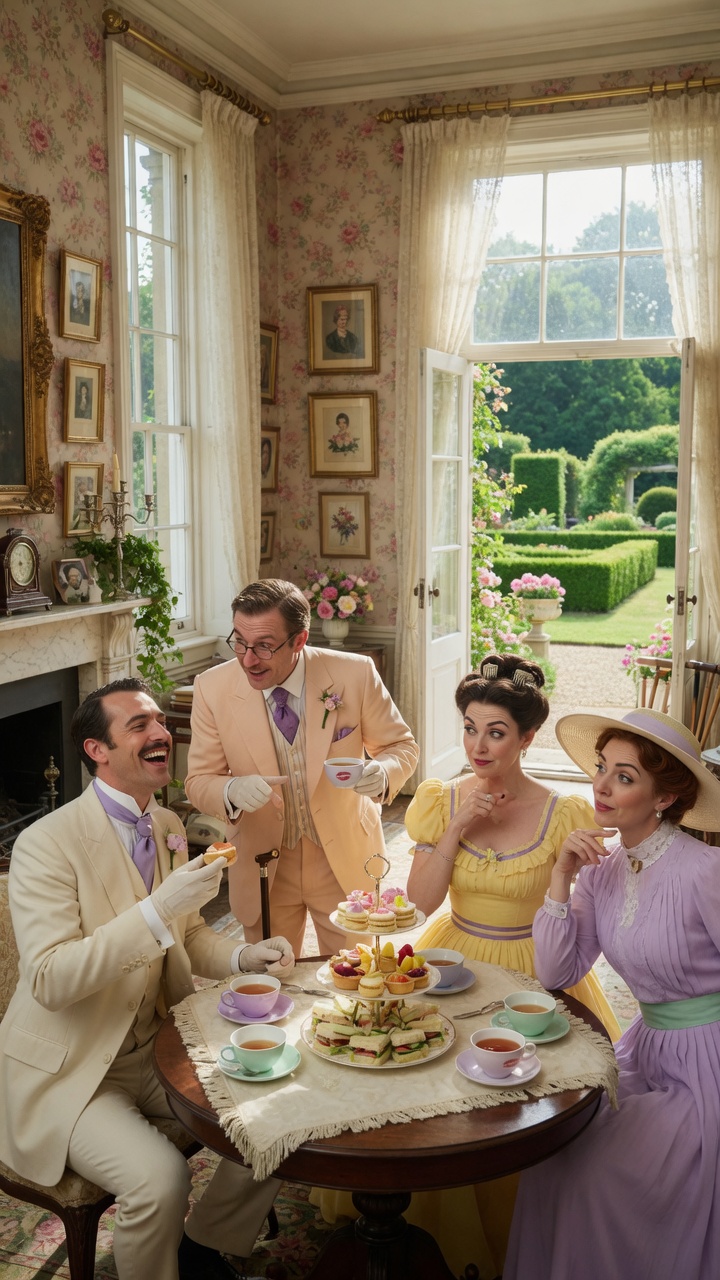
The Importance of Being Earnest
Oscar Wilde · 1895
Two men, two fake identities, one very inconvenient handbag.
The funniest play in the English language — a champagne-fizzy farce of double lives, cucumber sandwiches, and Wilde's most quotable zingers. Pure delight.
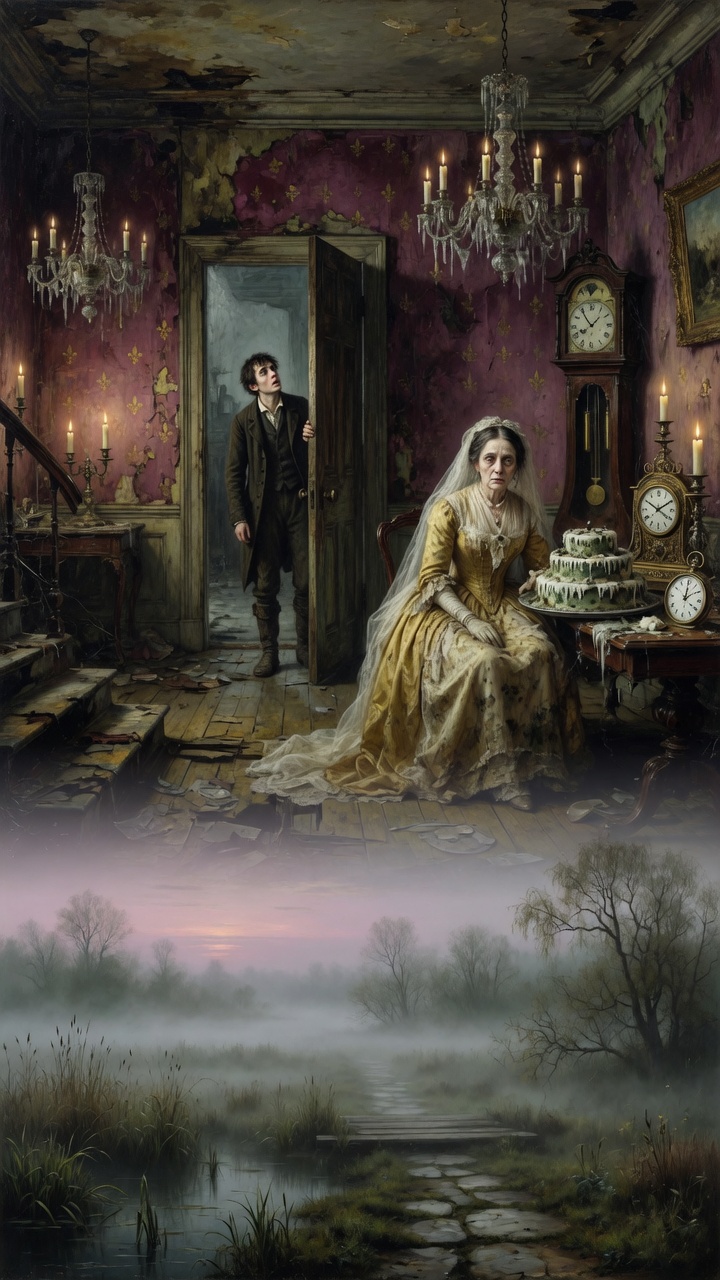
Great Expectations
Charles Dickens · 1861
A poor boy. A secret fortune. A benefactor he never expected.
Dickens at his richest: a blacksmith's boy yanked into wealth and heartbreak, a jilted bride frozen in time, and the mystery of who's really behind it all.
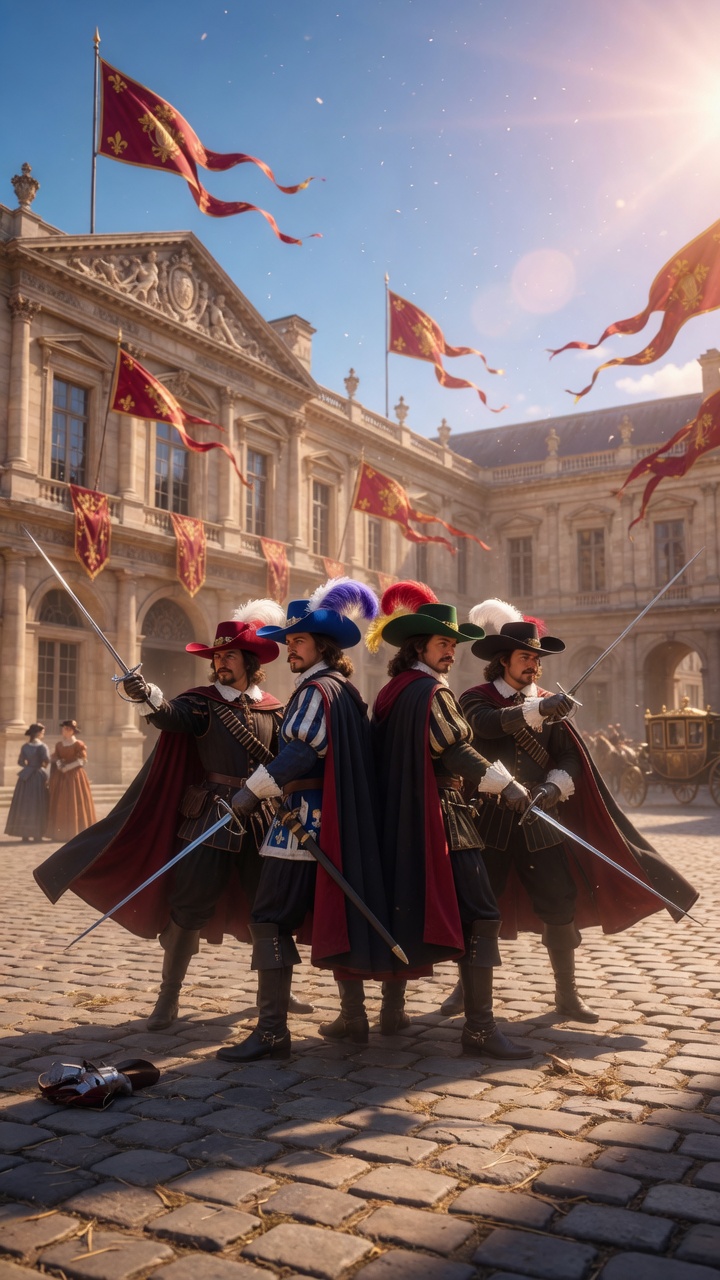
The Three Musketeers
Alexandre Dumas · 1844
All for one, and one for all — now draw your sword.
Swashbuckling at full gallop: duels, court intrigue, and four hot-headed friends taking on a cardinal's army. The blueprint for every buddy-action movie since.
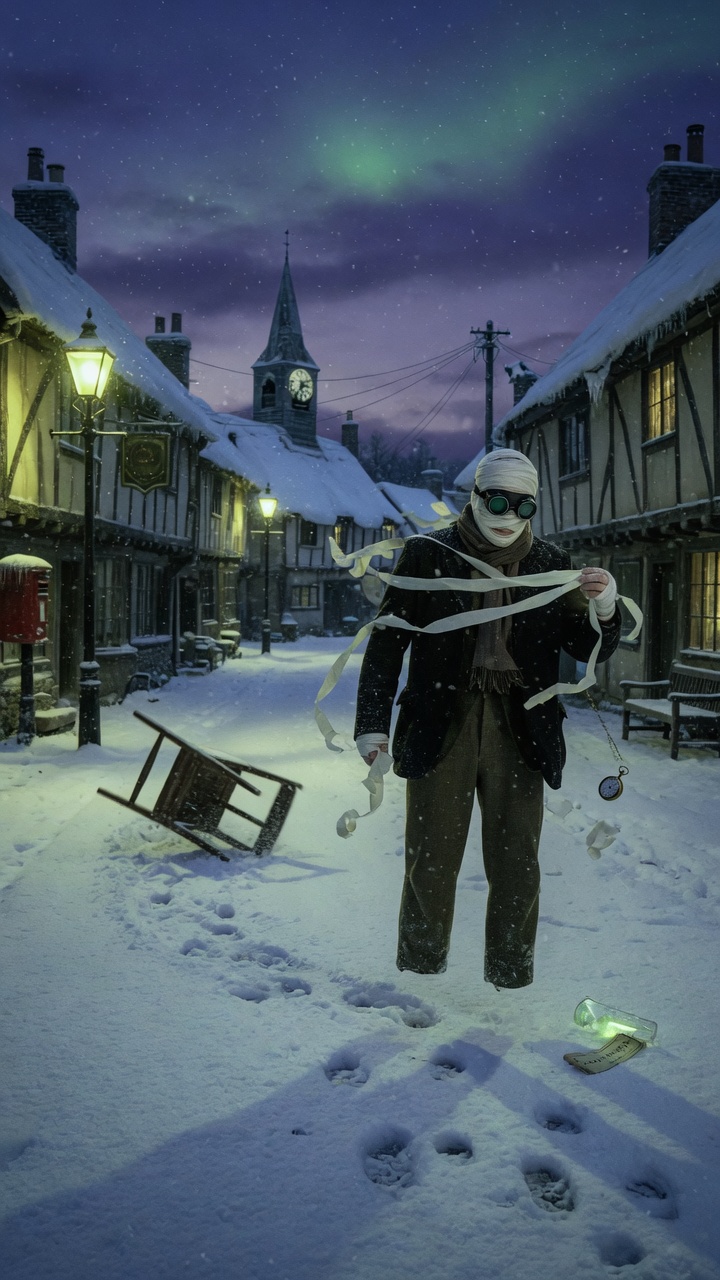
The Invisible Man
H. G. Wells · 1897
He found the secret of invisibility. It cost him his mind.
A scientist erases himself from sight — then discovers that power without a face is a fast road to madness. Tense, eerie, and decades ahead of its time.
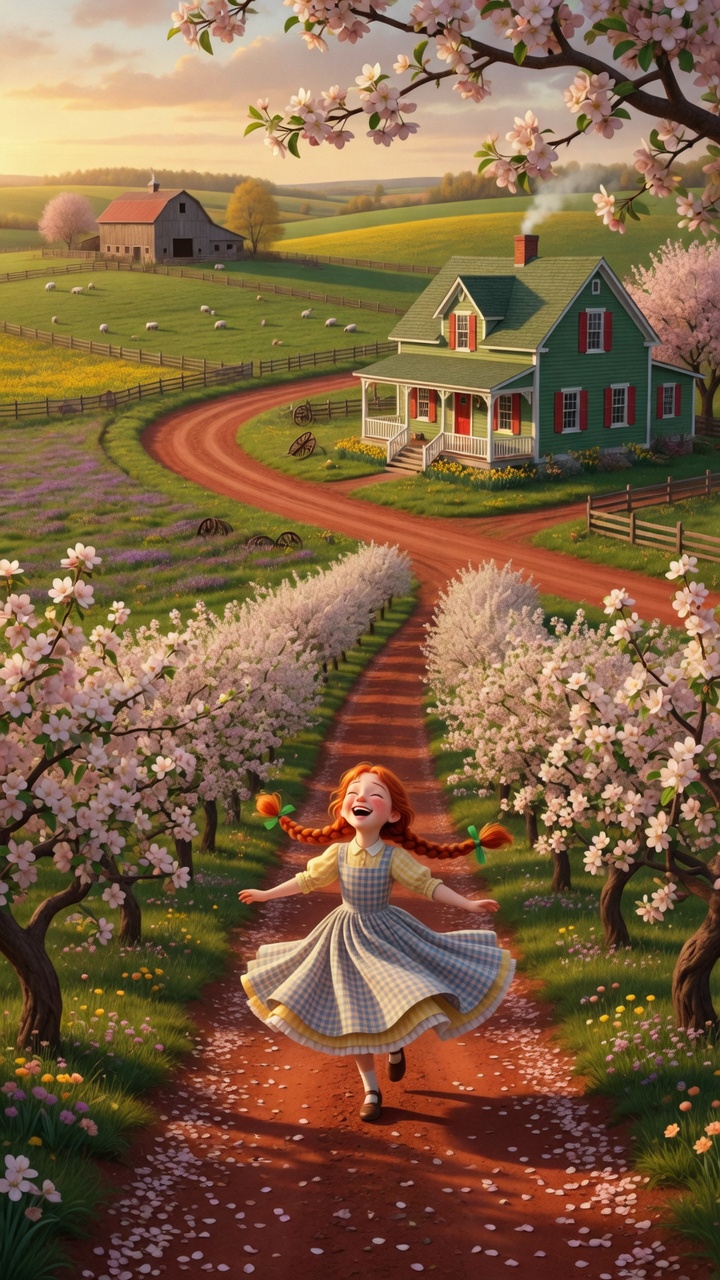
Anne of Green Gables
L. M. Montgomery · 1908
They wanted a farmhand. They got a red-headed whirlwind.
An orphan with a runaway imagination talks her way into one family's heart and a whole island's. Warm, funny, and impossible not to root for.
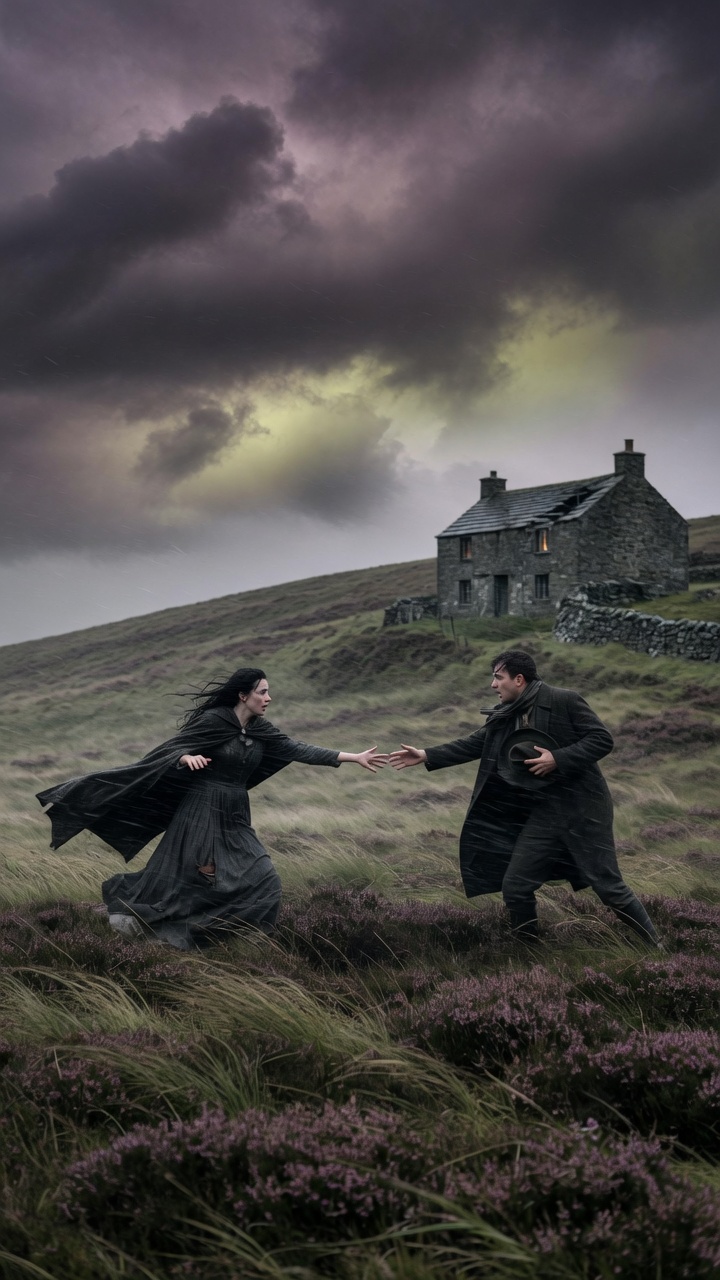
Wuthering Heights
Emily Brontë · 1847
A love so fierce it outlives them both — and ruins everyone.
Not a cozy romance — a storm. Obsessive, doomed, and savage, Heathcliff and Cathy's bond is the wildest love story in the language.
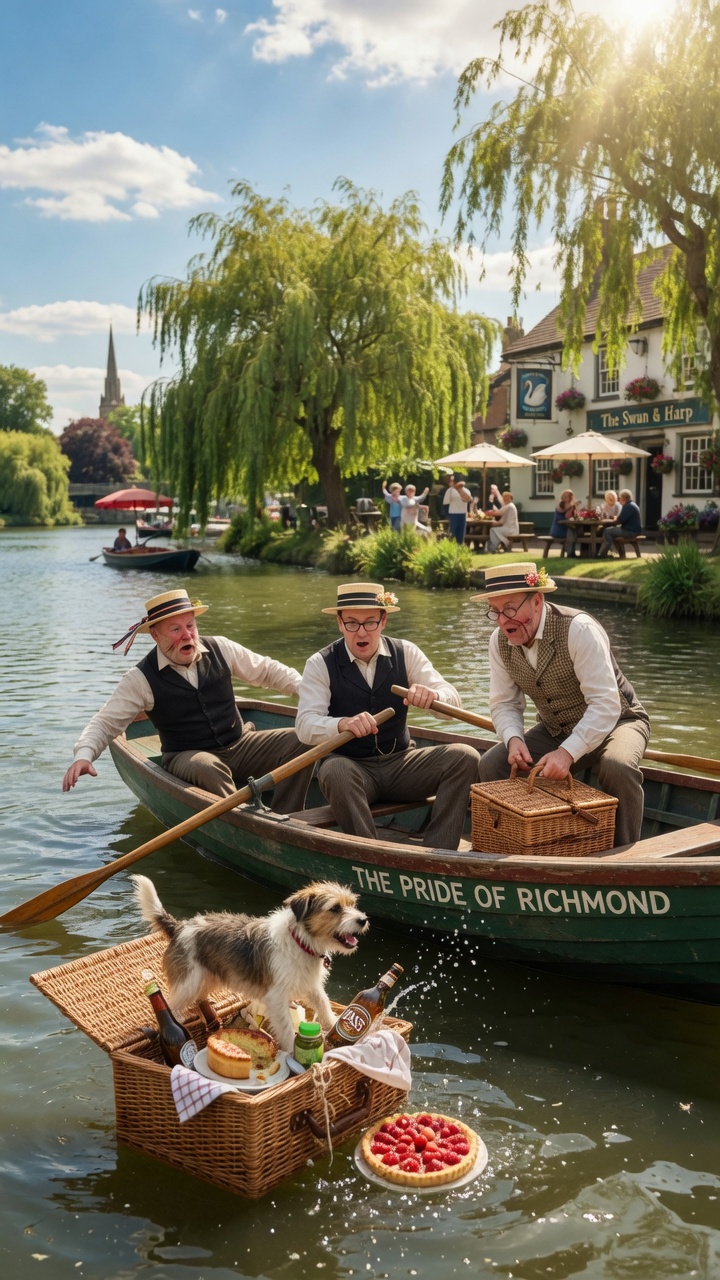
Three Men in a Boat
Jerome K. Jerome · 1889
Three friends, one dog, and a boat none of them can row.
A lazy river trip that goes hilariously wrong at every bend. Victorian England's funniest book — basically a 19th-century comedy podcast about absolutely nothing.
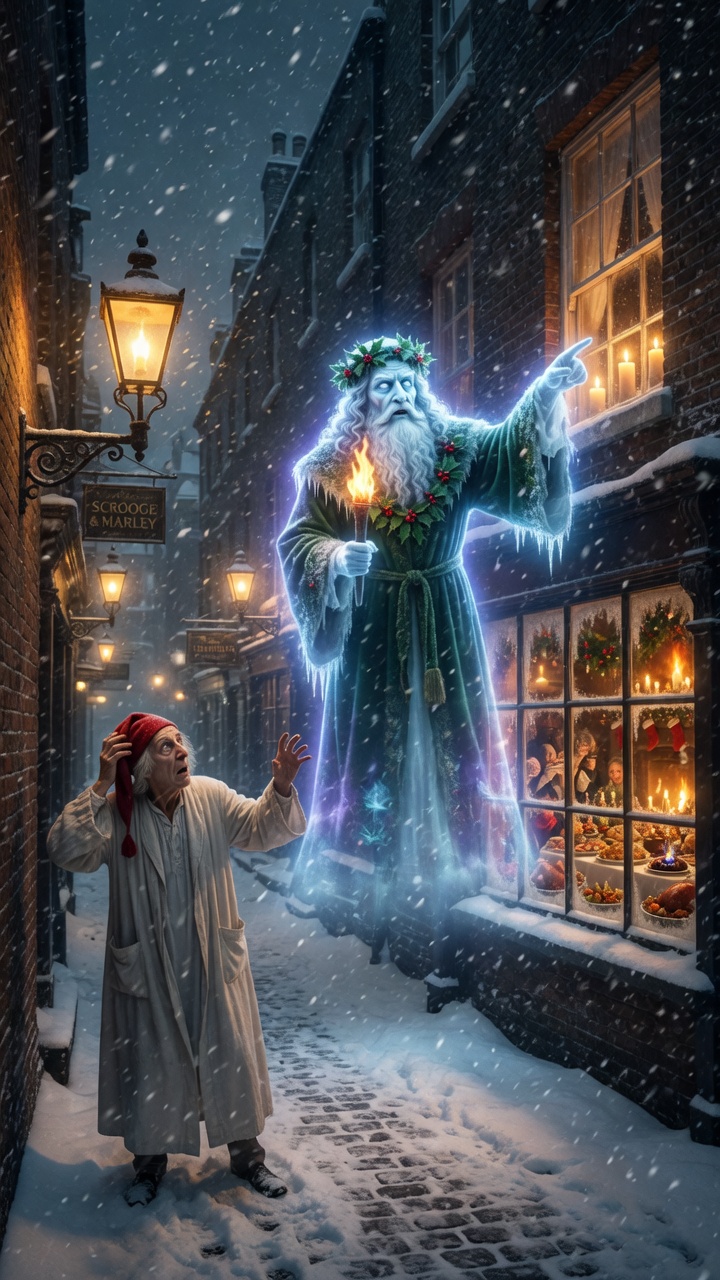
A Christmas Carol
Charles Dickens · 1843
One cold night. Three ghosts. One last chance to change.
The redemption story that invented modern Christmas. A miser, three spirits, and a single night that thaws a frozen heart. Gets you every single time.
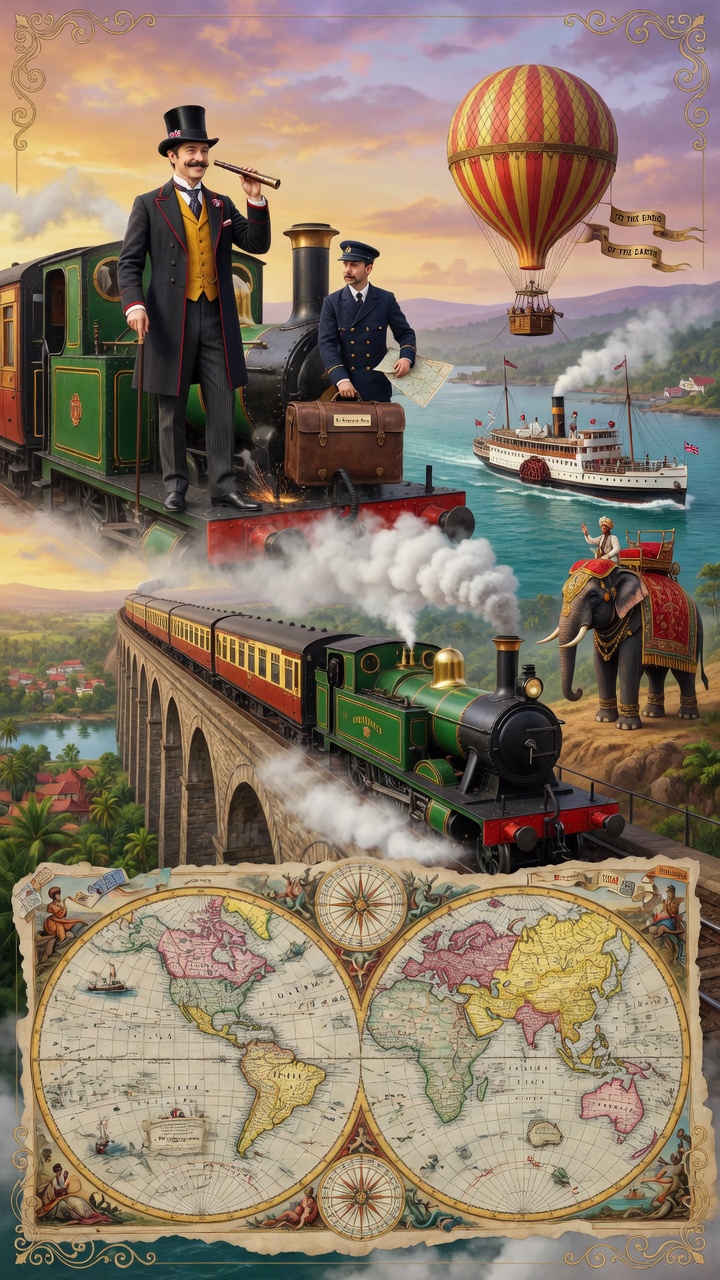
Around the World in Eighty Days
Jules Verne · 1873
A gentleman bets his fortune he can circle the globe in 80 days.
A breakneck Victorian race around the world — trains, steamers, elephants, and one impossibly cool Englishman who refuses to panic. Pure adventure fun.
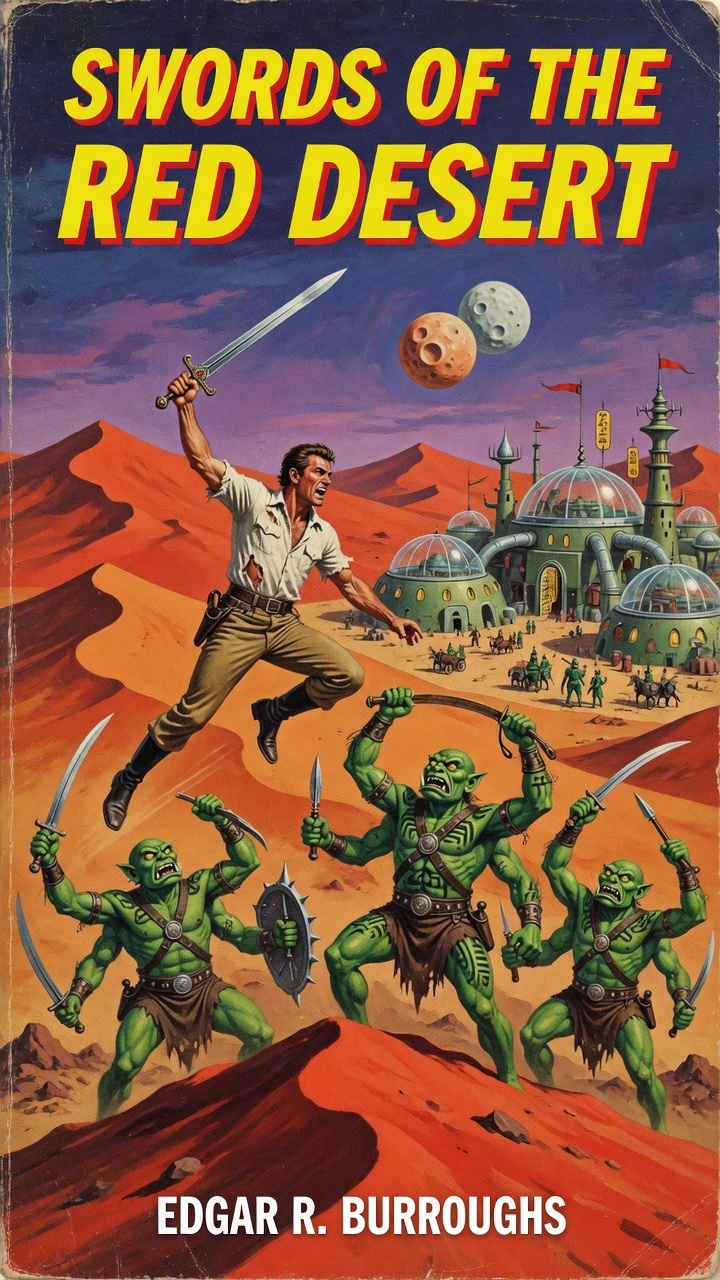
A Princess of Mars
Edgar Rice Burroughs · 1912
A soldier wakes on Mars — half the gravity, twice the danger.
The pulpy granddad of every space adventure (yes, including the ones with laser swords). Sword fights, four-armed warriors, and a red-planet princess.
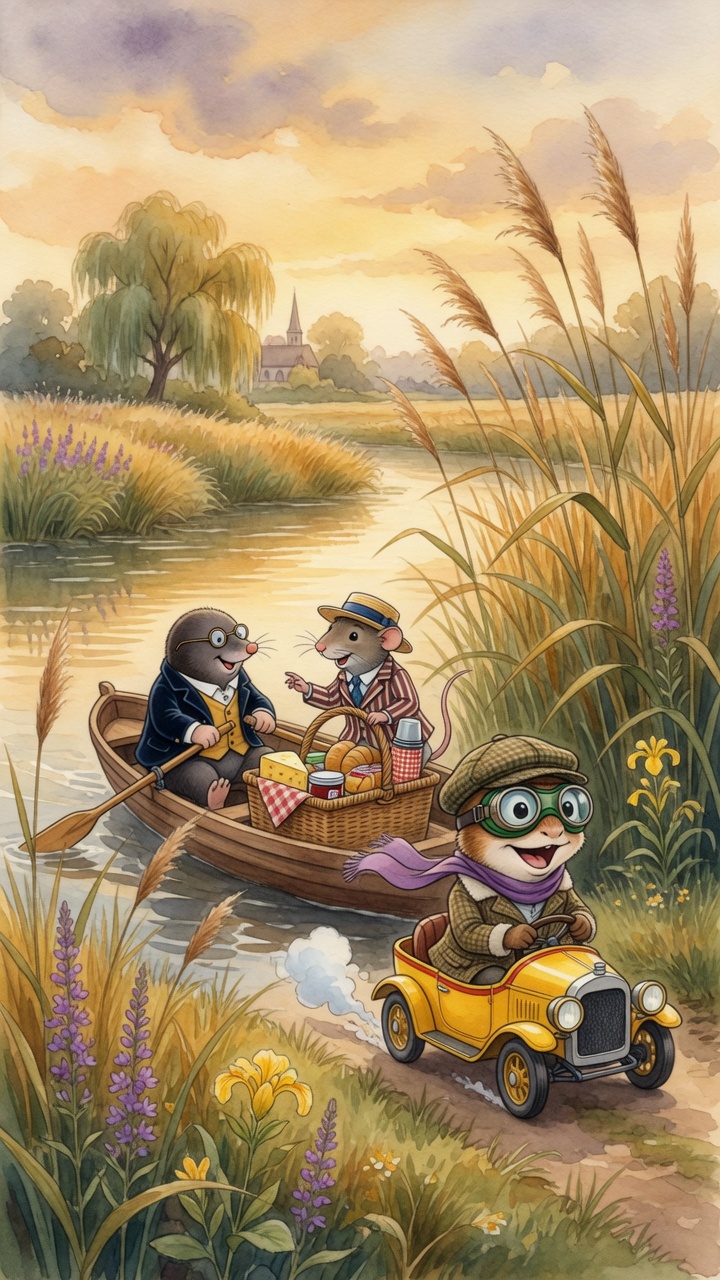
The Wind in the Willows
Kenneth Grahame · 1908
Messing about in boats with the best friends in fiction.
The coziest book ever written — riverbank picnics, a reckless toad with a shiny new motorcar, and friendship so warm it feels like a blanket. Pure comfort.
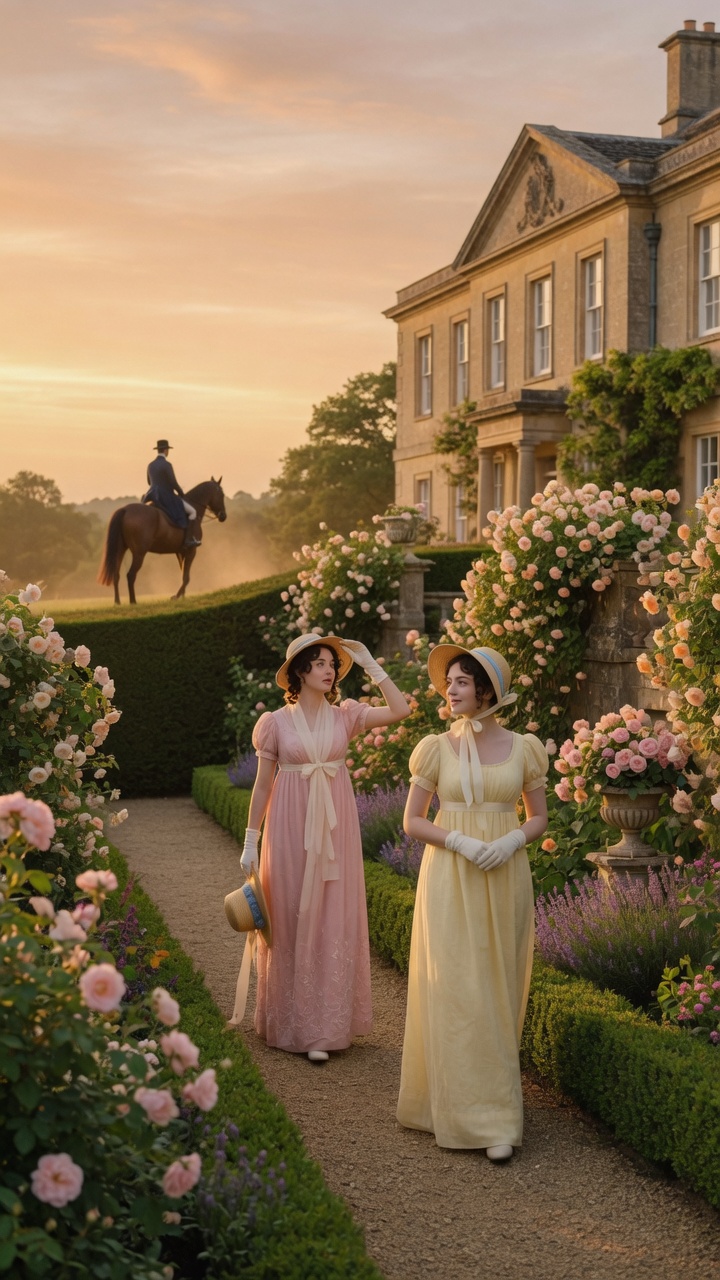
Sense and Sensibility
Jane Austen · 1811
Two sisters. Two ways to fall in love. Both get their hearts broken.
Austen's wit at full sparkle: head-versus-heart sisters navigating cads, heartbreak, and the marriage market. Swoony, funny, and quietly devastating.

Adventures of Huckleberry Finn
Mark Twain · 1884
A runaway boy, an escaped man, and a raft down the Mississippi.
Twain's masterpiece: funny, big-hearted, and quietly revolutionary — a friendship on a river that says more about America than any textbook ever could.
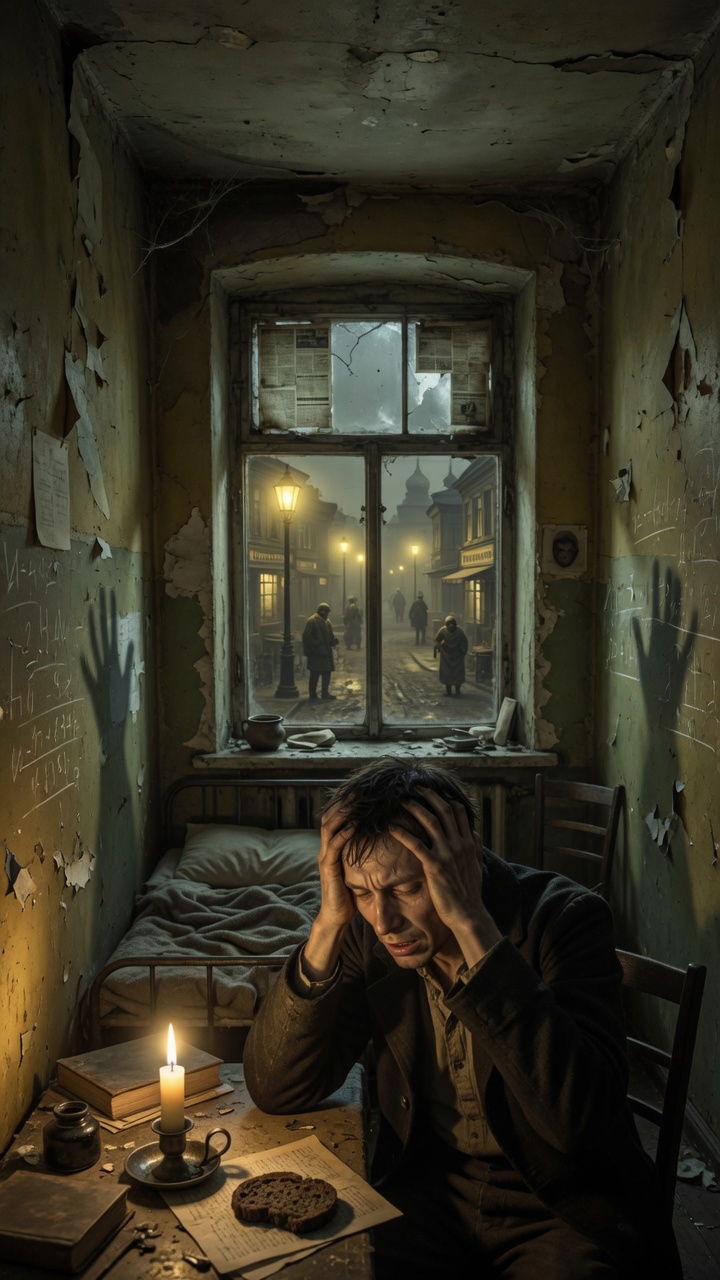
Crime and Punishment
Fyodor Dostoevsky · 1866
He thought he was above the law. His conscience disagreed.
A feverish descent into a killer's mind — guilt, dread, and the long road to redemption in the slums of St. Petersburg. Tense as any thriller, deep as it gets.
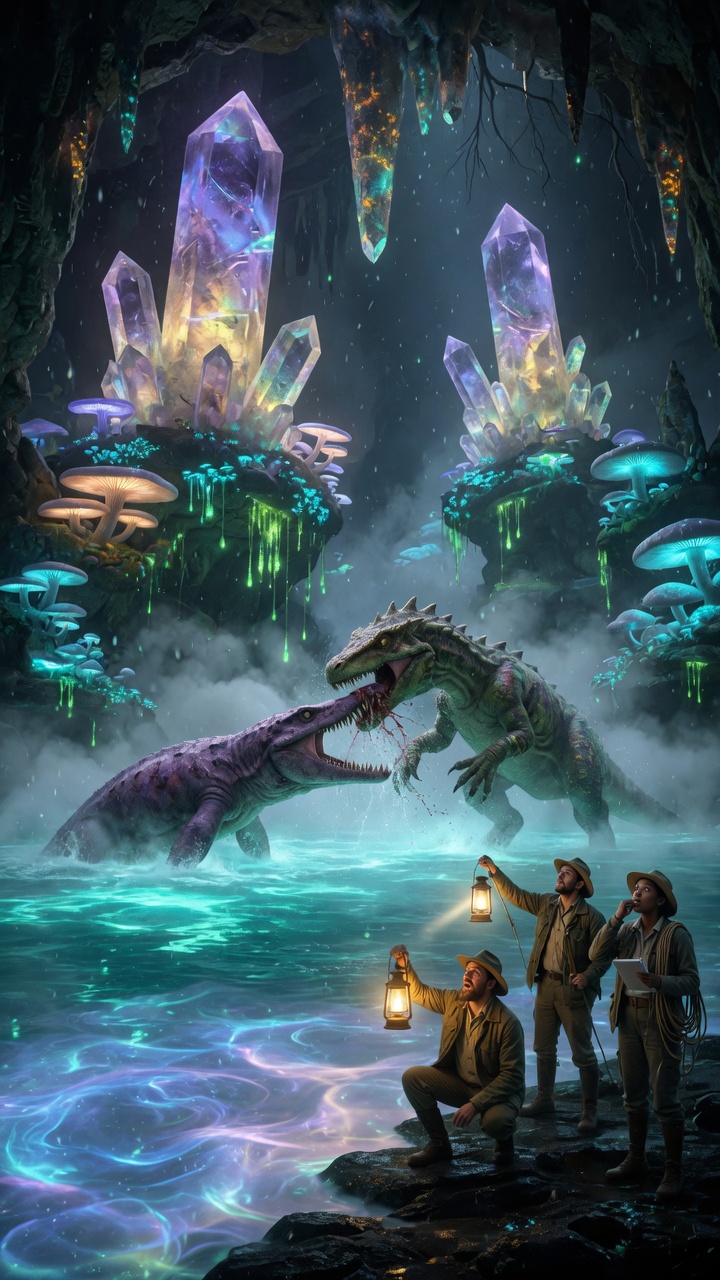
A Journey to the Centre of the Earth
Jules Verne · 1864
Down a volcano lies a world that time forgot.
Verne sends you spelunking to the center of the Earth — underground oceans, glowing caverns, and living dinosaurs. Wonder-filled adventure for the curious.
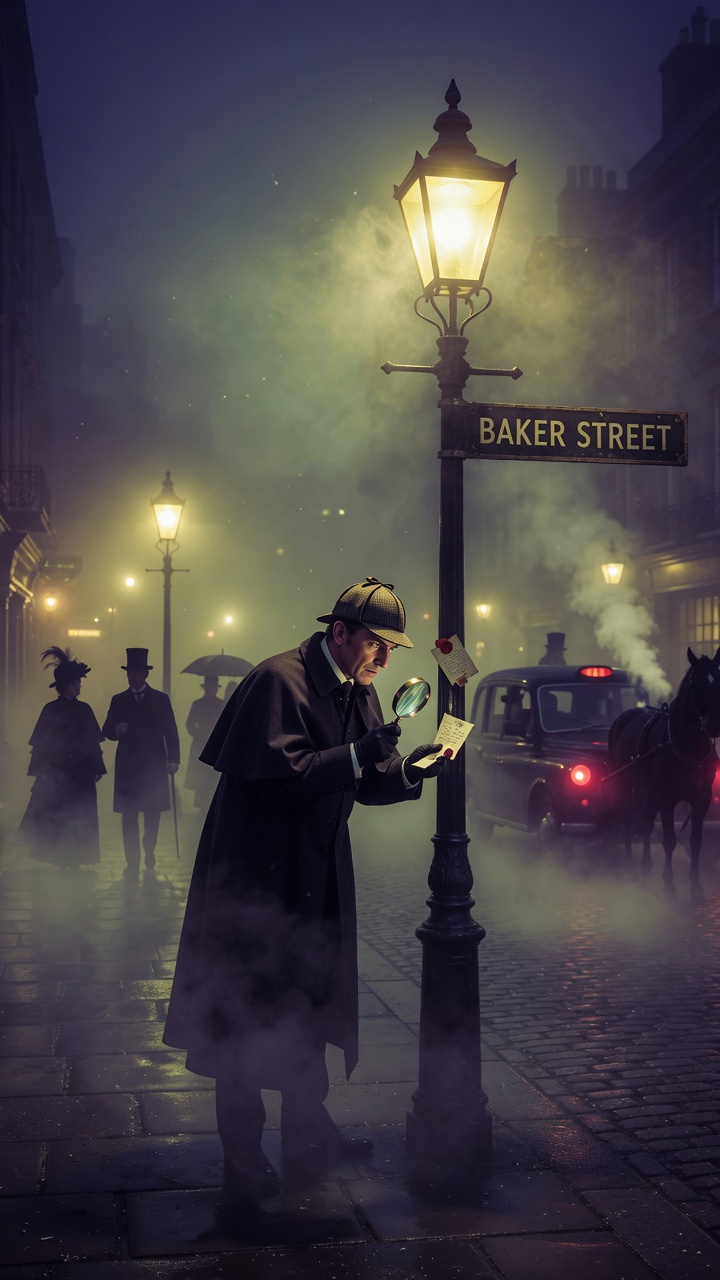
The Adventures of Sherlock Holmes
Arthur Conan Doyle · 1892
You see. He observes. The game is afoot.
The detective who started it all. Twelve perfect puzzles, a foggy London, and a mind so sharp it feels like a superpower. Endlessly re-readable.
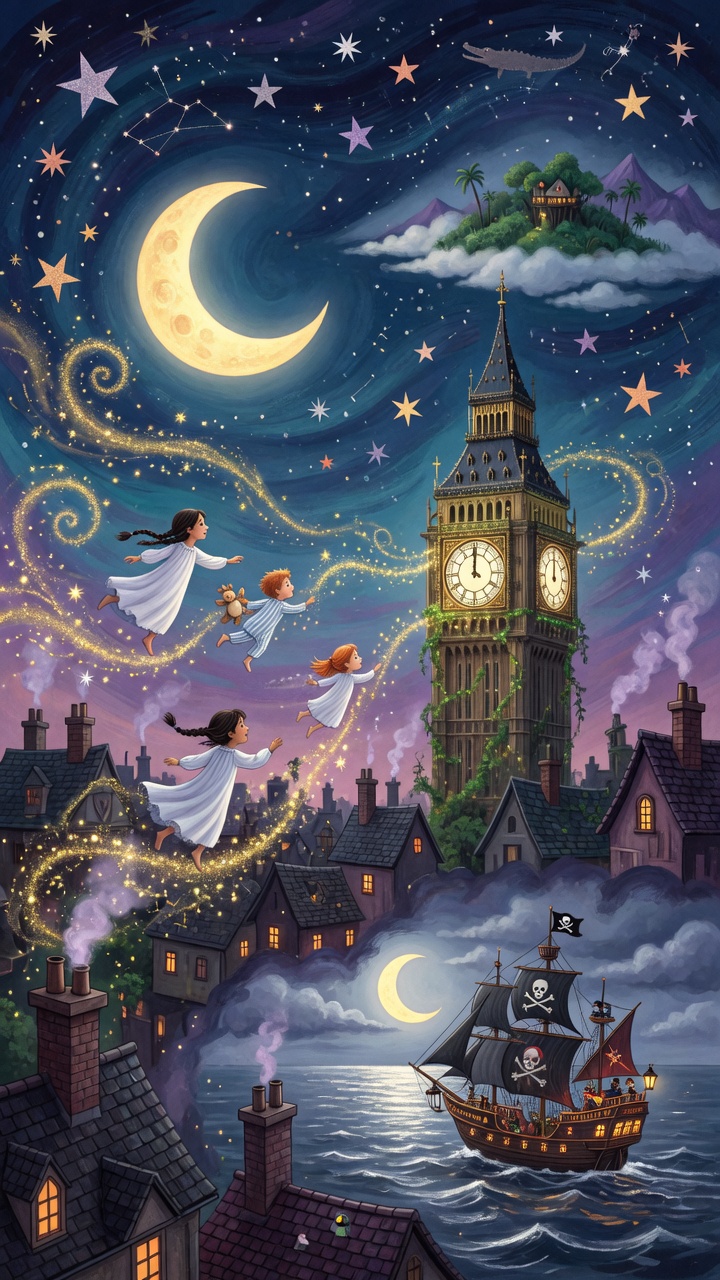
Peter Pan
J. M. Barrie · 1911
Second star to the right, and straight on till morning.
The boy who wouldn't grow up, a pirate with a hook, and a whole island of lost kids. Magical, bittersweet, and far more grown-up than you remember.
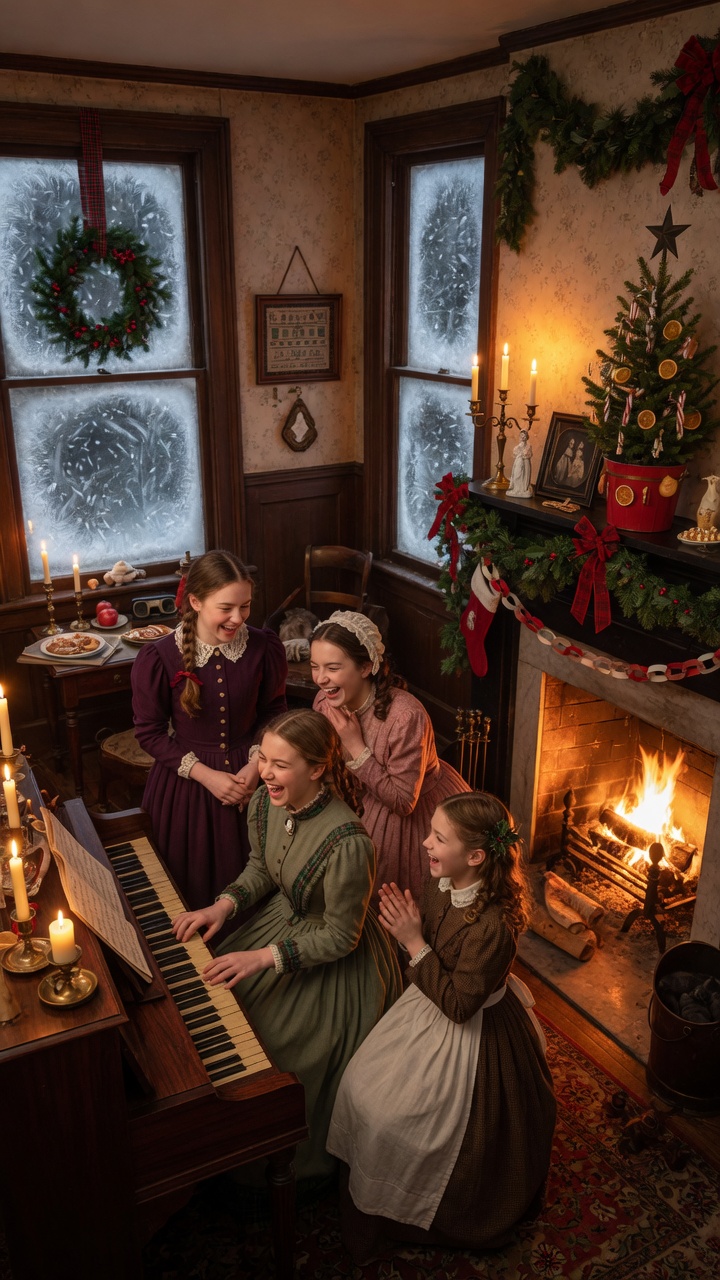
Little Women
Louisa May Alcott · 1868
Four sisters, one hard winter, and a whole life of growing up.
Warm, funny, and quietly profound — the March sisters' loves, losses, and dreams have made readers cry for over 150 years. Comfort reading at its finest.
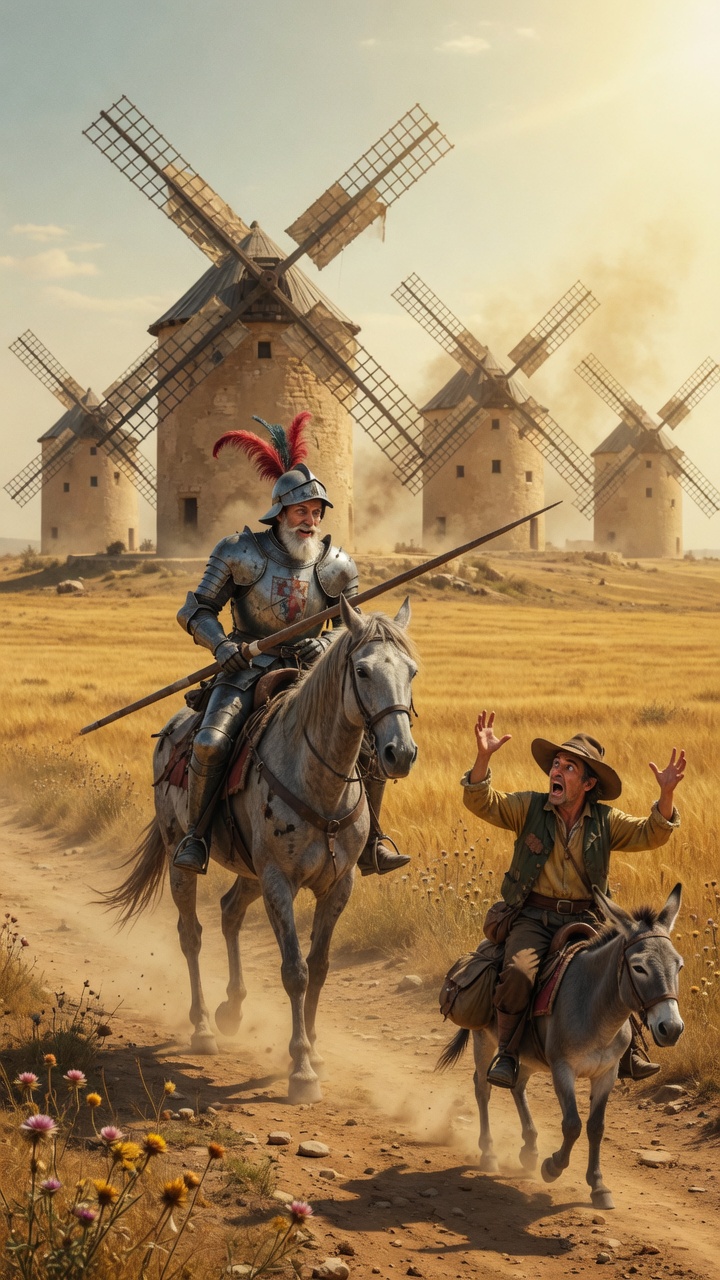
Don Quixote
Miguel de Cervantes · 1605
An old man reads too many knight stories — and decides to become one.
The first modern novel and still one of the funniest: a delusional would-be knight charging windmills, with the most loyal sidekick in literature. Joyous.
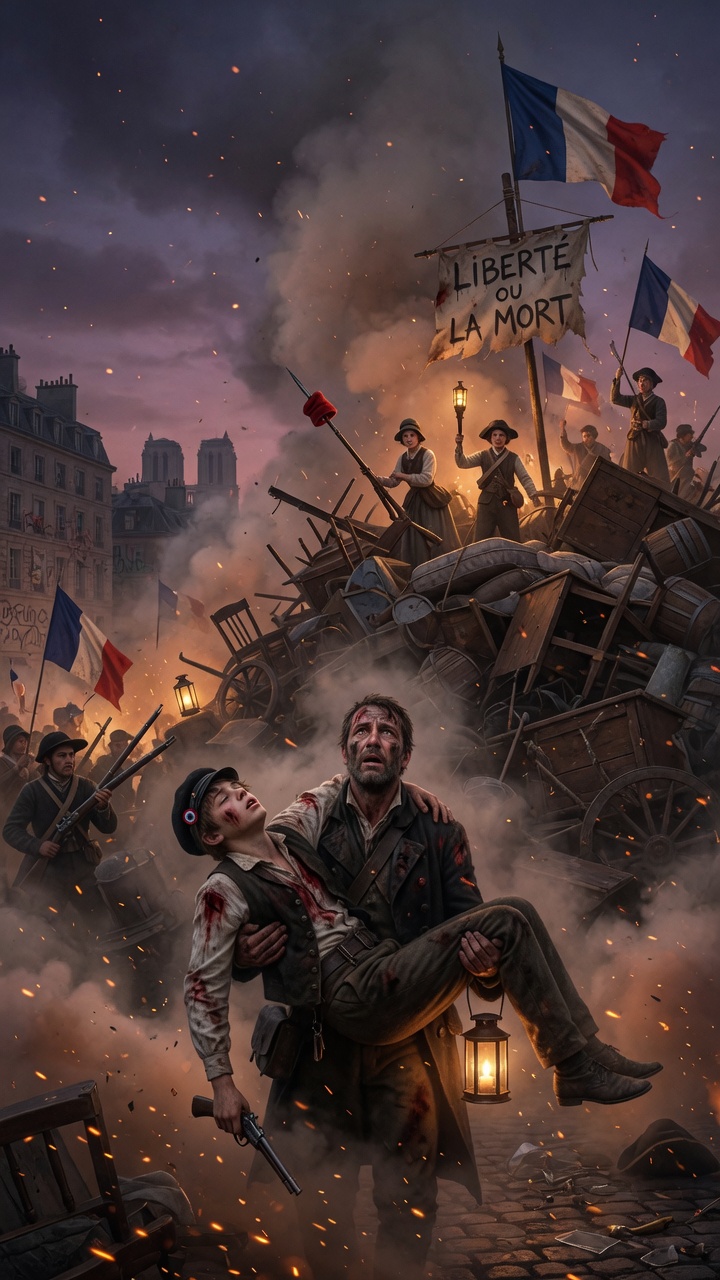
Les Misérables
Victor Hugo · 1862
One stolen loaf. Twenty years hunted. A revolution to die for.
Hugo's towering epic of mercy and obsession — an ex-convict chasing redemption, a relentless cop, and a barricade in revolutionary Paris. Sweeping and unforgettable.
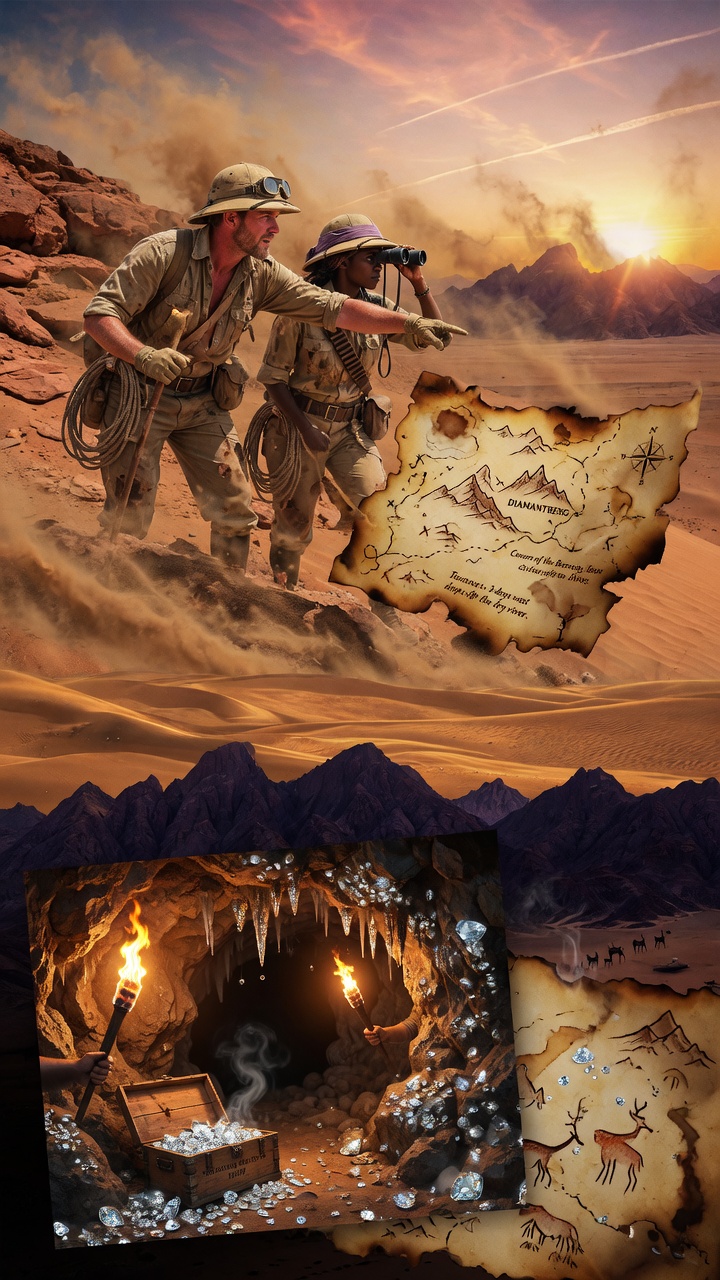
King Solomon's Mines
H. Rider Haggard · 1885
A treasure map written in blood leads into uncharted Africa.
The original lost-treasure hunt — the book that basically invented Indiana Jones. Deserts, diamond mines, and danger at every turn.
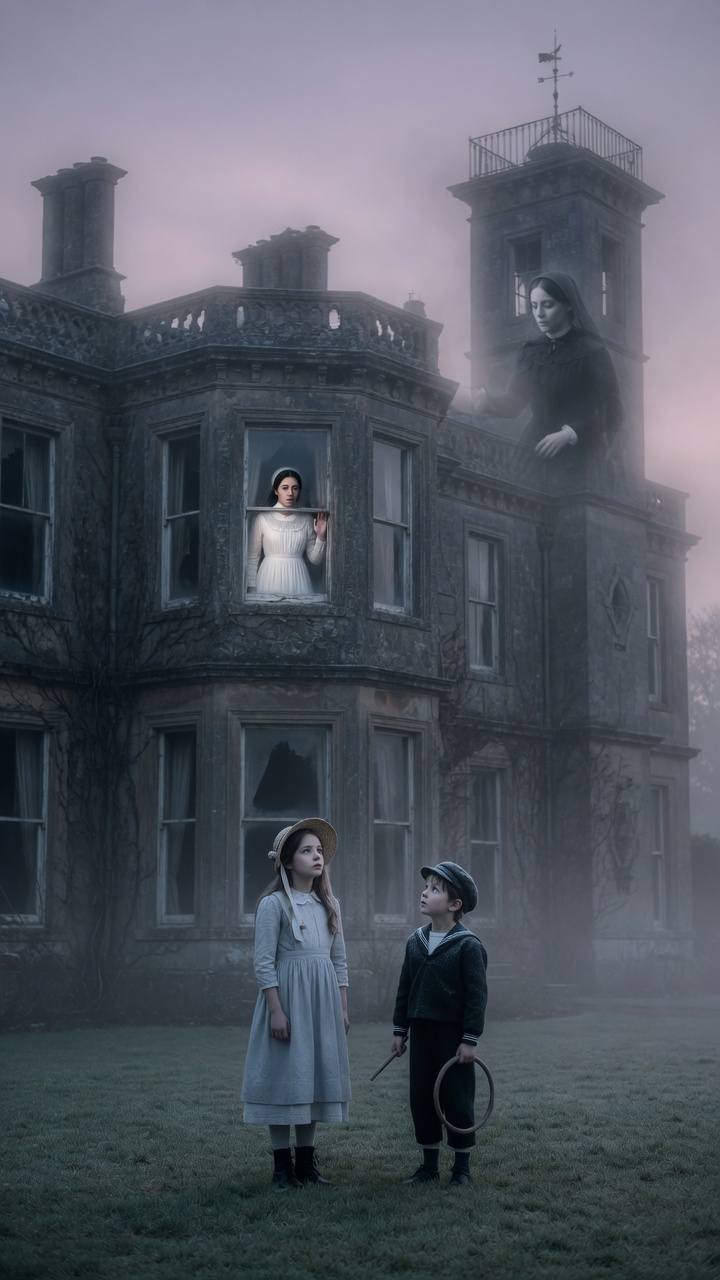
The Turn of the Screw
Henry James · 1898
Are the children haunted — or is she losing her mind?
The most unsettling ghost story ever written, because it never tells you if the ghosts are real. A governess, two strange children, and creeping dread.
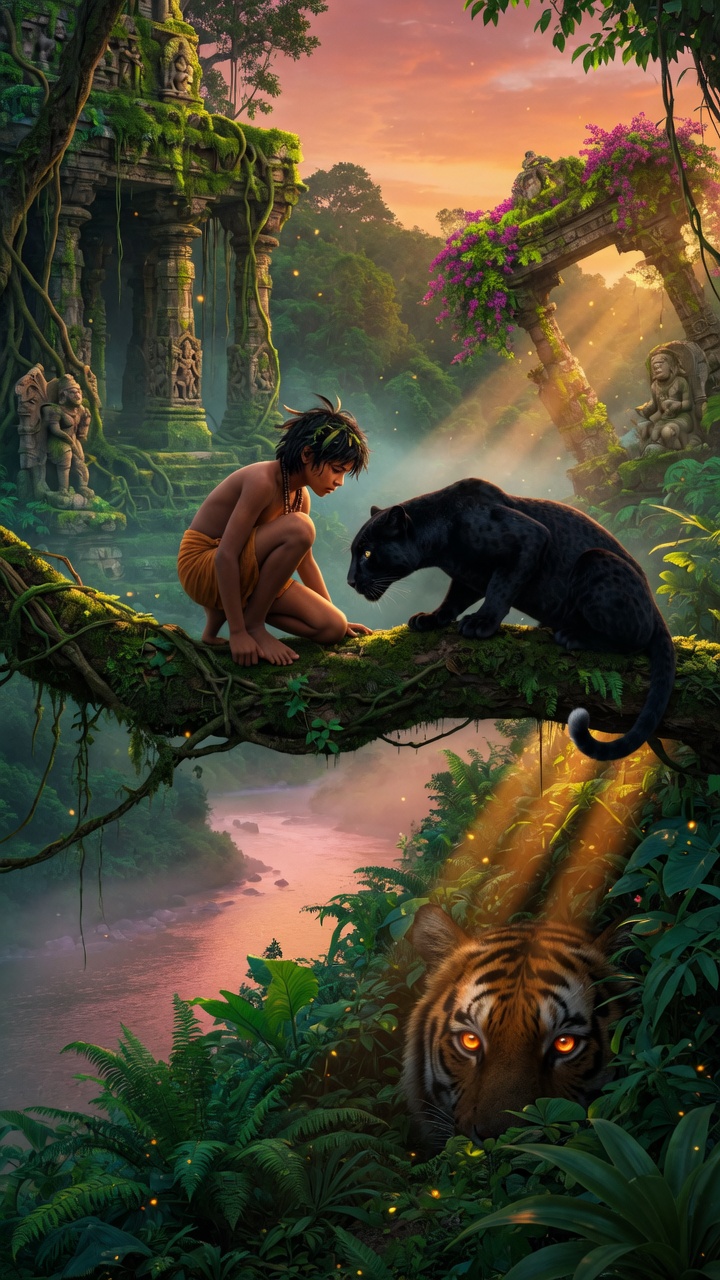
The Jungle Book
Rudyard Kipling · 1894
Raised by wolves. Hunted by a tiger. At home in the wild.
A boy growing up among panthers, bears, and wolves in the Indian jungle — thrilling, warm, and wilder than any cartoon version. The law of the jungle, up close.
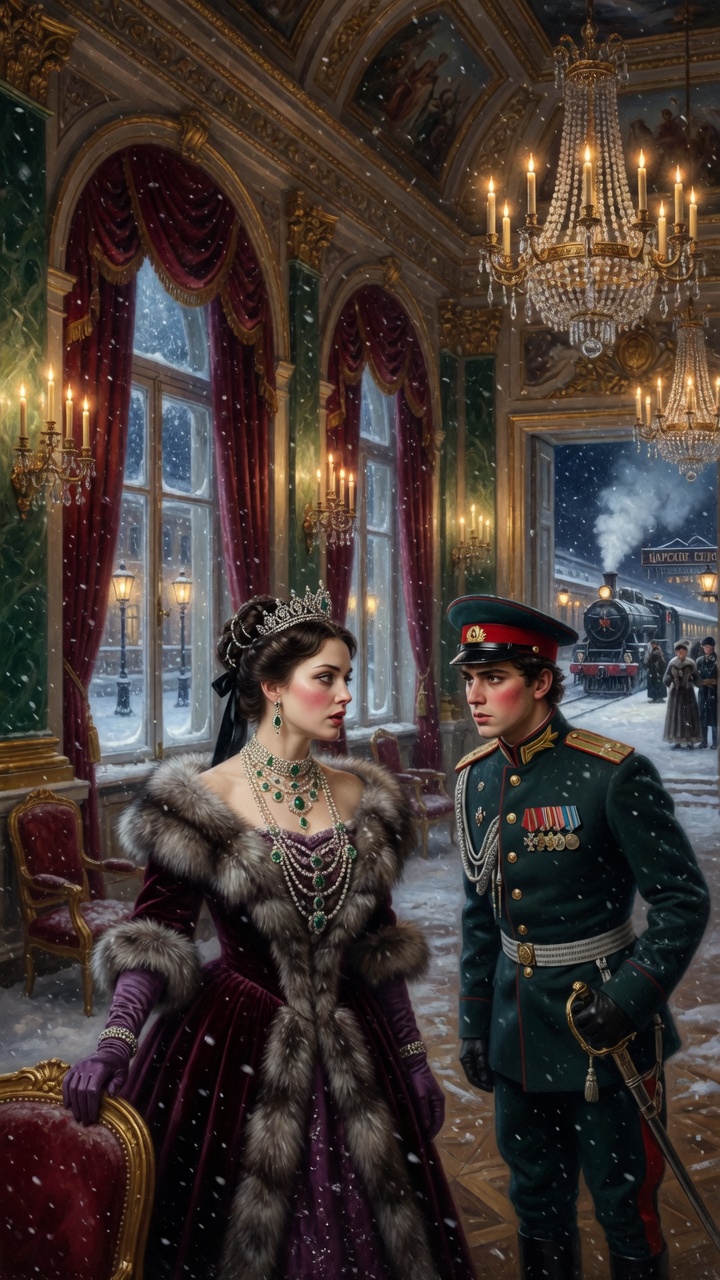
Anna Karenina
Leo Tolstoy · 1878
She risked everything for love. Society made her pay.
Tolstoy's sweeping tragedy of a passionate affair that defies a glittering, hypocritical society. Devastating, gorgeous, and impossibly human.
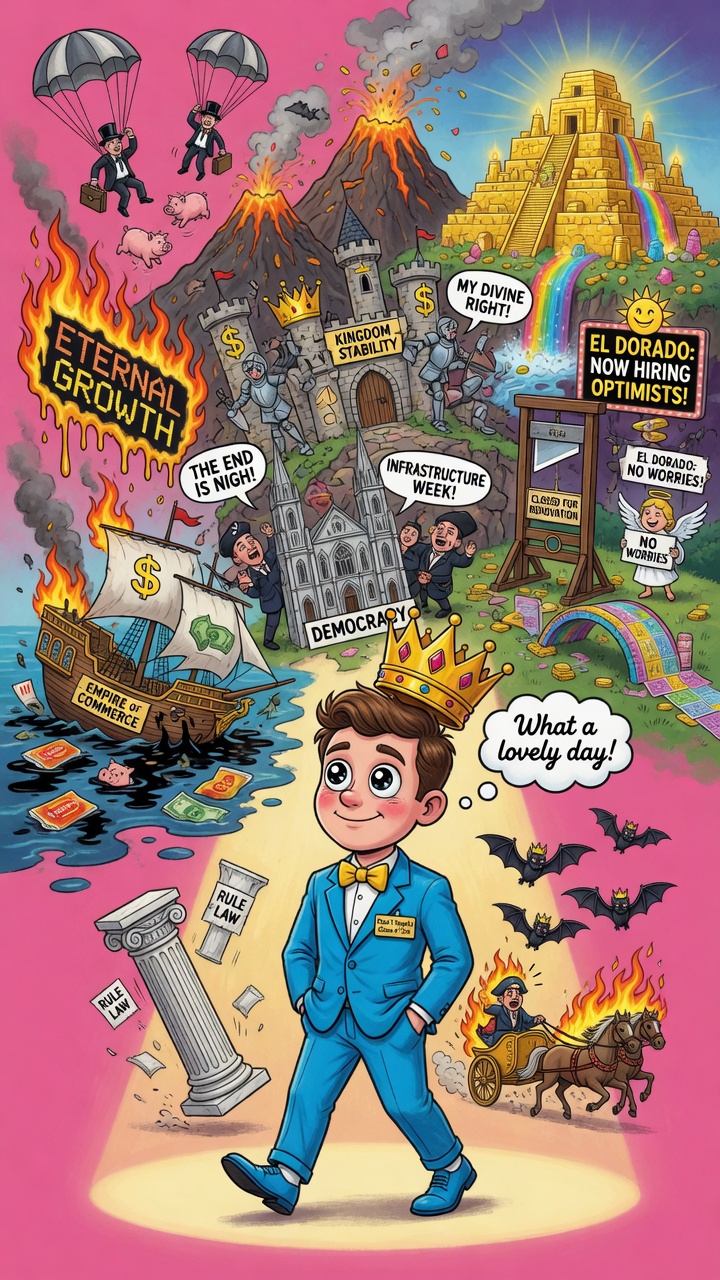
Candide
Voltaire · 1759
Everything happens for the best — in this best of all possible worlds?
Voltaire's savage, hilarious romp that drags wide-eyed optimism through every disaster imaginable. Short, sharp, and still the sharpest satire around.
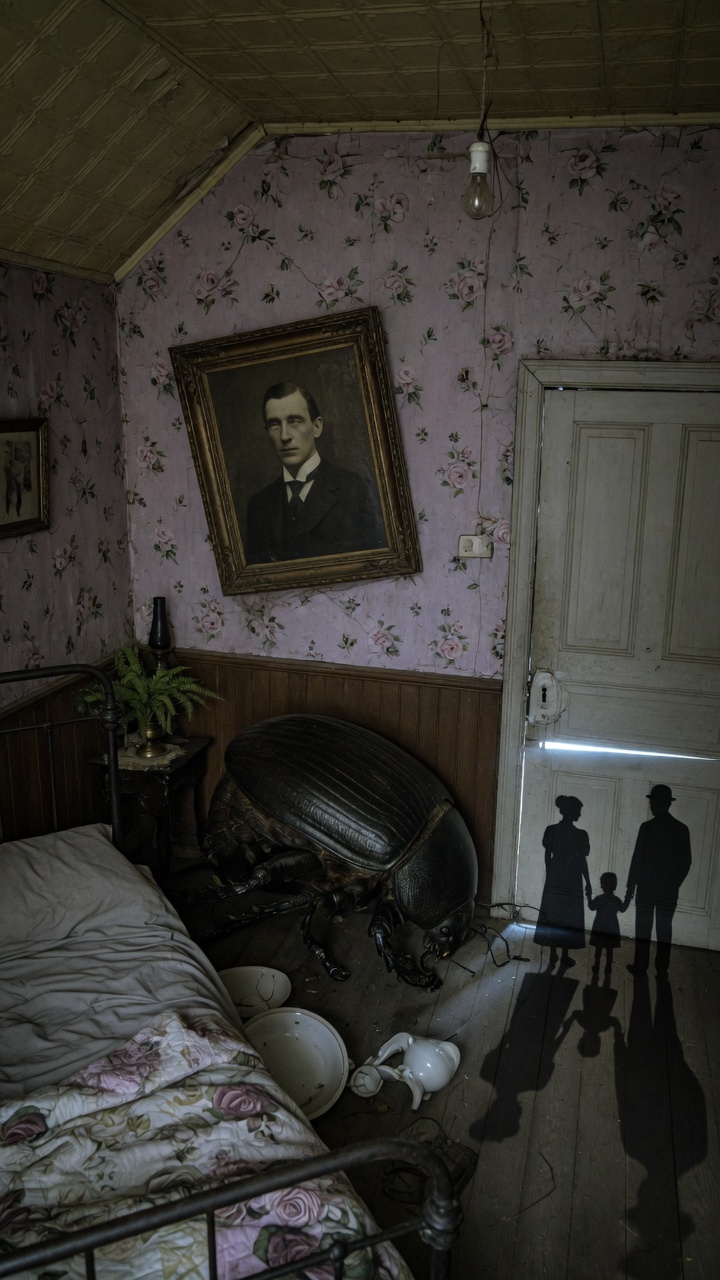
The Metamorphosis
Franz Kafka · 1915
He woke up as a giant insect. His family's reaction is the real horror.
Kafka's nightmare fable: a man transformed into a bug overnight, and the slow, devastating way his family stops seeing him as human. Strange and unforgettable.
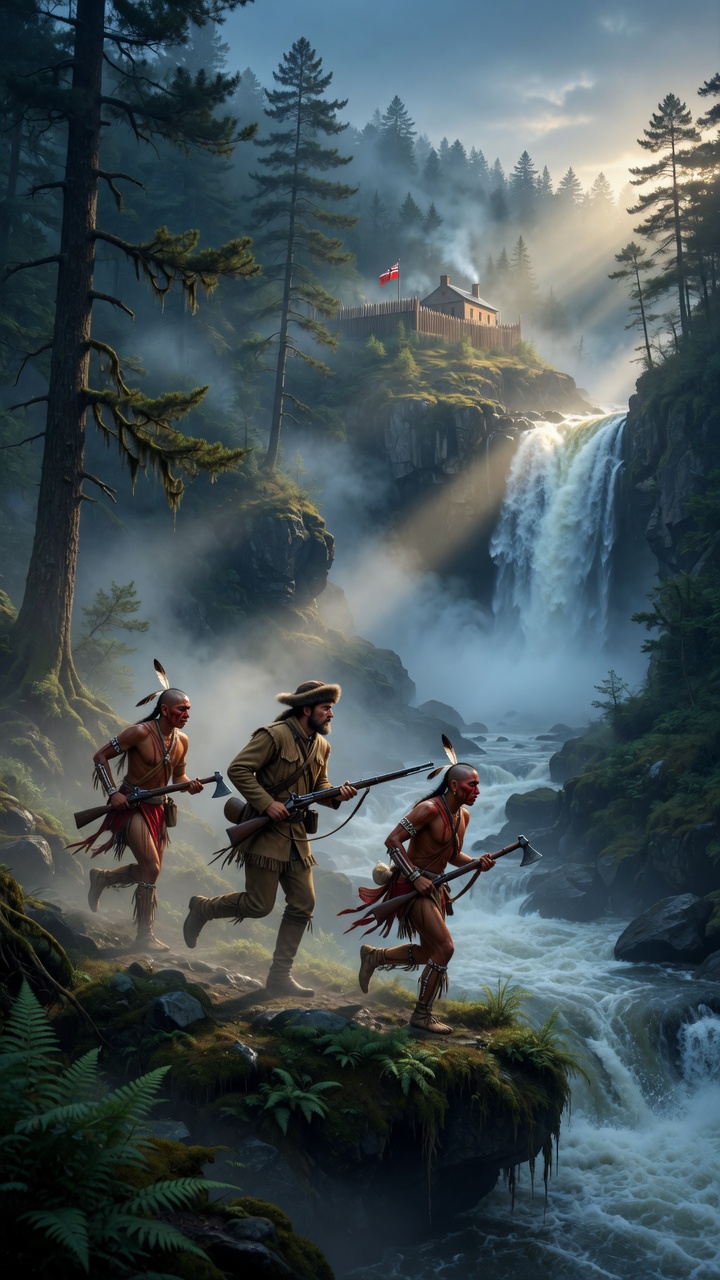
The Last of the Mohicans
James Fenimore Cooper · 1826
Caught between two empires and a war in the wilderness.
A breathless chase through the forests of colonial America — ambushes, loyalty, and a vanishing world. Sweeping frontier adventure at full sprint.
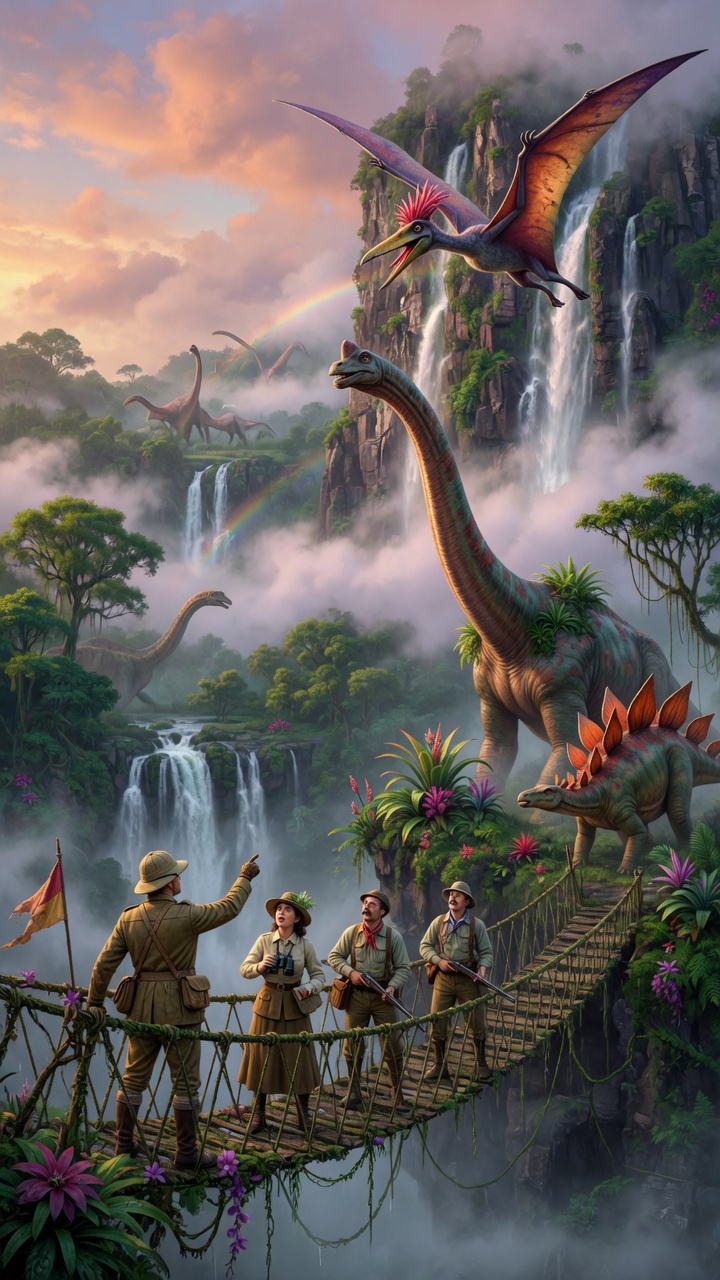
The Lost World
Arthur Conan Doyle · 1912
On a hidden plateau, the dinosaurs never died.
Before Jurassic Park, there was this: a bombastic professor leads an expedition to a plateau where prehistoric monsters still roam. Rollicking pulp adventure.
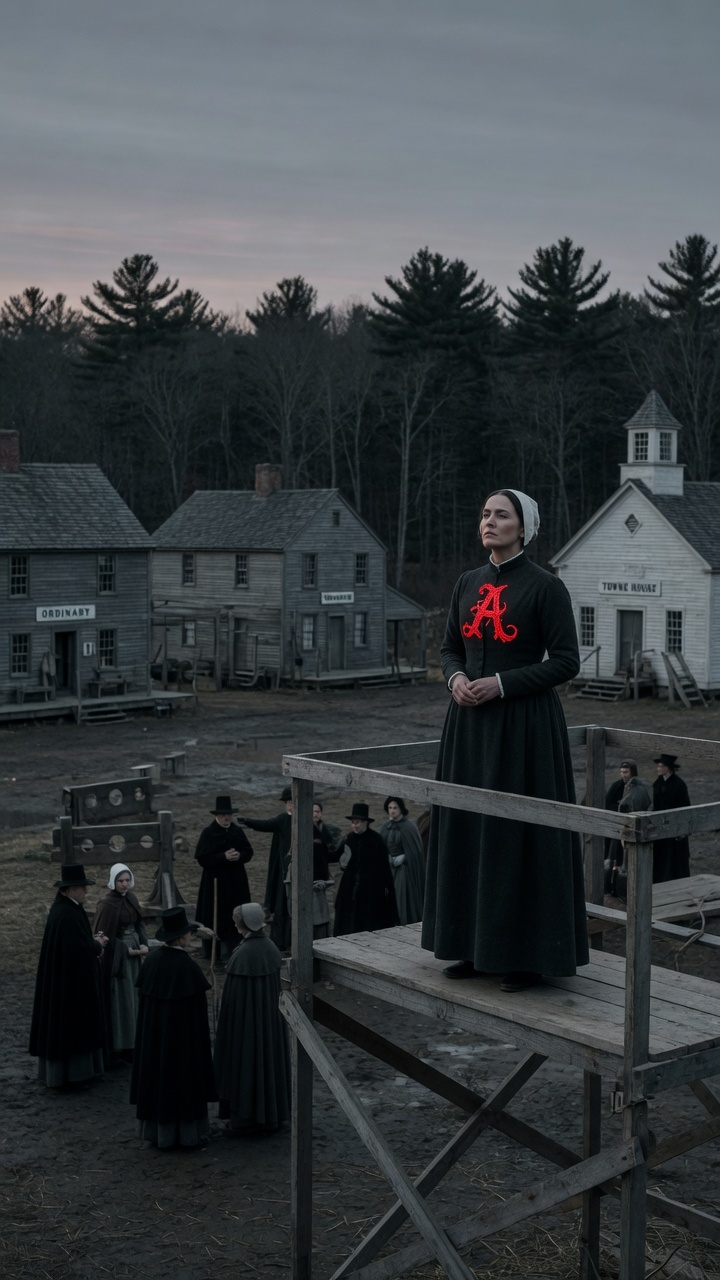
The Scarlet Letter
Nathaniel Hawthorne · 1850
One scarlet letter. A whole town's judgment. A secret she'll die to keep.
A blazing story of sin, shame, and defiance in Puritan New England — a woman who refuses to name her child's father and wears her scandal like armor.
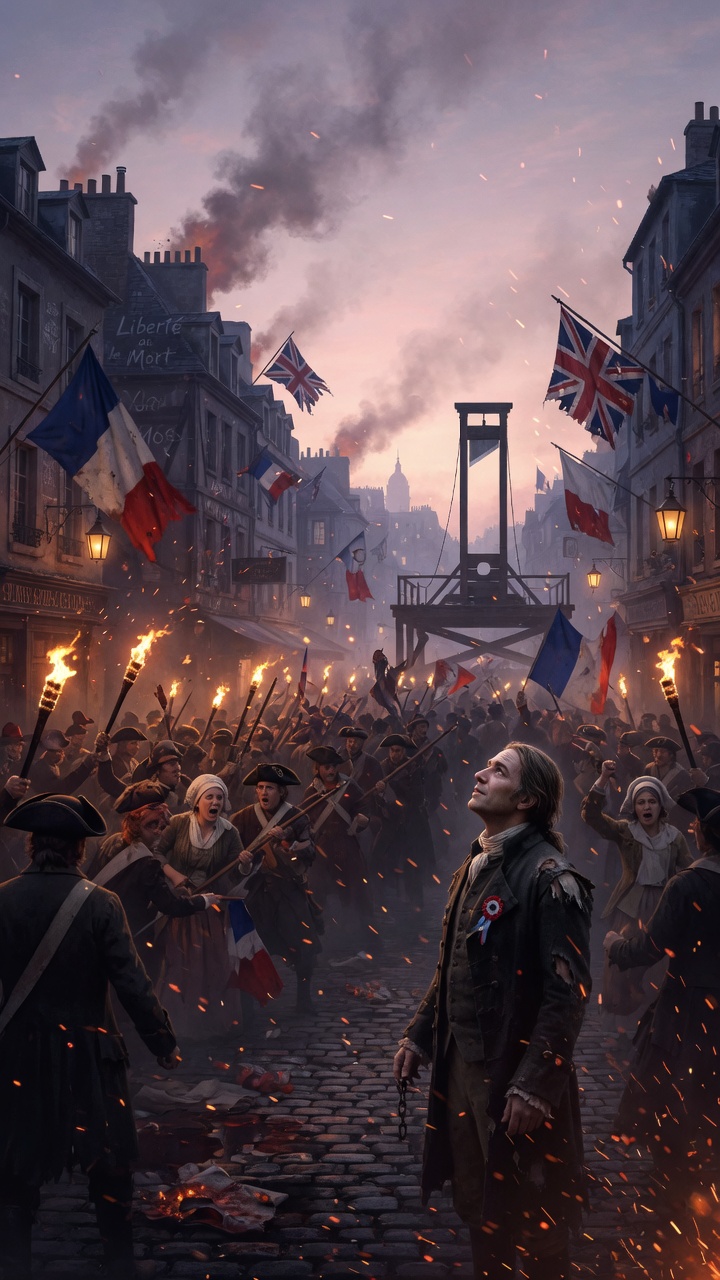
A Tale of Two Cities
Charles Dickens · 1859
It was the best of times. It was the worst of times.
Love and sacrifice against the guillotine of the French Revolution. Dickens at his most thrilling and heartbreaking — with one of the greatest endings ever written.

Heart of Darkness
Joseph Conrad · 1899
Up the river, into the dark, after a man who became a god.
A hypnotic voyage up the Congo toward the mysterious Mr. Kurtz — and into the shadows of the human soul. Short, haunting, and endlessly debated.
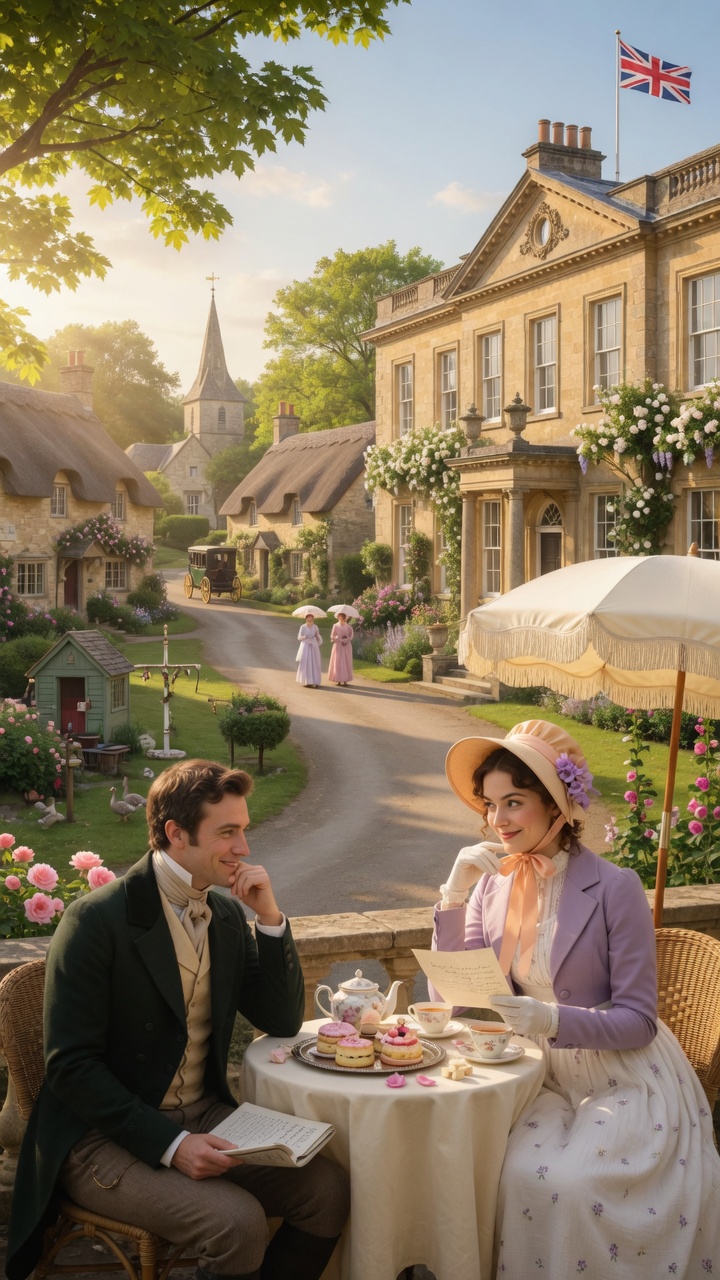
Emma
Jane Austen · 1815
A matchmaker who can't read her own heart.
Austen's most delightful meddler fixes everyone's love life while completely missing her own.
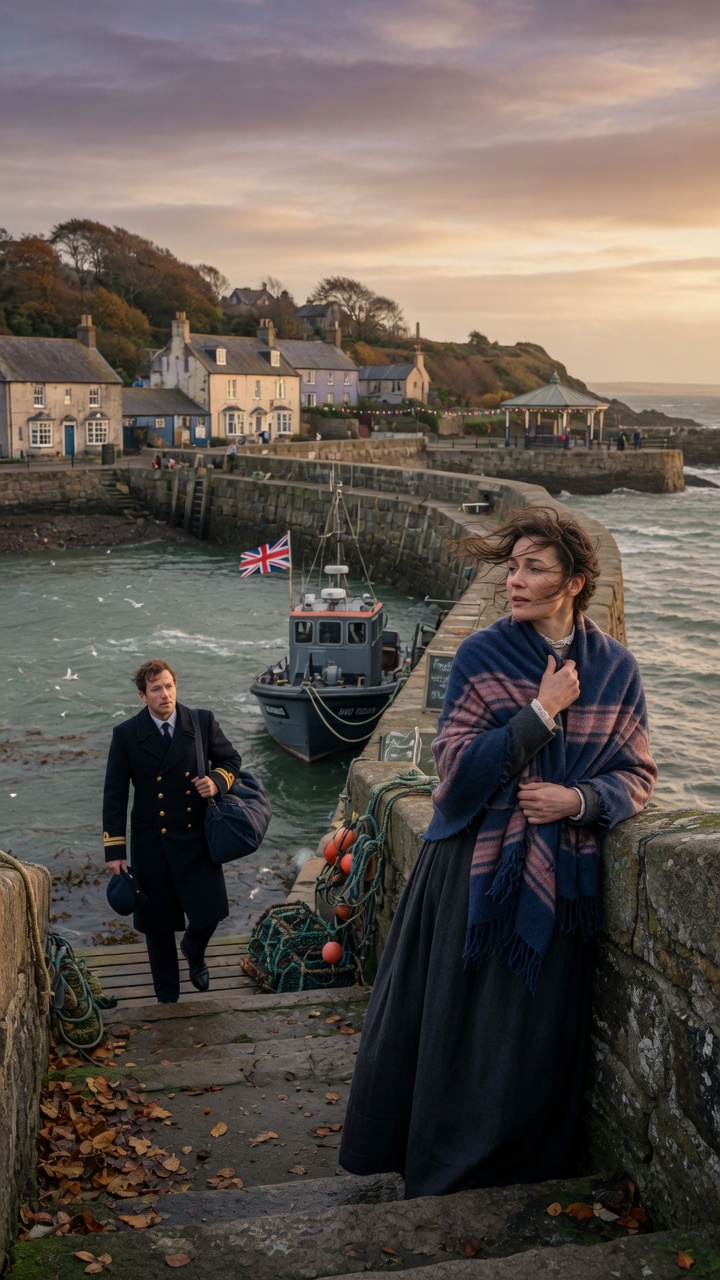
Persuasion
Jane Austen · 1817
Second chances, and the love she let slip away.
Austen's most aching, grown-up romance — a quiet woman and the man she was talked out of marrying.
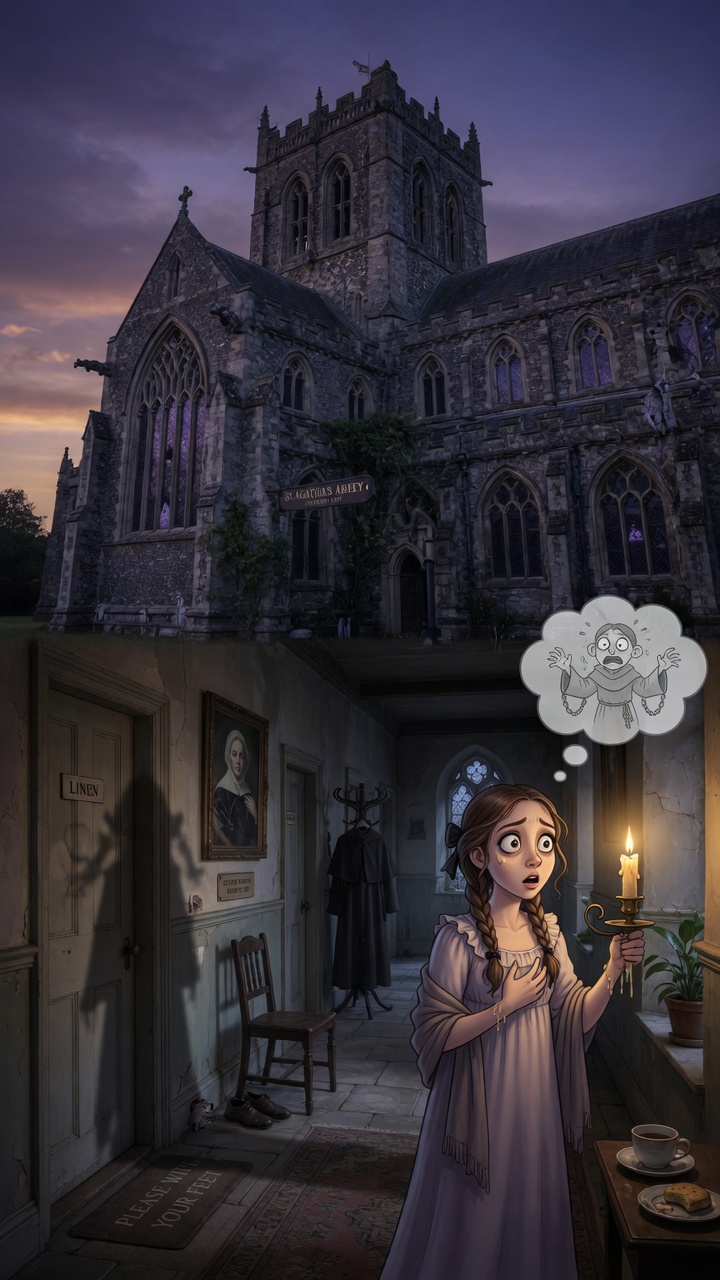
Northanger Abbey
Jane Austen · 1817
A girl who reads too many spooky novels mistakes real life for one.
Austen spoofs gothic horror through a heroine convinced her host's abbey hides a murder.
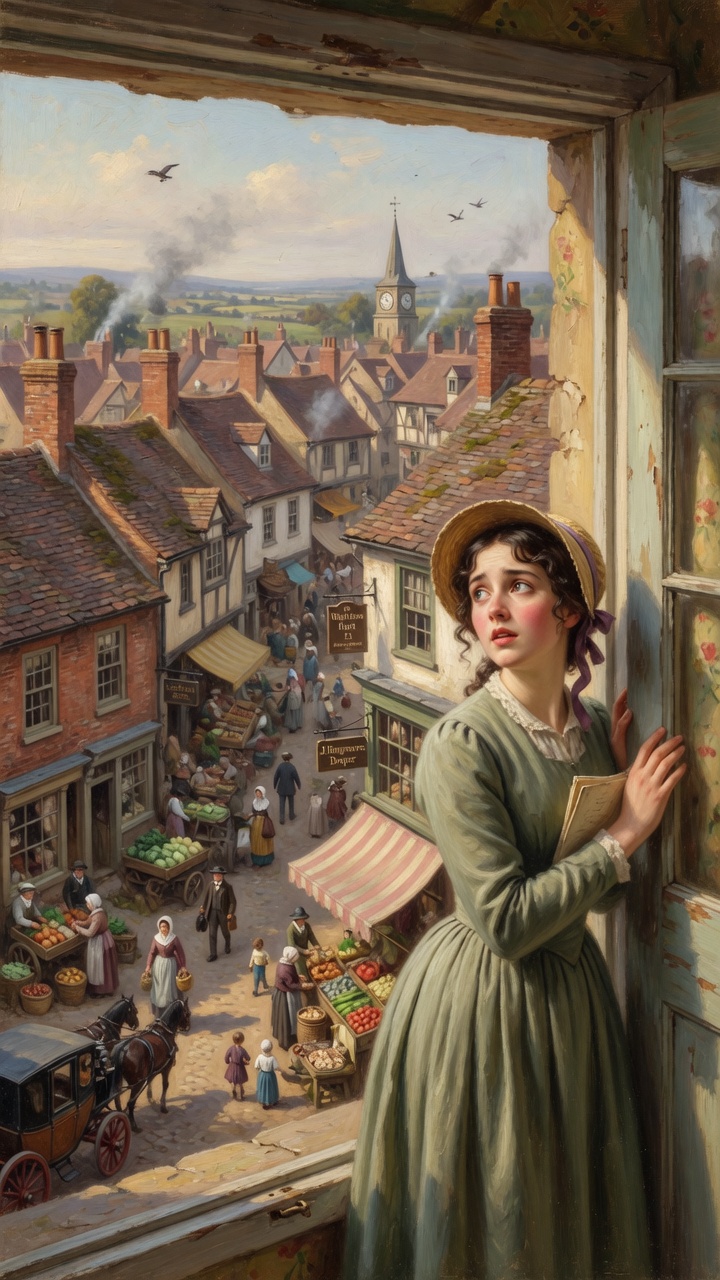
Middlemarch
George Eliot · 1871
A whole town, a few bad marriages, and one woman who wanted more.
Often called the greatest English novel — an entire community rendered with stunning humanity.
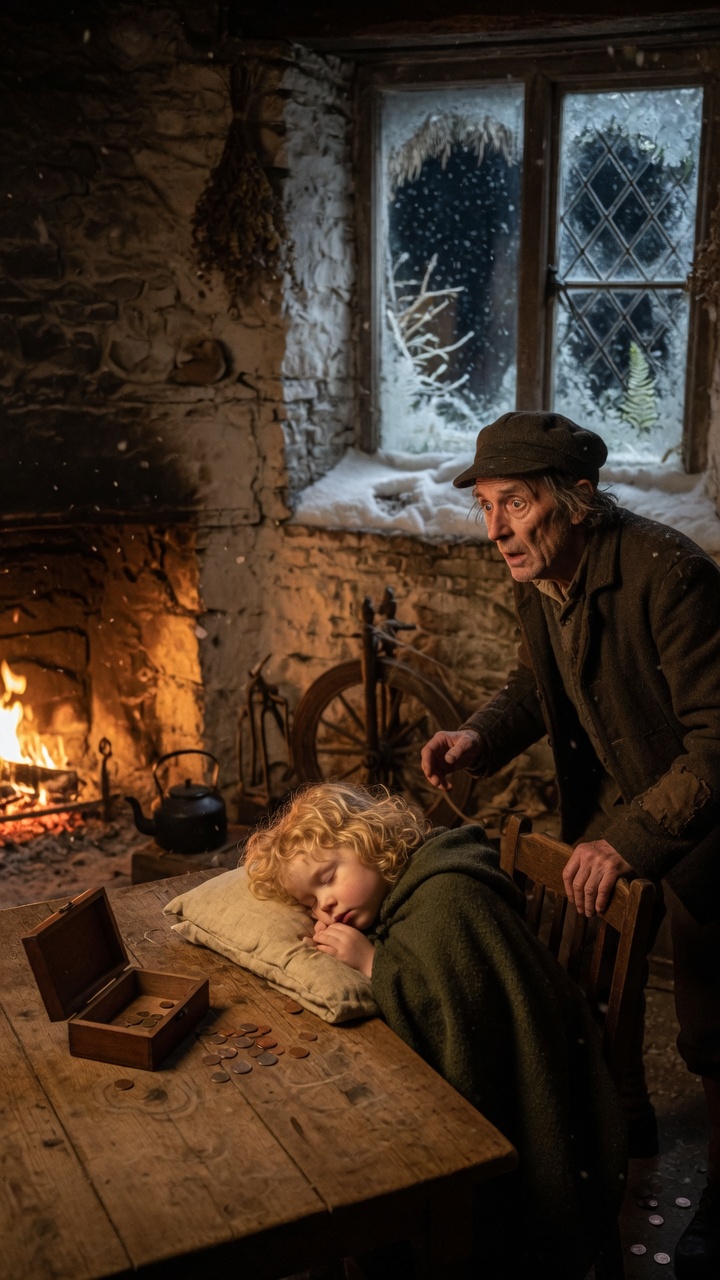
Silas Marner
George Eliot · 1861
A bitter miser loses his gold and finds a golden-haired child.
A lonely weaver hoarding coins is redeemed when an orphan toddles into his life.
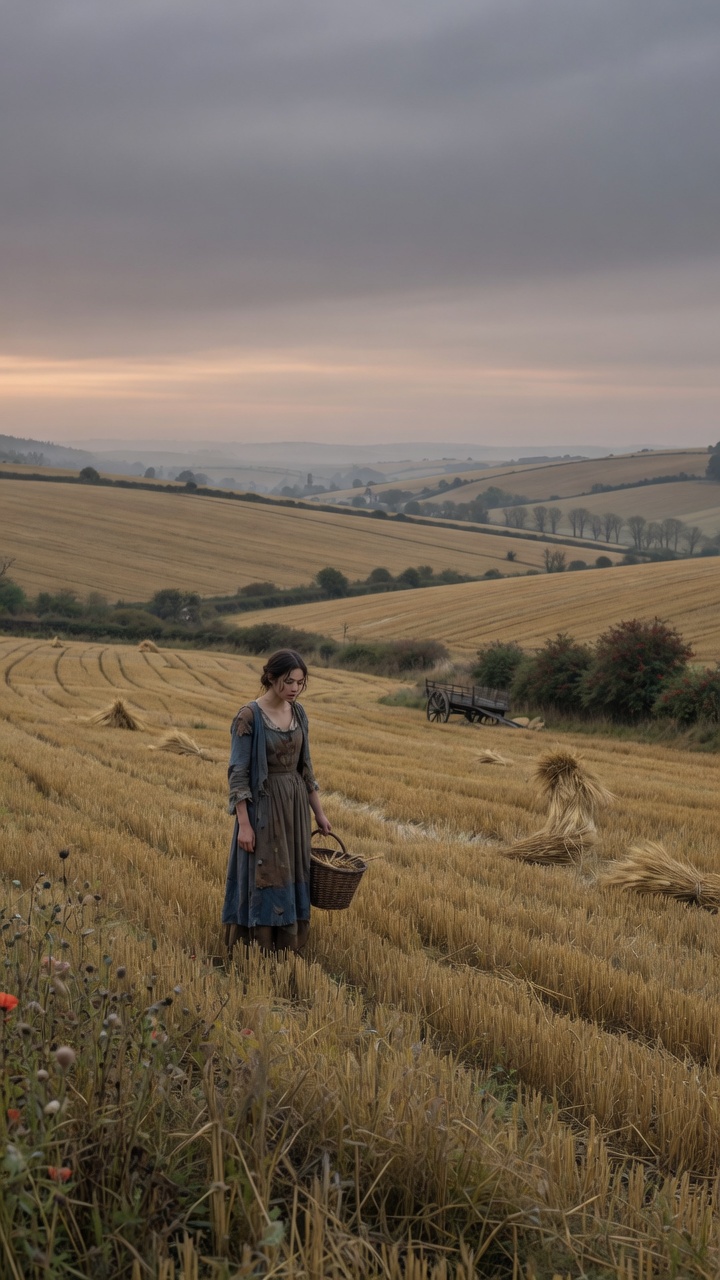
Tess of the d'Urbervilles
Thomas Hardy · 1891
A good woman, a cruel world, and a fate that will not let go.
Hardy's heartbreaking tragedy of a country girl punished for things that were never her fault.
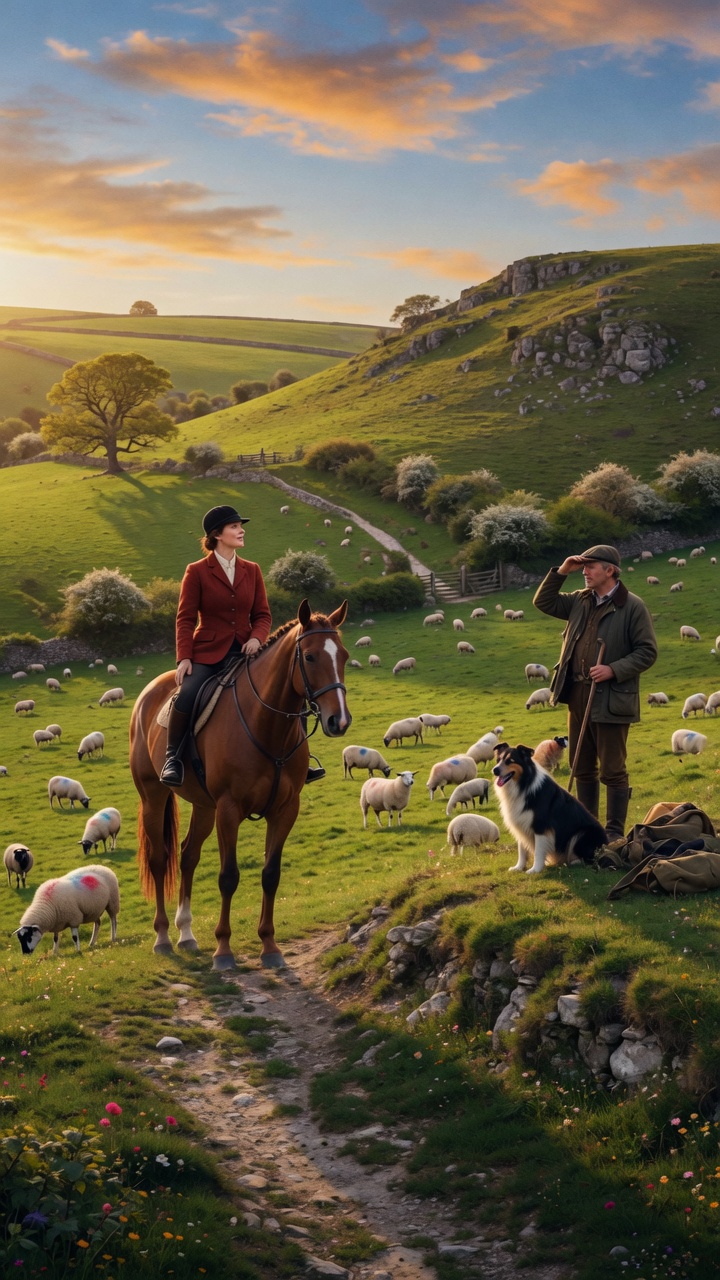
Far from the Madding Crowd
Thomas Hardy · 1874
One independent woman. Three very different suitors.
A spirited farm owner is courted by a shepherd, a soldier, and a gentleman — only one truly sees her.
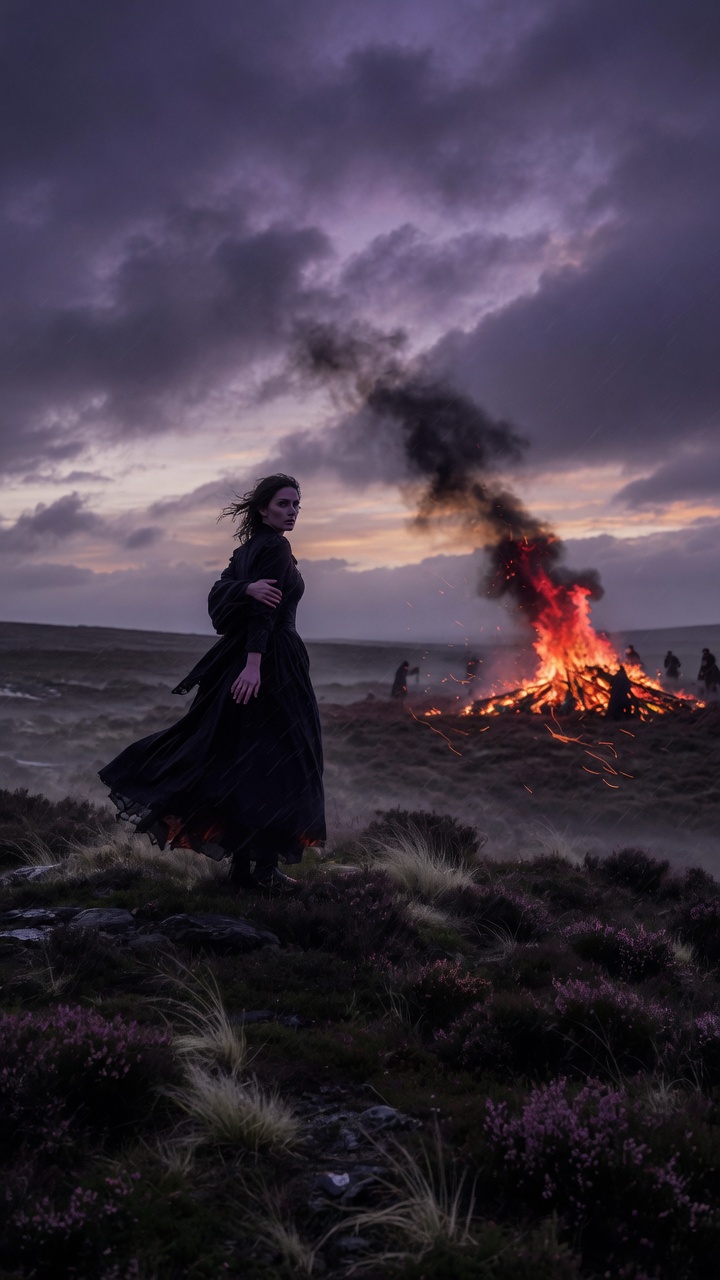
The Return of the Native
Thomas Hardy · 1878
On the wild heath, every passion ends in ruin.
Hardy makes a brooding moorland the real character in a doomed tangle of love and ambition.
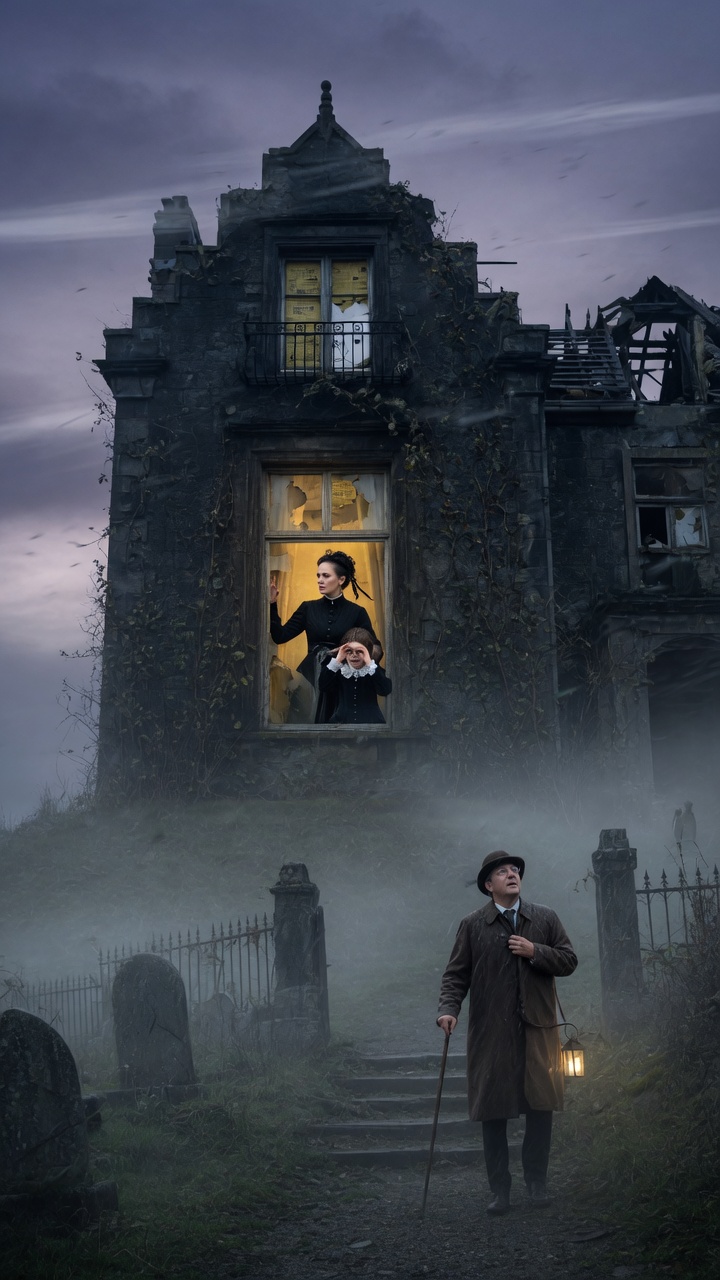
The Tenant of Wildfell Hall
Anne Brontë · 1848
A mysterious widow with a secret worth fleeing for.
A fierce, far-ahead-of-its-time novel about a woman escaping a ruinous marriage.
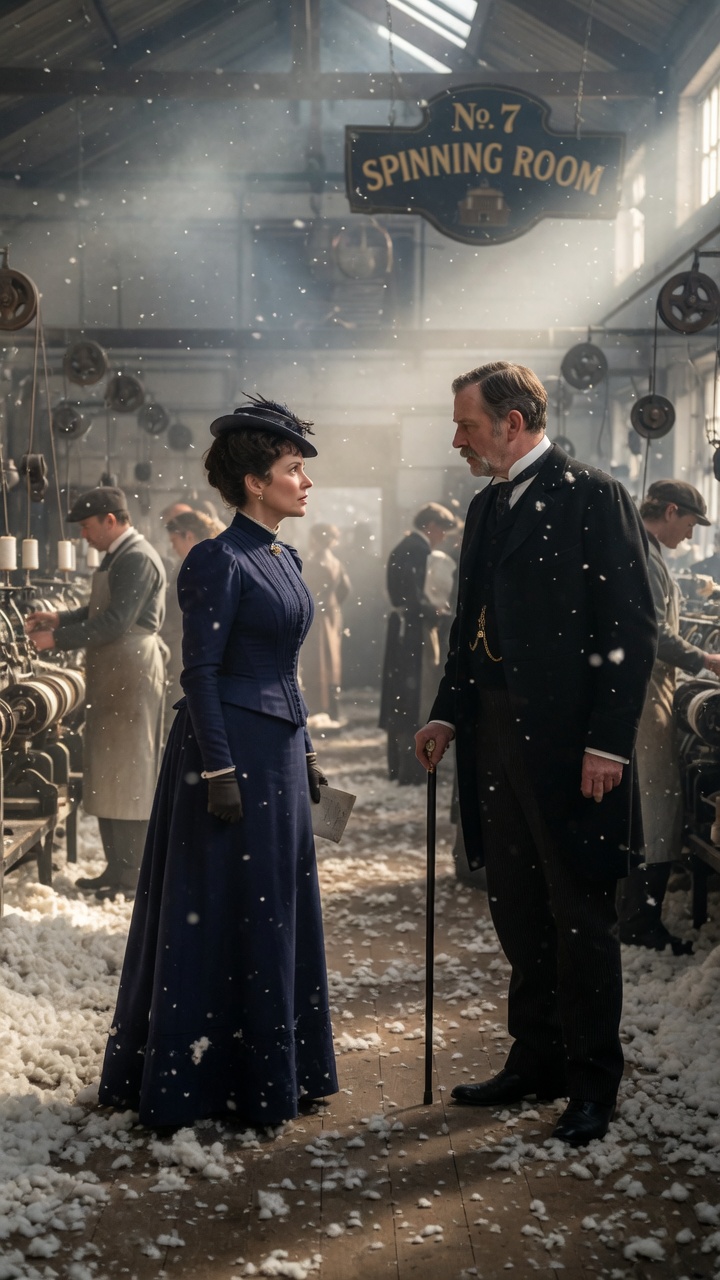
North and South
Elizabeth Gaskell · 1855
A southern gentlewoman, a northern mill master, and a slow-burn clash.
Enemies-to-lovers against the smoke and strikes of the industrial north. Pure Victorian tension.
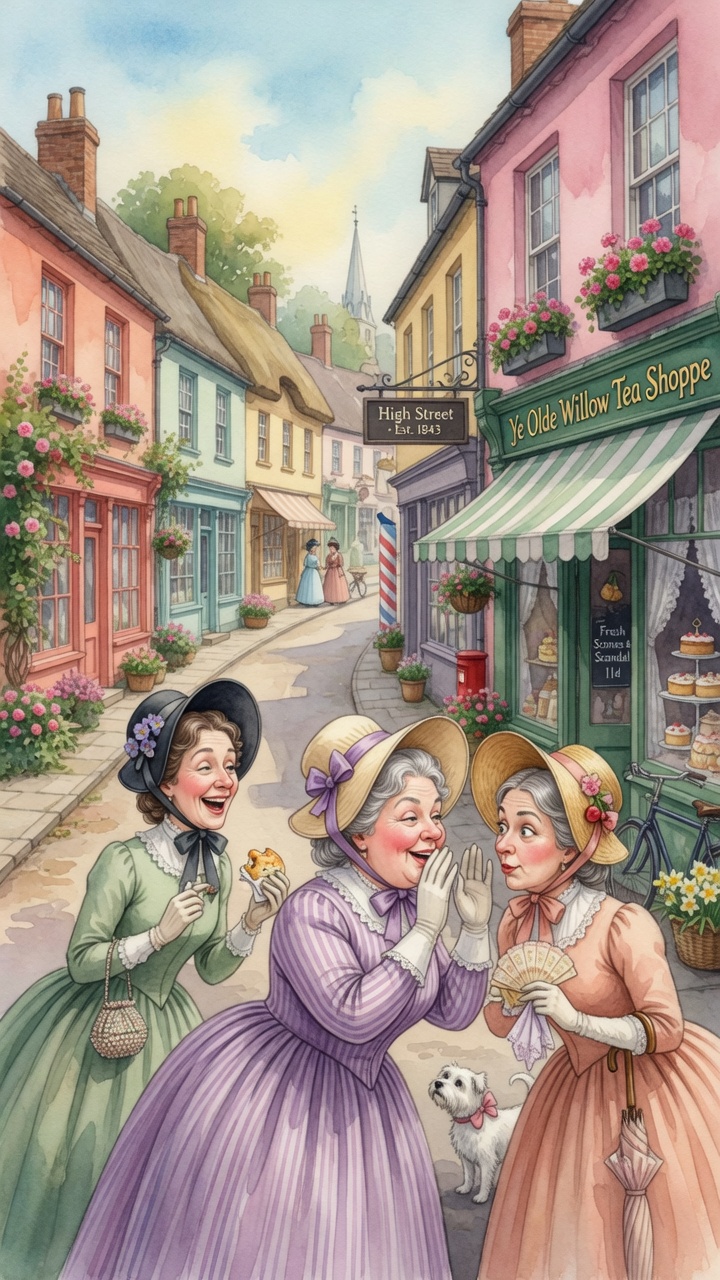
Cranford
Elizabeth Gaskell · 1853
A village run entirely by wonderfully fussy old ladies.
Gentle, funny, and warm — small-town life among genteel spinsters who guard their dignity fiercely.
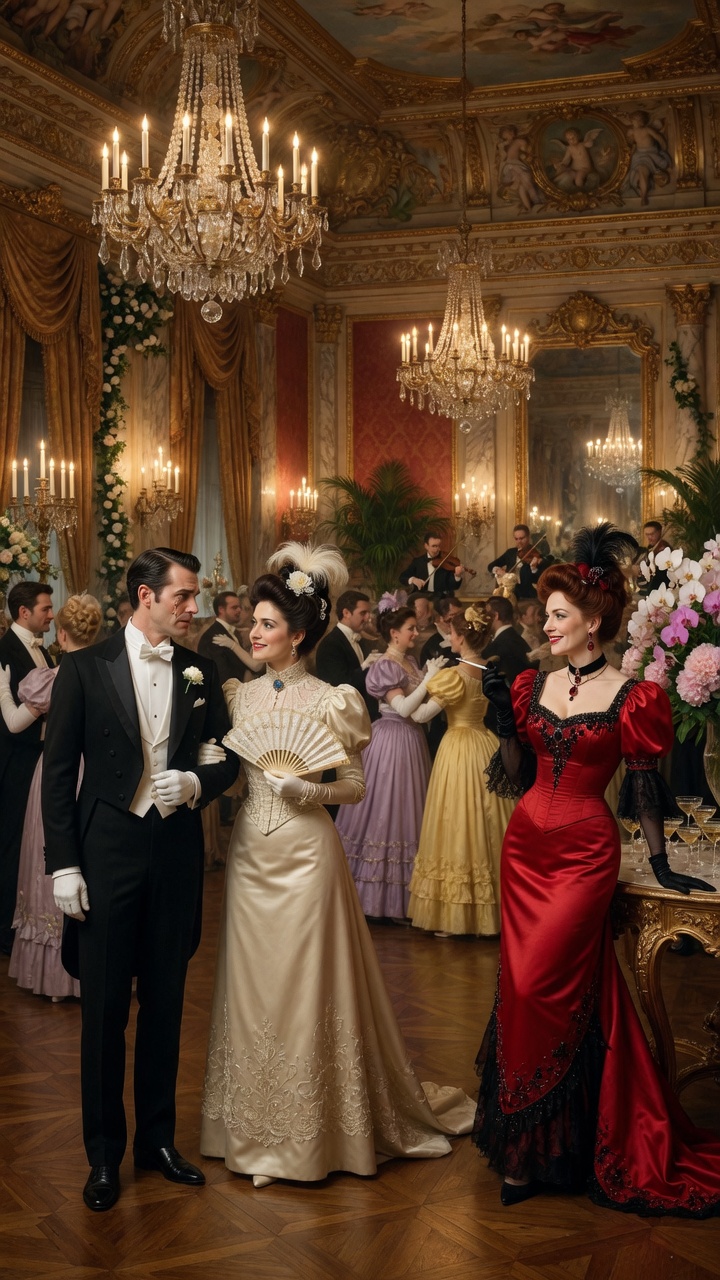
The Age of Innocence
Edith Wharton · 1920
He had the perfect match. Then he met her cousin.
Wharton's Pulitzer-winning portrait of desire strangled by the rules of high society.
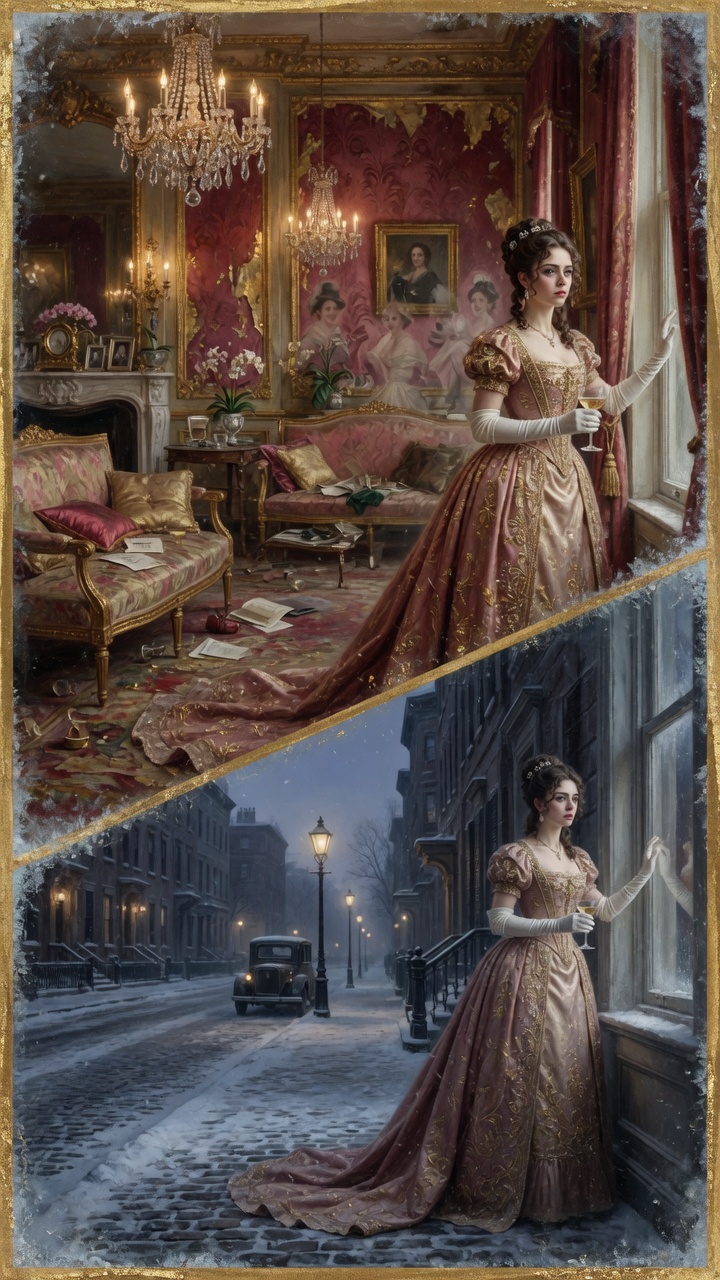
The House of Mirth
Edith Wharton · 1905
A beautiful woman, one social misstep from ruin.
A dazzling socialite gambles on marriage and watches New York society close ranks against her.
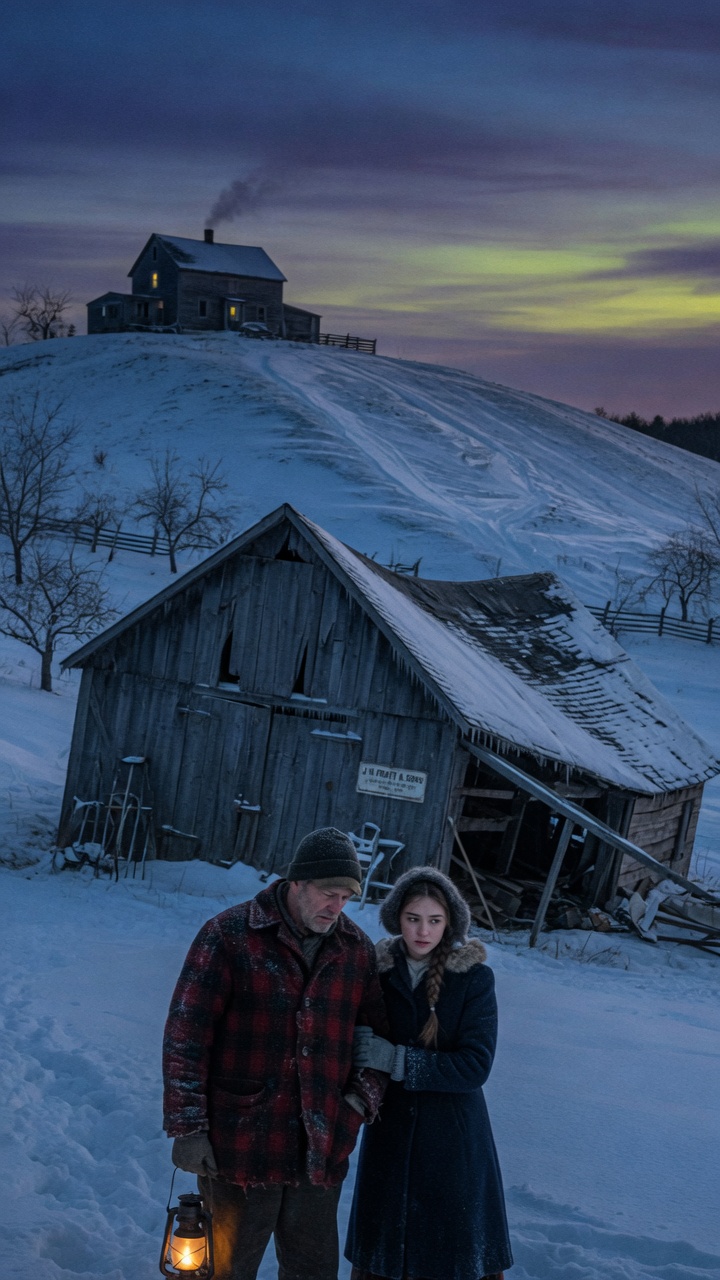
Ethan Frome
Edith Wharton · 1911
A frozen marriage, a forbidden love, one reckless sled.
A bleak, unforgettable New England tragedy of a man trapped between duty and longing.

The Awakening
Kate Chopin · 1899
A wife discovers she wants a life of her own.
A scandalous, beautiful novel about a woman awakening to desire and selfhood by the sea.
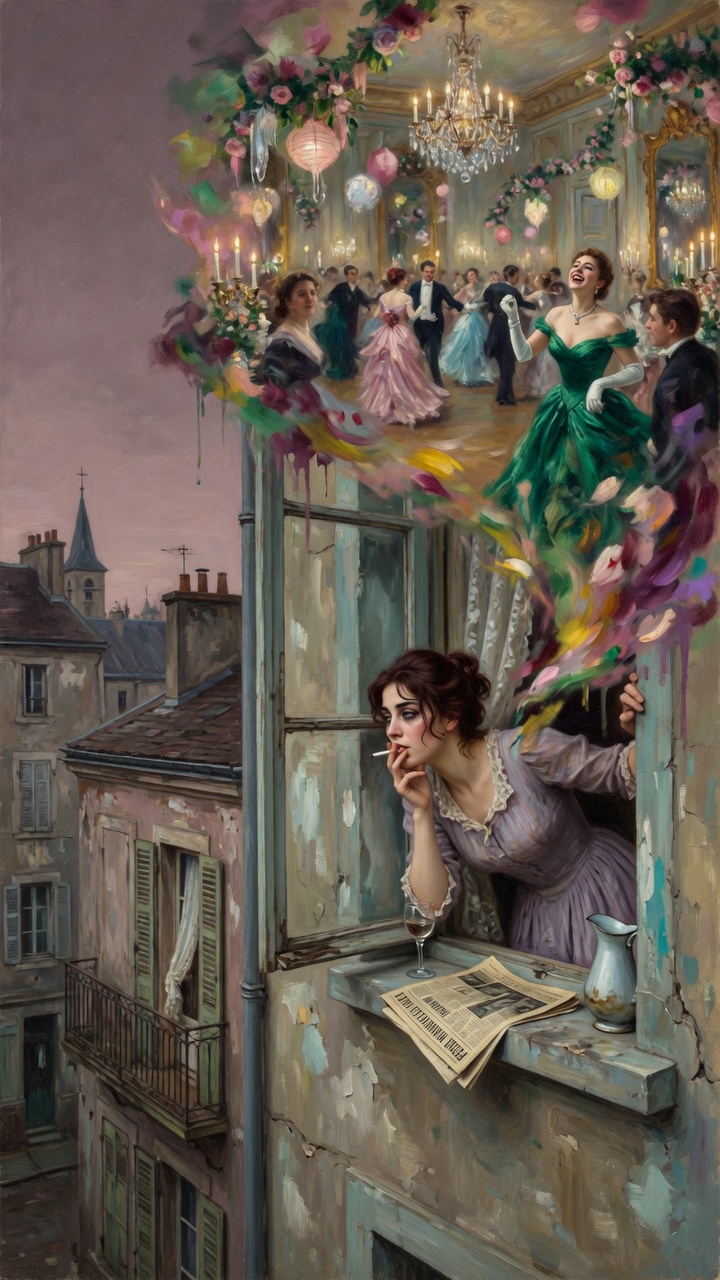
Madame Bovary
Gustave Flaubert · 1857
A dreamer who wanted passion and bought debt instead.
A bored provincial wife chases romance-novel fantasies straight toward ruin. The original.
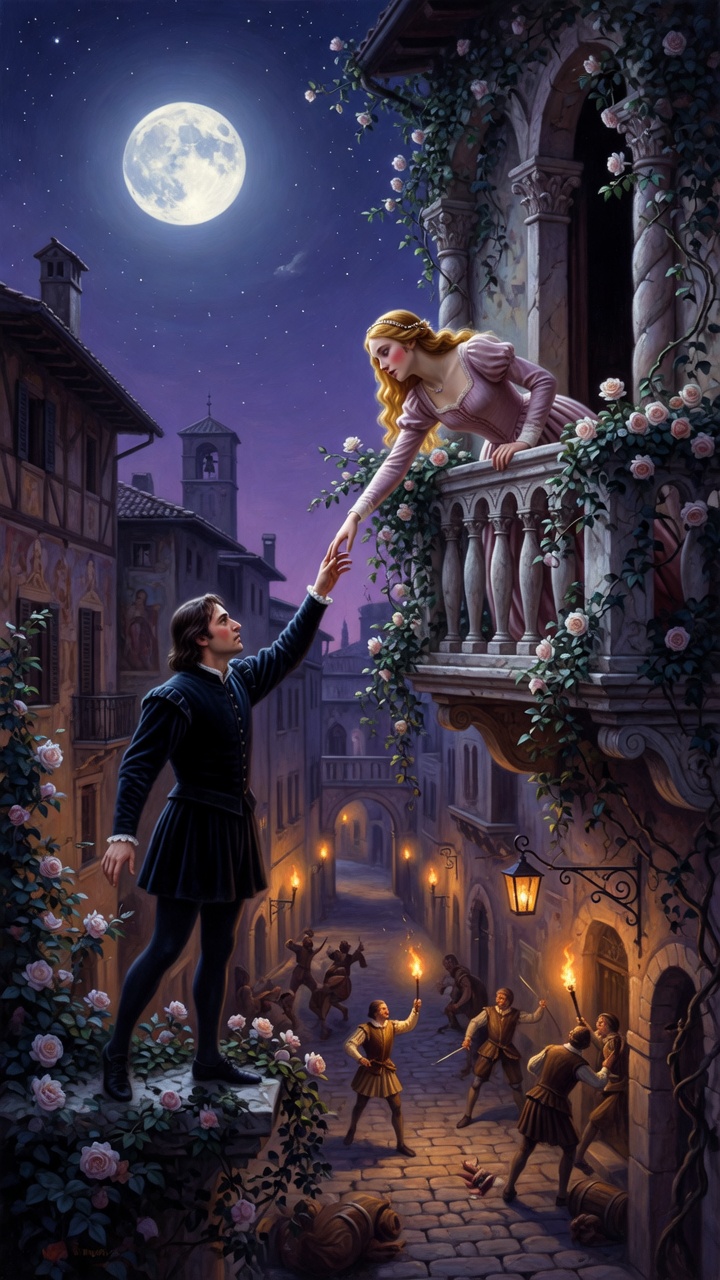
Romeo and Juliet
William Shakespeare · 1597
Two families at war. Two kids in love. Five days.
The most famous love story ever written, and the blueprint for every doomed romance since.
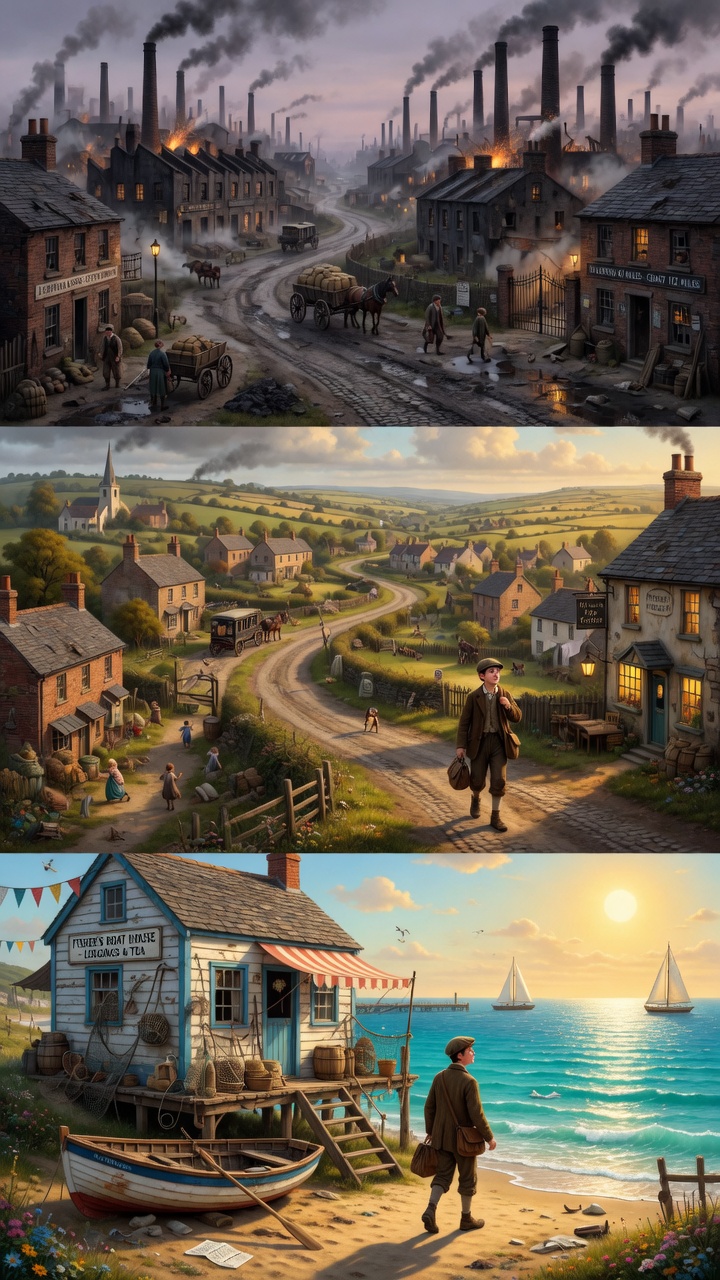
David Copperfield
Charles Dickens · 1850
One boy, a cruel start, and a long road to himself.
Dickens' most personal novel — a sweeping, warm coming-of-age packed with unforgettable characters.
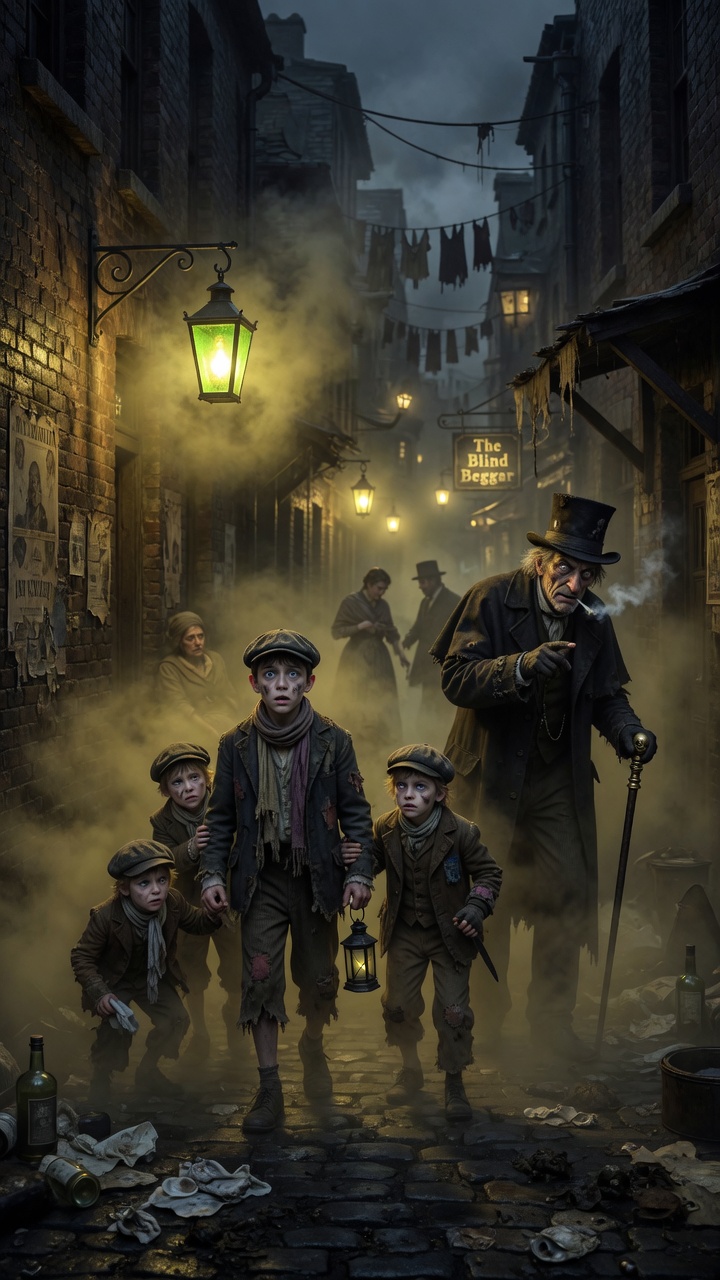
Oliver Twist
Charles Dickens · 1838
Please, sir — a boy, a gang of thieves, and a way out.
An orphan falls in with a pickpocket gang in the dark underbelly of Victorian London.
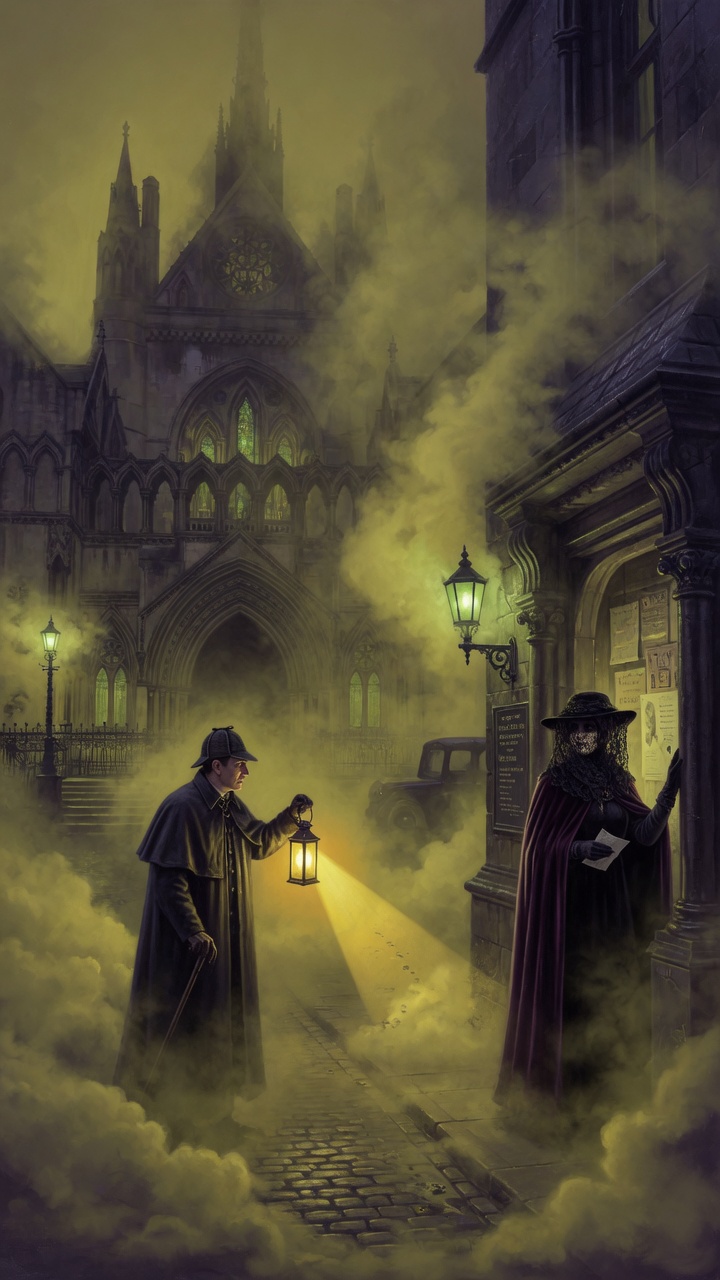
Bleak House
Charles Dickens · 1853
A cursed lawsuit, a hidden mother, a detective on the case.
Dickens invents the detective novel inside a sprawling fog of secrets and a ruinous court case.
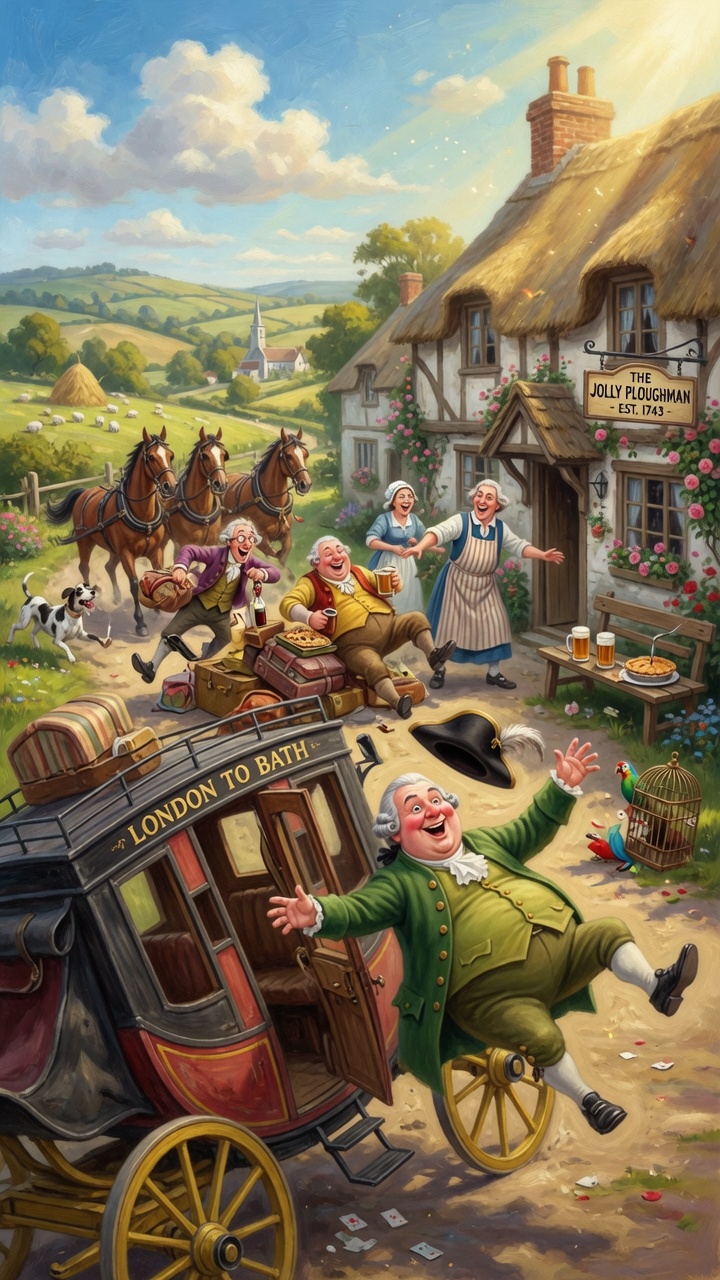
The Pickwick Papers
Charles Dickens · 1837
Four jolly gentlemen blunder across England.
Dickens' rollicking, big-hearted debut — pure comic misadventure on the open road.
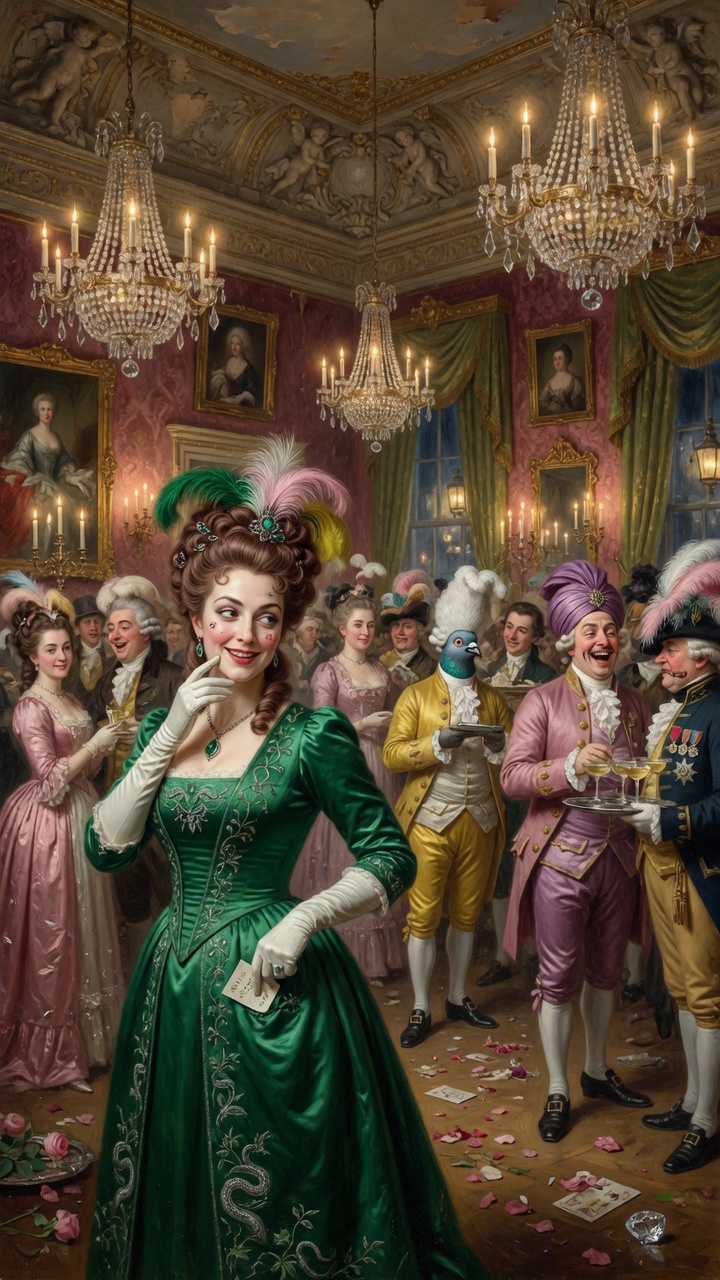
Vanity Fair
William Makepeace Thackeray · 1848
A scheming social climber with no scruples and infinite charm.
A 'novel without a hero' starring Becky Sharp, fiction's most deliciously ruthless schemer.
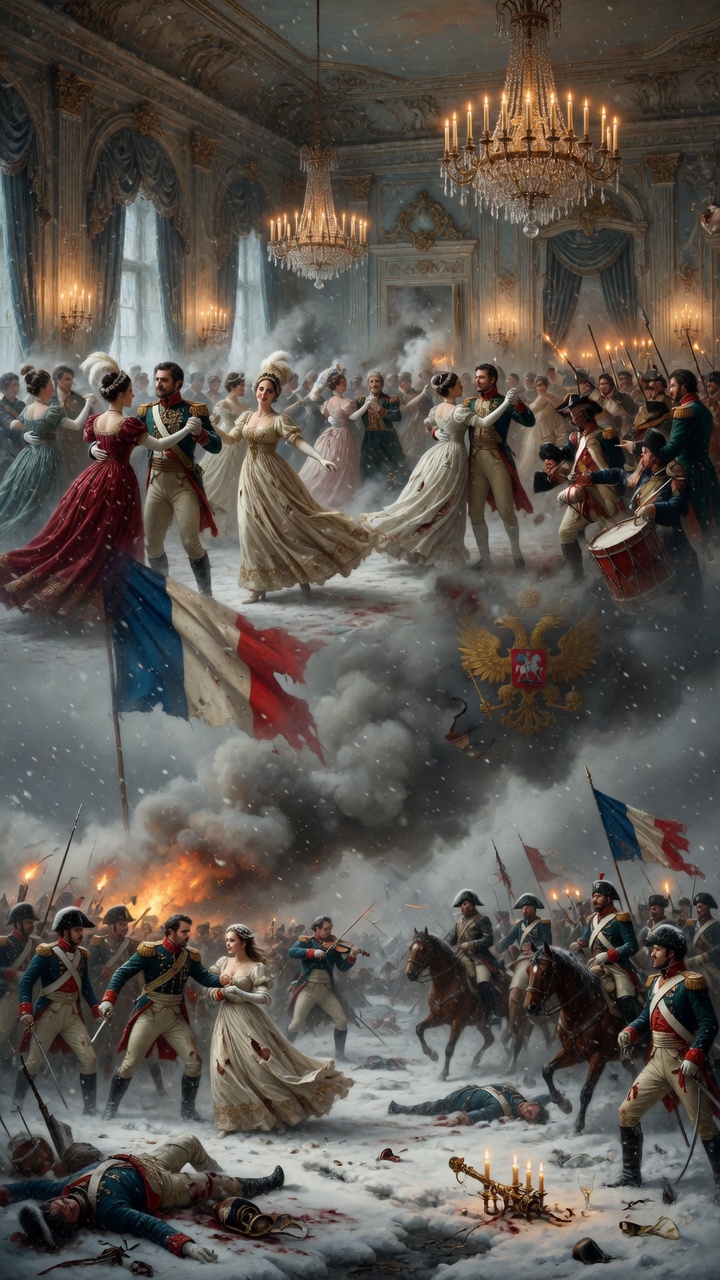
War and Peace
Leo Tolstoy · 1869
Love, war, and an empire under Napoleon.
The mountain of all novels — Russian aristocrats, vast battles, and the sweep of history itself.
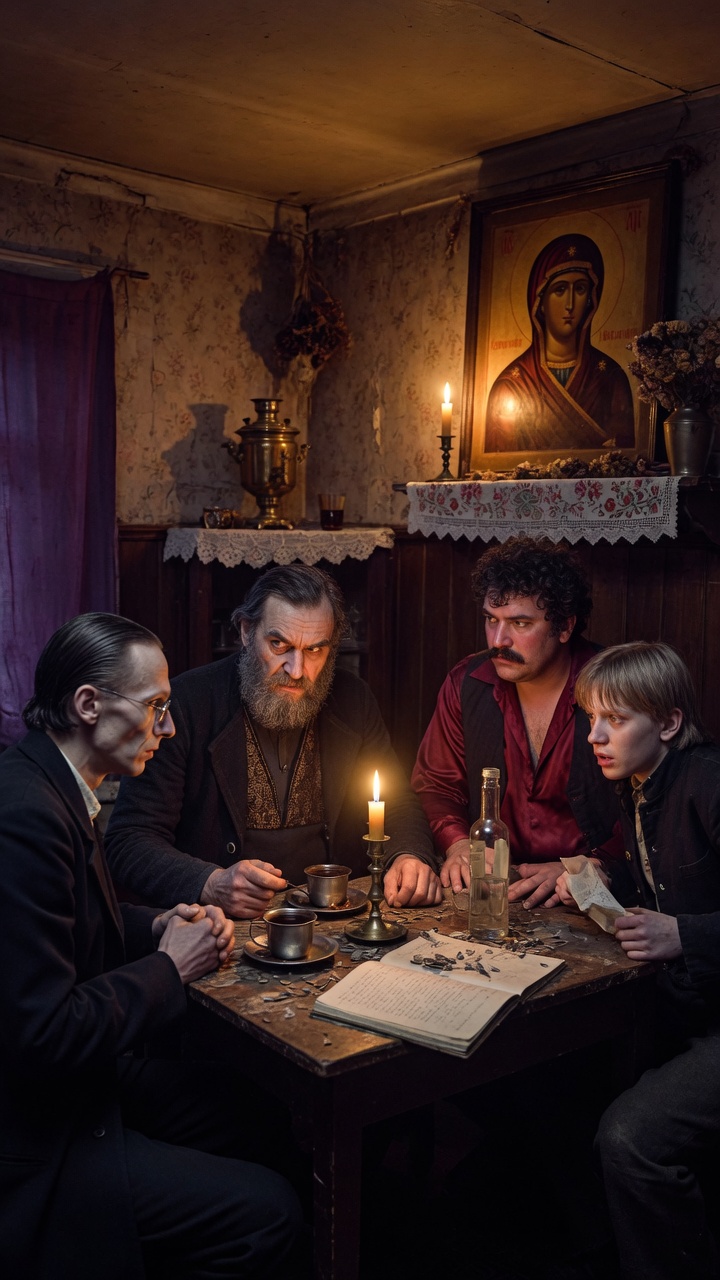
The Brothers Karamazov
Fyodor Dostoevsky · 1880
Three brothers, one murdered father, and the question of God.
Dostoevsky's towering final masterpiece — a murder mystery that's really about faith and free will.
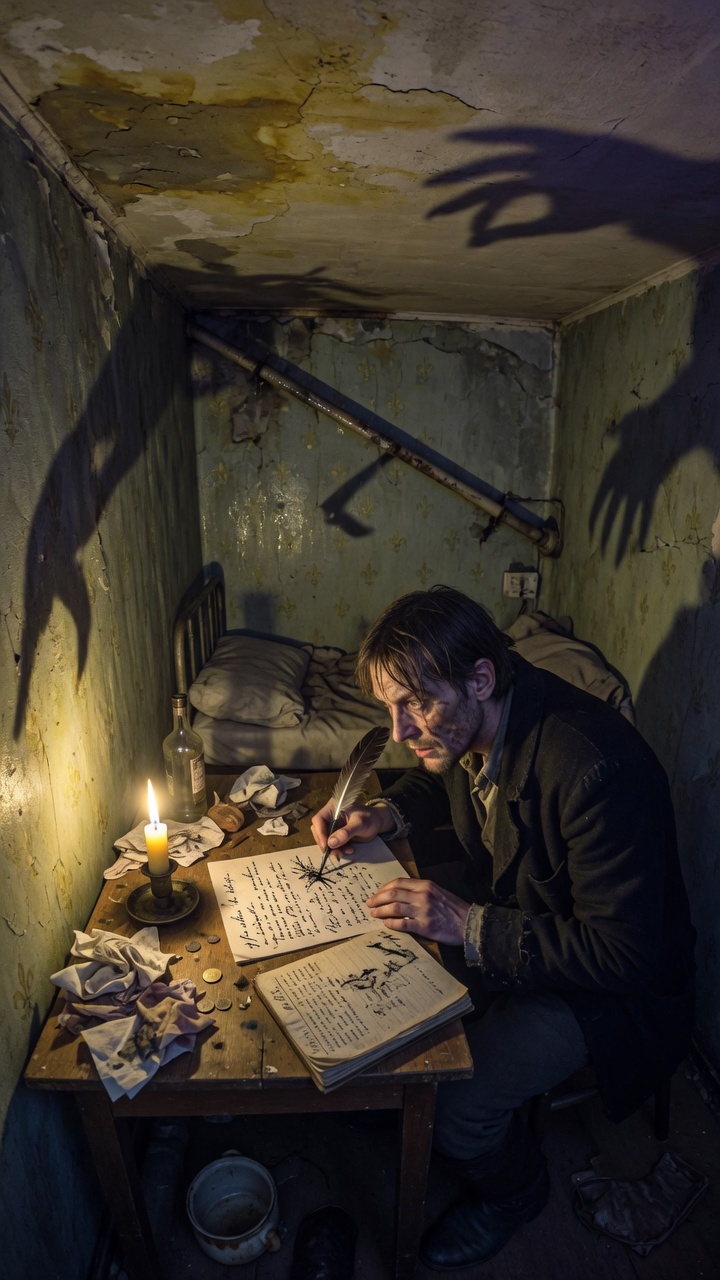
Notes from the Underground
Fyodor Dostoevsky · 1864
A bitter man narrates his own beautiful self-destruction.
The first existential novel — a spiteful, brilliant voice from the basement of the human mind.
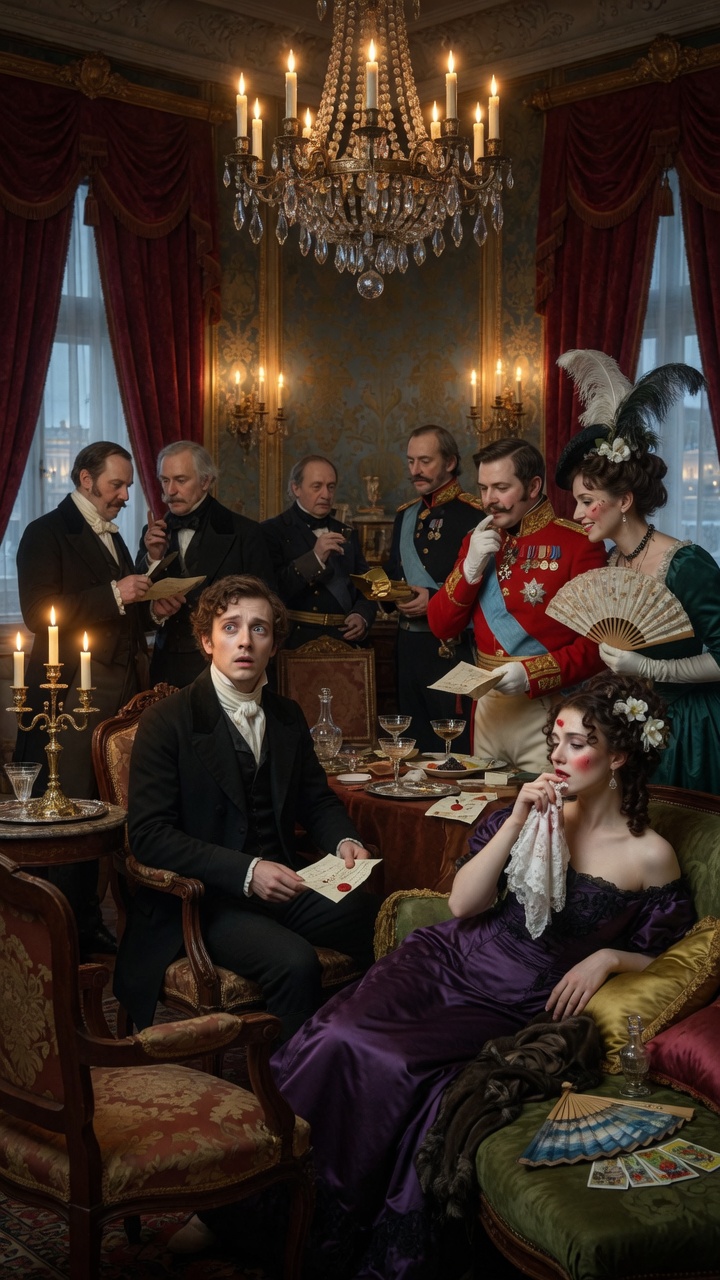
The Idiot
Fyodor Dostoevsky · 1869
A truly good man dropped into a world that devours him.
Dostoevsky asks what happens when pure innocence meets greed, pride, and obsessive love.
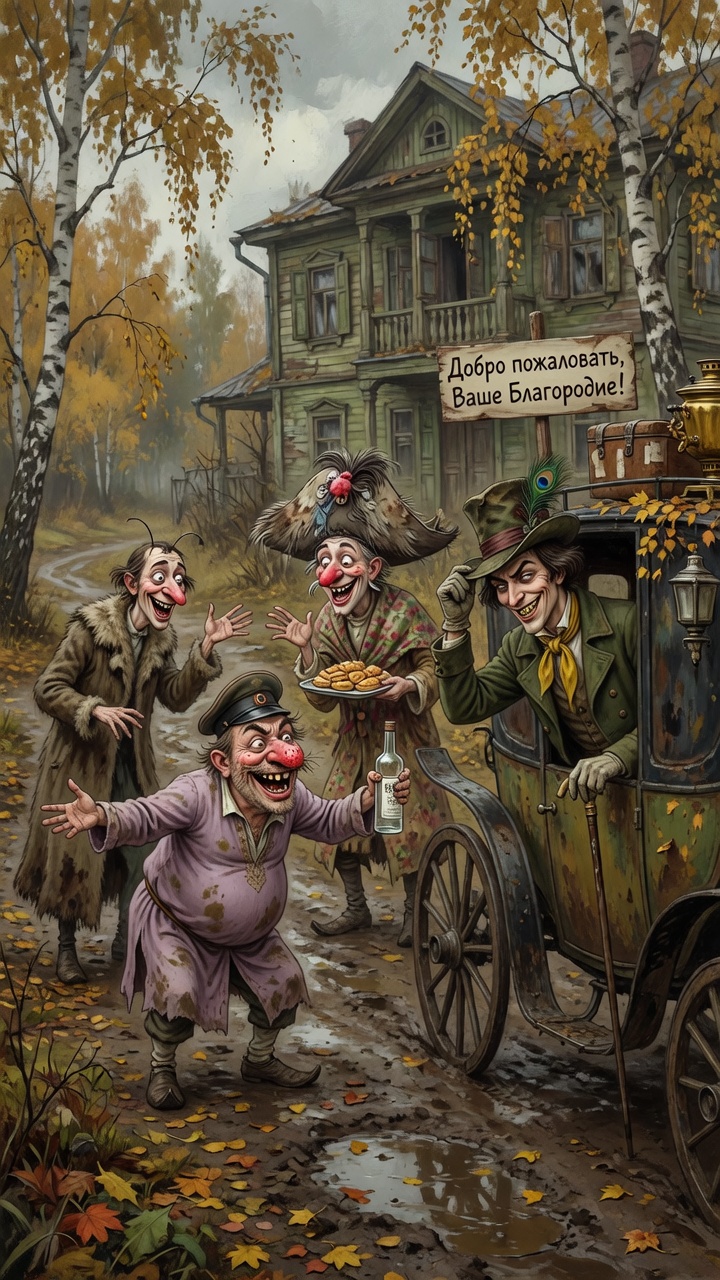
Dead Souls
Nikolai Gogol · 1842
A con man buys dead serfs. Yes, really.
Gogol's wild, hilarious satire of a swindler touring Russia trading in the names of the dead.
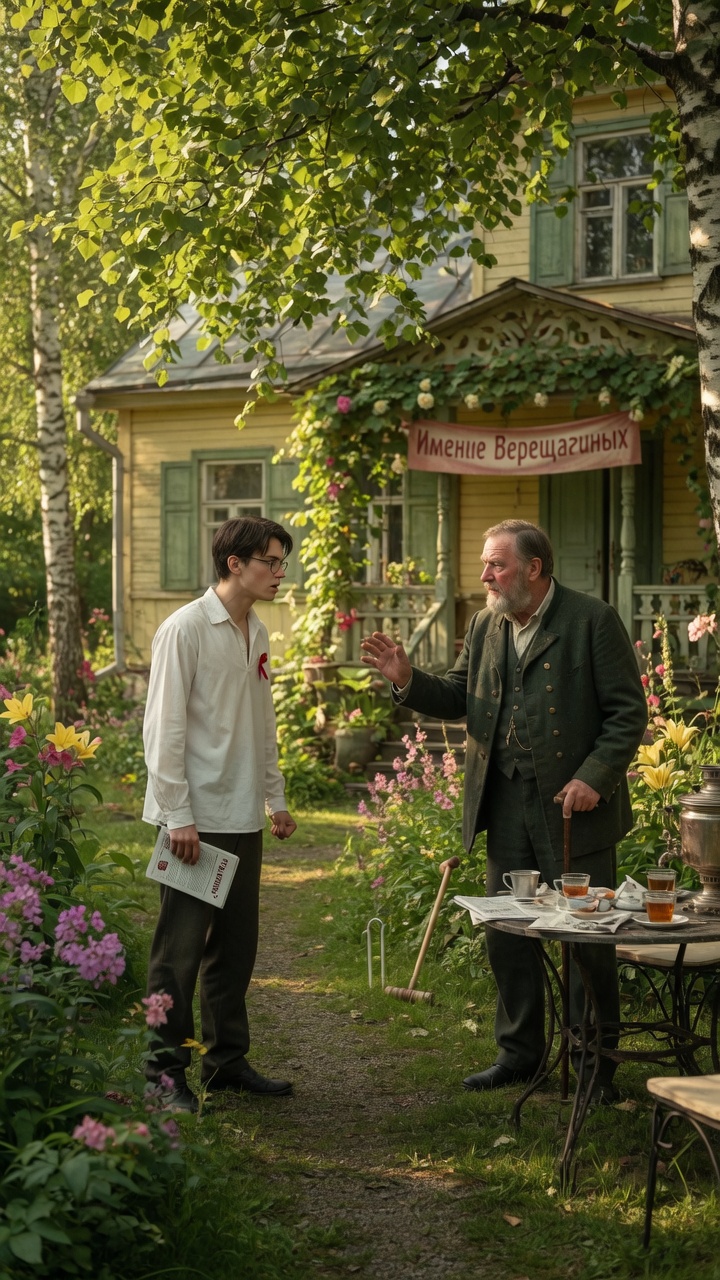
Fathers and Sons
Ivan Turgenev · 1862
A new generation declares it believes in nothing.
The novel that coined "nihilism" — sons and fathers colliding over love, science, and meaning.
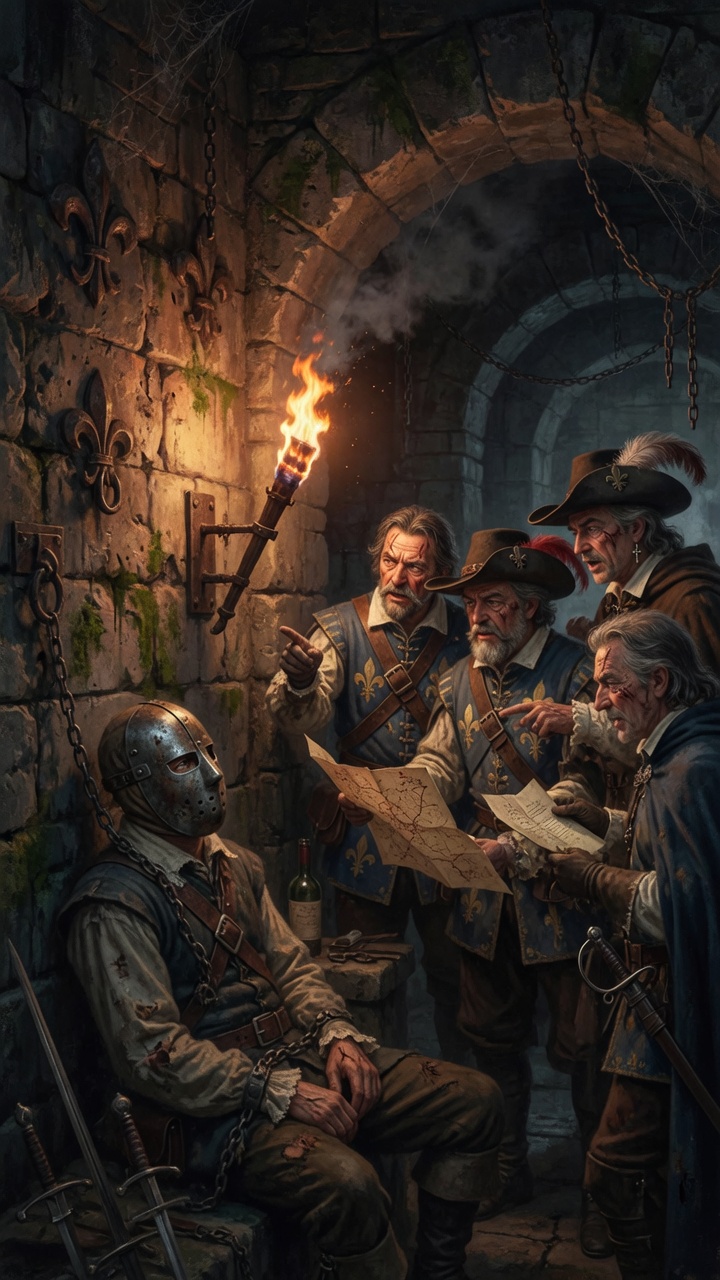
The Man in the Iron Mask
Alexandre Dumas · 1850
A secret prisoner. A masked face. A king to topple.
The aging Musketeers risk everything on a hidden twin and the throne of France.

Ben-Hur
Lew Wallace · 1880
Betrayed into slavery, reborn for one furious chariot race.
A Jewish prince seeks vengeance across the Roman Empire in the original epic blockbuster.
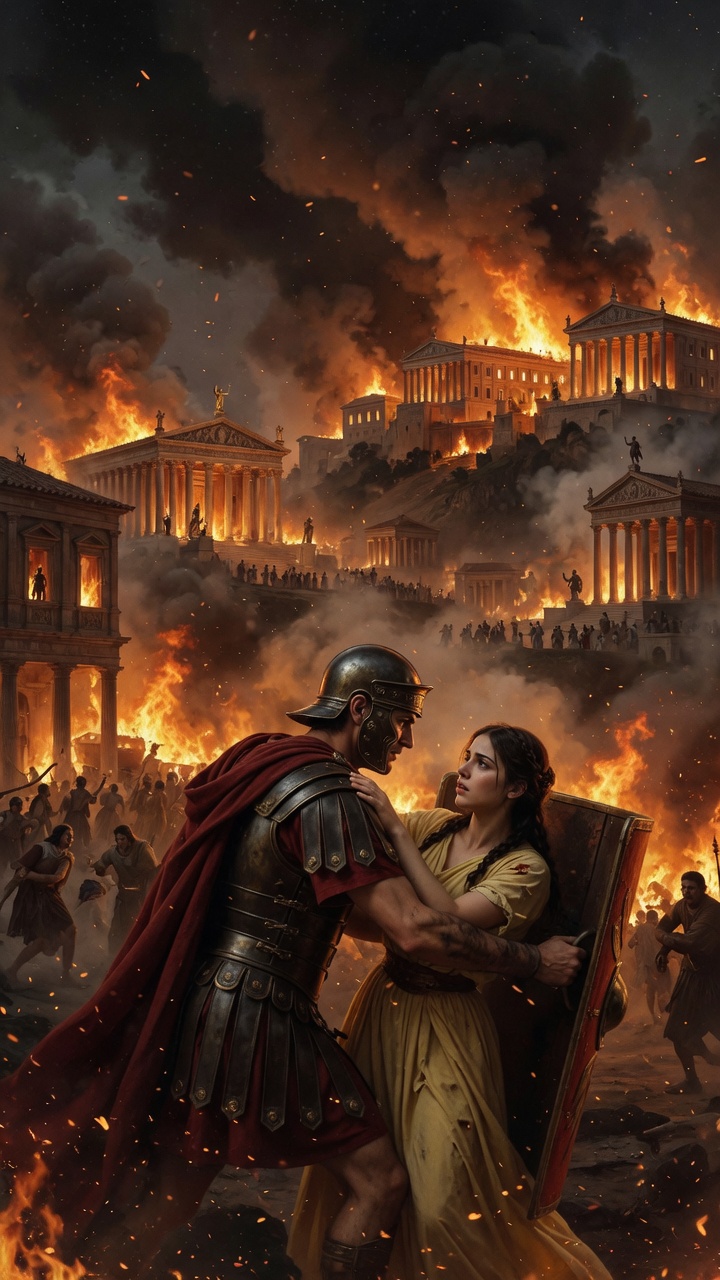
Quo Vadis
Henryk Sienkiewicz · 1896
A Roman officer, a Christian girl, and a burning empire.
Forbidden love against the decadence and fire of Nero’s Rome. Sweeping and operatic.
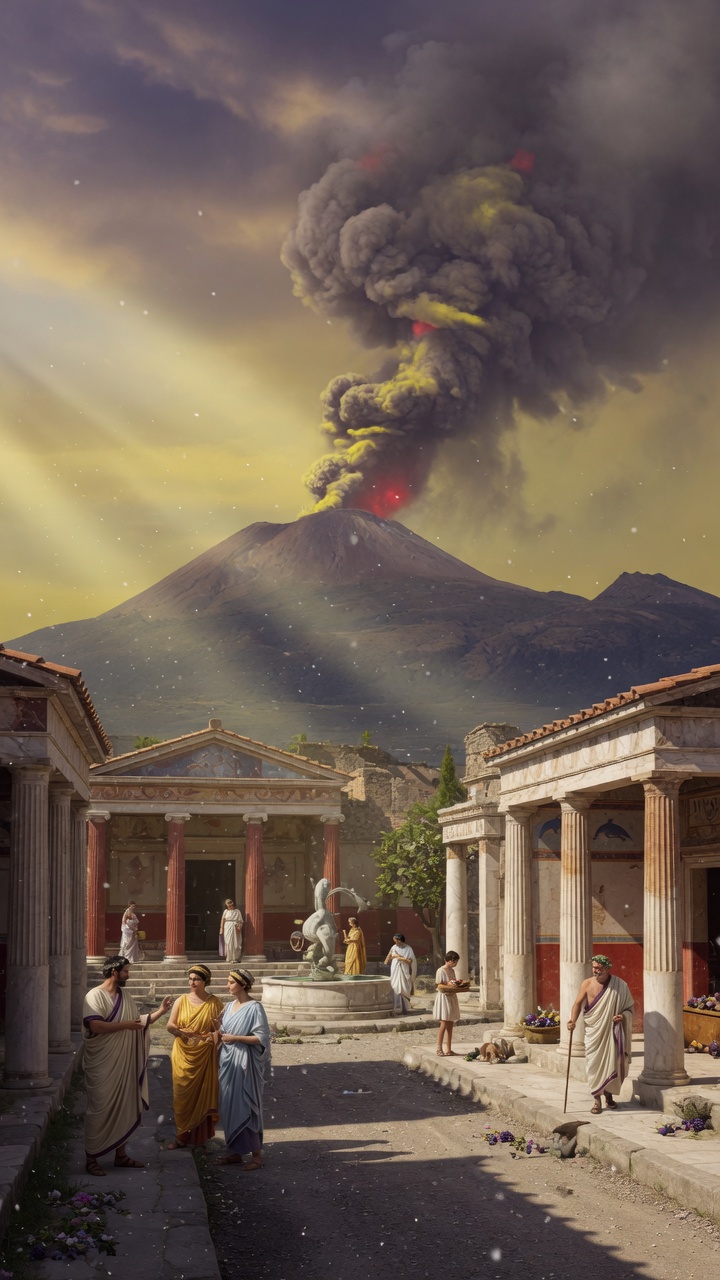
The Last Days of Pompeii
Edward Bulwer-Lytton · 1834
Love and intrigue under a mountain about to blow.
A doomed Roman city, a blind flower-girl, and Vesuvius counting down. Disaster epic, 1834-style.
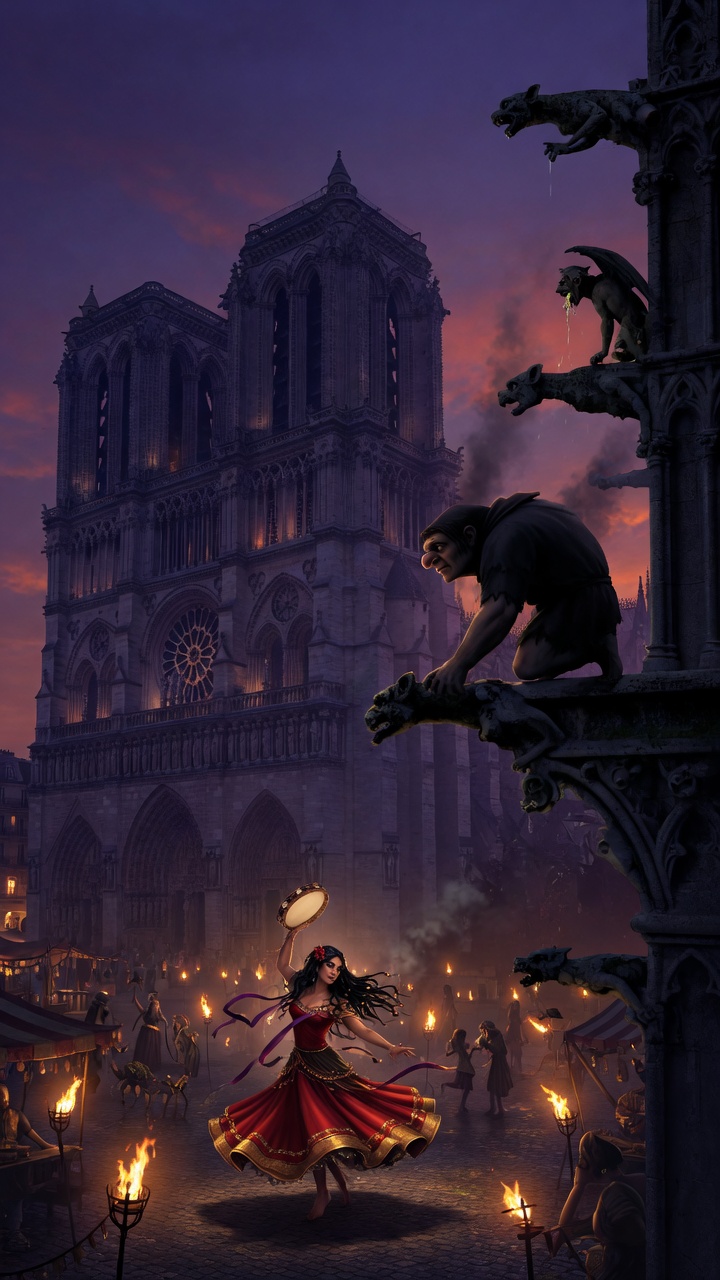
The Hunchback of Notre-Dame
Victor Hugo · 1831
A deformed bell-ringer, a dancing girl, a city of stone.
Hugo's sweeping gothic tragedy of obsession and mercy in the shadow of a great cathedral.
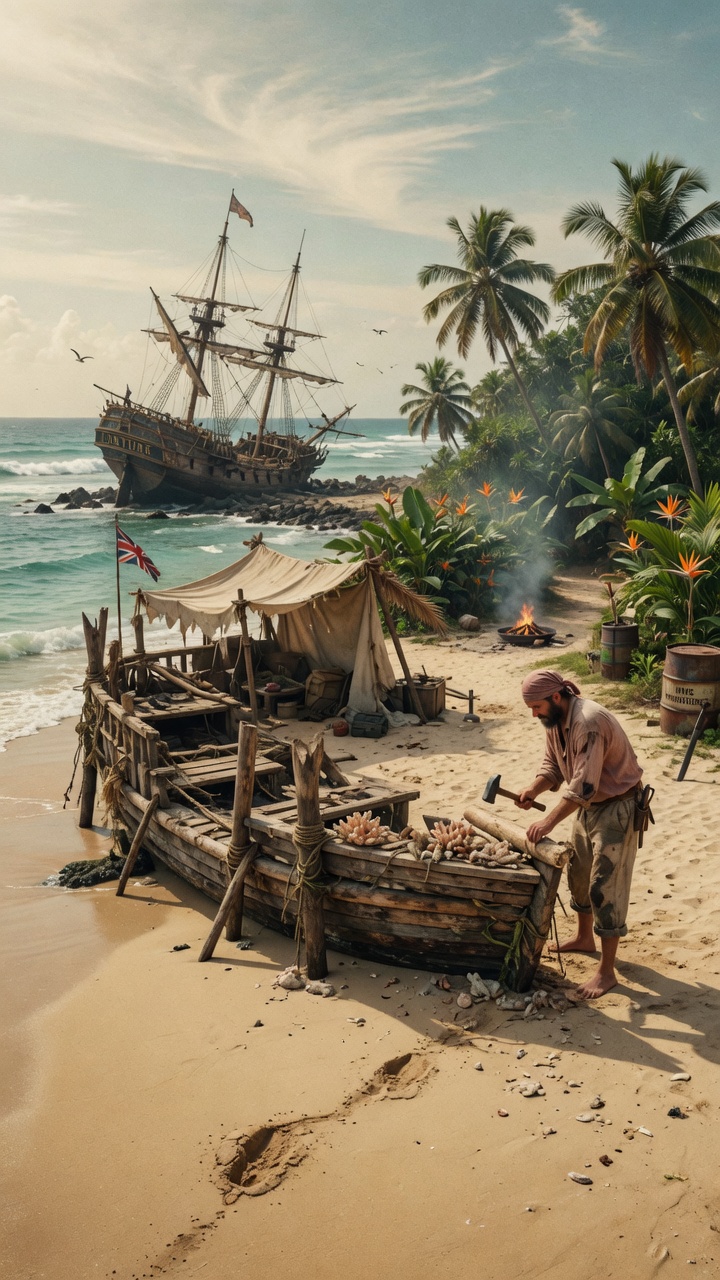
Robinson Crusoe
Daniel Defoe · 1719
One man, one island, twenty-eight years.
The original castaway survival story — shipwreck, ingenuity, and a single footprint in the sand.
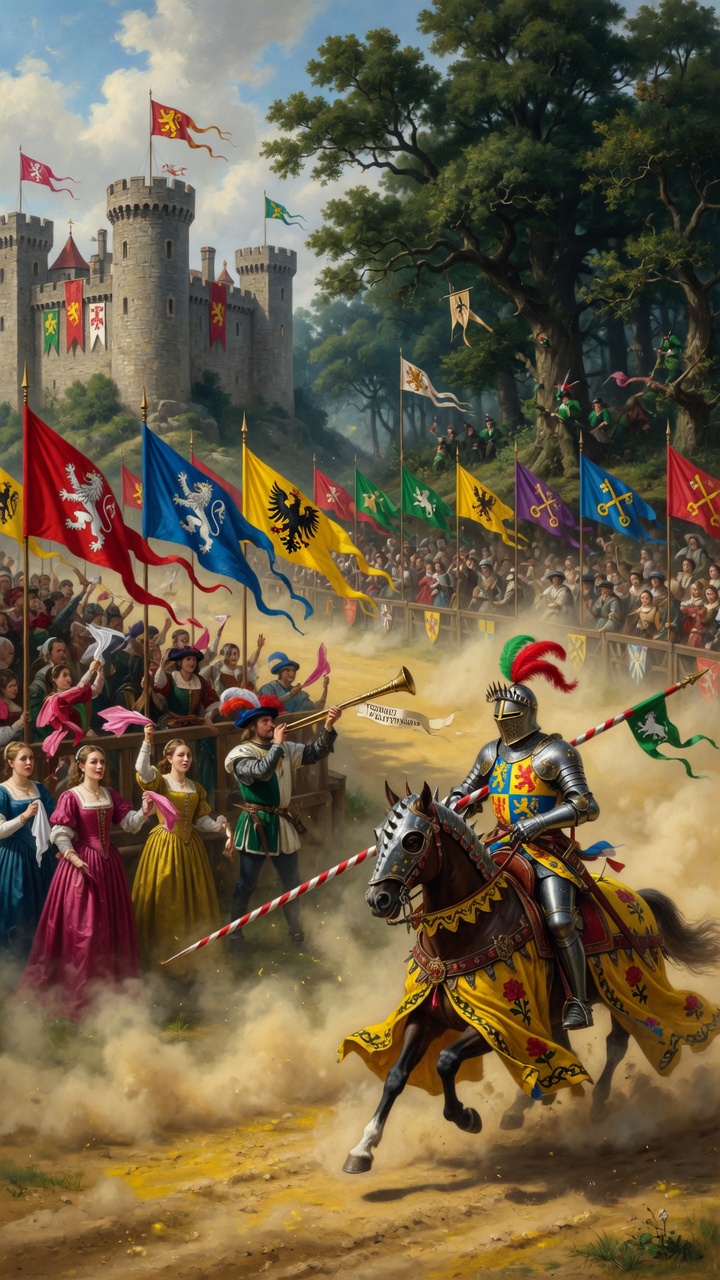
Ivanhoe
Walter Scott · 1820
A knight returns to a England of tournaments and outlaws.
Jousts, Robin Hood, Saxon-vs-Norman intrigue — the book that invented medieval romance as we know it.
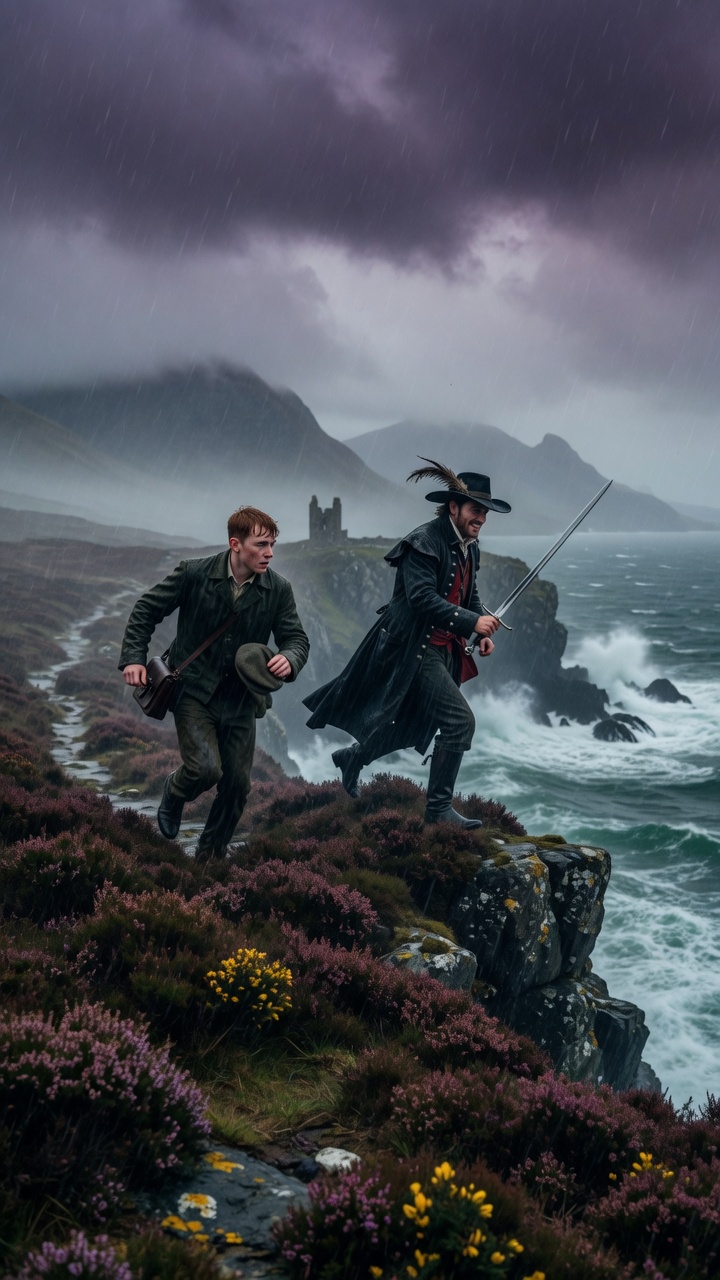
Kidnapped
Robert Louis Stevenson · 1886
Robbed of his inheritance and shipped off to die — if he lets them.
A breathless chase across the Scottish Highlands with a roguish Jacobite at his side.
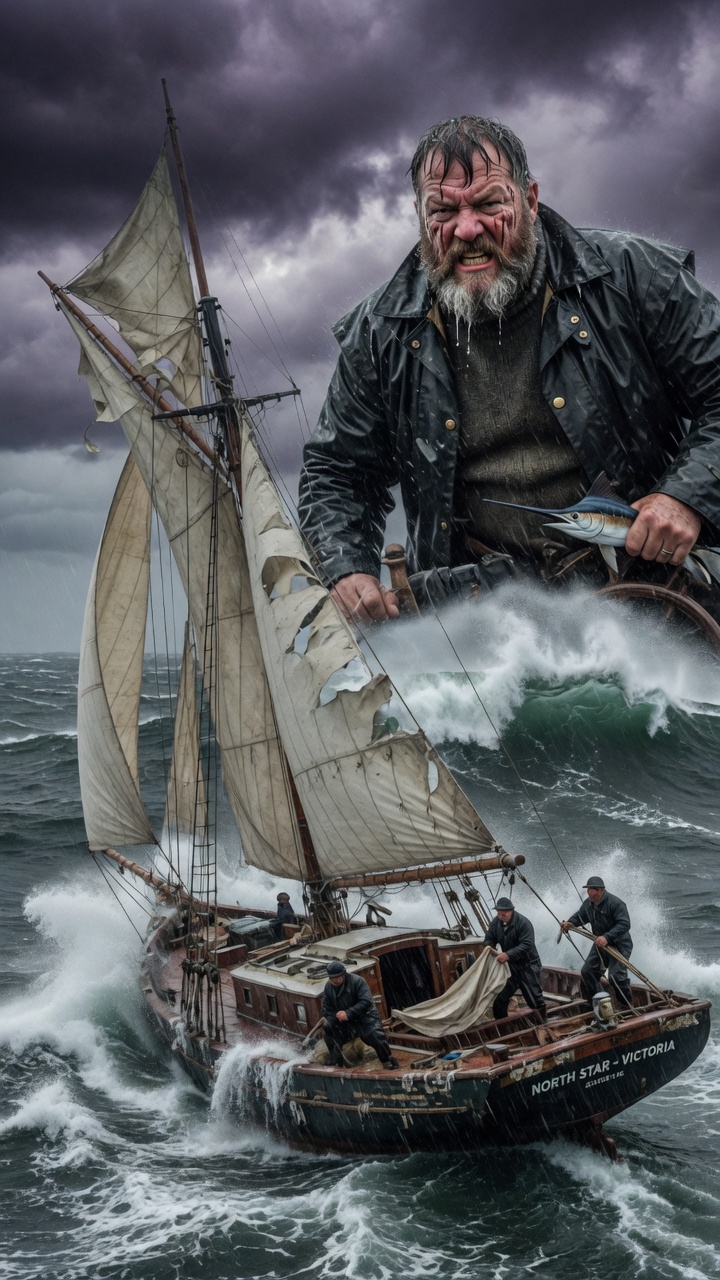
The Sea-Wolf
Jack London · 1904
Trapped at sea under the cruelest captain alive.
A soft gentleman is press-ganged onto a sealing ship ruled by a brilliant, brutal tyrant.
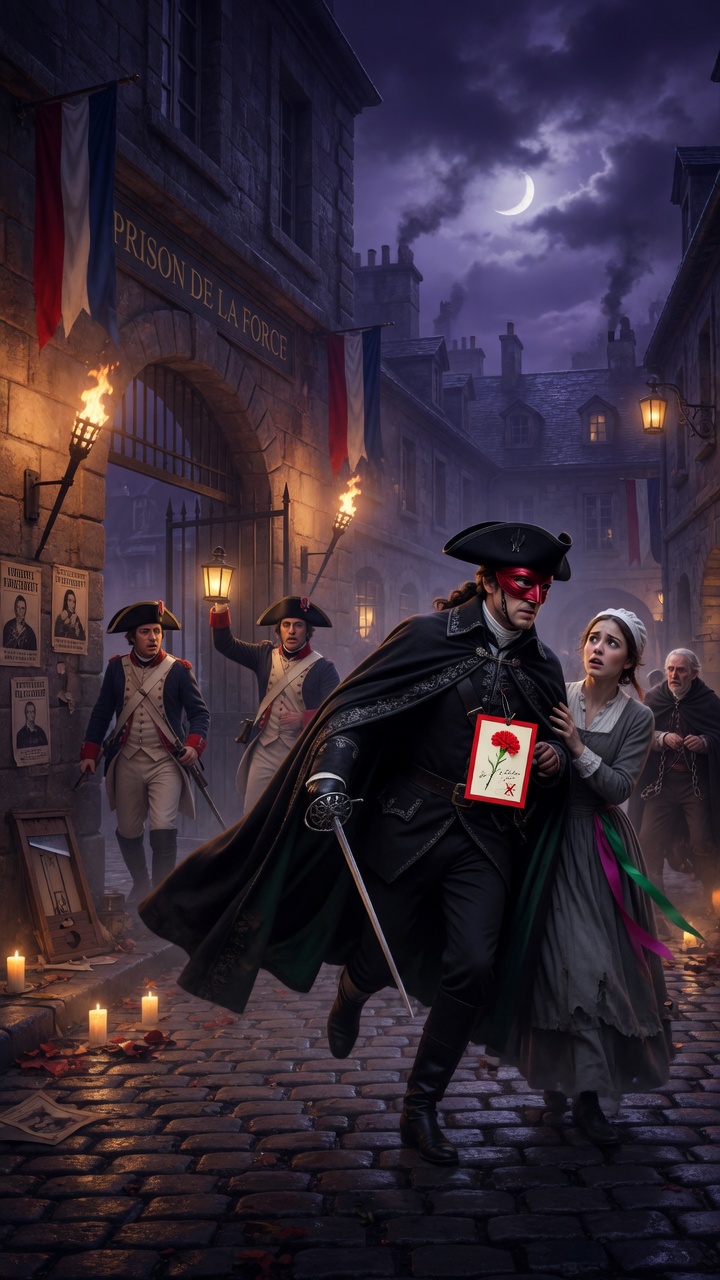
The Scarlet Pimpernel
Baroness Orczy · 1905
A foppish fool by day, a daring rescuer by night.
The original masked hero — smuggling aristocrats out of revolutionary France under the guillotine.
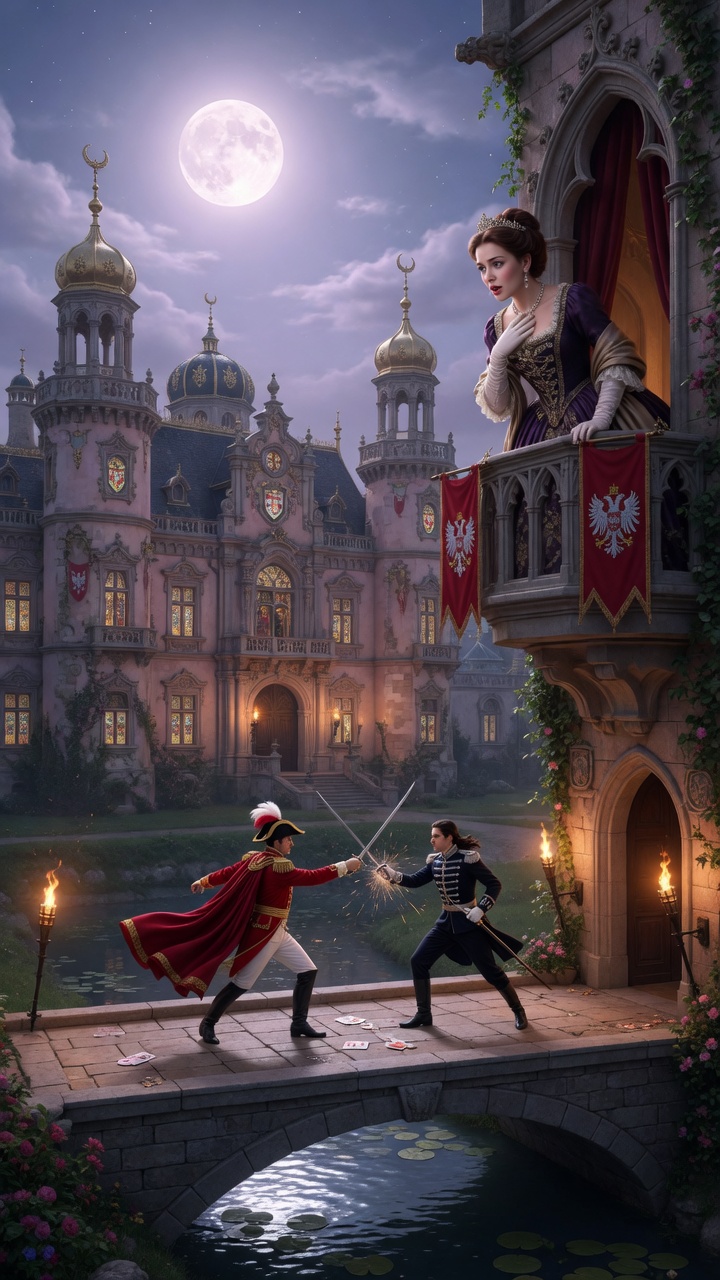
The Prisoner of Zenda
Anthony Hope · 1894
An ordinary man must impersonate a kidnapped king.
Swordplay, palace intrigue, and impossible romance in a tiny invented kingdom. Endlessly imitated.
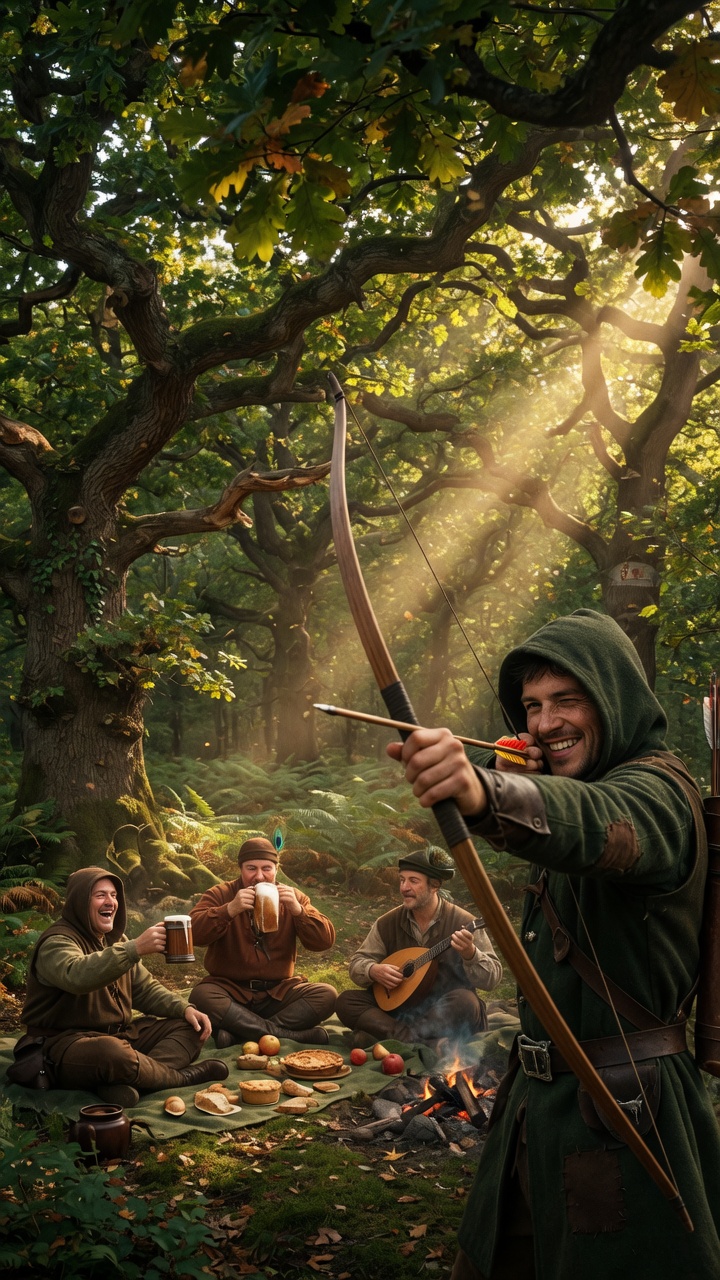
The Merry Adventures of Robin Hood
Howard Pyle · 1883
Rob the rich, feed the poor, embarrass the Sheriff.
The definitive Robin Hood — greenwood archery, merry men, and gleeful outlaw mischief.
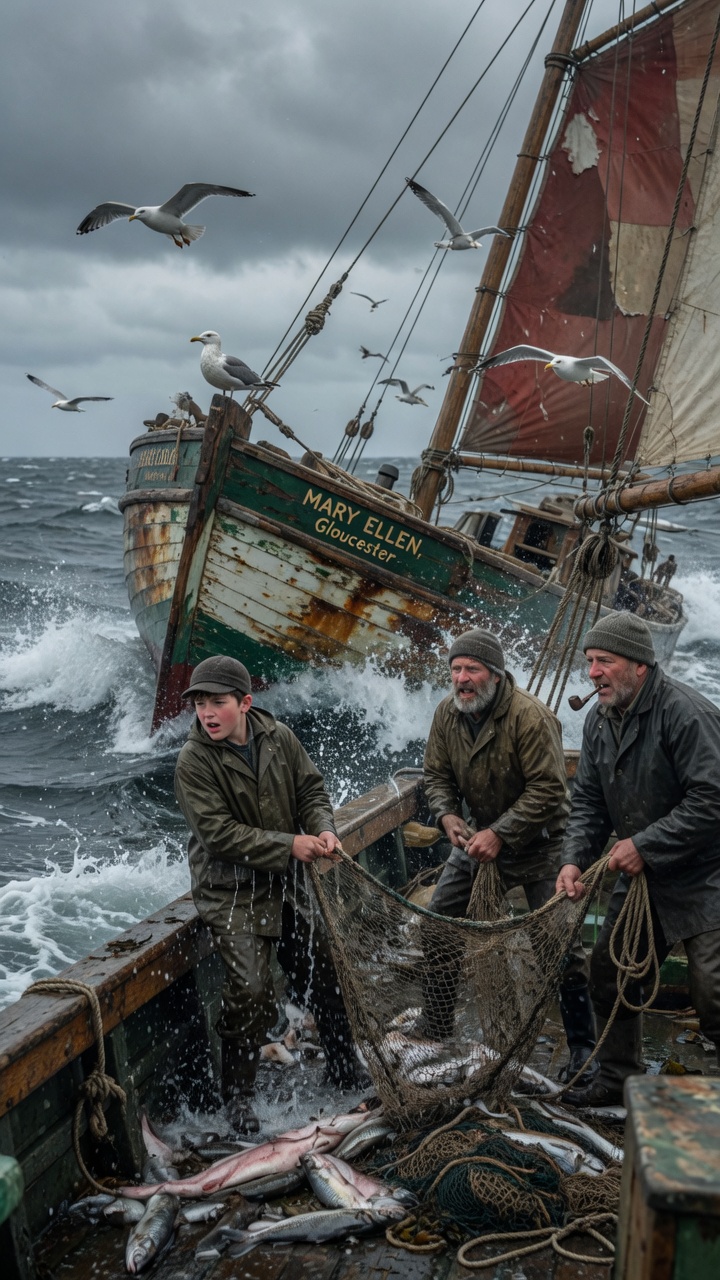
Captains Courageous
Rudyard Kipling · 1897
A spoiled rich boy goes overboard and grows up fast.
Swept off a liner onto a working fishing schooner, a brat learns the value of hard work.
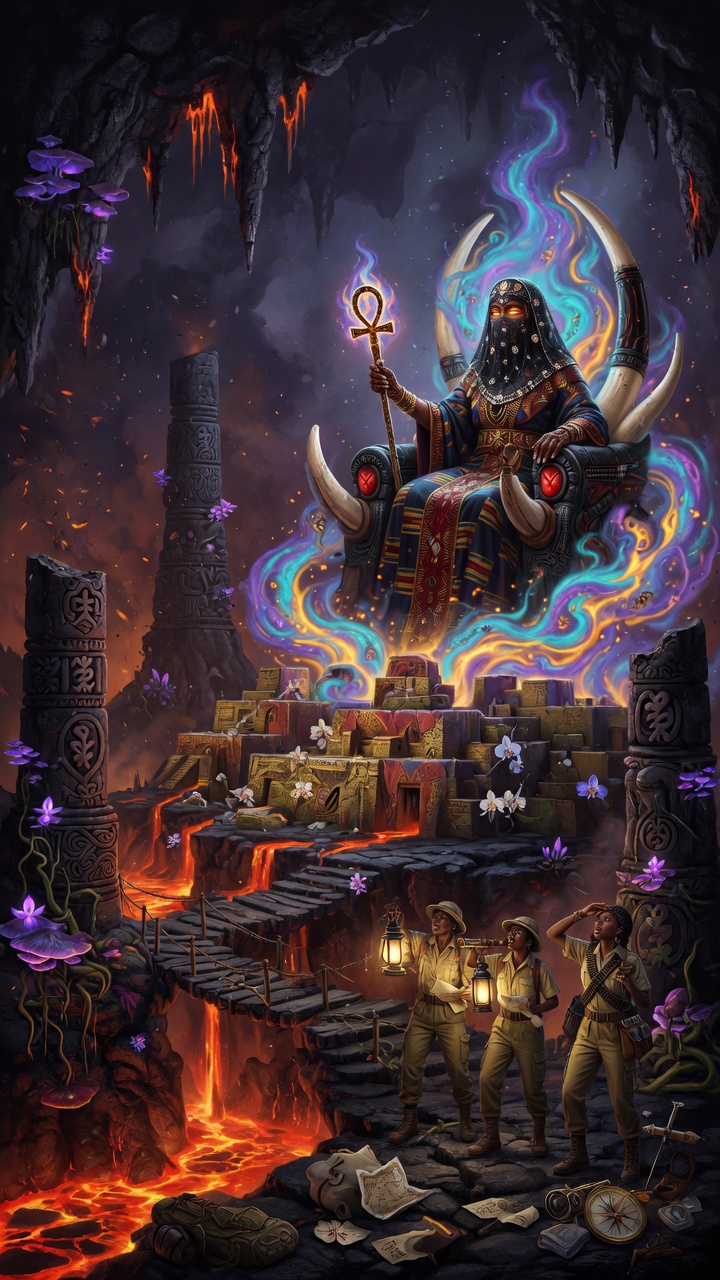
She
H. Rider Haggard · 1887
Deep in Africa rules an immortal queen who waits for a dead man reborn.
The blueprint for every lost-civilization fantasy — a deathless sorceress and a 2,000-year-old love.
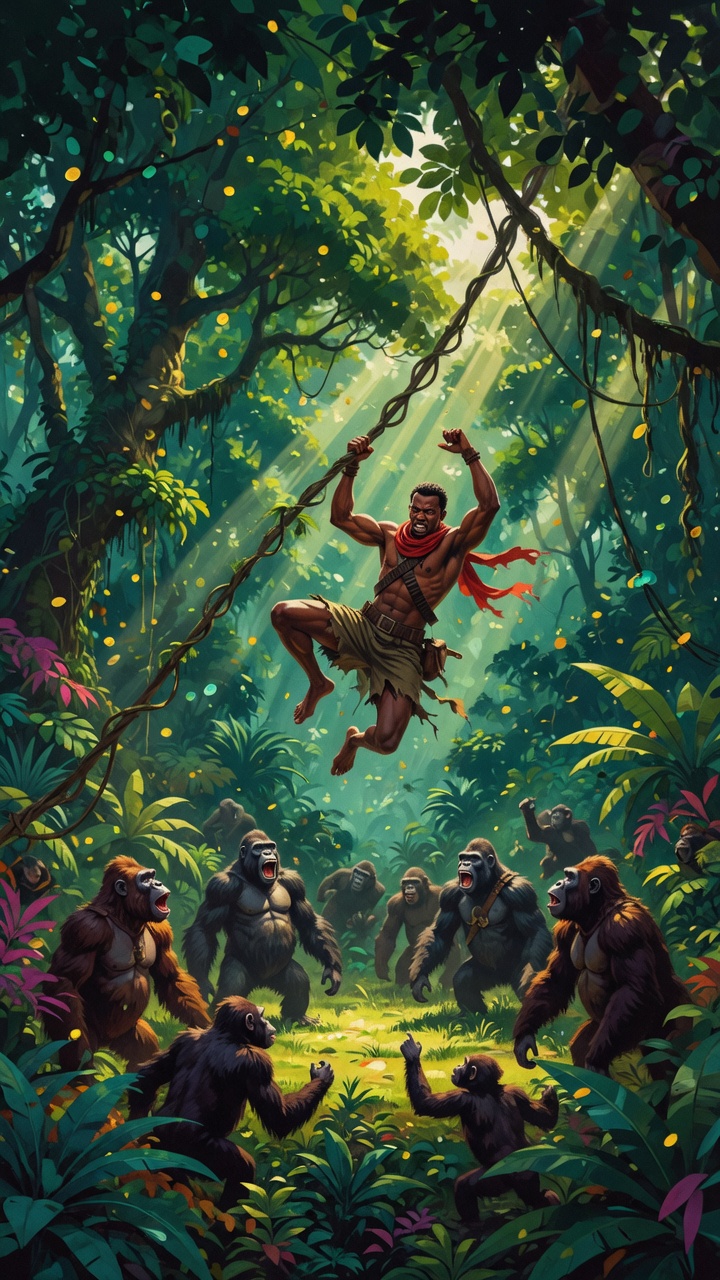
Tarzan of the Apes
Edgar Rice Burroughs · 1912
Orphaned in the jungle, raised by apes, lord of them all.
The pulp legend himself — a man between two worlds, swinging through the African canopy.
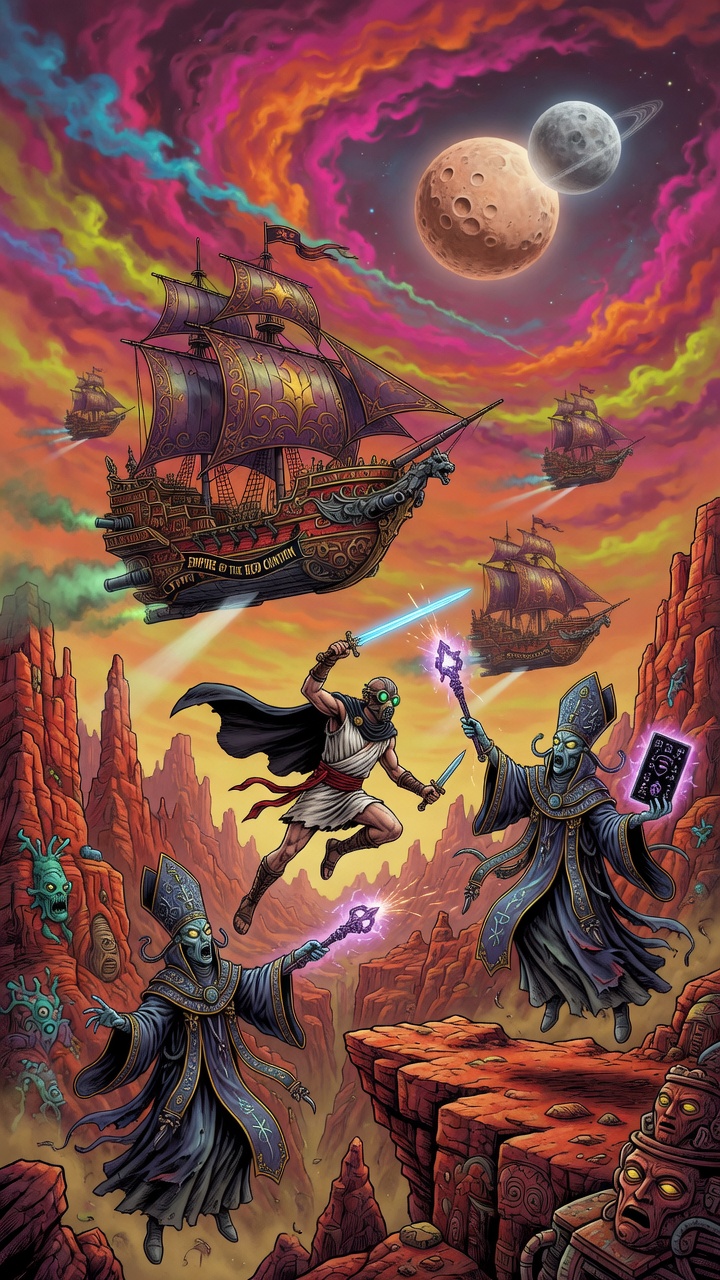
The Gods of Mars
Edgar Rice Burroughs · 1913
Back on Mars, and the gods themselves are the enemy.
John Carter returns to a red planet of flying ships, savage gods, and nonstop sword-and-blaster action.
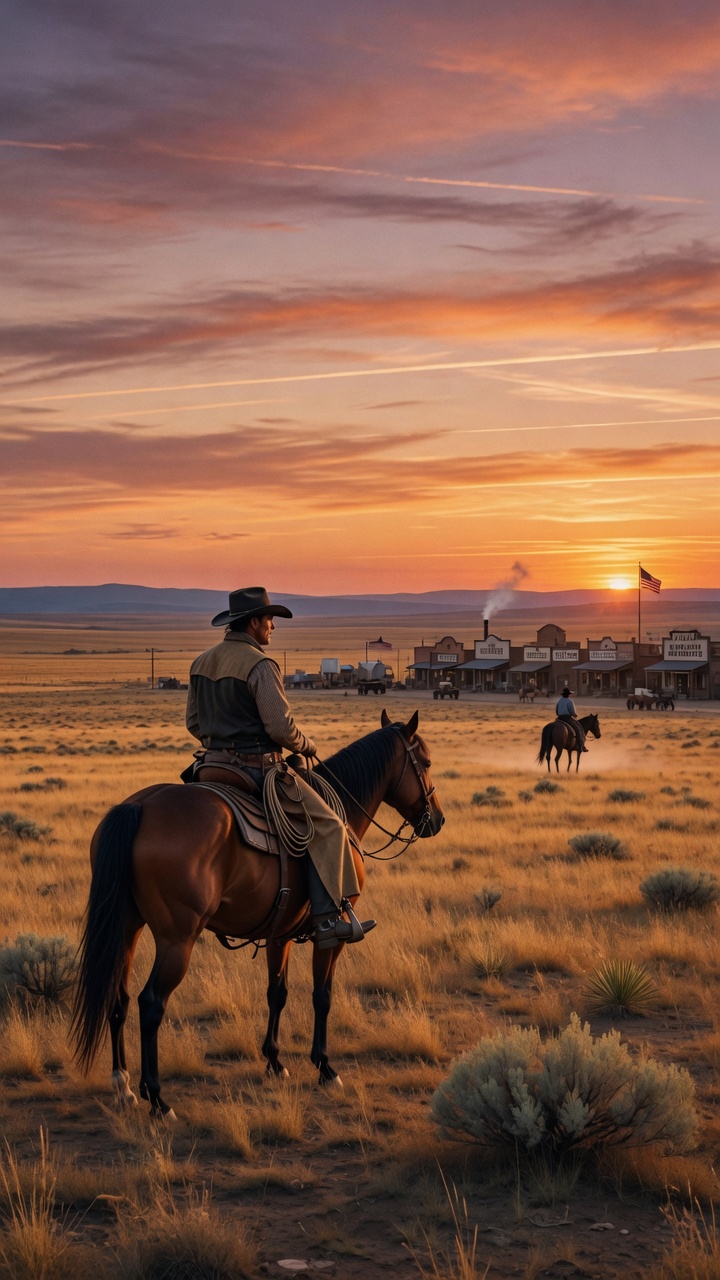
The Virginian
Owen Wister · 1902
A quiet cowboy, a schoolteacher, and a showdown at high noon.
The first true Western — and the source of every laconic gunslinger who came after.

Riders of the Purple Sage
Zane Grey · 1912
A masked gunman rides in to save a woman from zealots.
The Western that defined the genre — purple canyons, fast guns, and a hidden valley paradise.
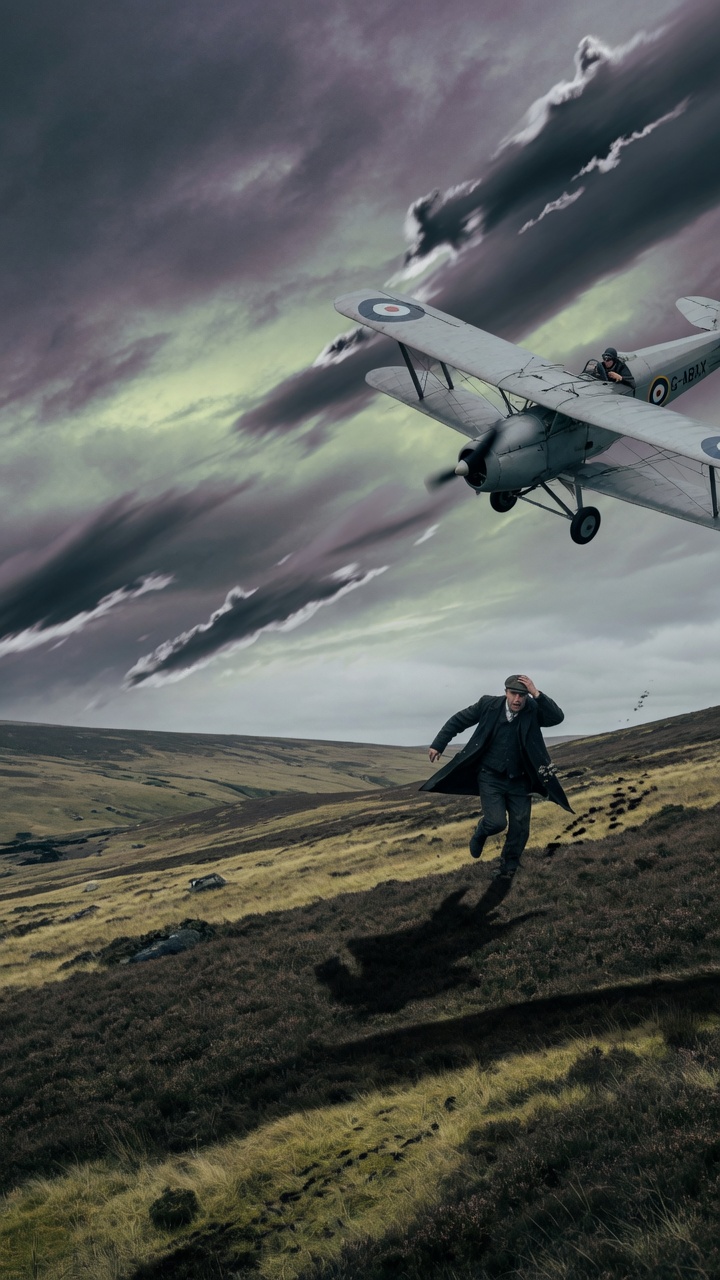
The Thirty-Nine Steps
John Buchan · 1915
An innocent man, a dead spy, a whole country hunting him.
The original man-on-the-run thriller — a chase across Scotland with a deadly secret in hand.
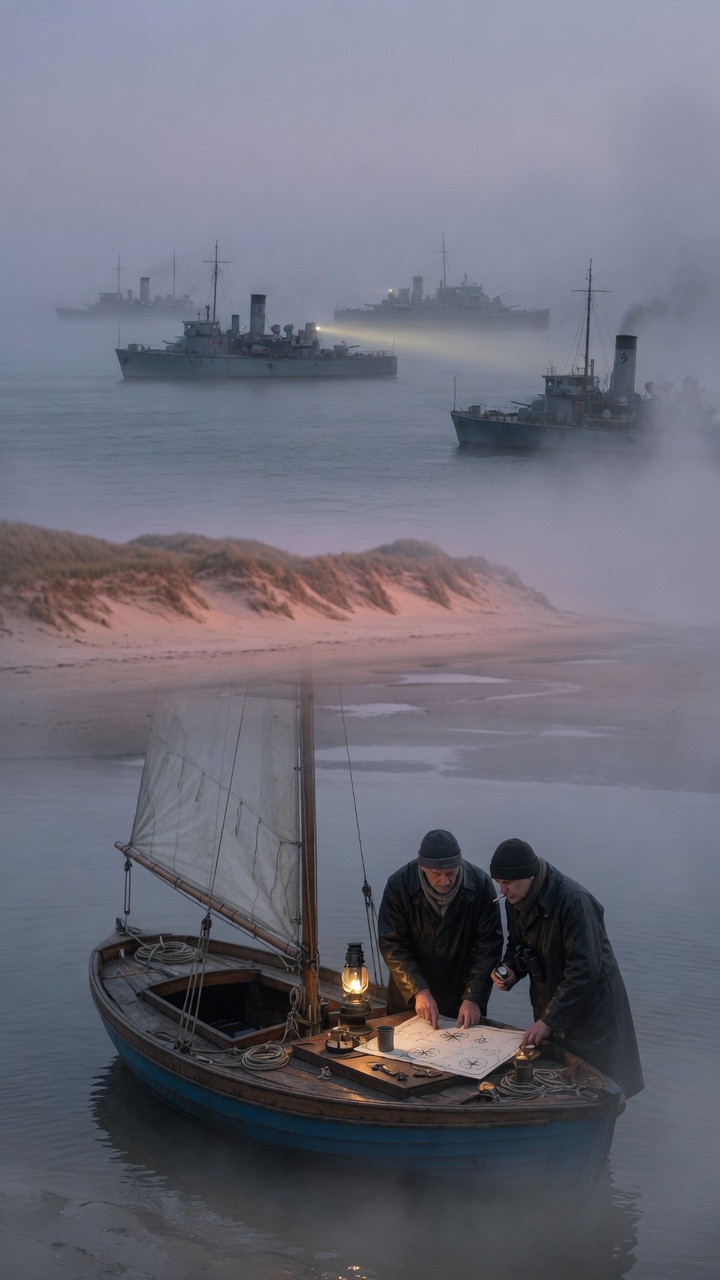
The Riddle of the Sands
Erskine Childers · 1903
Two yachtsmen stumble onto a secret invasion plan.
The first modern spy novel — fog, tide charts, and espionage among the North Sea sandbanks.
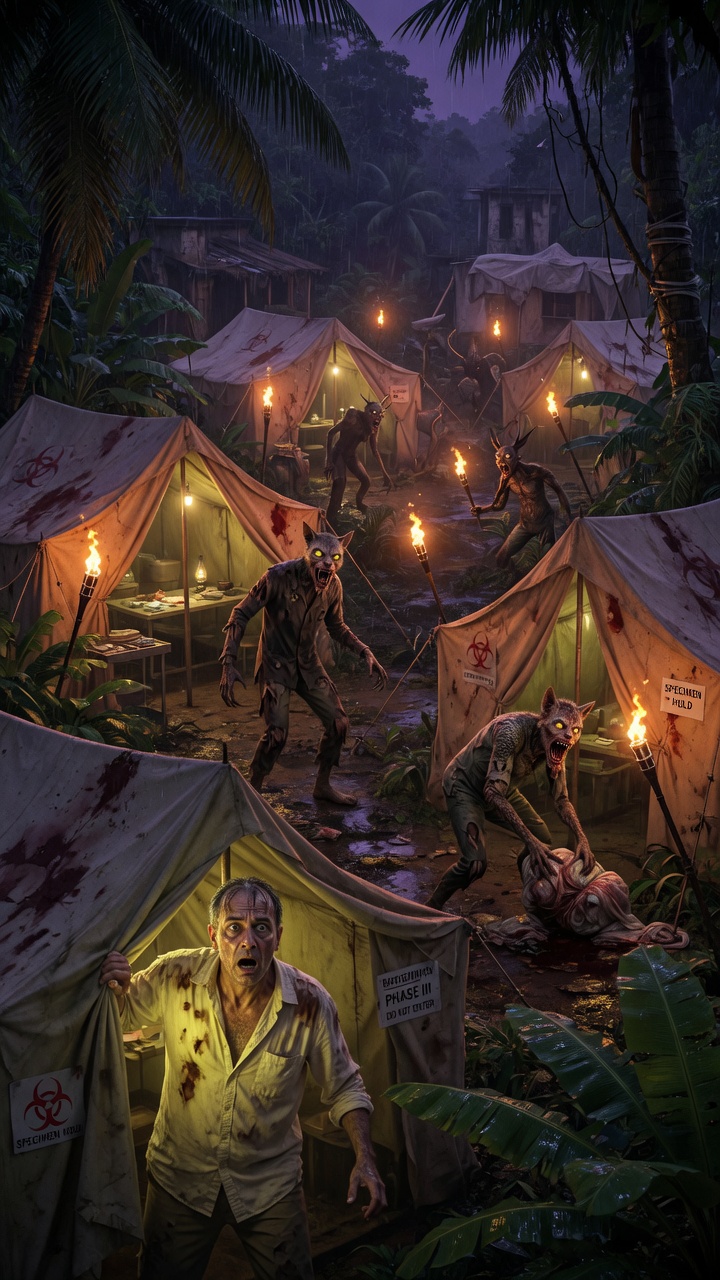
The Island of Doctor Moreau
H. G. Wells · 1896
A mad doctor is carving animals into men.
A castaway discovers an island lab where surgery blurs the line between beast and human. Nightmarish.
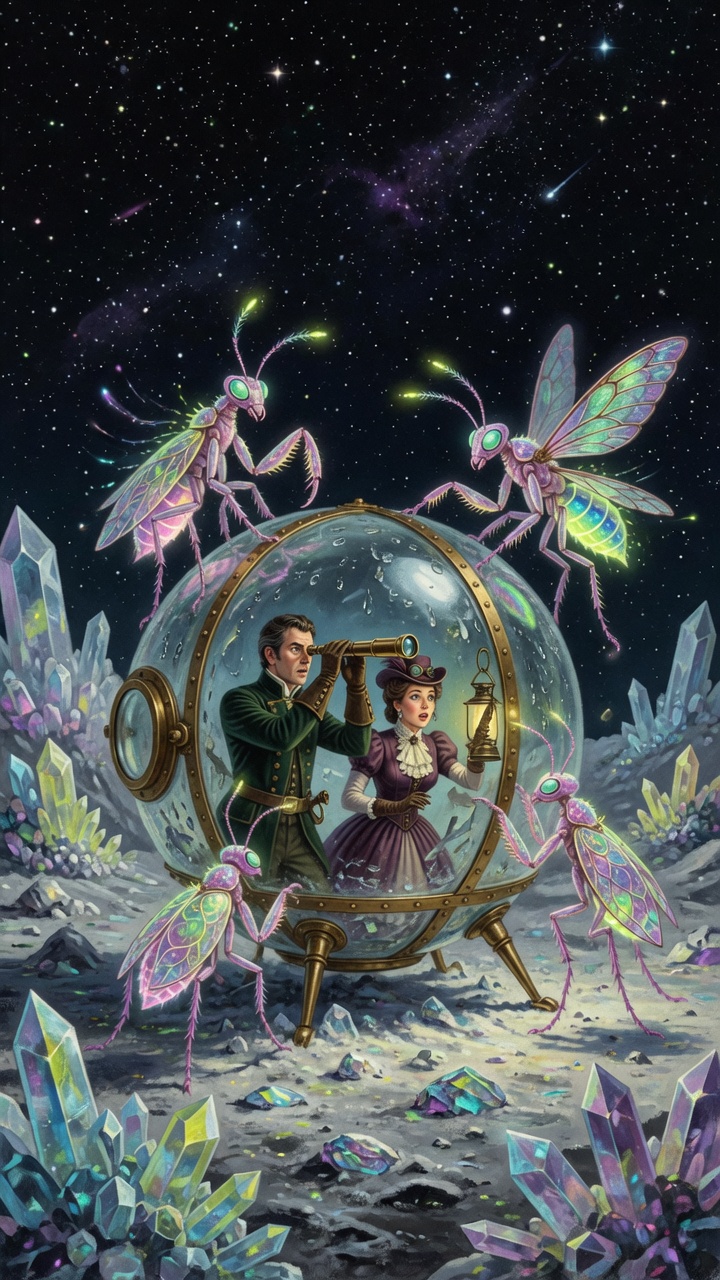
The First Men in the Moon
H. G. Wells · 1901
Two Englishmen land on the Moon — and it is inhabited.
A wild Victorian lunar voyage into caverns ruled by an insect-like Moon civilization.
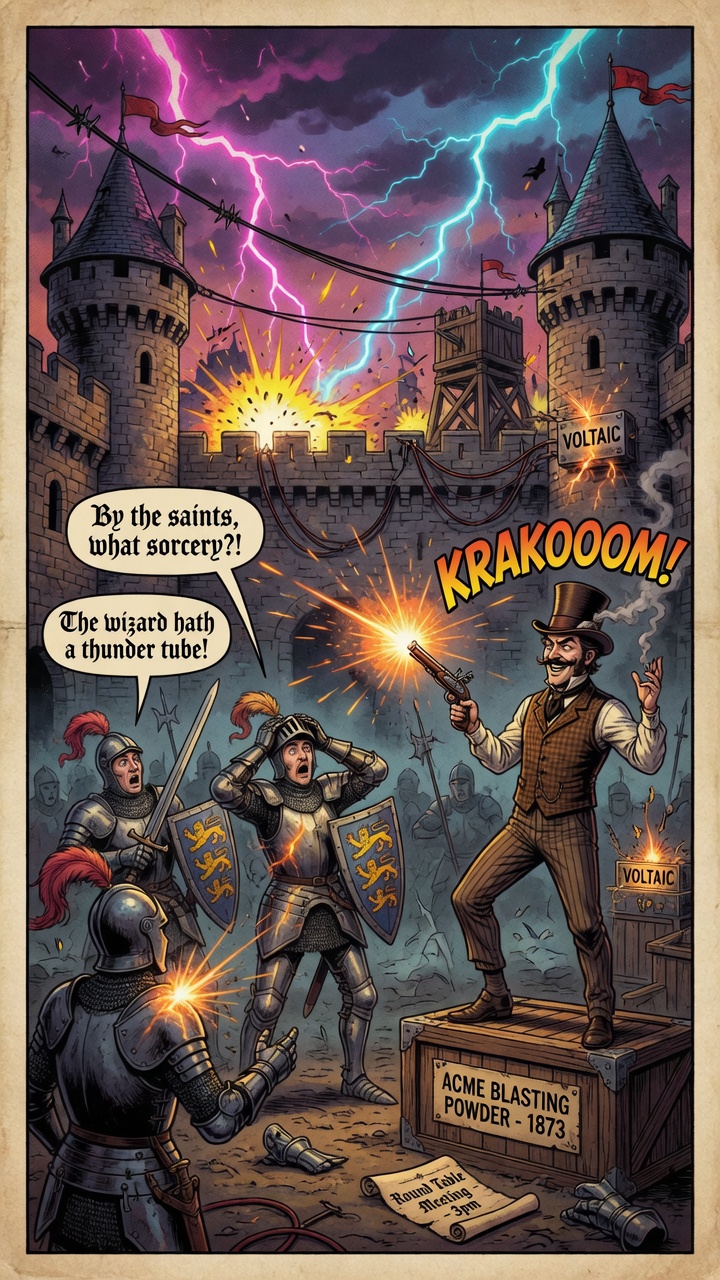
A Connecticut Yankee in King Arthur's Court
Mark Twain · 1889
A modern engineer wakes up in Camelot and starts improving things.
Twain drops a wisecracking Yankee into King Arthur’s court for time-travel satire and chaos.

Flatland
Edwin A. Abbott · 1884
A square living in a 2D world meets the third dimension.
A brain-bending geometric fable about dimensions, conformity, and seeing beyond your world.

Looking Backward
Edward Bellamy · 1888
He falls asleep in 1887 and wakes in a perfect year 2000.
The utopian novel that gripped a generation — a vision of a gleaming, equal future.
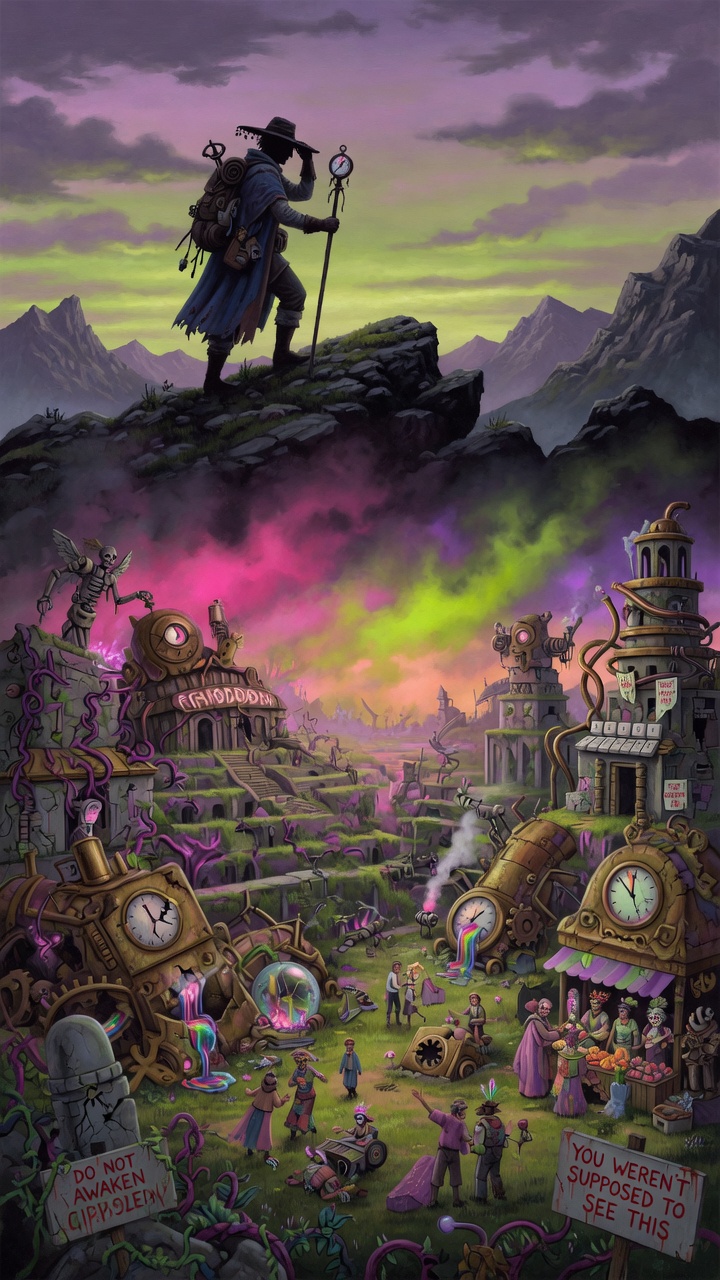
Erewhon
Samuel Butler · 1872
A hidden land where illness is a crime and machines are banned.
A razor-sharp satire that imagined the danger of intelligent machines a century early.
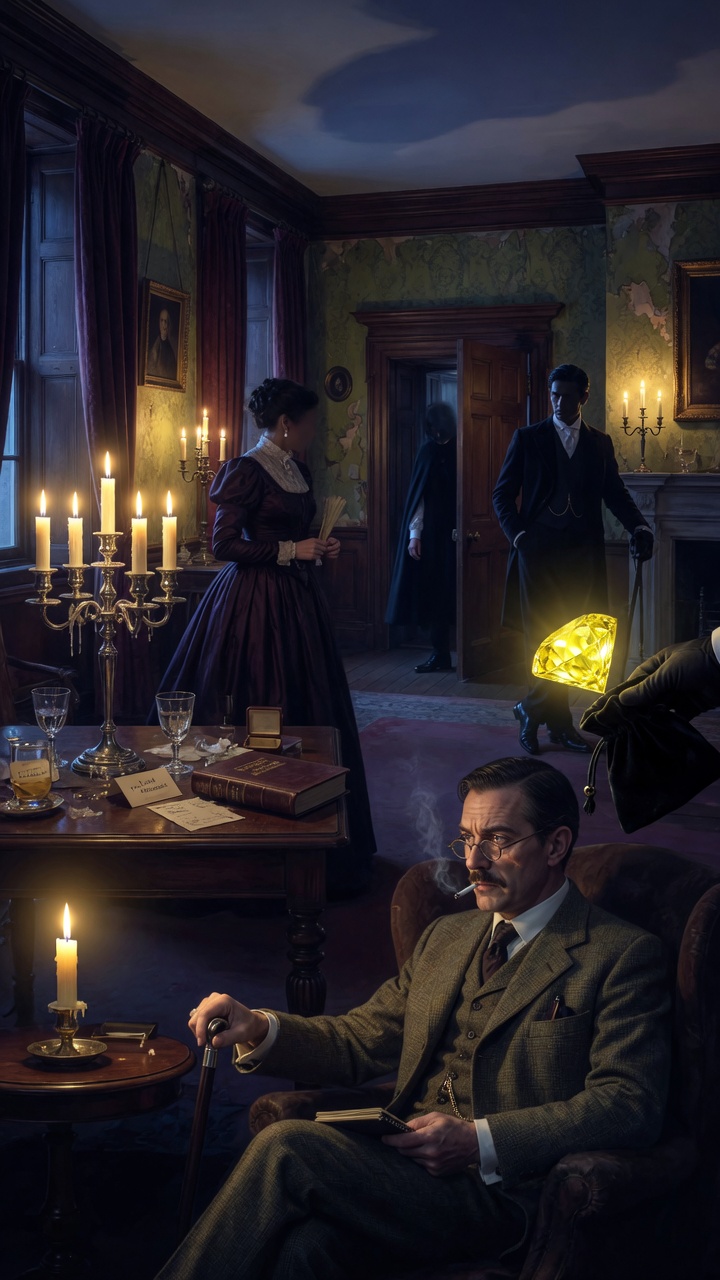
The Moonstone
Wilkie Collins · 1868
A cursed diamond vanishes in the night. Everyone is a suspect.
Widely called the first detective novel — a stolen jewel, a country house, and a brilliant sleuth.
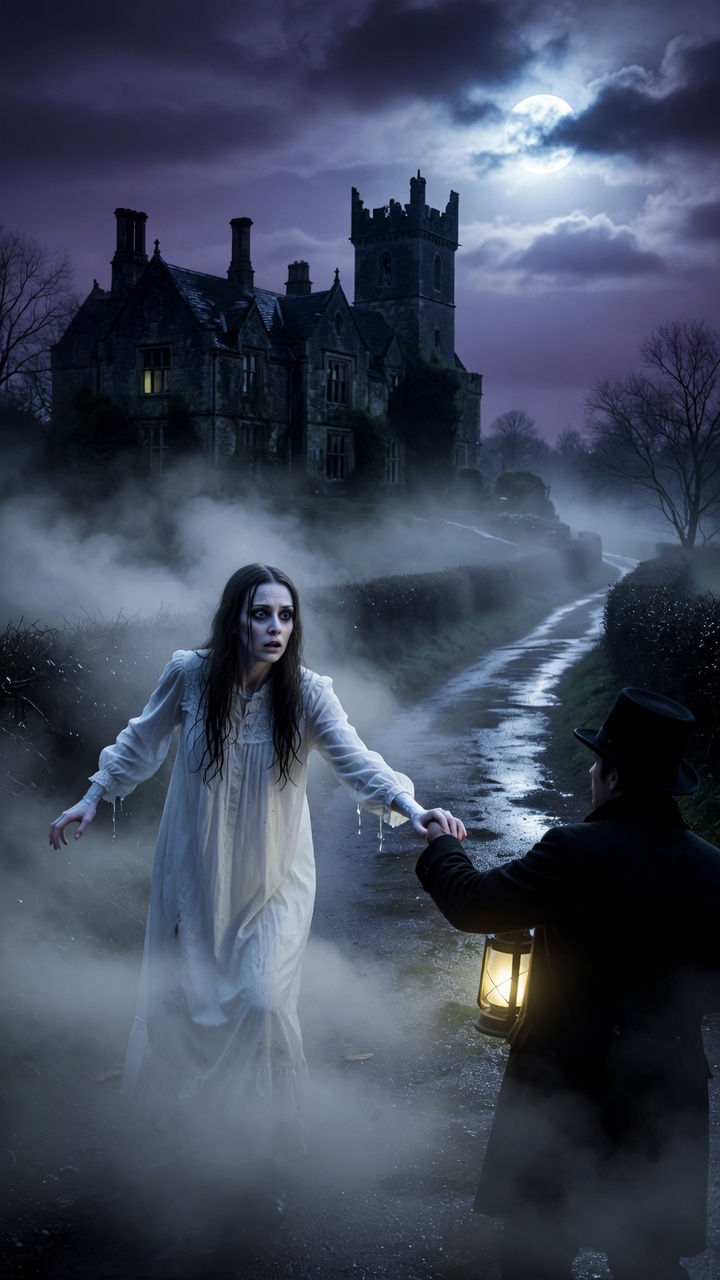
The Woman in White
Wilkie Collins · 1859
A ghostly woman in white warns of a sinister plot.
The original page-turner — mistaken identity, a stolen fortune, and a deliciously evil count.
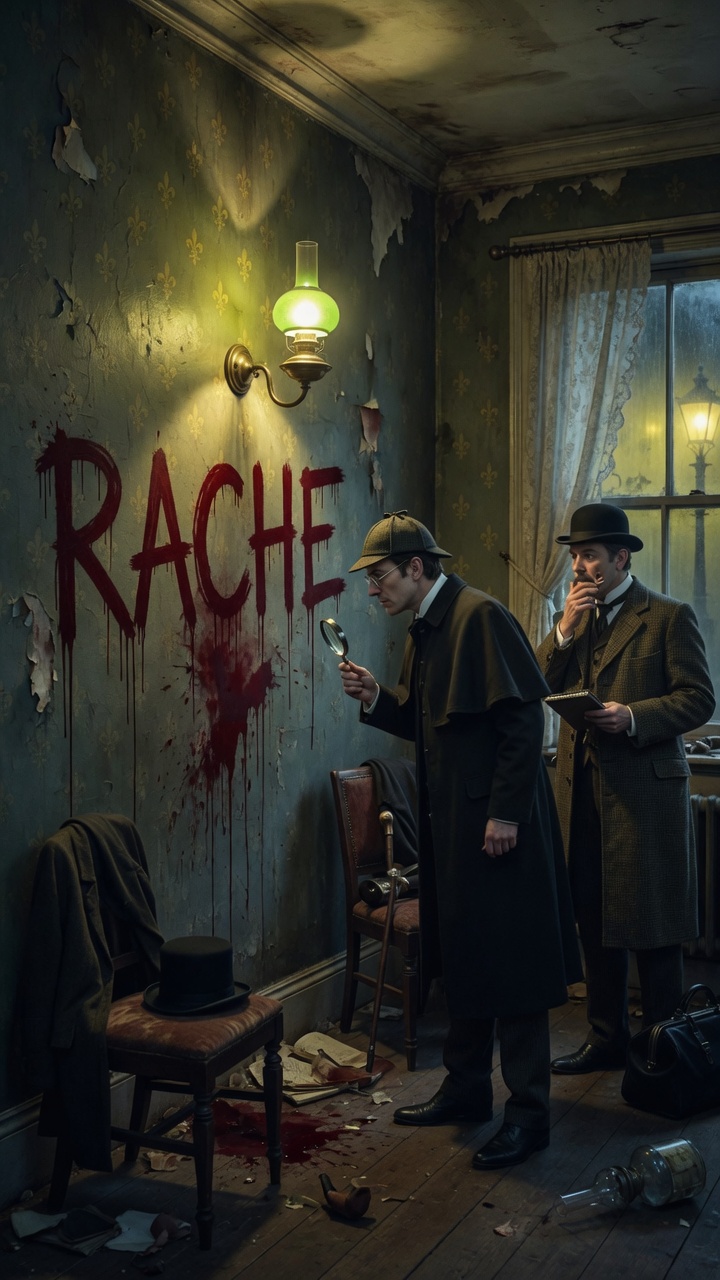
A Study in Scarlet
Arthur Conan Doyle · 1887
The day Holmes met Watson — and the game began.
The very first Sherlock Holmes case: a body, a word in blood, and a mind like no other.
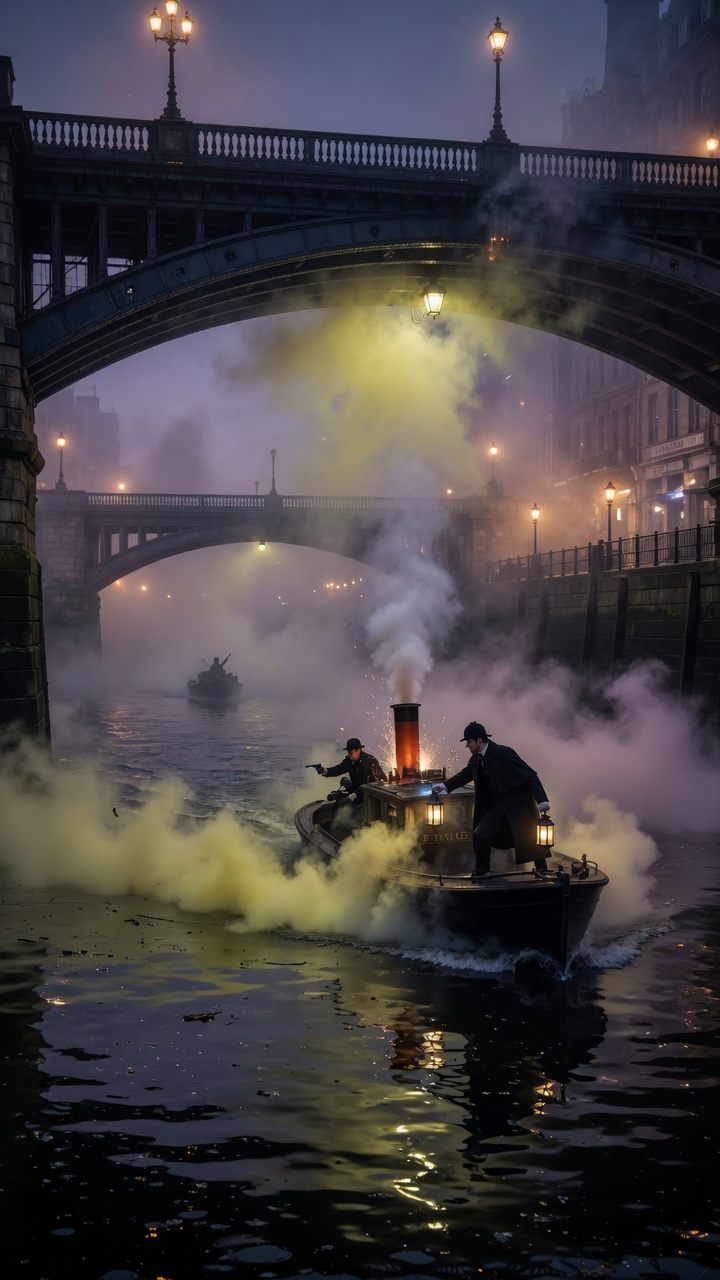
The Sign of the Four
Arthur Conan Doyle · 1890
A stolen treasure, a secret pact, a one-legged killer.
Holmes and Watson chase a cursed Indian fortune down the Thames at full tilt.
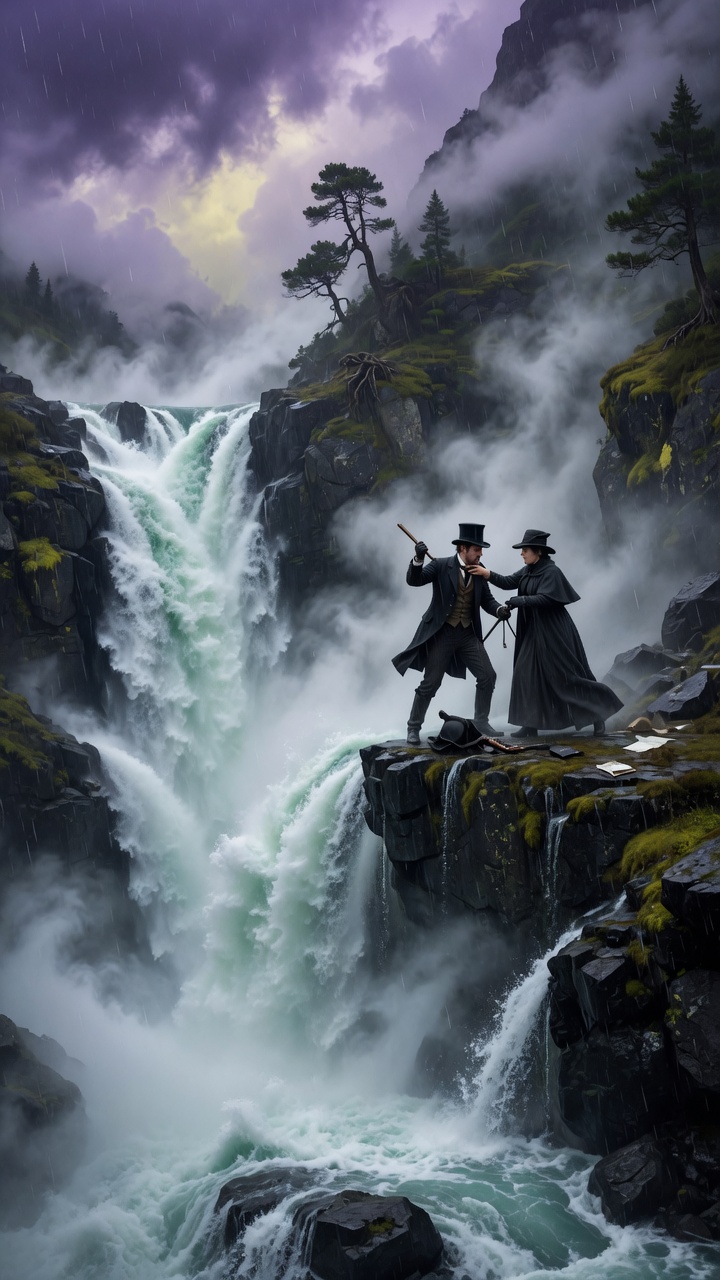
The Memoirs of Sherlock Holmes
Arthur Conan Doyle · 1893
More impossible cases — and a deadly cliff over a waterfall.
Eleven more masterful puzzles, ending with Holmes’ infamous showdown at the Reichenbach Falls.

The Innocence of Father Brown
G. K. Chesterton · 1911
A meek little priest who solves what police cannot.
The gentlest detective in fiction cracks impossible crimes with insight into the human soul.
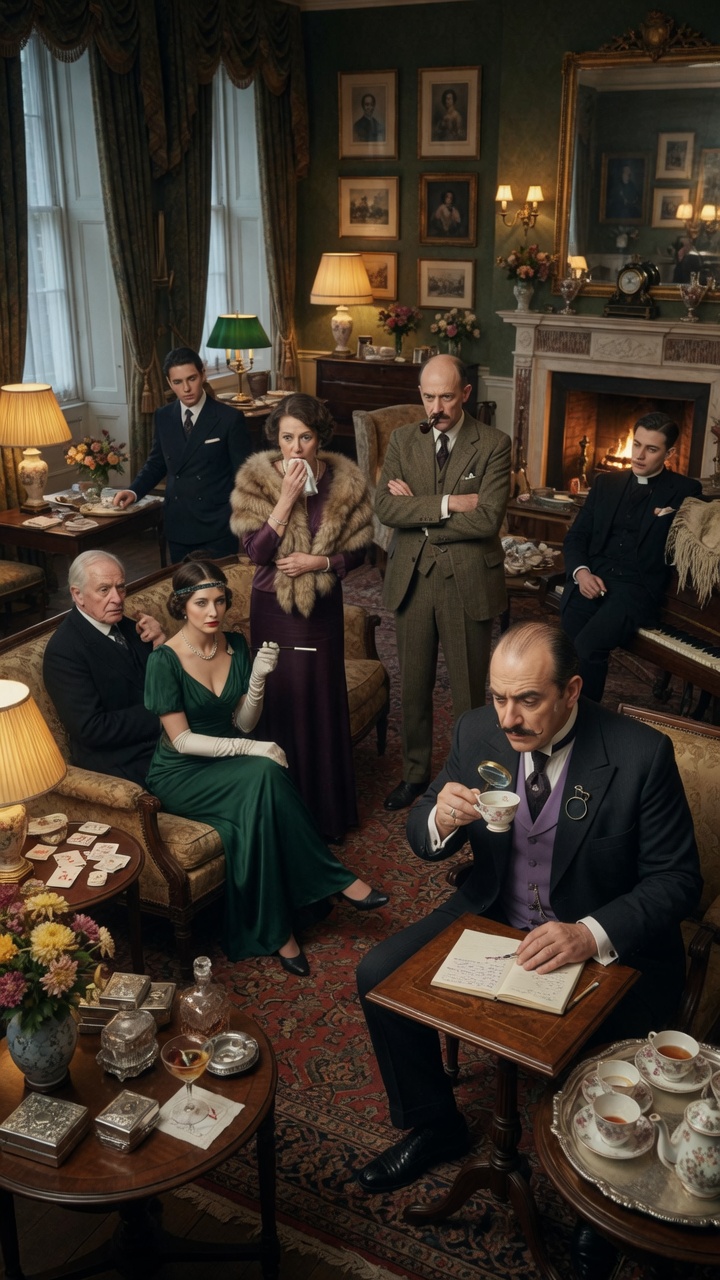
The Mysterious Affair at Styles
Agatha Christie · 1920
A poisoning at a country house. Enter Hercule Poirot.
Christie's debut and the first Poirot case — the cozy English murder mystery is born.
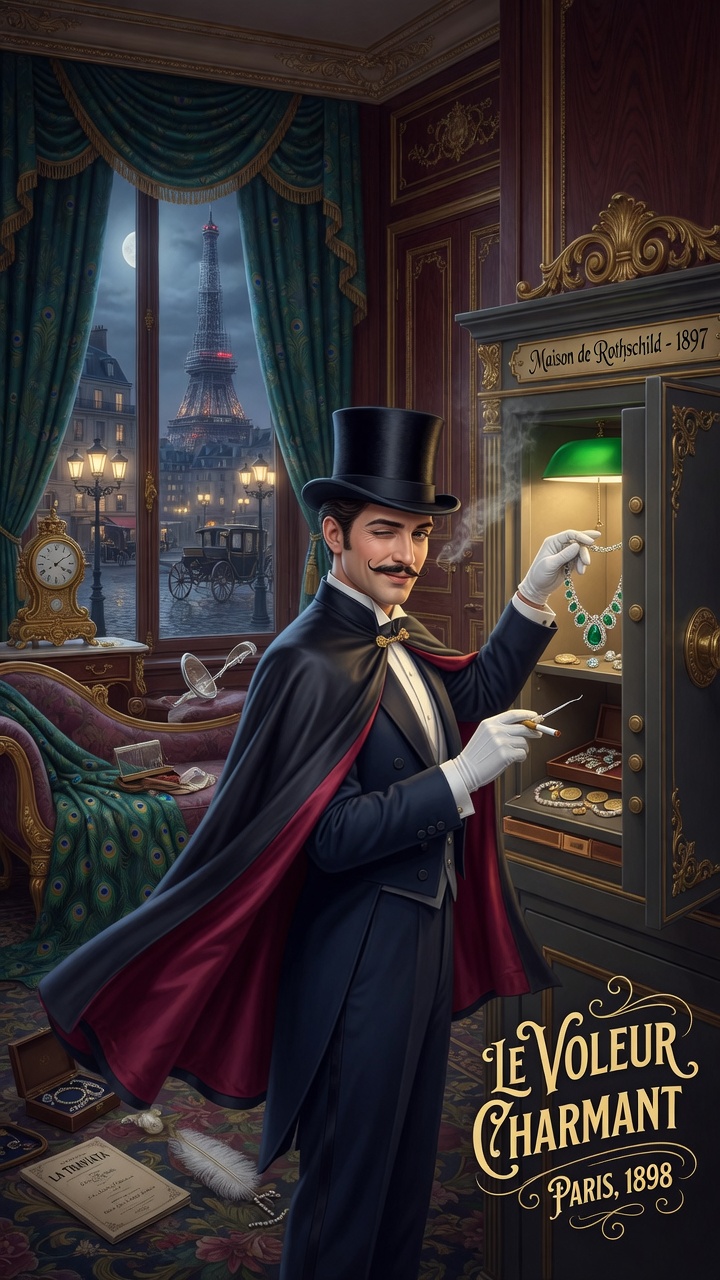
Arsène Lupin, Gentleman Thief
Maurice Leblanc · 1907
The thief who robs you with a smile and a calling card.
France's dashing master burglar — disguises, daring heists, and outwitting the police for sport.
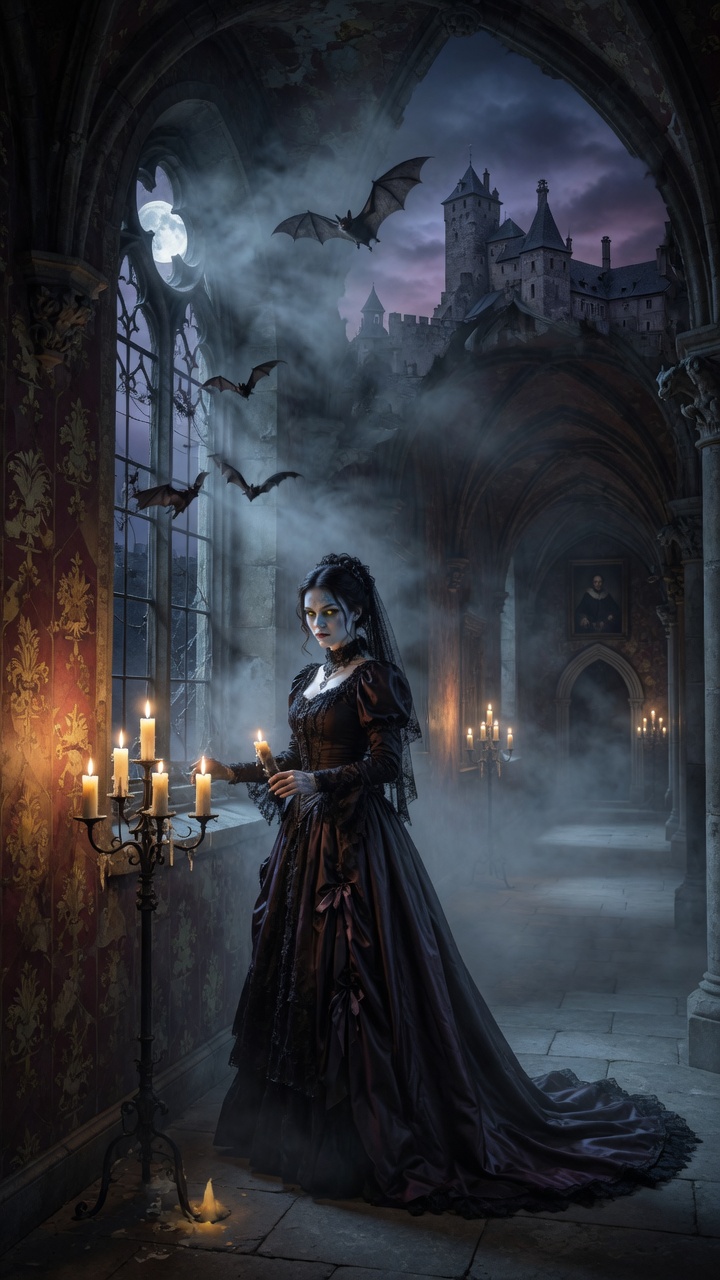
Carmilla
Sheridan Le Fanu · 1872
A lonely girl, a beautiful houseguest, a thirst for blood.
The vampire tale that predated Dracula by 25 years — seductive, dreamy, and deeply unsettling.
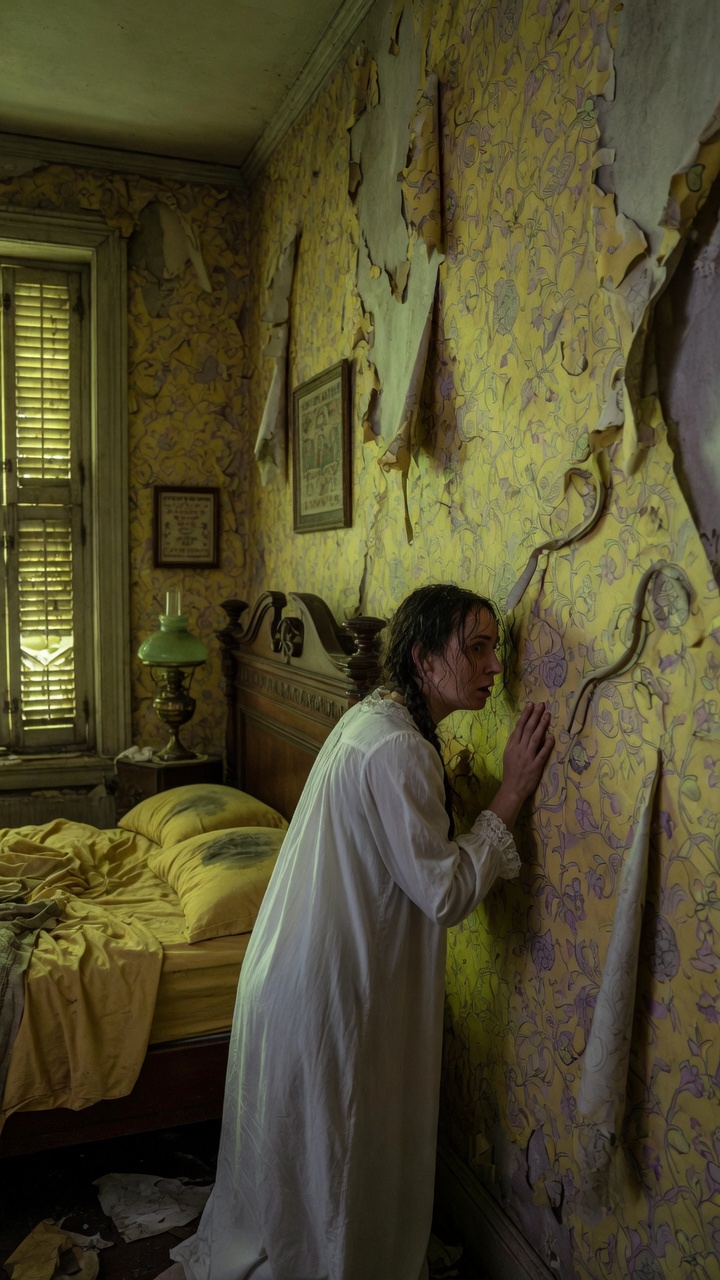
The Yellow Wallpaper
Charlotte Perkins Gilman · 1892
Locked in a room, she starts to see things in the walls.
A chilling descent into madness — and a furious indictment of how women were "treated."
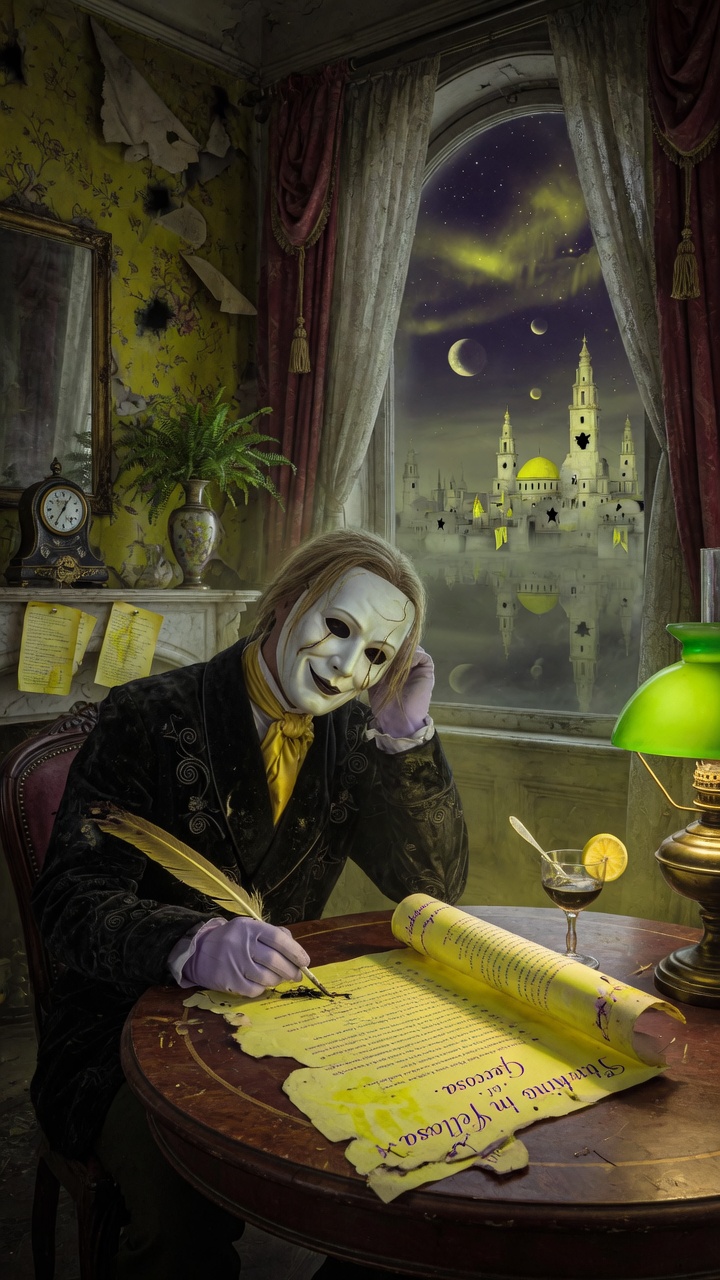
The King in Yellow
Robert W. Chambers · 1895
A forbidden play that drives its readers insane.
Eerie, dreamlike tales orbiting a cursed book — the secret ancestor of cosmic horror.
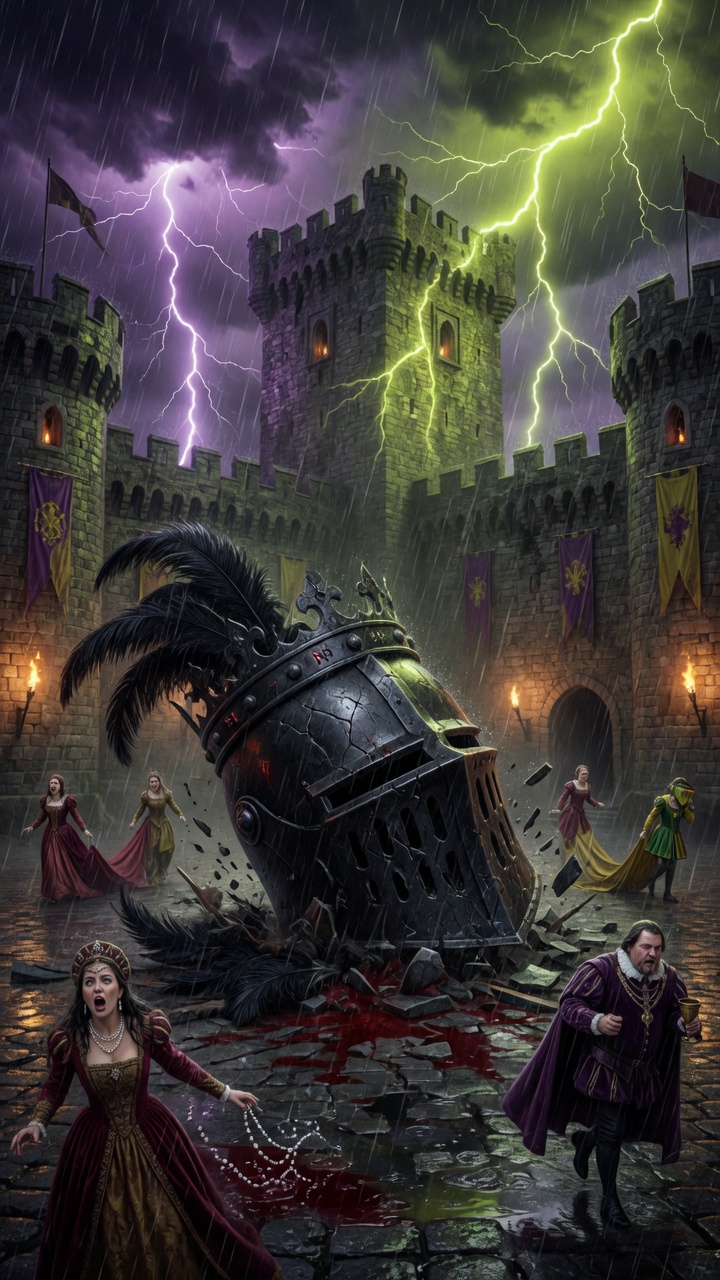
The Castle of Otranto
Horace Walpole · 1764
A giant helmet falls from the sky and crushes the heir.
The very first gothic novel — cursed castles, prophecies, and supernatural doom, full throttle.
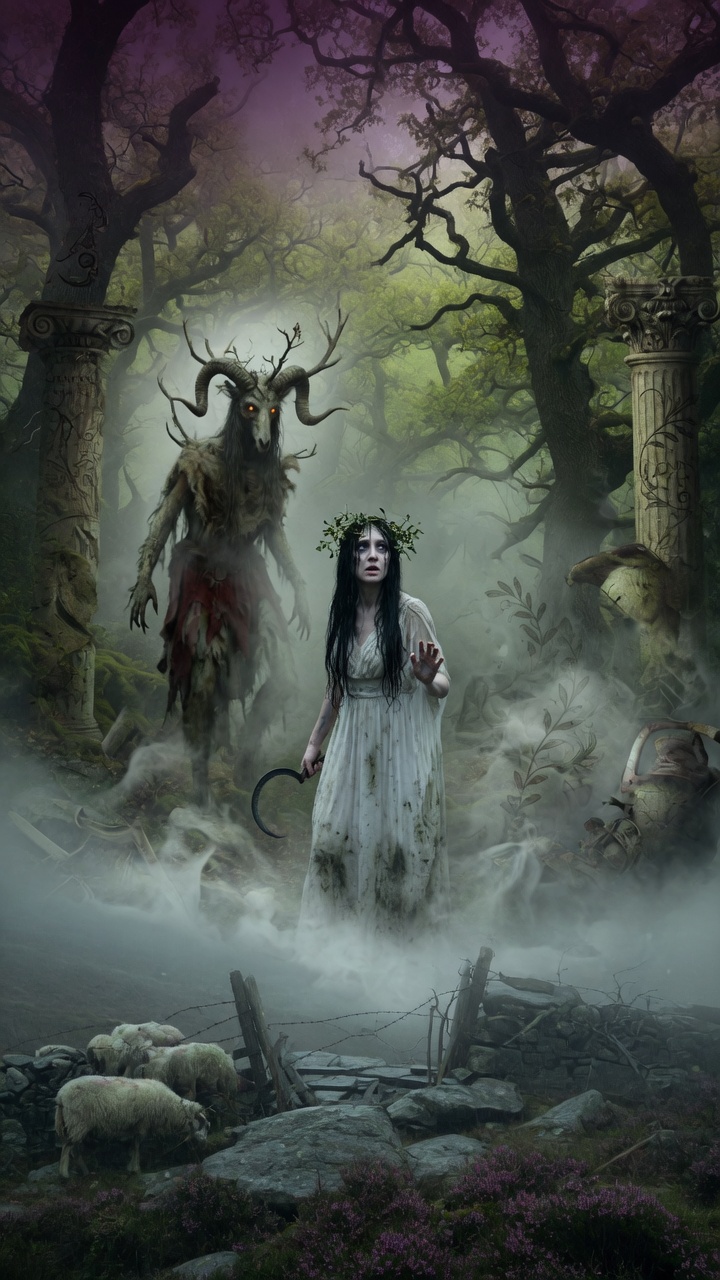
The Great God Pan
Arthur Machen · 1894
A cruel experiment tears open a door that should stay shut.
A landmark of weird horror — a woman who has glimpsed something ancient and obscene.
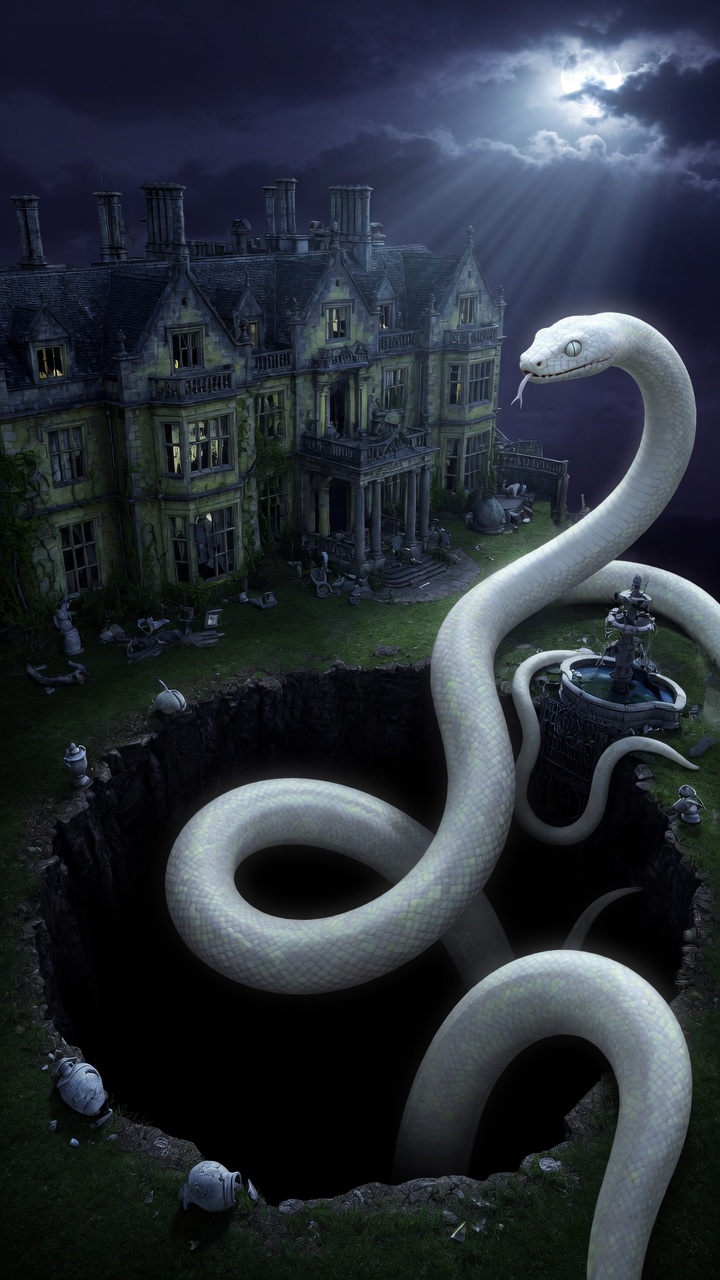
The Lair of the White Worm
Bram Stoker · 1911
Beneath the estate coils something monstrous and ancient.
Stoker's deranged last horror — a primeval white serpent and a woman who is not what she seems.
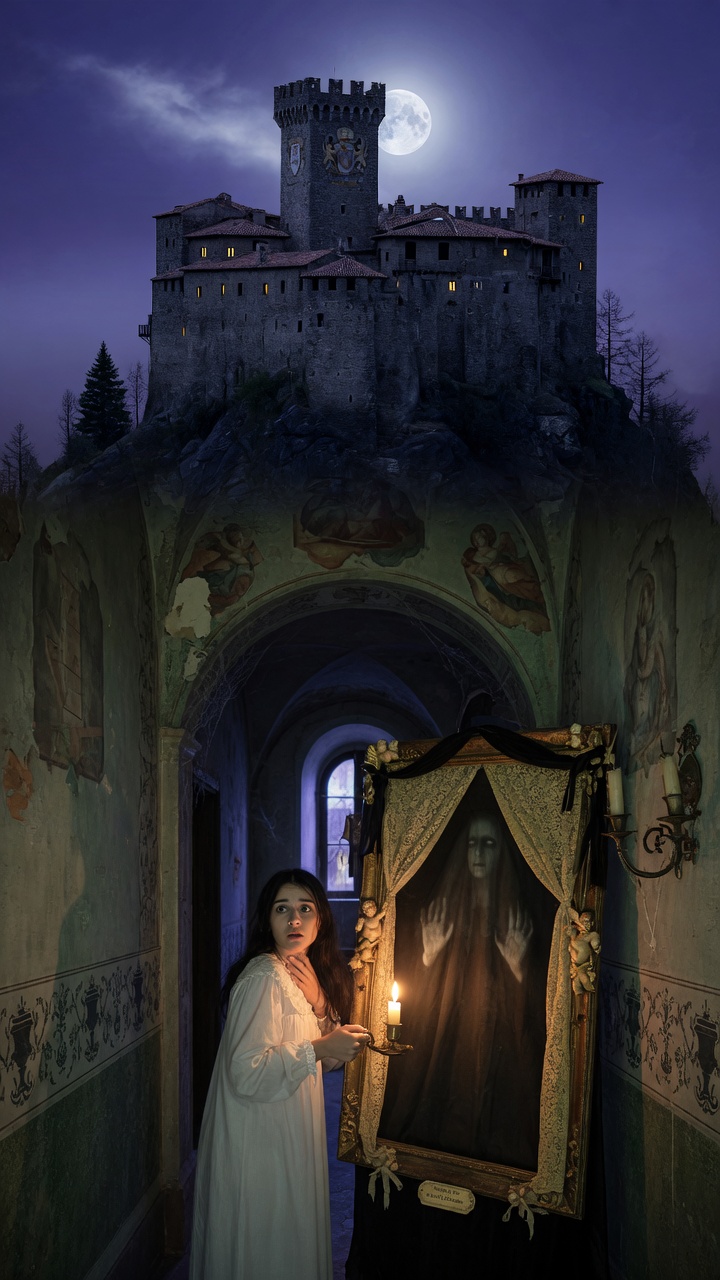
The Mysteries of Udolpho
Ann Radcliffe · 1794
An orphan, a brooding castle, and terrors behind every veil.
The gothic blockbuster that obsessed a whole era — dread, romance, and a sinister Italian fortress.
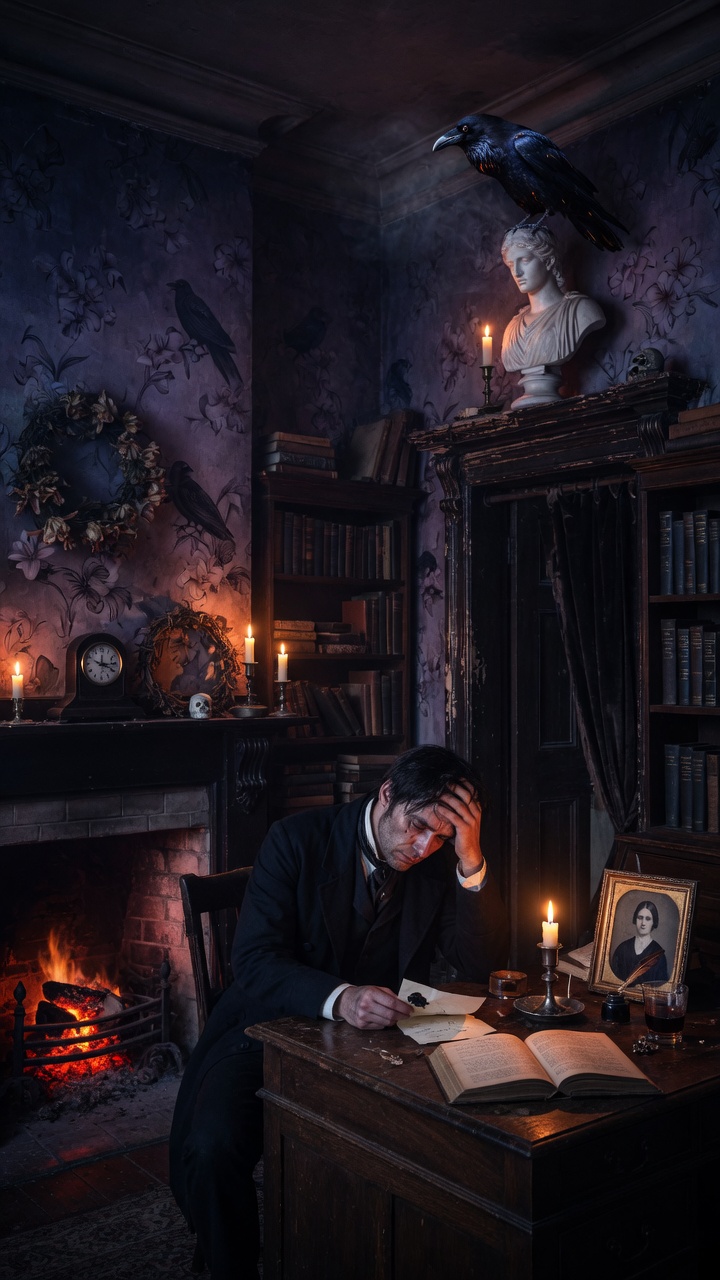
The Raven and Other Poems
Edgar Allan Poe · 1845
Midnight. A tapping. A bird that says one word: nevermore.
Poe's hypnotic masterpiece of grief and dread, plus the darkest verse ever written.
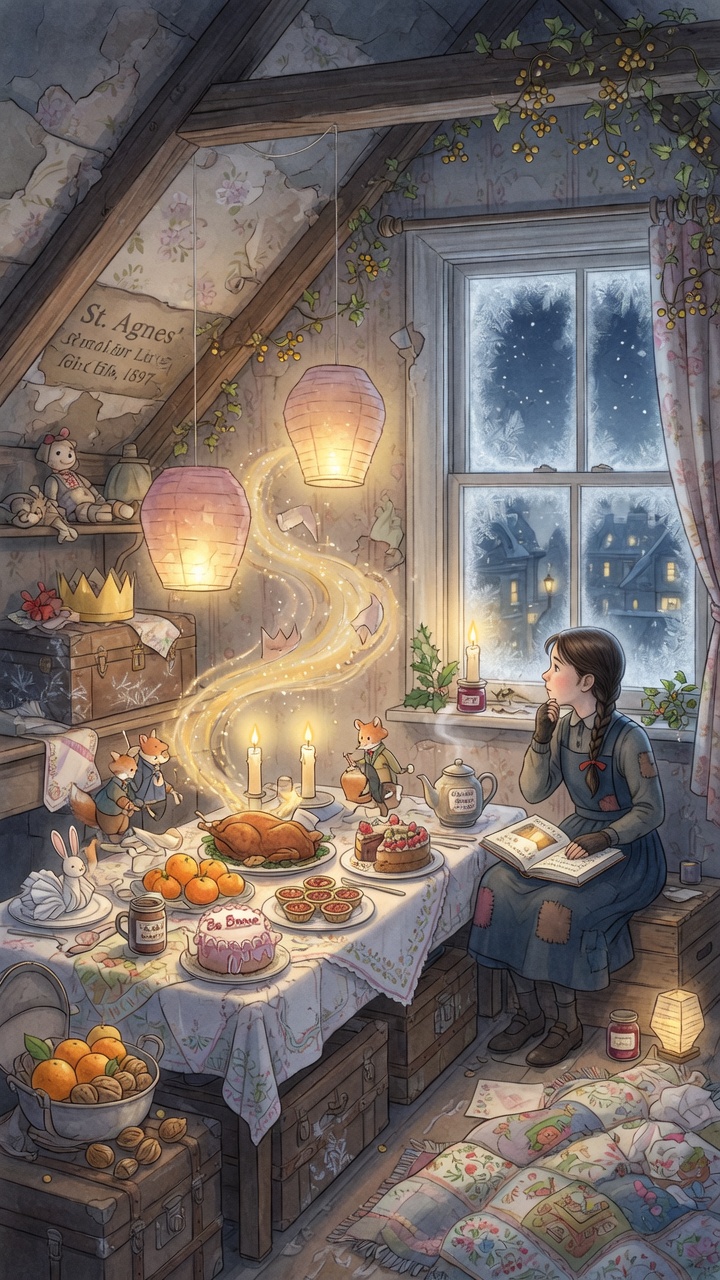
A Little Princess
Frances Hodgson Burnett · 1905
A pampered girl loses everything but her kindness.
From riches to a cold attic and back — a tearjerker about dignity, imagination, and hope.
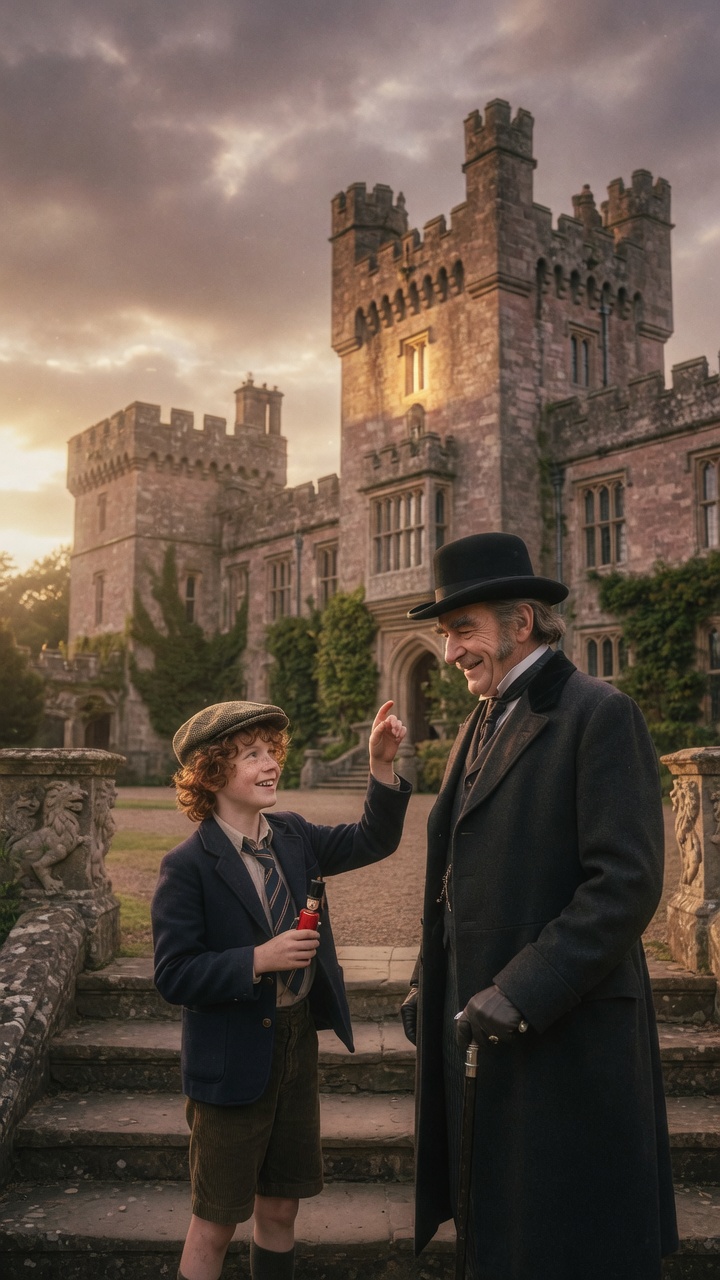
Little Lord Fauntleroy
Frances Hodgson Burnett · 1886
A kind American boy melts the heart of a grumpy old earl.
A sweet, sunny tale of an unspoiled child who thaws his bitter aristocrat grandfather.
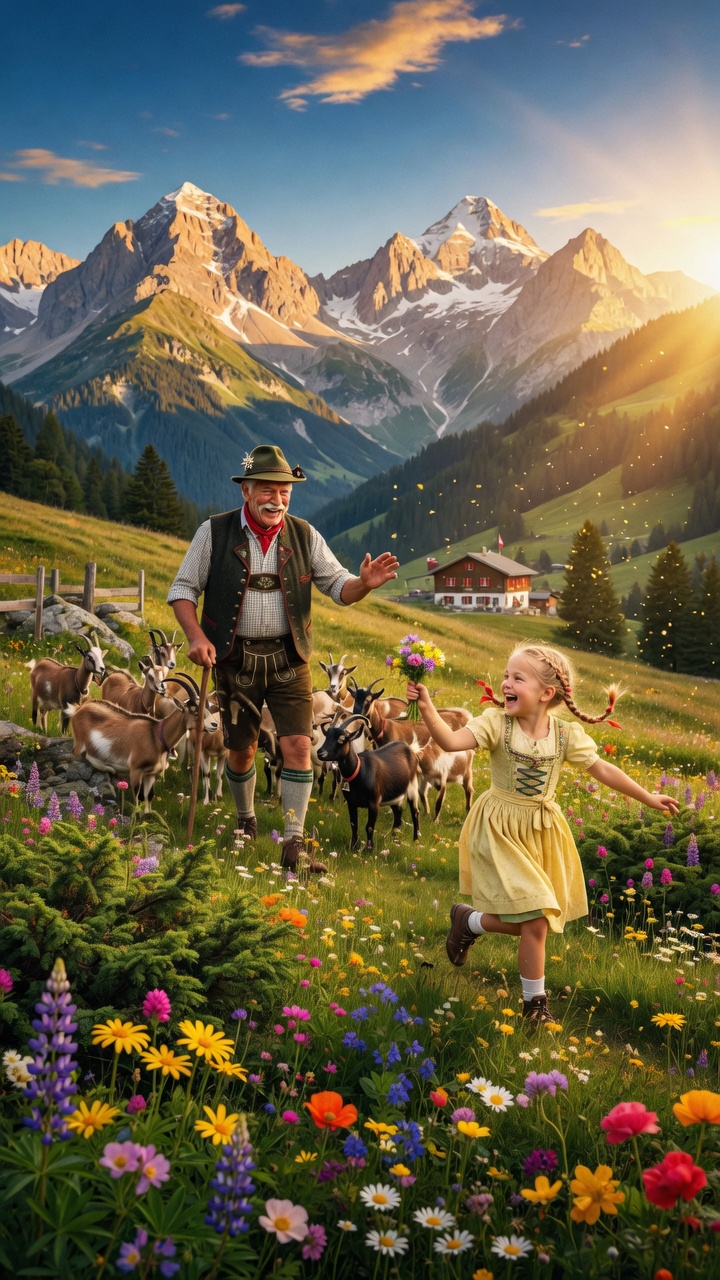
Heidi
Johanna Spyri · 1881
A sunny orphan thaws a hermit grandfather on an Alpine peak.
Pure mountain-air comfort — goats, wildflowers, and one of the warmest hearts in children’s lit.
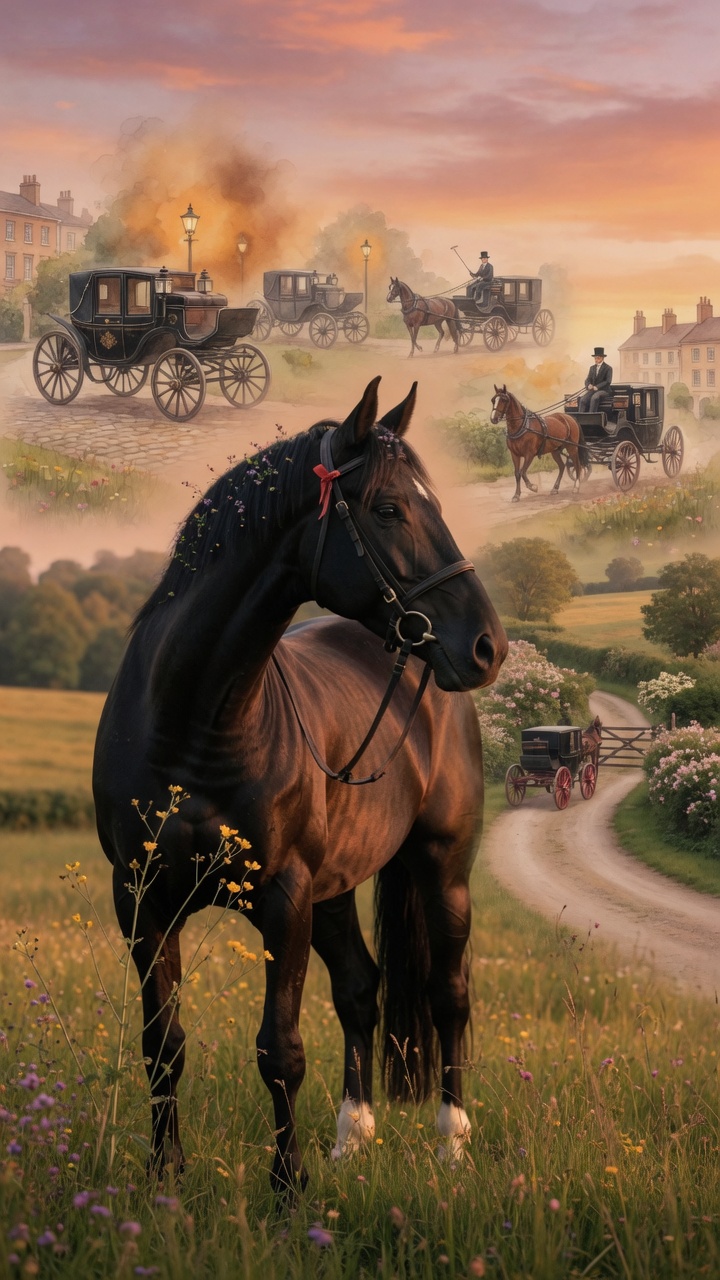
Black Beauty
Anna Sewell · 1877
A horse tells the story of his own hard, hopeful life.
Narrated by the horse himself — gentle, moving, and a quiet plea for kindness to animals.
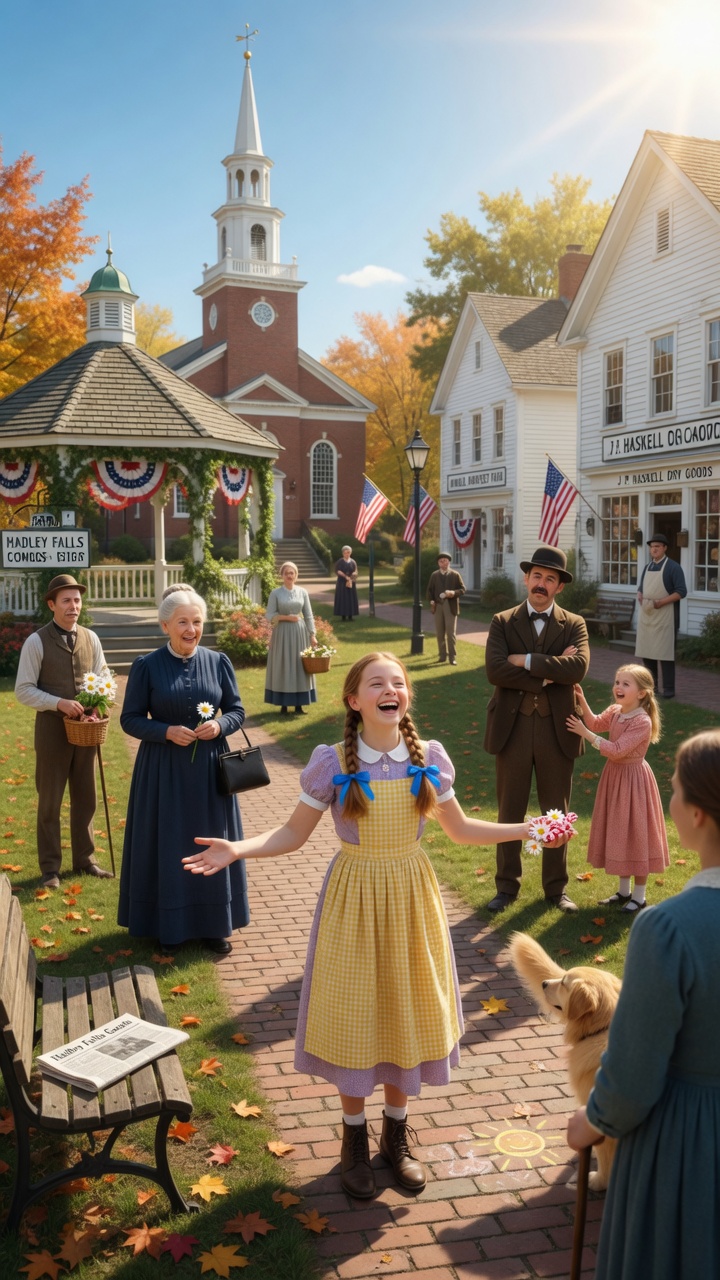
Pollyanna
Eleanor H. Porter · 1913
An orphan so relentlessly glad she infects a whole gloomy town.
The "Glad Game" — a girl whose stubborn optimism quietly transforms everyone around her.
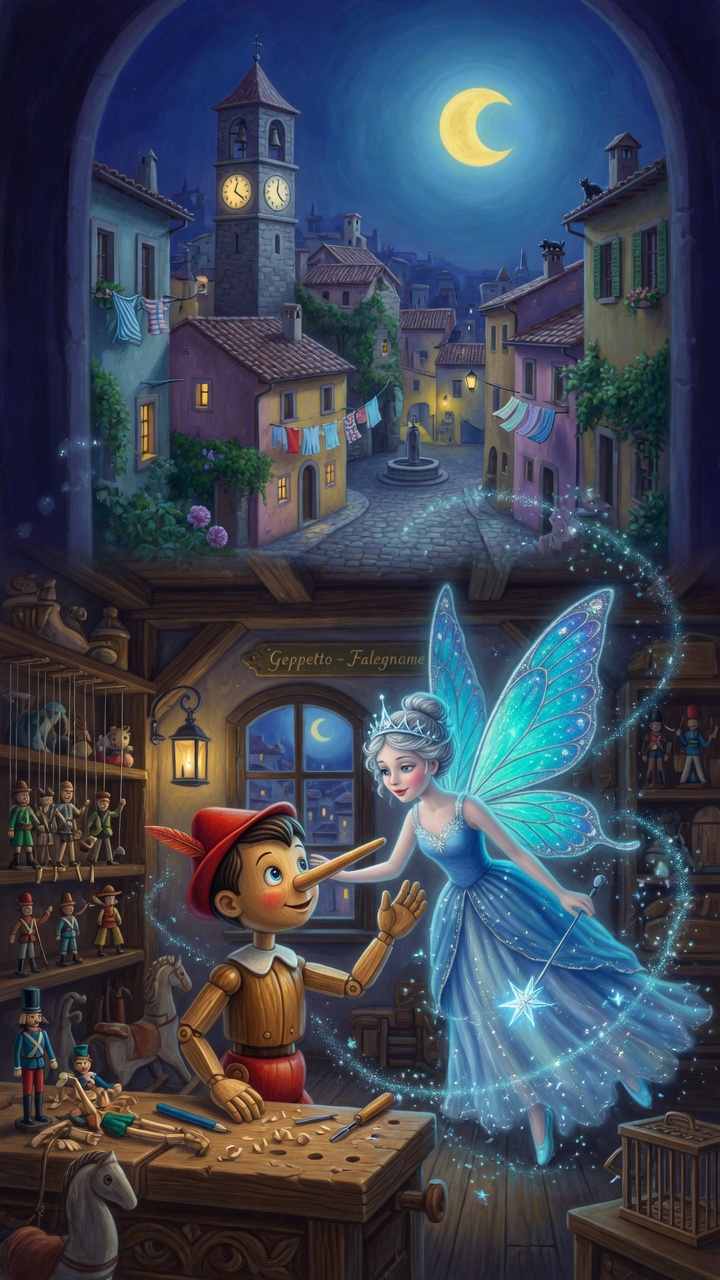
The Adventures of Pinocchio
Carlo Collodi · 1883
A wooden puppet lies his way toward becoming a real boy.
Stranger and darker than you remember — a mischievous marionette’s wild road to a soul.
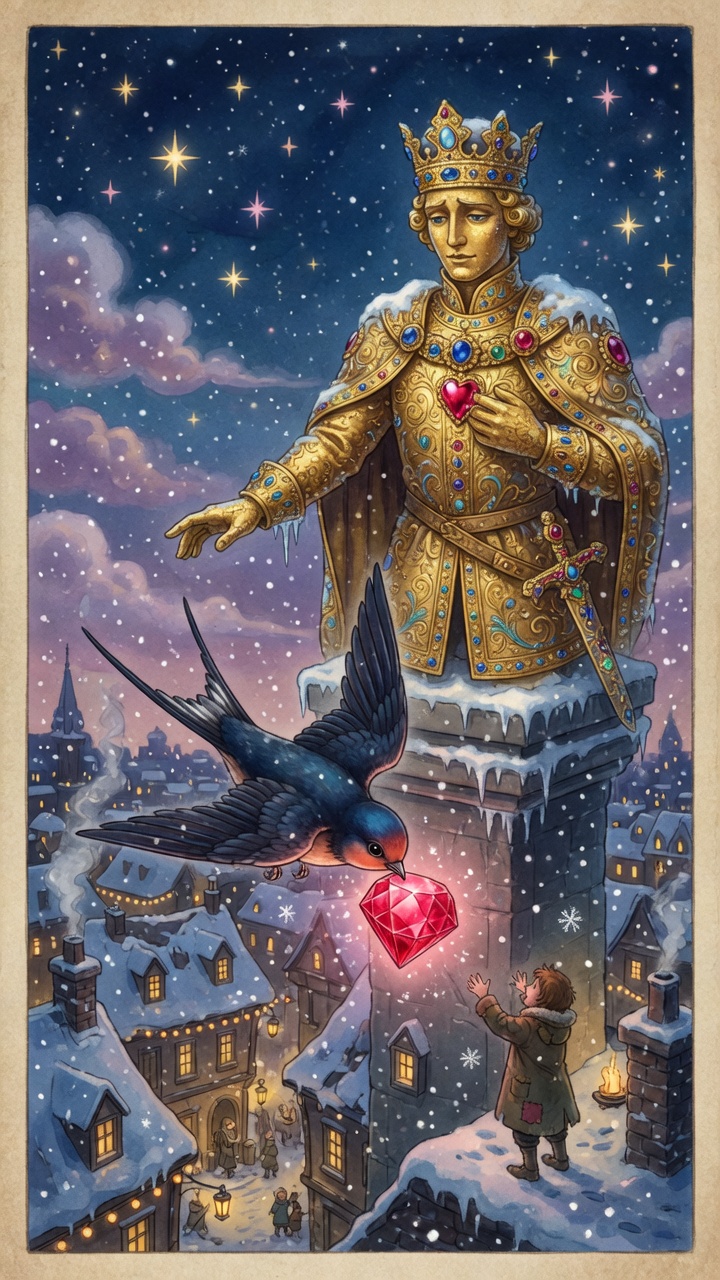
The Happy Prince and Other Tales
Oscar Wilde · 1888
A jeweled statue and a little swallow give everything away.
Wilde's exquisite, heartbreaking fairy tales — beautiful, generous, and quietly devastating.
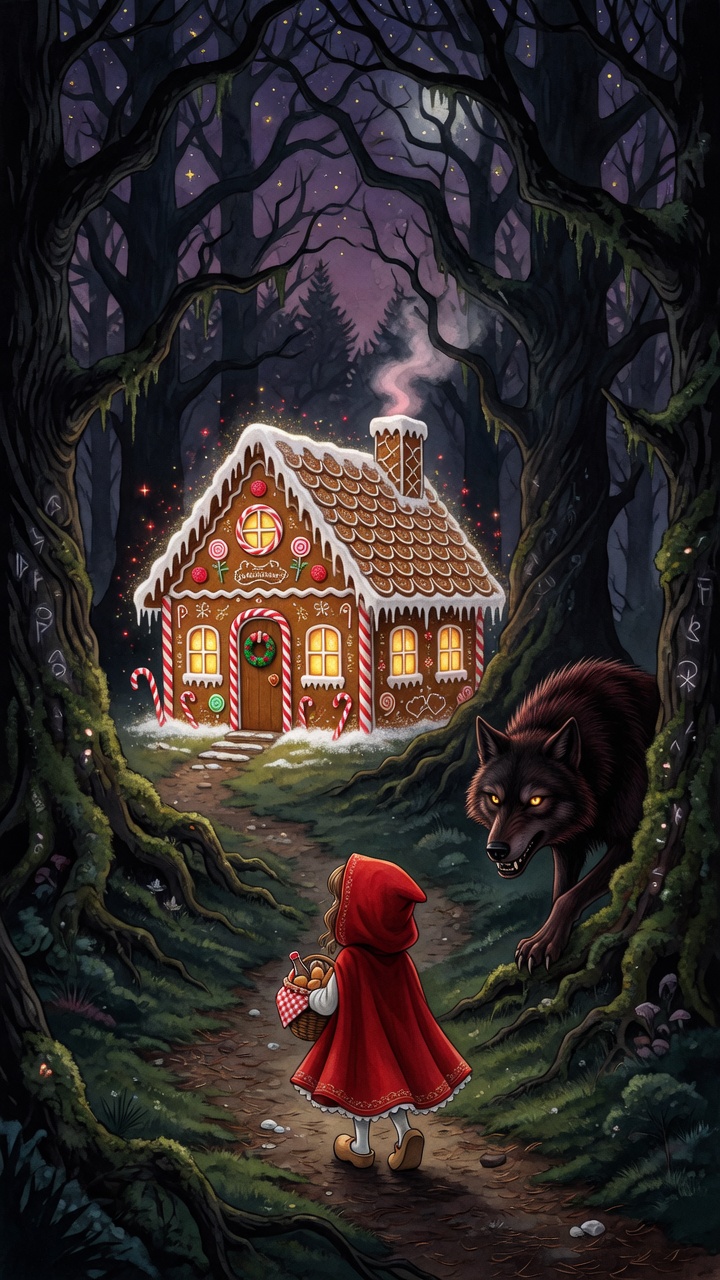
Grimms' Fairy Tales
Brothers Grimm · 1812
The original tales — before Disney softened the edges.
Wolves, witches, and woods — the dark, magical source of half the stories you know.
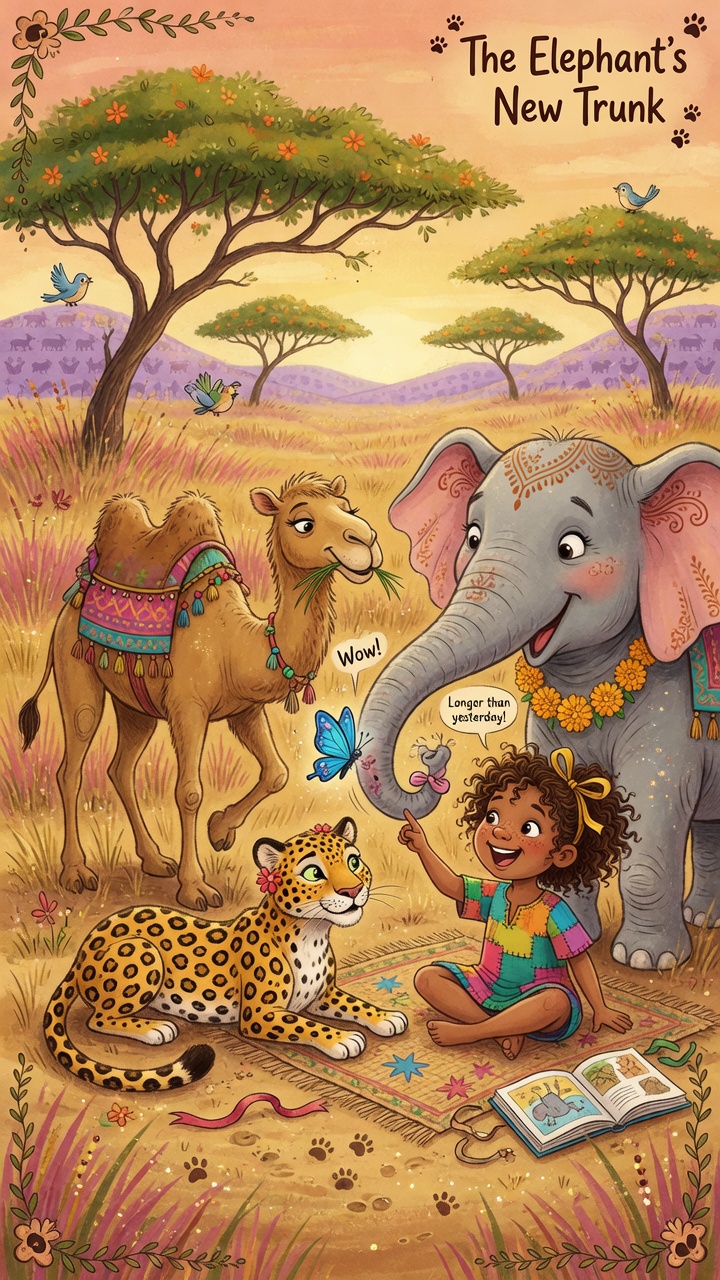
Just So Stories
Rudyard Kipling · 1902
How the leopard got his spots and the camel his hump.
Playful, musical origin myths for every animal — made to be read aloud and giggled at.
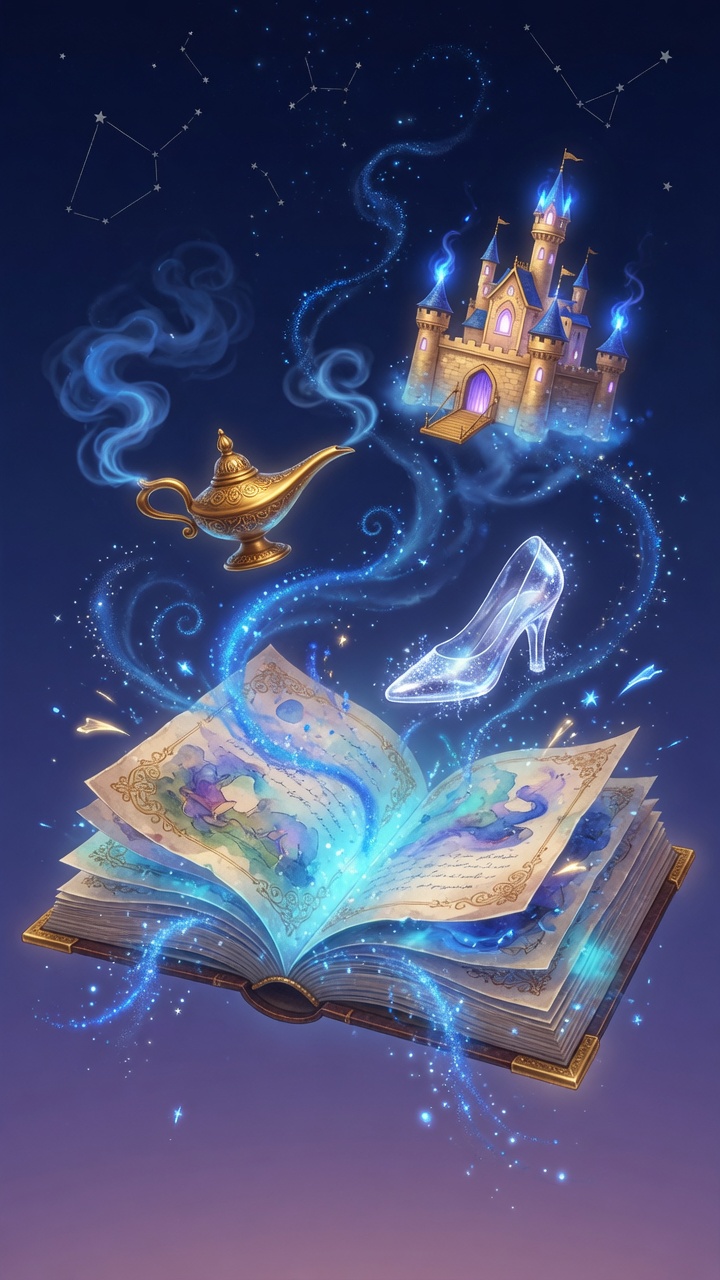
The Blue Fairy Book
Andrew Lang · 1889
Cinderella, Aladdin, Sleeping Beauty — the great collection.
The legendary anthology that gathered the world’s best fairy tales into one magic volume.
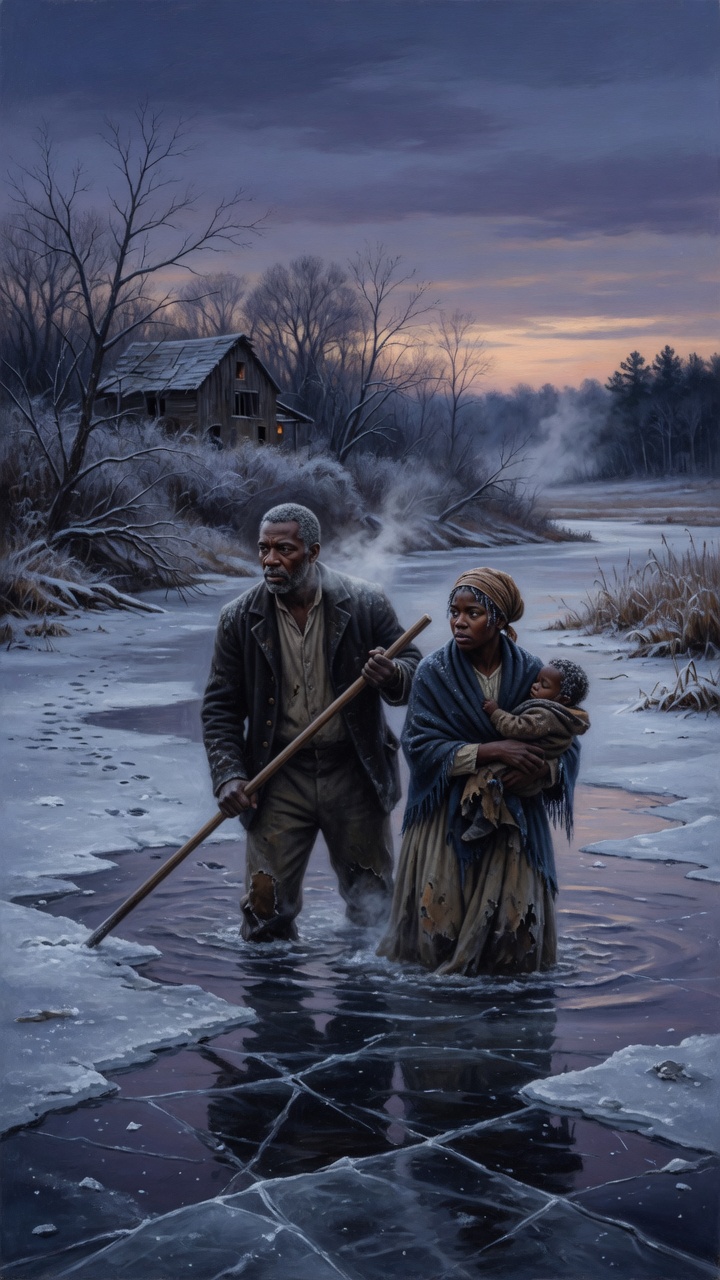
Uncle Tom's Cabin
Harriet Beecher Stowe · 1852
The novel that helped start a war.
A searing, hugely influential anti-slavery story that shook a nation to its conscience.
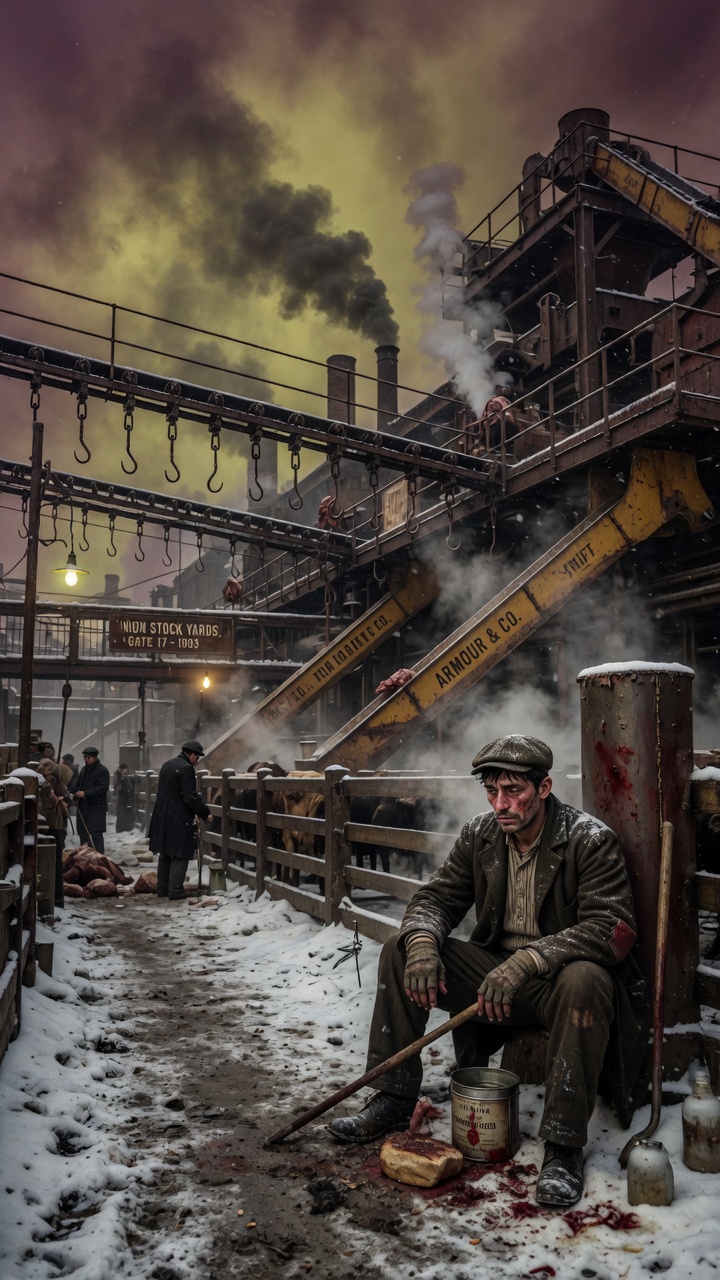
The Jungle
Upton Sinclair · 1906
An immigrant family is ground up by the meatpacking machine.
The exposé so brutal it changed America’s food laws — a furious story of work and survival.
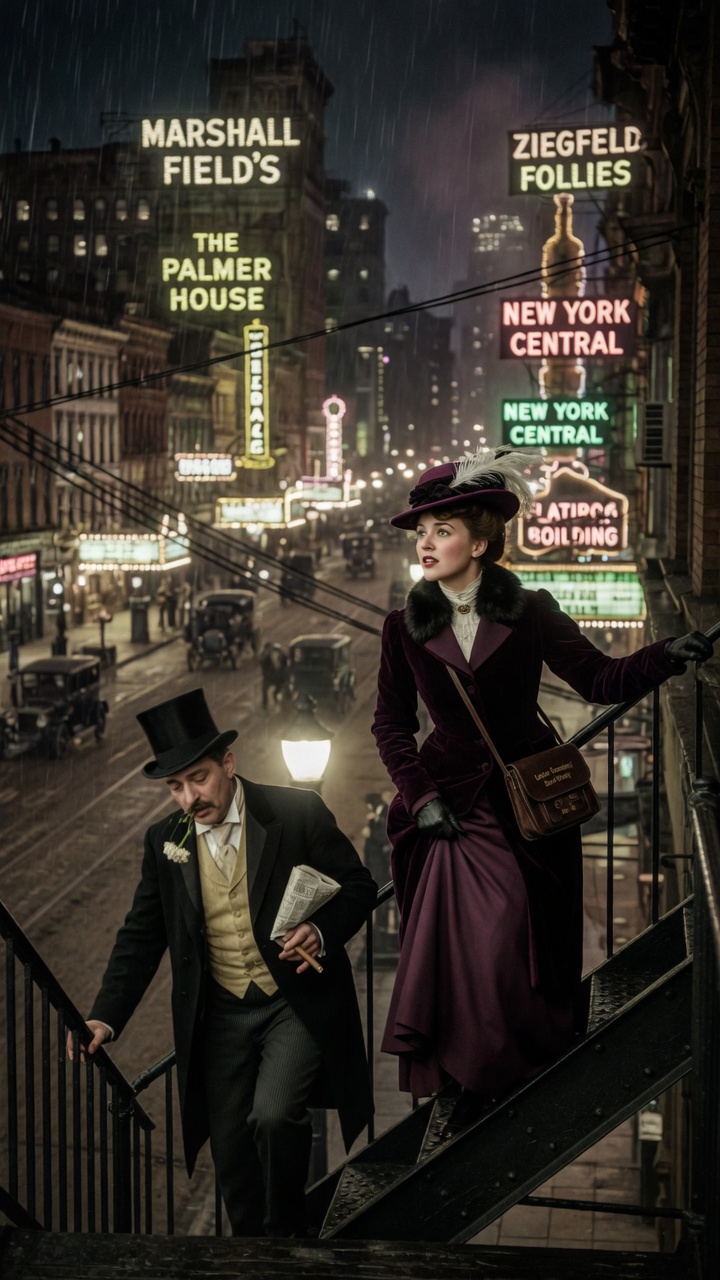
Sister Carrie
Theodore Dreiser · 1900
A small-town girl rises in the city as a man falls.
A frank, modern story of ambition and desire in the glittering, ruthless big city.

My Ántonia
Willa Cather · 1918
A radiant immigrant girl and the prairie that made her.
A luminous elegy for the American frontier and a friendship that defines a life.
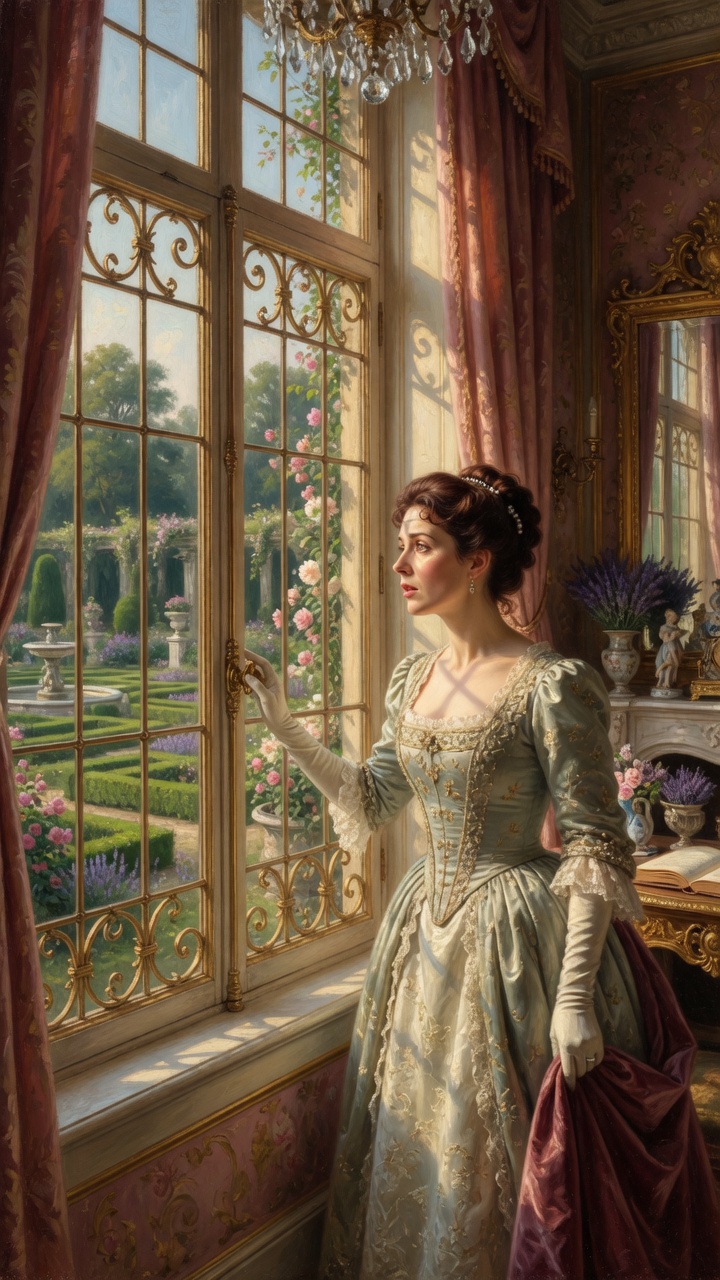
The Portrait of a Lady
Henry James · 1881
A free-spirited American heiress chooses exactly wrong.
James's masterpiece — a brilliant young woman, a fortune, and a marriage that becomes a trap.

Winesburg, Ohio
Sherwood Anderson · 1919
A small town, and the secret ache inside everyone in it.
Interlocking portraits of lonely souls — quiet, tender, and quietly revolutionary.
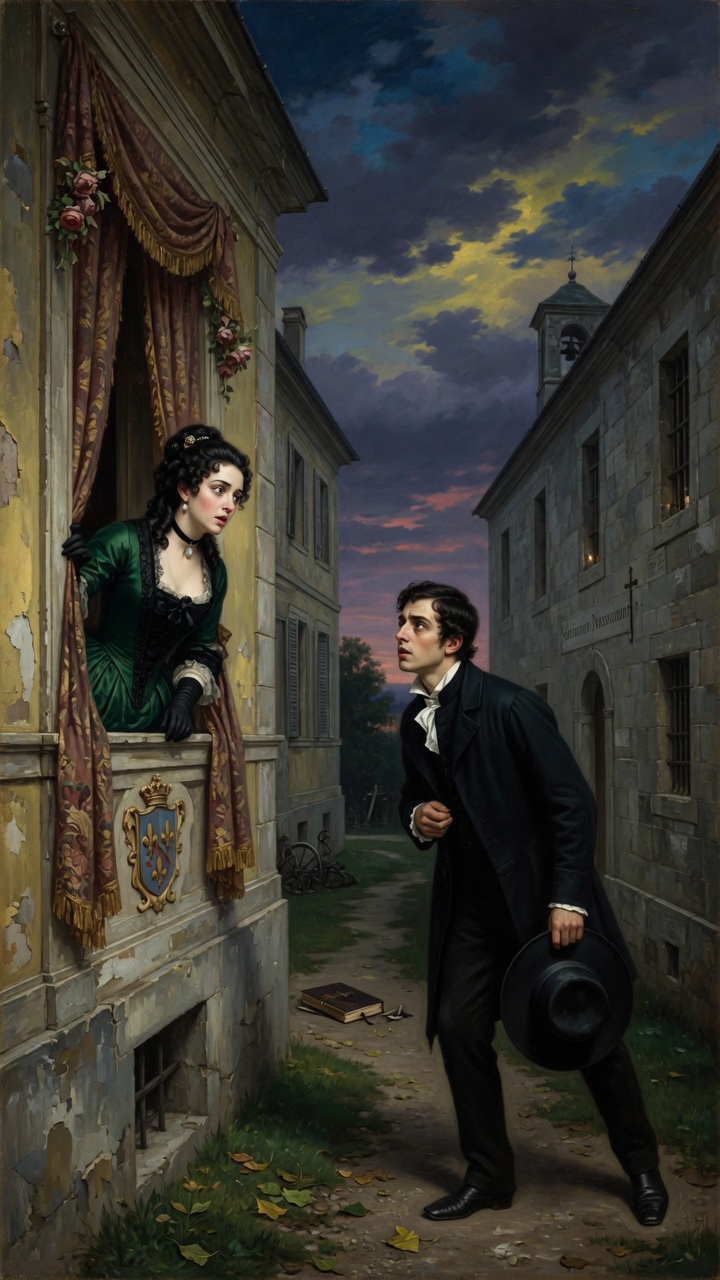
The Red and the Black
Stendhal · 1830
An ambitious carpenter’s son schemes and seduces his way up.
A sharp, sensual psychological climb through Restoration France toward a shocking fall.
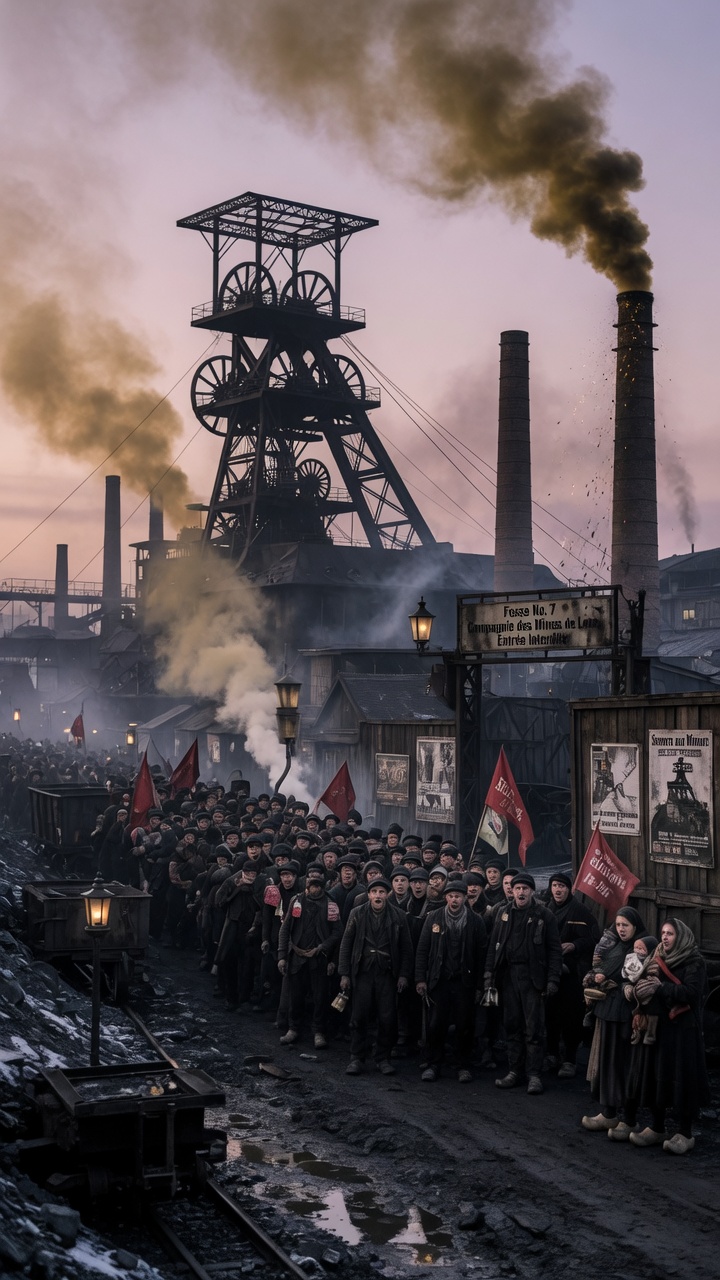
Germinal
Émile Zola · 1885
Starving miners rise against the machine that eats them.
Zola's thunderous epic of a coal-town strike — raw, furious, and unforgettable.
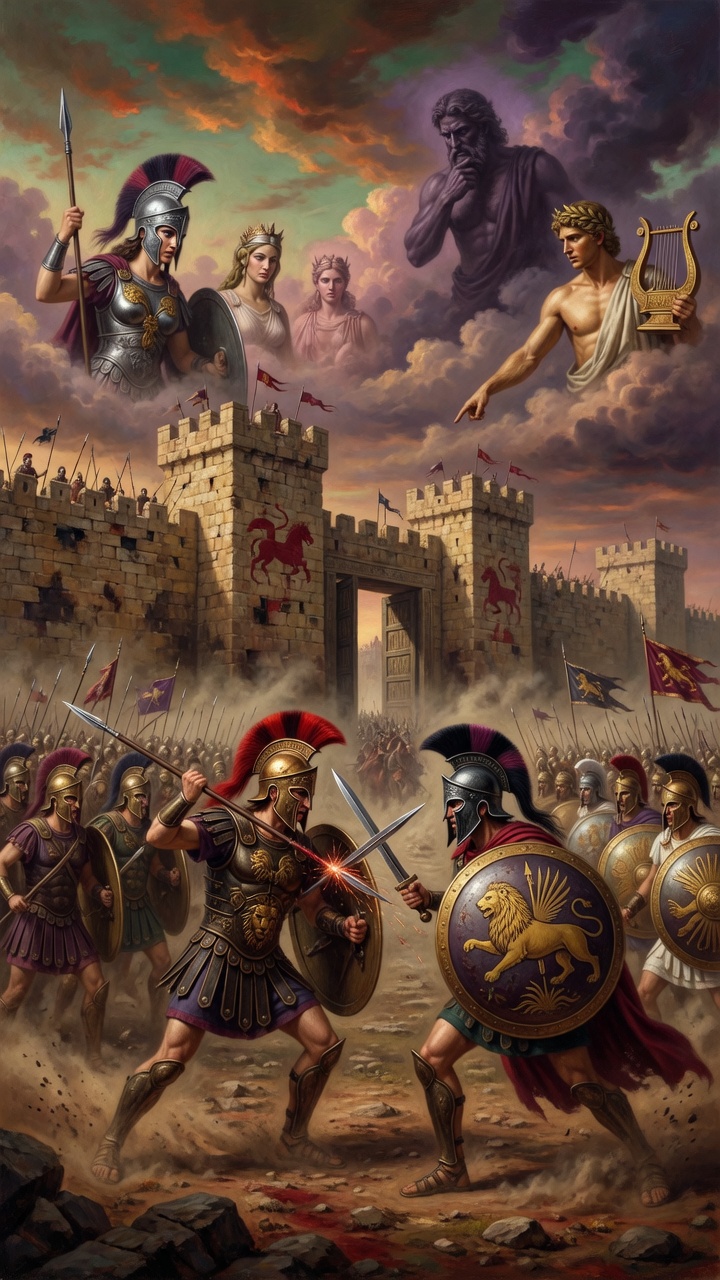
The Iliad
Homer · 750 BC
Ten years of war, decided by one man’s rage.
The foundational war epic — Achilles, Hector, and the gods, on the bloody plains of Troy.
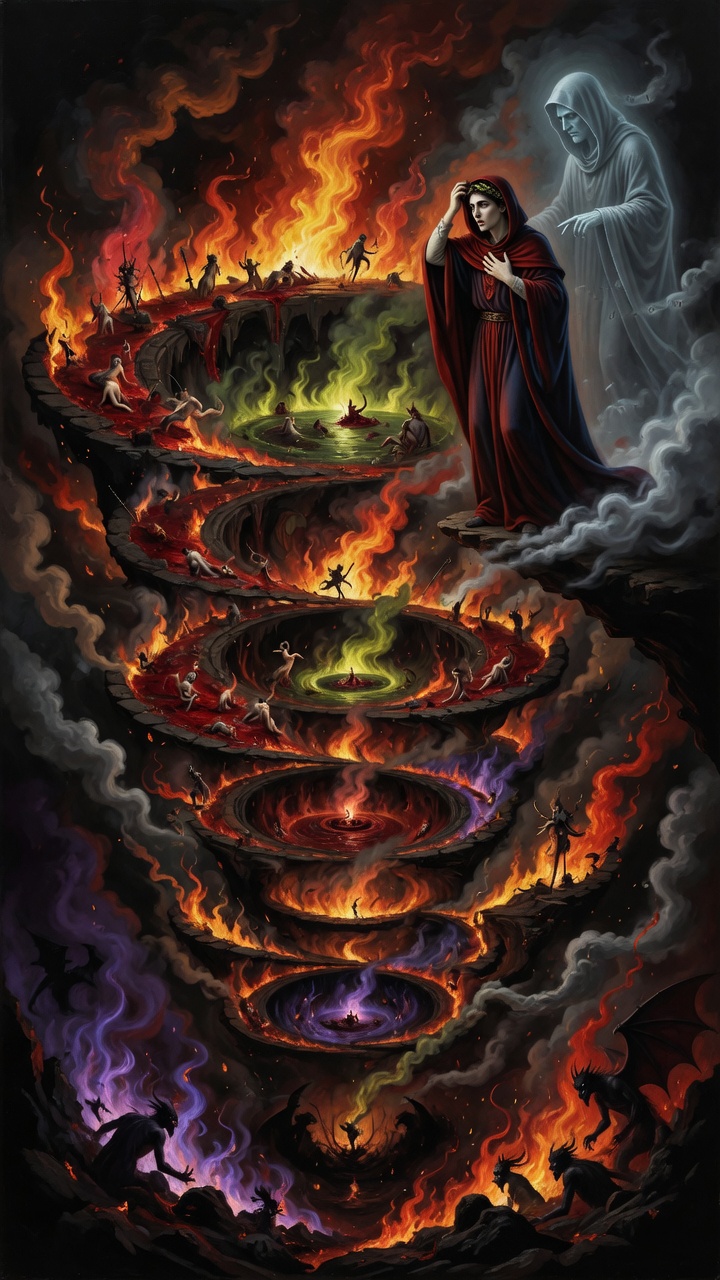
Dante's Inferno
Dante Alighieri · 1320
A guided tour through the nine circles of Hell.
The most vivid vision of the afterlife ever written — descending through ever-worse torments.
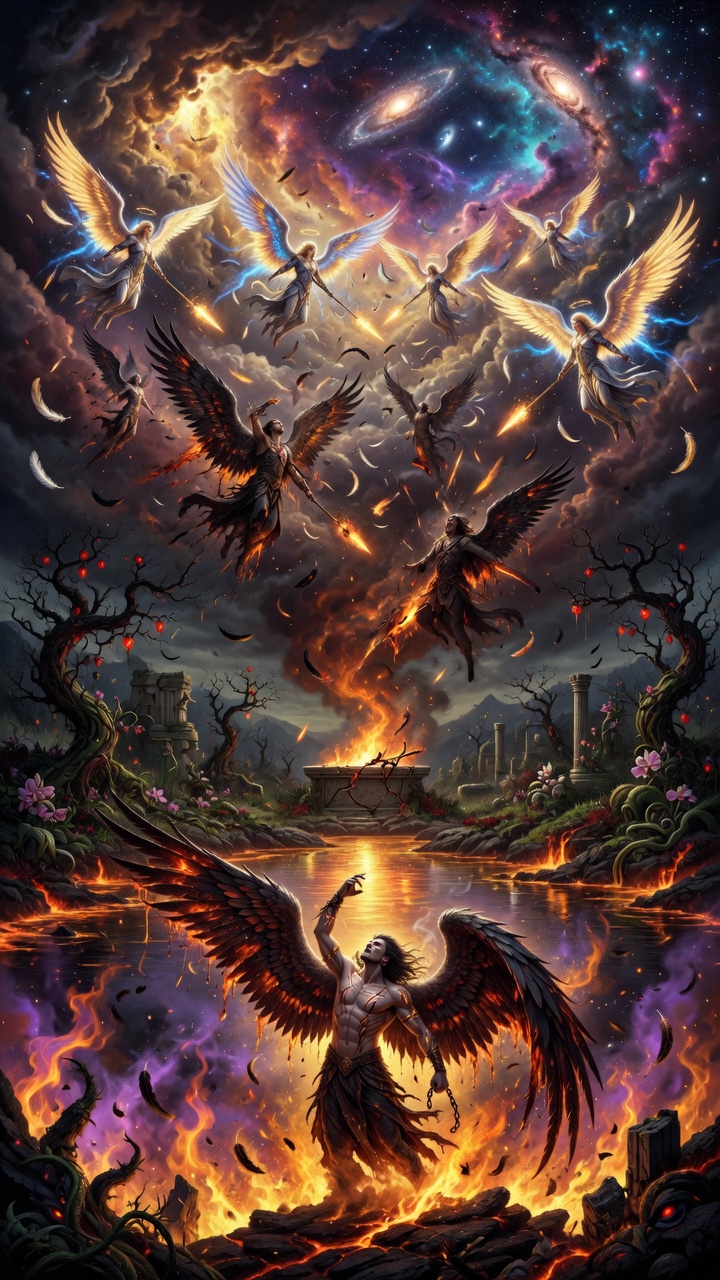
Paradise Lost
John Milton · 1667
The war in Heaven, the fall of man, and the case for the Devil.
Milton’s thunderous epic gives Satan the best lines and grandeur beyond measure.
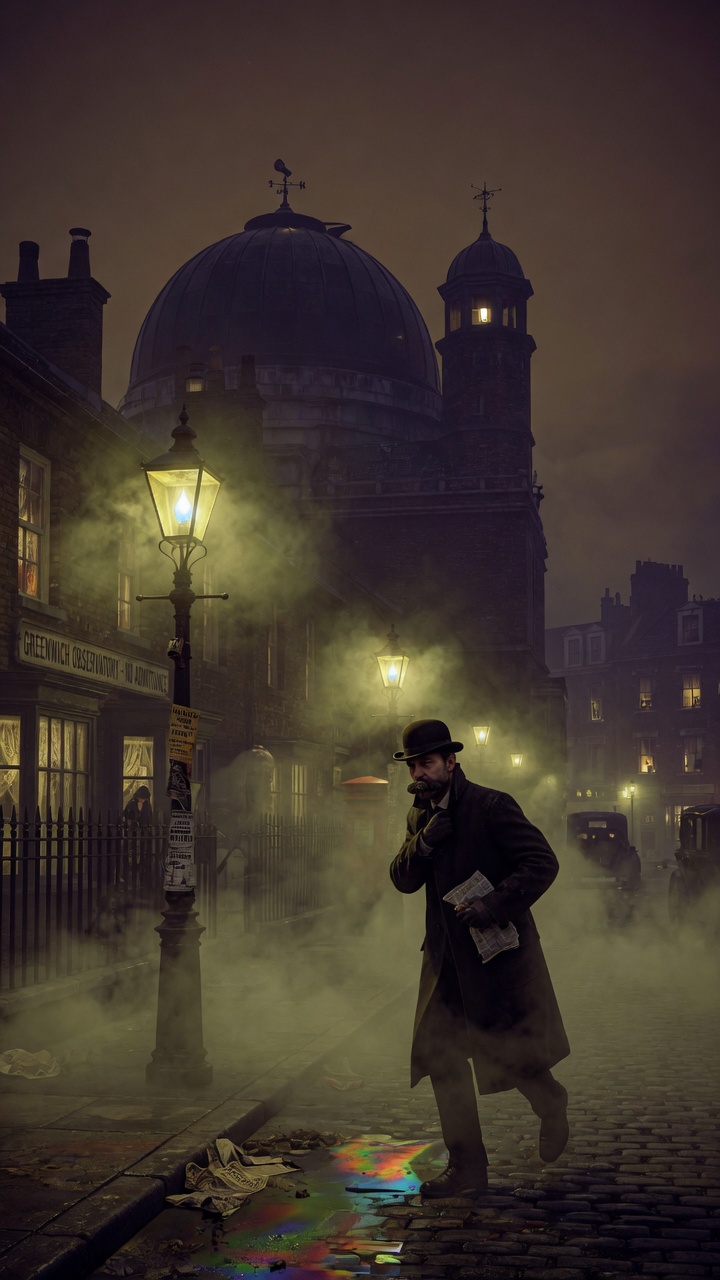
The Secret Agent
Joseph Conrad · 1907
A shabby spy is ordered to bomb the Greenwich Observatory.
A bleak, brilliant thriller of anarchists, double agents, and one catastrophic plot in foggy London.

Lord Jim
Joseph Conrad · 1900
One moment of cowardice he spends a lifetime outrunning.
A young sailor abandons ship and chases redemption to the far edges of the colonial East.

Kim
Rudyard Kipling · 1901
A street orphan becomes a player in the Great Game of spies.
A vivid romp across colonial India — a quick-witted boy torn between a holy man and the secret service.
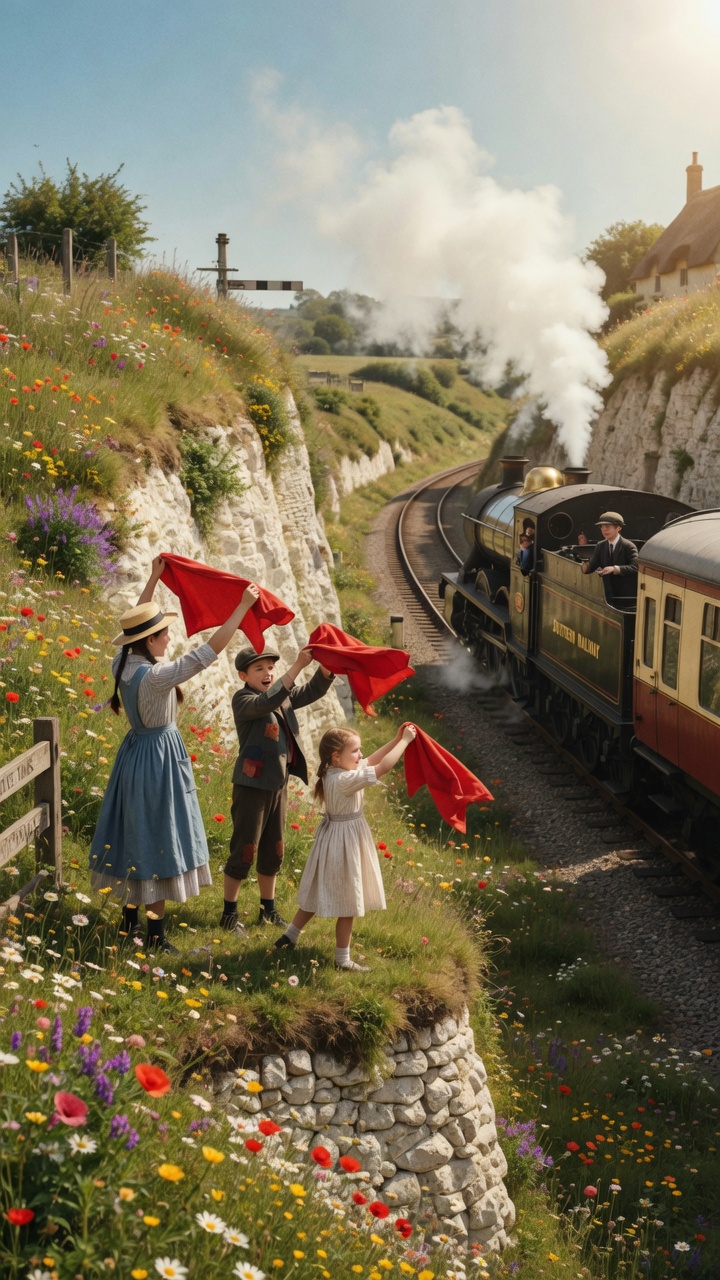
The Railway Children
E. Nesbit · 1906
Three kids, a country cottage, and the trains that change everything.
A warm, gentle classic of siblings making a new life by the railway while their father is away.
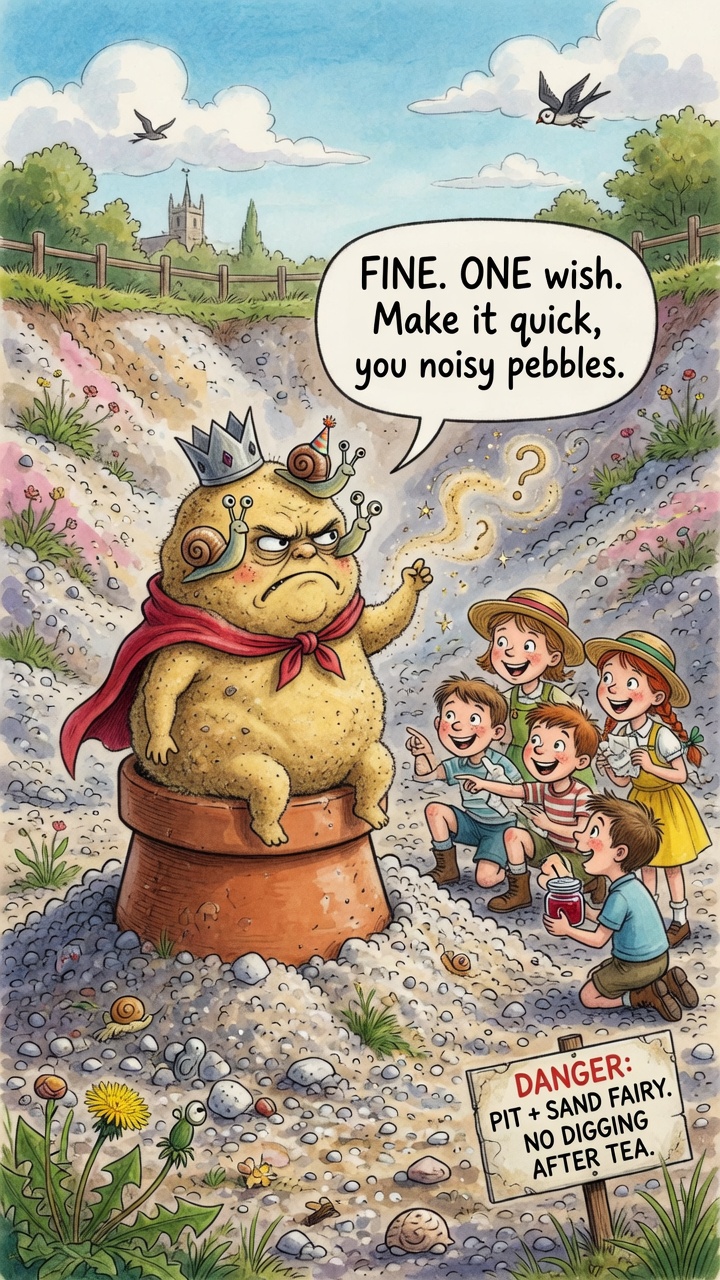
Five Children and It
E. Nesbit · 1902
A grumpy wish-granting sand-fairy that always backfires.
Siblings dig up an ancient creature that grants one wish a day — with hilarious, chaotic results.
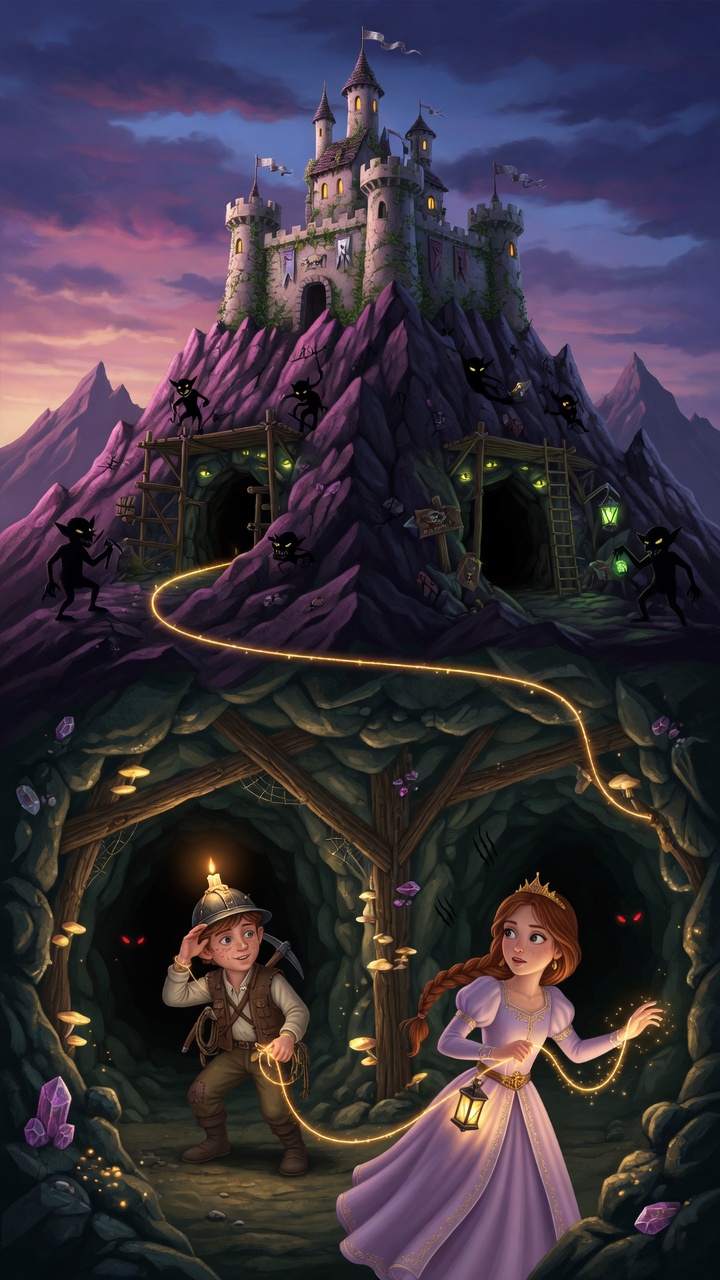
The Princess and the Goblin
George MacDonald · 1872
A princess, a miner boy, and goblins beneath the mountain.
The fairy tale that inspired Tolkien and Lewis — a magic thread, dark tunnels, and true courage.

The Swiss Family Robinson
Johann David Wyss · 1812
A shipwrecked family builds a paradise from a desert island.
The ultimate castaway family adventure — treehouses, wild beasts, and endless ingenuity.

The Monk
Matthew Lewis · 1796
A holy man falls into temptation, murder, and damnation.
The most scandalous gothic novel of its age — sin, the supernatural, and a pact with the Devil.

Father Sergius
Leo Tolstoy · 1898
A celebrated prince trades his sword for a monk's cell — and a harder battle.
Tolstoy's piercing late novella about pride, temptation, and the search for a humble, honest life.